REVIEW · AMSTERDAM
Amsterdam: Anne Frank and Jewish Quarter Tour
Book on GetYourGuide →Operated by Trigger Tours · Bookable on GetYourGuide
Holocaust sites, explained on foot. This Amsterdam Jewish Quarter tour connects the dots from daily life under Nazi rule to what happened afterward, including the February Strike and the hunger winter. I like how it keeps moving through real places—like the Portuguese Synagogue area and Jewish memorial sites—so the story feels grounded instead of abstract.
I also like the focus on more than just Anne Frank. You’ll hear her family’s story, then widen out to Amsterdam’s Jewish community before, during, and after the occupation—covering key landmarks such as the Jewish Historical Museum and the Auschwitz Monument. One drawback to plan for: the tour does not include tickets or entry to the Anne Frank House, so you may want to book that separately if it’s high on your list.
In This Review
- Five things that make this tour worth your time
- Walking Through WWII Amsterdam Without Getting Lost
- The Jewish Quarter: More Than a Map of Memorials
- Portuguese Synagogue and Jewish Historical Museum: Where Context Becomes Real
- Auschwitz Monument: Learning the Meaning Behind the Marker
- Hollandsche Schouwburg National Holocaust Memorial: A Place That Hits Hard
- The Dokwerker: Remembering Labor, Not Just Loss
- Anne Frank’s Story in Its City Context
- Grachtengordel and the Shift Back to the City
- What I Think About the Guides and Group Setup
- Price and Value: $24 for a Focused, High-Impact Walk
- Practical Tips Before You Go
- Who This Tour Is Best For
- Should You Book It?
- FAQ
- FAQ
- How long is the Amsterdam: Anne Frank and Jewish Quarter Tour?
- How much does the tour cost?
- Does the tour include entry to the Anne Frank House?
- Where does the tour meet and where does it end?
- What languages are available for the live guide?
- Is this tour a private or small group experience?
- What should I bring with me?
- Can I cancel if my plans change?
Five things that make this tour worth your time

- WWII context beyond the headline story: you’ll connect the occupation period and aftermath to specific locations.
- Key Jewish Quarter landmarks: stops include the Portuguese Synagogue and the Jewish Historical Museum area.
- Holocaust memorial stops on a tight route: you visit sites such as the Auschwitz Monument and the Hollandsche Schouwburg National Holocaust Memorial.
- Strong guiding and respectful tone: names like James, Aaron, Pilar, and Masha show up often in feedback for clear, sensitive storytelling.
- Practical pacing for a short tour: it’s only about 2 hours, so you get a focused hit of history without a full day commitment.
Walking Through WWII Amsterdam Without Getting Lost
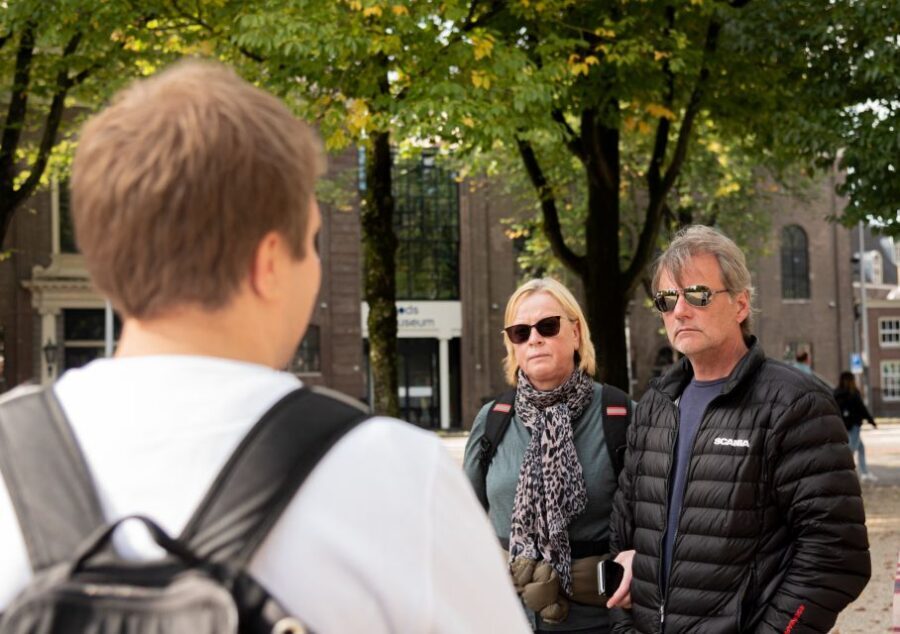
Amsterdam has a talent for looking like it’s all museums and canals—until you slow down and look at what sits in plain sight. This tour uses a simple formula: walk through the Jewish Quarter area, stop at major markers, and build a timeline of what Amsterdam’s Jewish community faced during the Nazi occupation and in the years that followed.
For me, the best part is that it doesn’t treat the Second World War as one frozen moment. It frames the lead-up, the occupation years, and the aftermath in a way that helps you understand how people endured major events like the February Strike and the hunger winter.
You also get a clear route in a short time. It’s designed for a 2-hour visit, which means you can fit it between canal cruise time and dinner plans without turning the day into a history marathon. The flip side is that you’ll be on your feet for a while, so comfortable shoes matter.
You can also read our reviews of more tours and experiences in Amsterdam.


The Jewish Quarter: More Than a Map of Memorials
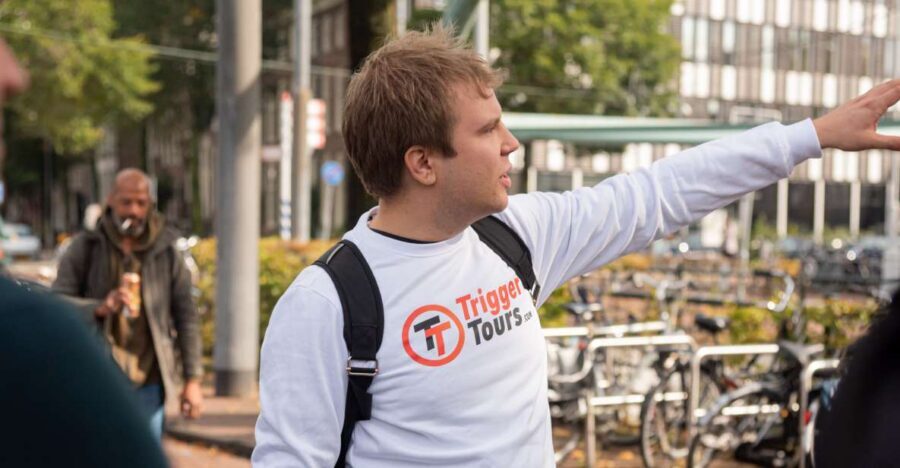
You’ll spend a chunk of the walk in the historic Jewish Quarter, including the stretch of narrow streets and alleys that feel like they were made for wandering. That physical layout matters. In a city like Amsterdam, those small turns and tight lanes help you picture how neighborhoods operated—where people went, how communities gathered, and how life changed when restrictions tightened.
This area isn’t only about tragedy. The tour also covers the background of Jewish life in Amsterdam across centuries and how the neighborhood evolved over time. That’s important because it stops the story from being only about loss. You learn how the community shaped Amsterdam’s culture and heritage long before the darkest chapters.
If you like history that’s tied to everyday geography, this part lands well. It gives you enough context to read the city differently afterward, even when you’re just walking to your next stop.
Portuguese Synagogue and Jewish Historical Museum: Where Context Becomes Real
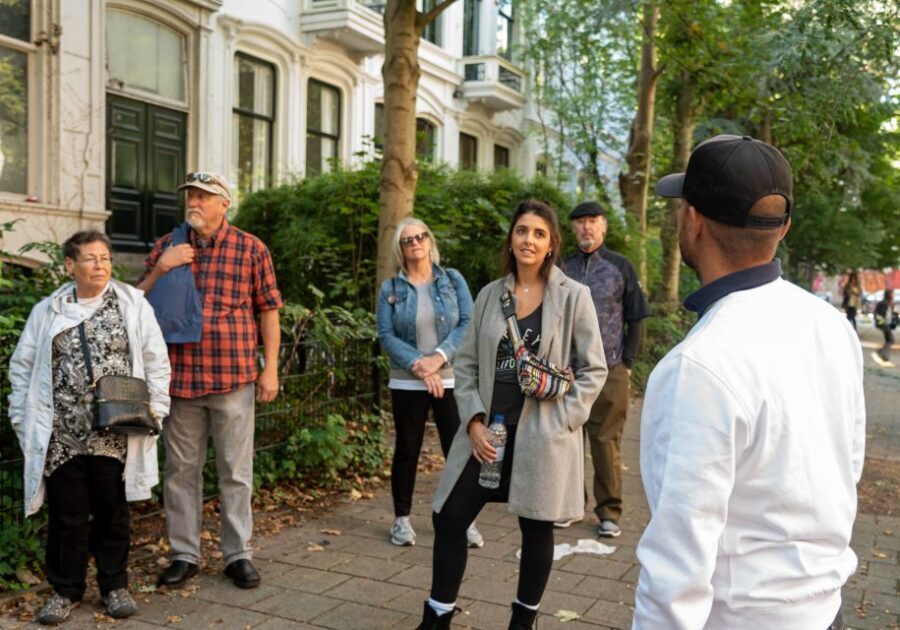
Two stops anchor the tour’s cultural side: the Portuguese Synagogue area and the Jewish Historical Museum zone. Even if you’re not an architecture hunter, these places help you understand that Amsterdam’s Jewish community had institutions, traditions, and a public presence—not just a secret underground story.
What you’ll take away here is context. The tour doesn’t treat this as a checklist of buildings. Instead, it uses these landmarks to explain the role the community played and how the neighborhood’s identity formed over time.
If you’re expecting a quick, superficial stop, you’ll be pleasantly surprised. The tour is built around short guided segments at several major points, and these two help you switch gears from memorial gravity to community history—without losing the overall seriousness.
Auschwitz Monument: Learning the Meaning Behind the Marker
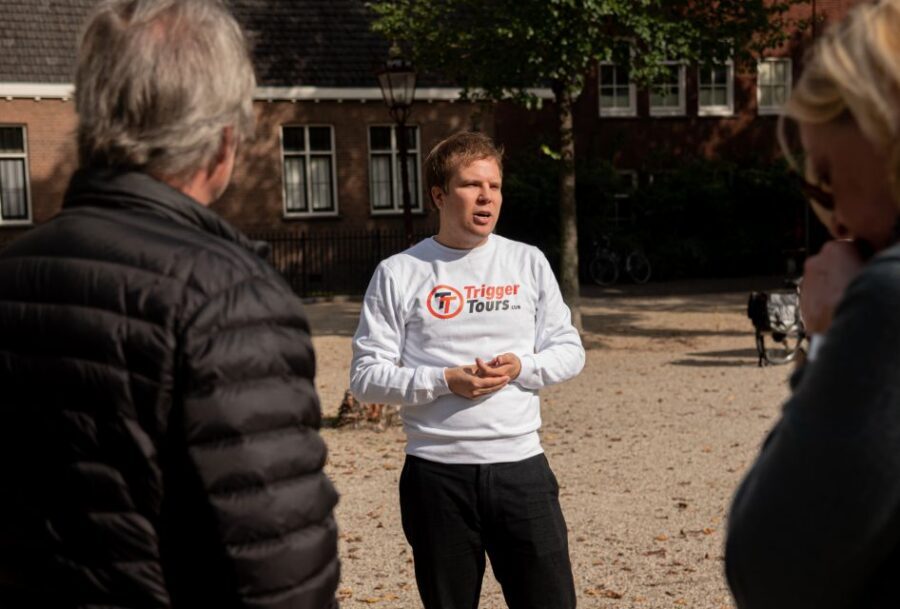
One of the tour’s sharper turns—emotionally and historically—comes at the Auschwitz Monument. You’re in the center of Amsterdam, but the message of the monument is unmistakably tied to deportation and mass murder.
This stop matters because it widens the story from Amsterdam’s occupation into the broader machinery of the Holocaust. You’ll hear how the Jewish community lived under pressure during the war and what happened next, so the monument doesn’t feel like a standalone symbol.
In a way, this is where the tour becomes most educational in a practical sense. It helps you connect what you’re seeing on the street to the larger historical process, not just the local details.
Hollandsche Schouwburg National Holocaust Memorial: A Place That Hits Hard
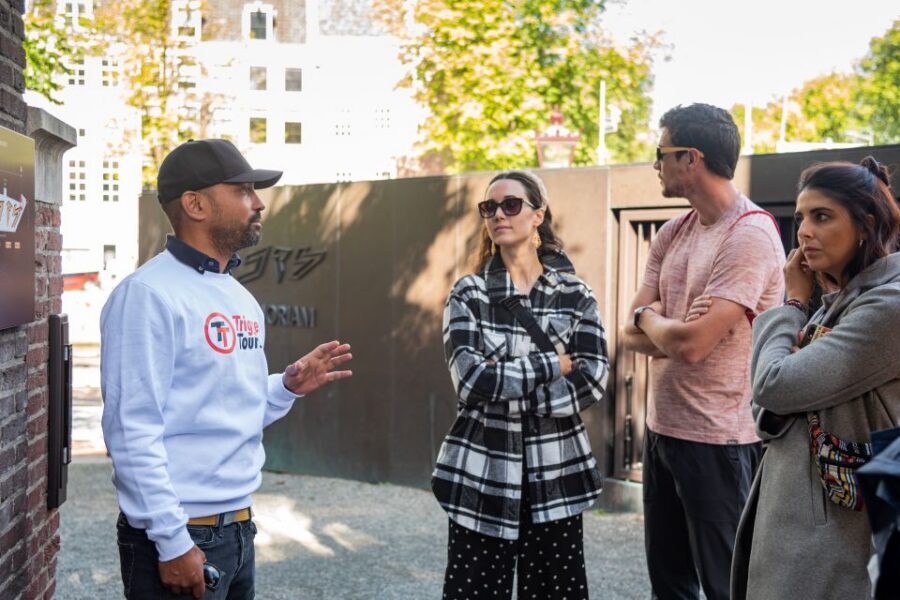
The Hollandsche Schouwburg National Holocaust Memorial is another key stop, and it’s the kind of place where the tone has to stay respectful. This tour keeps that balance: it provides historical framing while still letting the location do some of the emotional work.
It’s also the kind of stop that helps explain why Amsterdam’s Jewish story is so tied to specific sites and buildings. The war didn’t erase the city—it used the city. And these memorials help you understand that painful reality.
If you prefer your history with room to process, this stop can feel heavy even in a short itinerary. But it’s also one of the moments that can make everything else click.



The Dokwerker: Remembering Labor, Not Just Loss
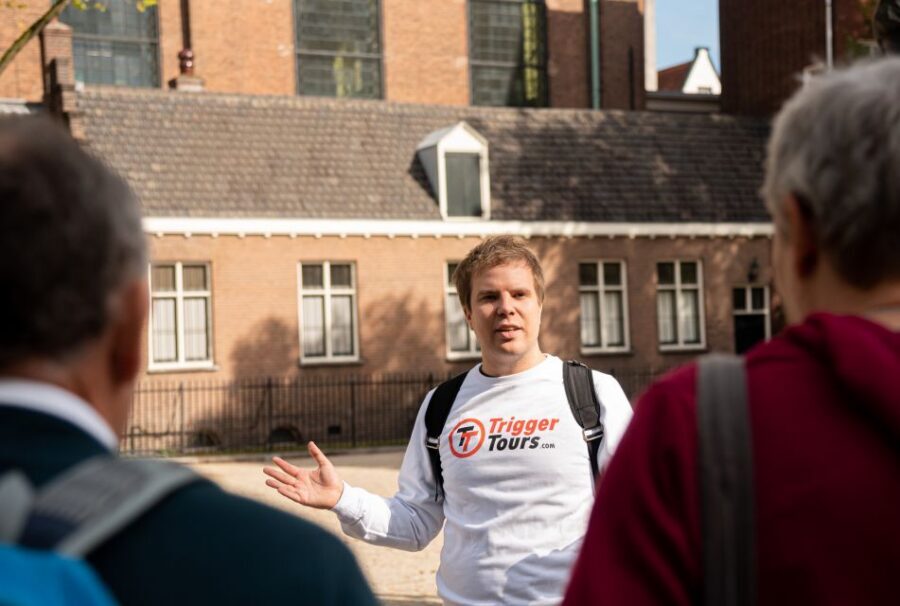
The tour also includes The Dokwerker (brief guided time on-site). This is a reminder that Nazi oppression wasn’t only about hiding and deportation in an abstract sense. It also played out through work, movement, and systems that controlled daily life.
That’s part of why I think this tour earns its price. It doesn’t stick only to the most famous story beats. It points you toward locations that explain how the occupation functioned—step by step—through Amsterdam’s streets and institutions.
Anne Frank’s Story in Its City Context
Anne Frank is, of course, the name most visitors know. Here’s the important nuance: this tour gives you the broader Amsterdam context around her story instead of trying to replace a visit to the Anne Frank House.
You’ll hear about Anne Frank, her family, and the strife during the dark period of the occupation. The goal is to help you understand what surrounded the story: the pressures, the danger, and the way Amsterdam changed under Nazi control.
But plan ahead for this: the tour specifically notes that it does not include entrance to the Anne Frank House. In practice, that means you’ll leave with a stronger understanding of what you’ll see elsewhere—or you’ll realize you still want to see it. Either way, it’s better to treat this as the complementary guide for the neighborhood story, not as a substitute ticket.
Grachtengordel and the Shift Back to the City
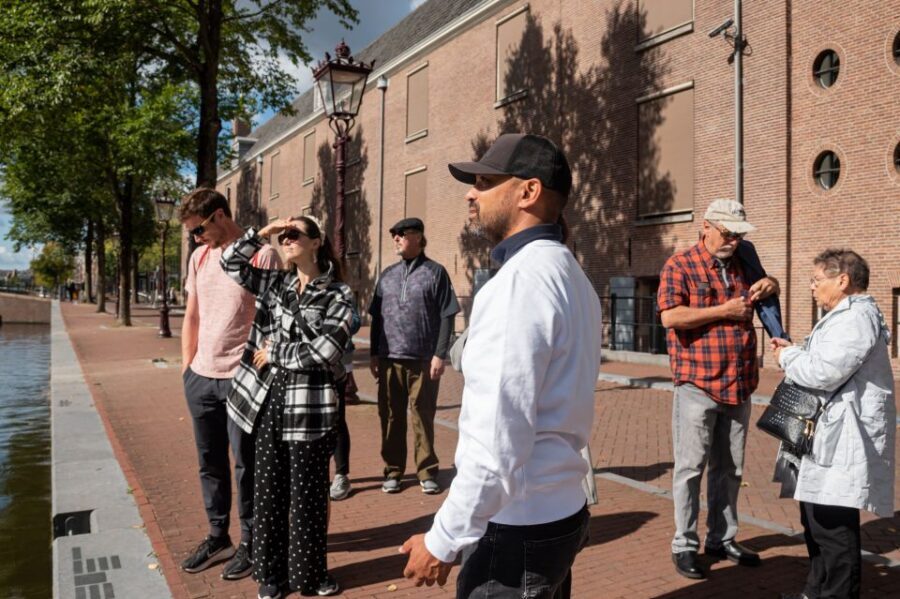
After the heavier memorial stops and the Jewish Quarter walk, the tour continues with an area around the Grachtengordel. This part can feel like a reset, not in tone but in sensation—you move from landmarks of remembrance back into the flowing fabric of Amsterdam.
The value here is that the city doesn’t freeze after the war. Amsterdam continued, rebuilt, and carried memory forward. Seeing that transition helps you understand why memorials and historic neighborhoods are still part of everyday city life, not sealed behind museum walls.
If you’ve been thinking only in terms of history dates, this segment helps you return to the present with a better read on the place.
What I Think About the Guides and Group Setup

This experience is guided by a local team, with English and Spanish options, and you can choose private or small groups depending on the option you select. That matters more than you might think on a serious subject, because pacing and question time can change how well the material lands.
From the guide names that show up frequently—James, Aaron, Pilar, Polar, and Masha—you can tell the emphasis is on clear storytelling and a respectful tone. Several guides are described as balancing sensitivity with engagement, and answering questions patiently. That balance is exactly what you want when you’re learning about Holocaust-era history.
The tour also appears to move at a pace that works for different ages and group styles. It’s guided, not a free-for-all, so you don’t have to worry about figuring out the route while processing heavy content.
Price and Value: $24 for a Focused, High-Impact Walk
At $24 per person for about 2 hours, this tour sits in the “good value” zone for Amsterdam walking history. You’re not paying for a full-day museum ticket stack. You’re paying for a guide who can connect multiple locations into one story you can remember.
The biggest value signal is concentration. You visit major sites connected to WWII and Jewish history in Amsterdam—Portuguese Synagogue area, Jewish Historical Museum zone, Auschwitz Monument, Dokwerker, and the Hollandsche Schouwburg memorial—without spending all day on transport.
One caution for budgeting: the tour doesn’t include food and drinks. Also, it doesn’t include Anne Frank House entrance, so if that’s on your must-do list, you’ll likely want to plan that ticket separately.
Even with those caveats, the price still feels reasonable for the amount of guided historical context you get in a short timeframe.
Practical Tips Before You Go
This is an easy tour to underestimate because it’s only 2 hours. Don’t. You’ll be covering multiple stops, and some of them are memorial spaces where you’ll want a moment to stand, read, and absorb.
Bring comfortable shoes. The weather can turn on you in Amsterdam, and you don’t want blisters to distract from the story.
Also, since the meeting point can vary depending on what you book, make sure you check the exact location before heading out. The tour is tight enough that showing up late can cut off part of the guided flow.
Who This Tour Is Best For
This tour is a strong fit if you want:
- WWII and Holocaust-era sites connected directly to Amsterdam’s Jewish history
- a walk that mixes well-known names like Anne Frank with less-famous local markers
- a guided structure that helps you understand the city instead of just taking photos
It may not be the best fit if you’re looking for a light, casual stroll or if you mainly want Anne Frank House specifics. Since the tour does not include that entrance, you’d need another plan for the Anne Frank House visit.
Should You Book It?
Yes, if you want an efficient, high-impact way to understand Amsterdam’s Jewish Quarter during the Nazi occupation. This is the kind of tour that makes the city feel more honest: canals and bricks, but also history that happened right here.
Book it if you’re open to a serious subject presented with care and clear guidance. And do it with one plan in mind: treat this as your neighborhood context tour, then decide separately whether Anne Frank House is the next step.
FAQ
FAQ
How long is the Amsterdam: Anne Frank and Jewish Quarter Tour?
It lasts about 2 hours.
How much does the tour cost?
The price is listed as $24 per person.
Does the tour include entry to the Anne Frank House?
No. The tour does not include tickets or entrance to the Anne Frank House.
Where does the tour meet and where does it end?
The meeting point may vary depending on the option booked. There are also drop-off locations listed, including Hermitage Amsterdam.
What languages are available for the live guide?
The live tour guide is available in English and Spanish.
Is this tour a private or small group experience?
Private or small groups are available, depending on the option you select.
What should I bring with me?
Wear comfortable shoes, since it’s a walking tour.
Can I cancel if my plans change?
Free cancellation is offered up to 24 hours in advance for a full refund.