REVIEW · AMSTERDAM
Amsterdam: Haunted History and Ghost Walking Tour
Book on GetYourGuide →Operated by Empire Tours and Productions (Amsterdam) · Bookable on GetYourGuide
Amsterdam gets under your skin. This 2-hour ghost walking tour threads together witch-trial era cruelty, prison sorrow, and Enlightenment-era science through real stops in the city center. You start at Dam Square and move step by step through places that feel heavy even in daylight.
I like how the tour gives you stories with specific locations, not vague spooky talk. I also love the guide energy I’ve seen in the reviews, with people like Sunil, Duncan, and Jan bringing humor and a real sense of place to the walk. The main drawback to keep in mind: this can feel more like history with haunted flavor than jump-scare paranormal theatre.
If you’re expecting big supernatural events, choose your mindset accordingly. If you want the darker side of Amsterdam’s past explained at street level, you’ll likely have a great night walk.
In This Review
- Quick hits: what makes this ghost walk worth your time
- Meeting at Dam Square: the walk starts in the loud heart
- Nieuwe Kerk and its crypts: royal ceremony meets restless stone
- Spinhuis: Amsterdam’s former women’s prison at dusk
- Begijnhof: a quiet courtyard where a nun’s punishment lingers
- Blood Street: violence history you can step onto
- Purgatory of the Waag: Enlightenment science with a ghostly edge
- How the guide style shapes the scare level
- What it’s like as a 2-hour walk: pacing, weather, and group feel
- Is $30 good value for this Amsterdam haunted history route
- Who should book this tour (and who might want a different option)
- Should you book this Amsterdam Haunted History and Ghost Walking Tour?
- FAQ
- Where does the tour start?
- How long is the Amsterdam Haunted History and Ghost Walking Tour?
- How much does it cost?
- What language is the tour guide speaking?
- What does the tour include?
- Is food or drinks included?
- Which sights are covered on the route?
- Is the tour wheelchair accessible?
- Is there free cancellation?
- What’s the best time to go if you want a spookier mood?
Quick hits: what makes this ghost walk worth your time
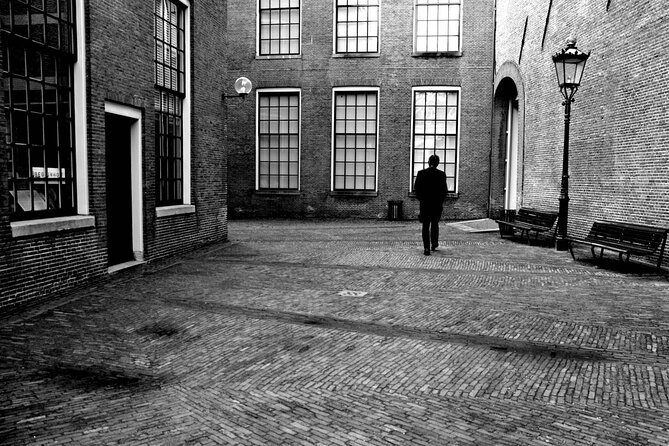
- Dam Square to the Nieuwe Kerk: start in the loud heart of the city, then shrink into echoes and crypts
- Spinhuis women’s prison: a former prison story with strong emotional weight at dusk
- Begijnhof nun’s vow: a tragic tale tucked inside a calm courtyard that turns unsettling
- Blood Street cobblestones: centuries of violence mapped onto streets you can actually walk
- Purgatory of the Waag: Enlightenment curiosity, dissection, and restless “afterlife” storytelling
Meeting at Dam Square: the walk starts in the loud heart

Your tour begins at Dam Square, meeting in front of Hotel Krasnopolsky, behind the monument. It’s a good location for orientation because you’re in the center of Amsterdam where you can easily spot the group and connect the walk to the city you’ll see later on.
Dam Square is also a smart staging point for a haunted history theme. You’re surrounded by the city’s public face first, then the stories slowly pull you away from what’s polished and into what was once frightening, punished, and hidden.
The tour is listed as a 2-hour walking route, so expect a steady pace. In wetter months, like the reviews mention in cold, rain-heavy periods, warm layers and waterproof shoes matter.
You can also read our reviews of more walking tours in Amsterdam



Nieuwe Kerk and its crypts: royal ceremony meets restless stone
The first big stop is the Nieuwe Kerk (New Church). Here, the tour plays with contrast: you’ll hear how the space holds royal ceremony echoes, then shift toward the darker idea of what’s stored below.
The standout part of this stop is the focus on crypts and vaults—the idea that notable figures aren’t just “in history,” they’re literally present in the architecture. Even if you’re not a hardcore ghost-tour person, that kind of physical connection makes the storytelling land.
A practical note: churches can feel colder than you expect. If you run hot, bring layers you can peel off as you move back outside and the walking warms you up.
Spinhuis: Amsterdam’s former women’s prison at dusk
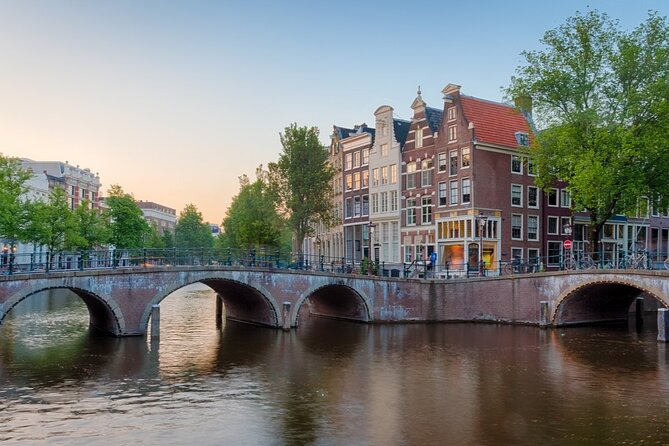
As dusk arrives, the tour moves into one of the most emotionally heavy locations: the Spinhuis, described as a former women’s prison steeped in sorrow and despair. This is where the atmosphere tends to feel the most “real,” because the story is built around confinement, punishment, and the suffering of the people inside.
The route guidance highlights the way you stand among echoes of anguish, with the tone shifting from “spooky tales” to something closer to historical mourning. If you like tours that explain why Amsterdam became what it was—through systems of justice, religion, and social control—this section delivers.
This is also a good moment to pay attention to what the guide chooses to emphasize. Some guides put extra focus on the broader historical context, while others lean more into the ghostly framing. Either way, Spinhuis is the emotional center of the walk.
Begijnhof: a quiet courtyard where a nun’s punishment lingers
Next comes the Begijnhof, a calm courtyard hiding a tragic tale tied to a nun condemned for breaking her vows. The setting matters: Begijnhof is known for stillness, so when the story turns tragic, the contrast can feel unsettling fast.
The tour’s framing focuses on the nun condemned to wander in silence for her vow breaking, which gives the experience a specific kind of haunting: not loud or theatrical, but persistent. That matches the courtyard’s mood. You end up listening more than you would on a louder “scare-first” tour.
If you’re taking photos, don’t get so focused on the screen that you miss the explanation. Courtyard details can seem ordinary until a guide connects them to the story’s emotional logic.
Blood Street: violence history you can step onto
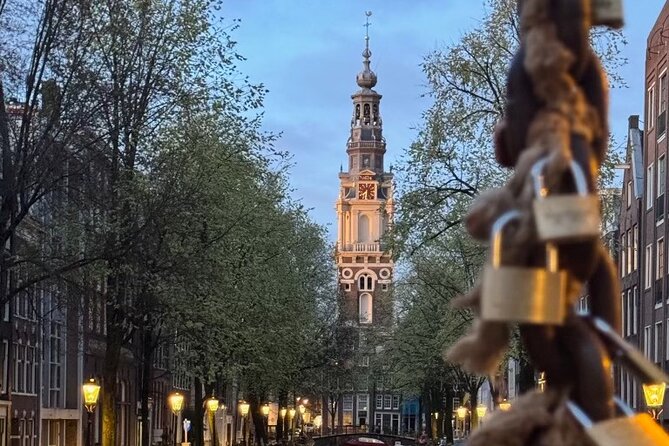
Then the walk takes a darker turn into Blood Street, where centuries of violence echo through the cobblestones. This section isn’t just about a ghost story. It’s about how the city’s narrow lanes held real-life danger and brutality.
The tour specifically points you to the sense of violence embedded in the alleyway and the kind of tales tied to murder and mayhem. Even if you keep a skeptical mindset, the real value here is learning how Amsterdam’s street names and street spaces reflect past events.
Practical tip: wear shoes with solid grip. Blood Street and nearby lanes are cobbled, and in damp weather they can be slick. You’ll be glad you can stay focused on the story instead of correcting your footing.
You can also read our reviews of more historical tours in Amsterdam






Purgatory of the Waag: Enlightenment science with a ghostly edge
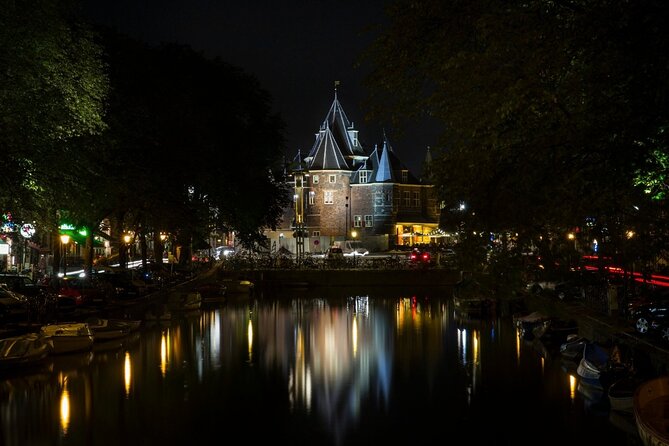
Your final stop is the Purgatory of the Waag. This is where the tour flips the “haunted” idea into something more unusual: scientific curiosity mixed with restless souls tied to dissection within its walls.
The Age of Enlightenment theme changes the flavor of the haunting. You’re not just dealing with punishment for beliefs or crimes; you’re dealing with the era’s questions about the body, knowledge, and what people were willing to do in the name of progress. That makes this stop fascinating even for non-ghost fans.
What I like most about ending here is the shift from personal tragedy to public ambition. It helps the tour feel like a single thread through time, not disconnected scary stories.
How the guide style shapes the scare level
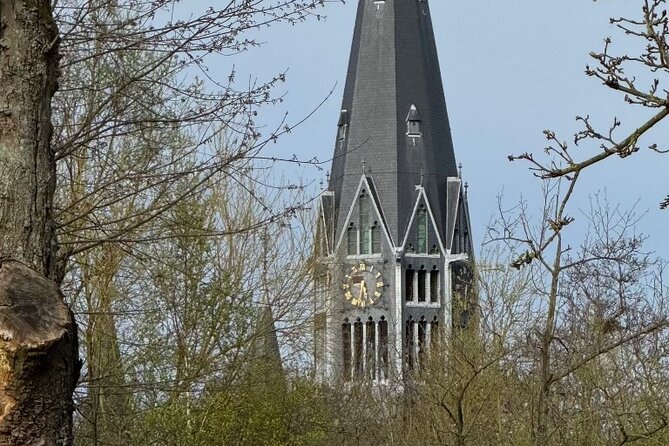
One reason this tour earns such high marks is the human factor: guides bring personality, pacing, and comedy into what could otherwise be grim storytelling. Reviews repeatedly mention Sunil and Duncan, along with Jan and others, as guides who keep people engaged and answer questions.
A few reviews also note that some guides keep the tone more history-driven than ghost-driven. One example mentioned Duncan as a ghost skeptic, which can change the balance: you might get fewer “paranormal claim moments” and more context, places, and the why behind each story.
That said, there’s still a strong haunted presentation throughout the route. The best approach for you is to treat the supernatural framing as a storytelling lens, not a promise of supernatural proof.
What it’s like as a 2-hour walk: pacing, weather, and group feel
This is a compact itinerary, but it’s not a quick drive-by. You’re moving between multiple central landmarks, and you spend enough time at each stop for the story to make sense with the surroundings.
Group size can affect your experience. Some reviews mention very small groups, even two people, which means you get more chances to ask questions and get extra detail. You can’t count on that happening every time, but the format supports it when the group is small.
Weather is also part of the reality here. Reviews reference cold and wet conditions, and the tour is still rated highly despite rain. Plan for it: a light waterproof layer and warm hat can make the difference between tolerating the walk and enjoying it.
Is $30 good value for this Amsterdam haunted history route
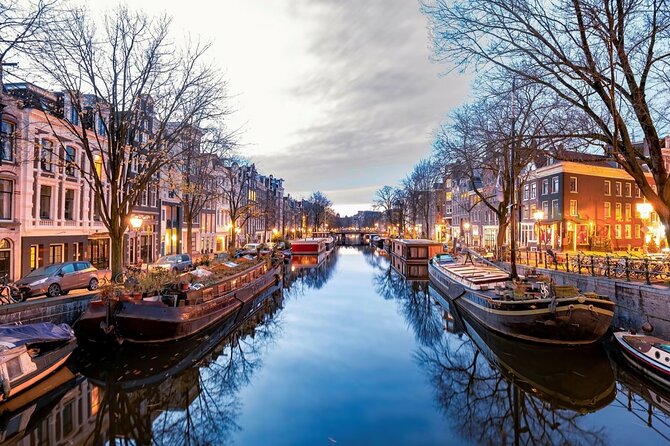
$30 for a 2-hour guided walking tour is a fair price for what you’re getting: a live guide and storyteller, plus a structured path through Dam Square, multiple historic sites, and an ending that ties together royal ceremony, prison life, religious punishment, street violence, and Enlightenment science.
The “value” isn’t just the price tag. It’s the way the tour helps you see Amsterdam as a layered place. Without a guide, you can walk past a courtyard, a church, and a street name and never connect them to what happened there.
Also, because there’s no food included, you can control your own timing. If you want dinner afterward, you’ll be free to choose based on what’s nearby rather than fitting into someone else’s schedule.
Who should book this tour (and who might want a different option)
This tour is a strong match if you:
- want a fast way to learn dark Amsterdam history without sitting in a museum all evening
- like storytelling that explains how places became what they are now
- enjoy walks where the route includes both big landmarks and quieter courtyards
You might want to pick a different kind of tour if you’re looking for frequent, high-intensity paranormal moments. The experience is built more around history anchored to locations than around repeated supernatural effects.
If you like balance—spooky tone plus context—this is the kind of tour that can make your whole Amsterdam trip feel more layered.
Should you book this Amsterdam Haunted History and Ghost Walking Tour?
Yes, with the right expectations. If you want the darker side of Amsterdam explained in an engaging way while you’re actually standing on the streets tied to those stories, this is a solid pick. The guides (people like Sunil, Duncan, and Jan show up often in reviews) seem to handle both pacing and audience questions well, and the itinerary hits the most interesting emotional beats.
Skip it only if you need a pure ghost-experience with lots of dramatic supernatural encounters. If you’re open to history that feels eerie because it’s tied to real places, you’ll likely enjoy this one a lot.
FAQ
Where does the tour start?
The tour meets in front of Hotel Krasnopolsky, behind the monument at Dam Square.
How long is the Amsterdam Haunted History and Ghost Walking Tour?
It runs for 2 hours.
How much does it cost?
The price is $30 per person.
What language is the tour guide speaking?
The live tour guide speaks English.
What does the tour include?
It includes a walking tour and a guide/storyteller.
Is food or drinks included?
No. Food and drinks are not included.
Which sights are covered on the route?
The tour includes Dam Square and stops at the Nieuwe Kerk, Spinhuis, Begijnhof, Blood Street, and the Purgatory of the Waag.
Is the tour wheelchair accessible?
Yes, the tour is listed as wheelchair accessible.
Is there free cancellation?
Yes, free cancellation is available up to 24 hours in advance for a full refund.
What’s the best time to go if you want a spookier mood?
The tour description suggests the Spinhuis portion happens as dusk descends, so later slots generally fit the spooky mood better.