REVIEW · AMSTERDAM
Amsterdam in World War II Tour
Book on Viator →Operated by Slagveldreizen.nl · Bookable on Viator
Amsterdam’s WWII story is written into streets.
This tour is interesting because you connect Jewish history and German occupation to real corners of the city, then end at a moving Holocaust names monument. I love the small group size (max 8) and the way retired historians bring the details together with period photos and Q&A energy.
Two things I really like: you get a guided route that helps you avoid getting lost in a big city, and you’ll stop at emotionally important places without it turning into a rushed checklist. One drawback to think about: the subject matter is heavy, and this is mostly walking, so you’ll want a calm mindset and comfortable shoes.
In This Review
- Key Highlights (What Makes This Tour Worth Your Time)
- Amsterdam in WWII: Why This Walk Matters
- Small Group, Retired Historians, and a Pace You Can Handle
- Stop-by-Stop: Anne Frank Exterior, Magna Plaza, and Dam Square
- Stop 1: “Amsterdam” — the longest stretch (about 2.5 hours)
- Stop 2: Anne Frank House — outside only (10 minutes)
- Stop 3: Statue of Multatuli (10 minutes)
- Stop 4: Magna Plaza — wartime post office (5 minutes)
- Stop 5: Nieuwe Kerk area story (5 minutes)
- Stop 6: Dam Square — May 7, May 4, and the memorial story (25 minutes)
- Stop 7: Sofitel Legend The Grand Amsterdam — wartime city hall (5 minutes)
- Ending: National Holocaust Names Monument
- Price, Timing, and Practical Value at $46.44
- Who Should Book (and Who Might Want a Different Option)
- Should You Book This Amsterdam in World War II Tour?
- FAQ
- How long is the Amsterdam in World War II tour?
- How many people are in the group?
- Where does the tour start and end?
- What time does the tour begin?
- Is Anne Frank House included?
- Are admissions included for the stops?
- What’s included in the ticket price?
- Is coffee or tea included?
- Is transportation needed during the tour?
- Can I cancel if plans change?
- Is the tour dependent on weather?
Key Highlights (What Makes This Tour Worth Your Time)
- Max 8 people means you can hear well and ask questions while walking
- Retired historians guide the story, with period photos and practical pacing
- Anne Frank House exterior only keeps the focus on context, not just the museum
- WWII clues at iconic landmarks like Dam Square and Magna Plaza
- Slow-walk pace helps you keep up for a full 3 to 3.5 hours
- Finish at the National Holocaust Names Monument for a strong closing note
Amsterdam in WWII: Why This Walk Matters
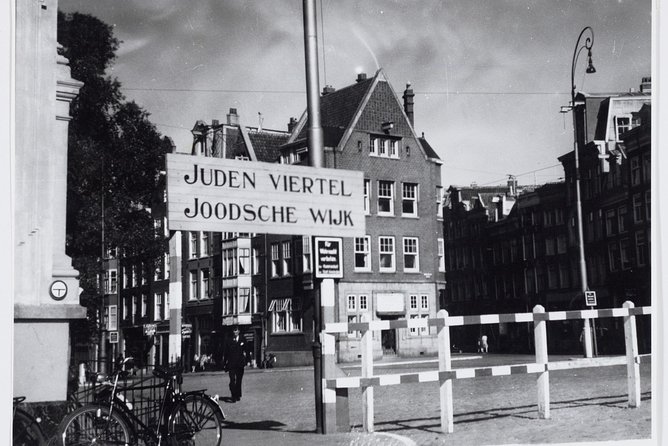
Amsterdam doesn’t feel like a museum when you walk it this way. You’re not just looking at pretty buildings; you’re tracing how the German occupation shaped daily life, especially for Jewish residents. The tour also treats Jewish heritage as part of the city’s present story, not only a tragic chapter in the past.
I like that the route includes both well-known landmarks and lesser-stated connections. You’ll hear why places like Magna Plaza and Dam Square mattered during 1940–45, then you end at a Holocaust remembrance site that ties personal names to public history.
If you’re visiting Amsterdam for the first time, this is a smart way to get your historical bearings. It also makes your later sightseeing more meaningful, because you’ll recognize what you’re seeing and why it was there in wartime.
You can also read our reviews of more tours and experiences in Amsterdam.
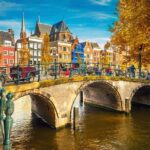


Small Group, Retired Historians, and a Pace You Can Handle
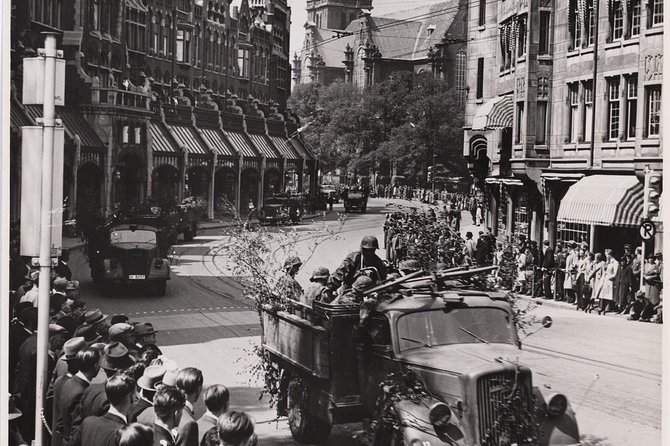
This is a walking tour with a maximum of 8 travelers, and it runs about 3 to 3.5 hours. The pace is described as slow, and in practice that matters. When a tour moves fast, you end up reading signs instead of absorbing stories. Here, you can actually follow along.
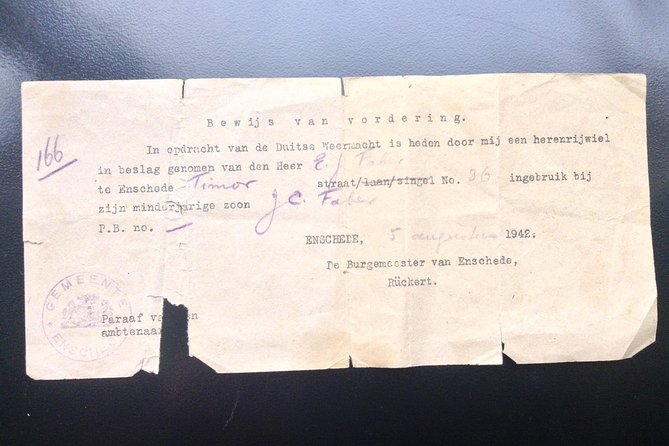
The guiding style is also a big part of the value. This tour is led by three retired historians who have a passion for the German occupation of the Netherlands. In feedback from past groups, guides have brought photos from the period, maps, and even handouts, which helps you picture what they’re describing while you’re standing in the modern street.
I also appreciate that the small size makes it easier to ask questions without being pushed along. People mention getting answers that go beyond the basics, including names and context tied to the sites.
Stop-by-Stop: Anne Frank Exterior, Magna Plaza, and Dam Square
The route starts at Prinsengracht 263 (9:30am) and ends at the National Holocaust Names Monument (near the Portuguese Synagoge and not far from the city hall area). Plan on slow walking, with stops that range from quick storytelling moments to a longer first stretch.
Stop 1: “Amsterdam” — the longest stretch (about 2.5 hours)
You spend the bulk of the tour looking at important Amsterdam sites and monuments connected to the Nazi occupation (1940–45). This is where the guide sets the framework so the later stops hit harder. If you only catch a few things, catch this section—it’s the narrative spine of the whole experience.
This part is 2 hours 30 minutes and listed as free admission. Translation: you’re paying for the story and guidance, not ticket time at a museum.
Stop 2: Anne Frank House — outside only (10 minutes)
You begin outside Anne Frank House and get the story about the German attack and Jewish refugees. Important detail: you do not visit the museum. That means you avoid the “wait in line, then read labels” rhythm and instead get the context first.
Admission here is not included, but since you’re not entering, that matters mostly for your own expectations. You’re there for the setting and the explanation.



Stop 3: Statue of Multatuli (10 minutes)
This short stop happens in the Raadhuisstraat and on the bridge over the Singel. The point is to show how Amsterdam has changed since after WWII. It’s a useful pause in emotional intensity, because it shifts from occupation facts to how the city moved forward visually and socially.
Stop 4: Magna Plaza — wartime post office (5 minutes)
At Magna Plaza, you learn it was the post office in Amsterdam during WWII. The story includes that Dutch postmen were executed by the Germans. This is brief in time, but heavy in meaning.
If you’re sensitive to intense topics, this is exactly the kind of stop where your mindset matters. I’d treat it as a moment to listen fully, not to multitask.
Stop 5: Nieuwe Kerk area story (5 minutes)
At Nieuwe Kerk, the tour connects WWII history to the street between the Royal Palace and the New Church: Mozes en Aäronstraat. It’s one of those “you’d miss it if you weren’t told” moments, where the location does real historical work.
It’s short, but it shows how wartime stories can be threaded through normal-looking routes.
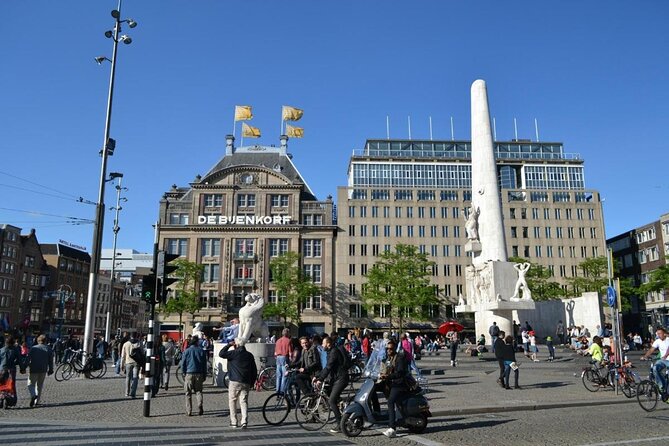
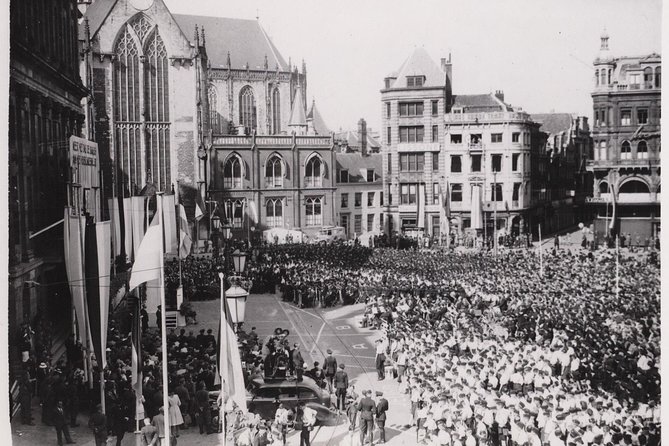
Stop 6: Dam Square — May 7, May 4, and the memorial story (25 minutes)
Dam Square is the heart of Amsterdam, and during the occupation a lot happened there. You get multiple WWII-linked storylines, including:
- a shooting incident on May 7, 1945, two days after the German surrender
- recruitment in Dam Square for the crusade against Bolshevism
- Remembrance Day May 4 and the story about the WWII monument
This is the longest storytelling stop after the opening stretch, and it’s the one most people recognize. The time here gives the guide room to connect dates, events, and why this square functions as a public memory space.
Stop 7: Sofitel Legend The Grand Amsterdam — wartime city hall (5 minutes)
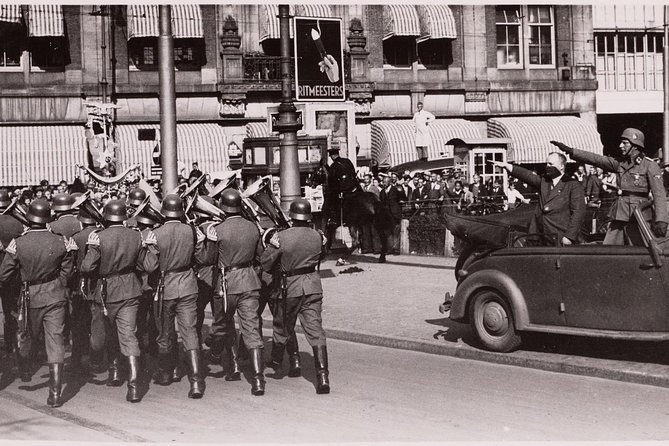
Near the Sofitel Legend The Grand Amsterdam, the tour points out that the hotel was the City Hall in WWII. You’ll hear that German troops were welcomed by Dutch civil servants on May 15, 1940.
It’s a quick hit, but it’s a reminder that the occupation wasn’t only fought at battlefronts. It also showed up in official buildings and ceremonies.
Ending: National Holocaust Names Monument
Your tour finishes at the National Holocaust Names Monument, close to the Portuguese Synagogue area. This end point matters because you leave the tour where remembrance becomes specific: names, not only dates.
Price, Timing, and Practical Value at $46.44
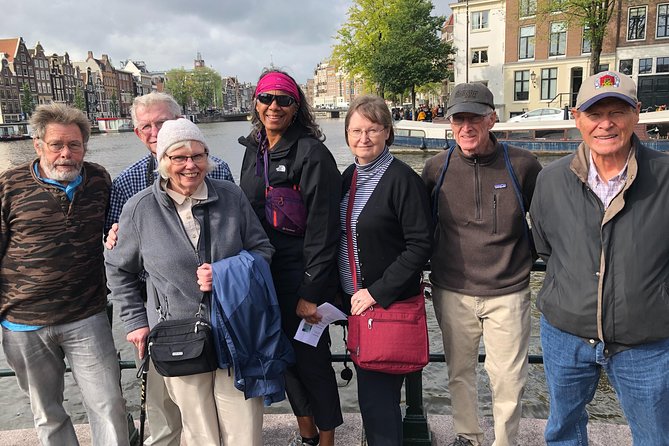
The price is $46.44 per person, and the tour runs 3 to 3.5 hours with a guide. You’re paying for two things: expert storytelling from retired historians, and a walking route that strings together multiple sites you’d otherwise have to research alone.
What makes the pricing feel fair is the mix of paid and free time. Several stops are marked free admission, and the only real paid-ticket complication is the Anne Frank House museum—which you don’t enter on this tour. So you’re not forced into extra ticket budgeting to get full value.
Also, small-group tours are easier on your schedule and your attention. When you’re capped at 8 people, you spend less time waiting and more time listening. And with a walking pace described as slow, you’re less likely to feel like you need to sprint to keep up.
One practical note: this experience is said to require good weather. If the day is miserable, you may want a flexible mindset.
Who Should Book (and Who Might Want a Different Option)
This tour is a strong fit if you:
- want an Amsterdam in WWII overview anchored in real places
- care about Jewish heritage and the occupation story
- like guided walks where you can ask questions
It’s also a good choice if you’re short on time and want a focused route—from Anne Frank House exterior to Dam Square, then ending at the Holocaust names monument.
It might feel like too much for you if you want a lighter, purely sightseeing day. This is intentionally serious. You’ll hear stories involving executions, refugees, and wartime violence, and the tour is designed to keep those events central.
If you’re coming from another part of the city, plan to meet at Prinsengracht 263 and wear shoes you trust. The walking is slow, but it still adds up.
Should You Book This Amsterdam in World War II Tour?
I think you should book it if your Amsterdam plans include history you can actually stand inside. The format is small, the time is well used, and the route covers key locations without turning the Anne Frank House visit into a museum-only experience. You’ll also get a thoughtful ending at the National Holocaust Names Monument, which lands the message in a way that’s hard to replicate on your own.
If you prefer heavy history only in museums, this might not be your style. But if you want the city to explain itself through guided storytelling, this is a very solid choice.
FAQ
How long is the Amsterdam in World War II tour?
It runs about 3 hours to 3 hours 30 minutes, with a slow walking pace.
How many people are in the group?
The tour has a maximum of 8 travelers.
Where does the tour start and end?
It starts at Prinsengracht 263, 1016 GV Amsterdam and ends at the National Holocaust Names Monument, 1018 DP Amsterdam.
What time does the tour begin?
The start time is 9:30am.
Is Anne Frank House included?
You start outside Anne Frank House and hear the story. The museum is not visited, and museum admission is not included.
Are admissions included for the stops?
Most stops are listed with free admission. Anne Frank House is listed as not included, and the other stops are free.
What’s included in the ticket price?
The ticket includes a guided tour.
Is coffee or tea included?
No. Coffee and/or tea are not included.
Is transportation needed during the tour?
The tour is a walking route, and private transportation is not included.
Can I cancel if plans change?
Yes, there is free cancellation up to 24 hours in advance for a full refund. If you cancel later than that, the amount you paid will not be refunded.
Is the tour dependent on weather?
Yes. It requires good weather, and if it’s canceled due to poor weather, you’ll be offered a different date or a full refund.