REVIEW · AMSTERDAM
Amsterdam: Red Light District guided tour (TOP RATED)
Book on Viator →Operated by Trigger Tours · Bookable on Viator
Amsterdam can feel like a puzzle at first.
This Amsterdam Red Light District guided tour helps you put the pieces together fast, with a local guide explaining what you’re seeing, why it exists, and how the city handles it. I especially like the small-group size (up to 15), which makes it easier to hear your guide and ask questions, even when the streets are busy. You’ll also get practical context you won’t get from a quick wander—rules, boundaries, and the way the area connects to Amsterdam’s broader story.
I also love that the walk stays respectful and focused, even when the subject matter gets personal—guides like Ben and Robin are known for setting a tone that feels appropriate for the people who work there. One possible drawback: this is still a walking tour in a sensitive area, and it’s not recommended for limited mobility, plus it depends on good weather.
In This Review
- Key takeaways before you go
- Entering De Wallen the right way: what this tour helps you understand
- Starting at Damrak and keeping things manageable in 2 hours
- De Wallen (Amsterdam’s Red Light District): the sights plus the rules
- The Dam and Amsterdam’s wooden foundation story: why the city literally stands on poles
- Old Town flavor: the oldest area you’ll pass through
- Pub The Ape (Int Aepjen): wooden buildings and the 1452 fire
- Waag: an old city gate turned working space for crafts
- The smallest house and the VOC connection
- The condom shop stop: modern commerce shaped by 1980s openness
- Coffee shop culture and a nightlife walk with dignity
- Who’s this tour best for (and who might not love it)
- Price and value: what $34.17 buys you
- Small-group comfort: how guides keep it fun and safe
- Should you book this Amsterdam Red Light District guided tour?
- FAQ
- Is this tour in English?
- Where does the tour start and end?
- How long is the tour?
- How much does it cost?
- Is the group size limited?
- What’s included in the tour price?
- What is not included?
- Do I need to bring a ticket on my phone?
- Is admission included?
- Is the tour dependent on weather?
- What’s the cancellation rule?
Key takeaways before you go
- Small-group pace: up to 15 people, so you’re not yelling over the crowd
- Local perspective on laws: you learn how rules and boundaries work around the district
- De Wallen with context: you see the sights and also get the why behind them
- Old-town stops: you mix Red Light District sights with nearby history like the Waag and wooden buildings
- Night makes it alive: the evening timing can feel more active than daytime
Entering De Wallen the right way: what this tour helps you understand
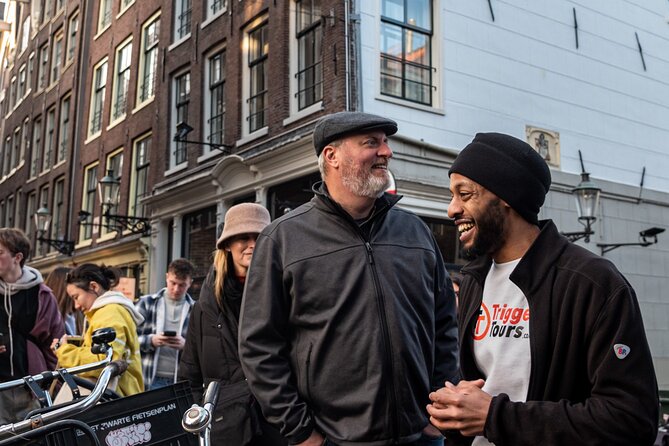
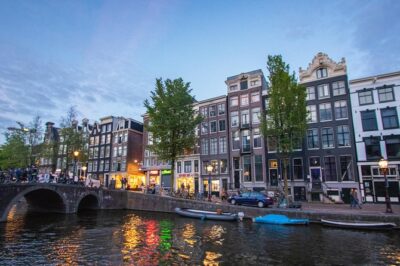
If you’re visiting Amsterdam for the first time, the Red Light District can hit you all at once—lights, narrow streets, and a vibe that’s totally different from the canals you’ve been admiring. I like that this tour doesn’t treat the area like a theme park. Instead, you get a local-guided explanation of what you’re seeing and how the city manages it.
The biggest value is context. You start to understand why Amsterdam’s approach is so specific—laws, boundaries, and the city’s long trade-and-tolerance story. That means you leave with better instincts for what’s worth noticing, what to ignore, and how to move through the neighborhood without awkwardness.
You can also read our reviews of more guided tours in Amsterdam


Starting at Damrak and keeping things manageable in 2 hours

You begin and end at Damrak. That’s convenient because Damrak is one of those central areas where you can usually connect easily to public transit. The tour runs about 2 hours, so it fits into a first trip without eating your whole evening.
Because the group is kept to a maximum of 15, the pace stays human. You’re walking through narrow streets where bikes and pedestrians mix, and it helps to have a guide controlling flow. One thing guides specifically remind people about: the fast bicycle traffic, which is a real factor in Amsterdam and worth taking seriously when you’re focused on what’s around you.
Bring comfortable shoes. You’ll be on foot for most of the time, and the streets in this part of town are exactly the kind that make you appreciate good grip and a steady stride.
De Wallen (Amsterdam’s Red Light District): the sights plus the rules
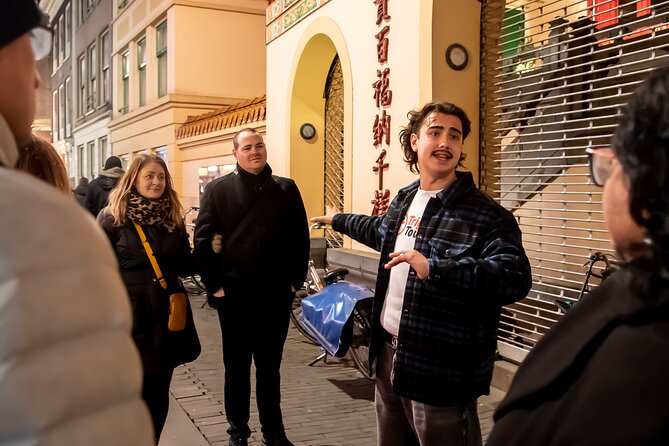
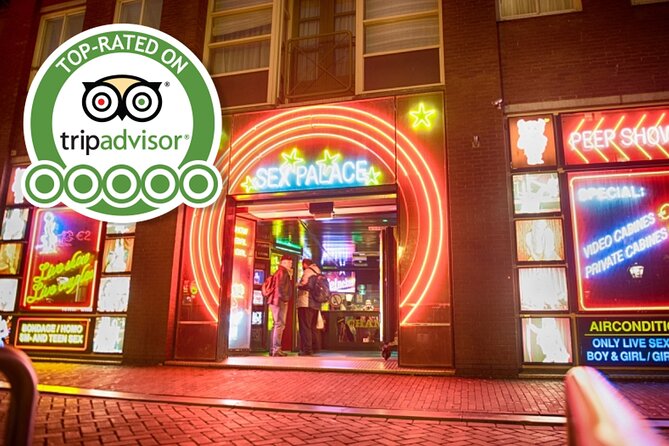
The core part of the experience is a walk through De Wallen, the district everyone references when they talk about Amsterdam’s Red Light District. What makes this stop useful is that the guide doesn’t just point at scenes. You learn the area’s history and its current situation, and you also learn how laws and local regulations shape what you see.
This matters because without context, it’s easy to turn your visit into staring or guessing. With a guide, you get boundaries and cultural notes that help you stay respectful. More than once, guides are praised for handling sensitive topics with dignity—especially toward the people who work in the area. That tone changes the entire experience.
You’ll also get a wider look at Amsterdam’s adult nightlife culture, including coffee shop culture. The point isn’t to turn this into a party. It’s to show how these parts of Amsterdam overlap in real life—and how the city thinks about them.
The Dam and Amsterdam’s wooden foundation story: why the city literally stands on poles
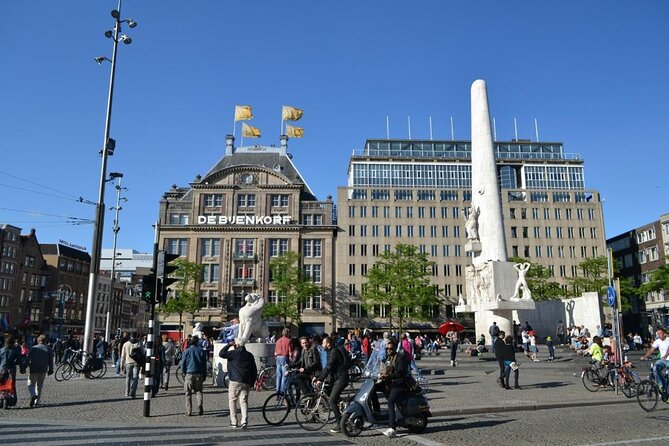
One of the most interesting “wait, what?” stops is about the Dam, and how Amsterdam is “built on trees.” The explanation goes to the root cause: Amsterdam’s ground includes thick layers of fen and clay, so traditional foundations weren’t stable enough for the city’s growth.
Instead, older buildings were constructed on wooden foundation piles driven deep into clay, peat, and water until they hit a deeper layer of solid sand—about 11 meters down. This stop is a great reminder that Amsterdam’s famous look isn’t just a postcard style. It’s engineering, history, and adaptation.
Even if you’re mainly there for De Wallen, I like tying the district into the city’s physical reality. It makes the tour feel smarter and more “Amsterdam” than just a narrow red-light-focused walk.
Old Town flavor: the oldest area you’ll pass through
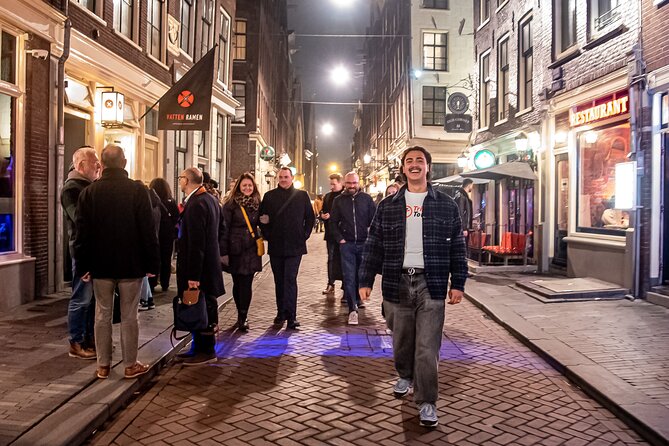
This walk also touches the Old Town area of Amsterdam, which is the older core where you run into layers of history in the street layout and the buildings. It’s one of those moments where the neighborhood starts to feel like an actual living place, not just an attraction.
You’ll notice how close different eras sit side-by-side—medieval gate-related structures, centuries-old buildings, and the modern regulations that shape daily life now. That’s part of why the tour works as a first-timer orientation. You’re not only learning about the Red Light District—you’re learning how Amsterdam grew around it.






Pub The Ape (Int Aepjen): wooden buildings and the 1452 fire
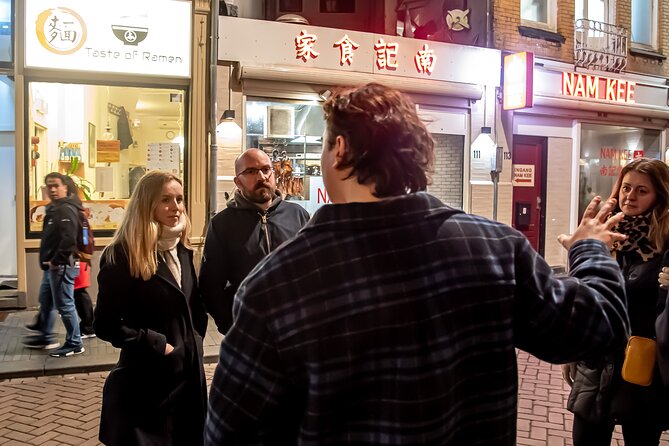
A standout stop is Pub The Ape, also known as Int Aepjen in Dutch. It’s built around 1540 and is described as one of the last remaining wooden buildings in Amsterdam—one of only two still left.
What gives it extra punch is the story around why wooden facades became less common. After a major fire in 1452, authorities pushed for brick facades. So when you stand in front of a surviving wooden structure, you’re looking at a rare survivor from a stricter building era.
This stop does two useful things for you. First, it helps you separate “what you see” from “what you’re missing.” Second, it shows how the city’s past disasters directly changed the look of the streets you’re walking today.
Waag: an old city gate turned working space for crafts
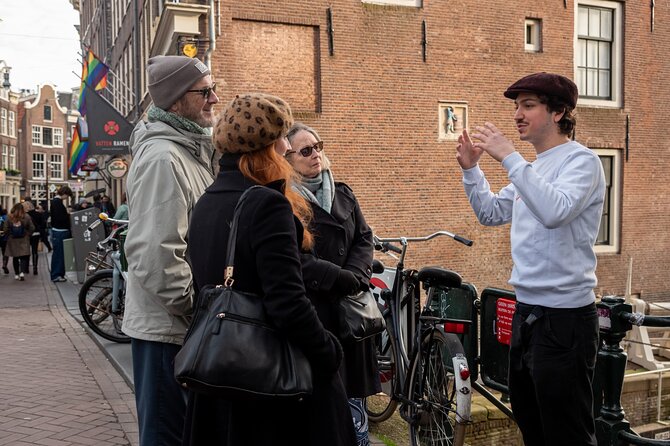
You’ll also see the Waag, which used to be one of Amsterdam’s city gates. It was built around the 1400s and is noted as one of the oldest buildings in Amsterdam.
Originally tied to defense as a gate, the Waag later became a place where guilds and craftsman’s organizations set up within the Waag and around the square. That’s a strong example of Amsterdam’s trading and work culture—how places evolved based on what the city needed at the time.
I like this stop because it keeps the tour from feeling like isolated adult entertainment. It keeps pulling you back to how Amsterdam historically functioned: trade, guilds, building power, and public spaces.
The smallest house and the VOC connection
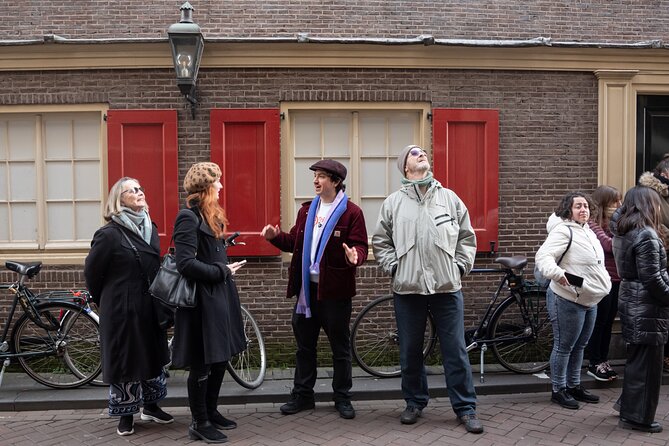
Another fun historical moment is the smallest house of Amsterdam, built around the 1700s. The tour frames it through the city’s trading story: it was first used as storage for the VOC trading company, and later people lived there for a long time.
That’s a neat contrast for you. You’re walking through De Wallen expecting one story, but you keep bumping into Amsterdam’s global trade past. It helps you understand how a city with massive wealth from seafaring trade became the place that later developed such a distinctive, law-driven tolerance culture.
And honestly, this sort of stop is why a guided walk is worth it. Without a guide, you’d maybe notice a doorway or a plaque and then move on.
The condom shop stop: modern commerce shaped by 1980s openness
One of the more surprising stops is about what’s described as the world’s first condom shop special for condoms, in place since 1987. You can get different types, including size-customized condoms and specialty options.
This isn’t just a random detour. It ties directly into the tour’s broader point: Amsterdam’s approach to adult topics often comes with practical, regulated, visible commerce rather than hiding in the shadows. The tour uses the condom shop as a concrete example of that mindset.
If you’re the kind of person who likes seeing the real-world version of a cultural reputation, this stop will give you a clear answer you can remember later.
Coffee shop culture and a nightlife walk with dignity
The tour also brings in coffee house culture, not as a dare but as part of the broader urban picture. In the write-ups from guides, there’s a consistent theme: the best experience is calm, respectful, and curious.
Guides like Ben and Robin get praise for giving a history overview while also keeping the tone appropriate for workers in the area. Other guides—like Andrea, Aarre, and Catherine—are described as funny, engaging, and patient with questions. Catherine’s name comes up with praise for discussing the workers’ career in a way that felt respectful and human.
If you’ve heard mixed things about Amsterdam’s Red Light District, this tour approach helps you cut through the noise. You get the straight story about how the district developed, how the city regulates it, and what visitors should understand to stay on the right side of things.
Who’s this tour best for (and who might not love it)
This is a strong fit for you if:
- you’re a first-timer who wants context fast
- you like learning about laws and regulations, not just photo spots
- you want a small-group evening walk with time to ask questions
It may not be the best fit if:
- you have limited mobility (the tour notes it’s not recommended)
- you don’t do well with sensitive topics in public spaces
- you’re looking for a quiet museum-style experience
One practical note: evening tours can be colder or wetter. I’ve seen people mention cold, rainy conditions, so pack accordingly and don’t assume the weather will cooperate.
Price and value: what $34.17 buys you
At $34.17 per person for about 2 hours, this tour isn’t “cheap,” but it’s also not priced like a luxury production. The value comes from two things you can feel right away: the local guide and the small-group structure that keeps the information usable.
You’re not paying for admission fees here—the material indicates admission ticket free for the main Red Light District walk. You’re paying for interpretation: why this area exists, how Amsterdam’s laws shape daily life, and what to notice when street-level details would otherwise blur together.
Also, the tour is often booked around 45 days in advance, and that’s usually a sign it’s practical, not just popular. With a max group size of 15, you get a better shot at hearing your guide without constant crowd push.
Small-group comfort: how guides keep it fun and safe
The guide experience is a major part of why the tour scores so well. People mention guides who:
- explain Amsterdam’s history in a way that connects to the present
- handle questions openly while keeping respect for workers
- remind people about bicycle traffic and staying aware in motion
Names that show up with strong praise include Ben, Robin, Andrea, Aarre, and Catherine. When multiple guides get similar feedback, it usually means the format works: short stops, clear storytelling, and a tone that doesn’t turn the area into spectacle.
Should you book this Amsterdam Red Light District guided tour?
If your goal is to understand De Wallen with real context—history, how the city regulates the space, and how coffee shop culture fits into the same Amsterdam mindset—then yes, this tour is an easy recommendation.
I’d skip it only if you strongly prefer low-footprint, fully accessible tours, or if you’d rather watch everything from a distance without discussing sensitive topics in a guided setting.
For most first-time visitors, the “small group + local laws + respectful tone” combo is exactly what makes a Red Light District visit feel less confusing and more meaningful.
FAQ
Is this tour in English?
Yes. The tour is offered in English.
Where does the tour start and end?
It starts and ends at Damrak, 1012 Amsterdam, Netherlands.
How long is the tour?
The duration is about 2 hours.
How much does it cost?
The price is $34.17 per person.
Is the group size limited?
Yes. The tour has a maximum of 15 travelers.
What’s included in the tour price?
A local guide is included.
What is not included?
It does not include food and drinks and hotel pickup/drop-off.
Do I need to bring a ticket on my phone?
You’ll have a mobile ticket.
Is admission included?
The information provided indicates admission ticket free for the Red Light District walk portion.
Is the tour dependent on weather?
Yes. The experience requires good weather. If it’s canceled due to poor weather, you’ll be offered a different date or a full refund.
What’s the cancellation rule?
You can cancel for a full refund up to 24 hours in advance of the start time. Confirmation is received at booking, and free cancellation applies as described.