REVIEW · AMSTERDAM
Amsterdam: Red Light District Tour
Book on GetYourGuide →Operated by Guidance Travel · Bookable on GetYourGuide
Sex work history, explained on foot. In this 1.5-hour walk, you get the real story behind Amsterdam’s liberal attitude, plus the everyday human side of the neighborhood. I really like having Manouk as a guide, and I love that you finish with a map so you can keep exploring with better context.
This tour works because it’s built around facts and street-level perspective, not shock value. You’ll walk key central-area landmarks near the Wallen, learn why prostitution and drugs policy became part of Amsterdam’s identity, and hear about the challenges sex workers face today. One possible drawback: due to rules since 2020, you won’t do guided walks inside the Red Light District itself.
You also get a small end-of-tour treat, and a friendly vibe that makes asking questions feel normal. I’d just wear comfortable shoes, since it’s a steady walk through very busy streets.
In This Review
- Key highlights to look for
- Amsterdam’s Red Light District, without the awkward guessing
- What I like most: the guide’s tone and the practical takeaways
- Price and value for a $25, 90-minute reality check
- Rules since 2020: why you stay on the outskirts
- Where you start: Beursplein and finding your way
- Stop-by-stop: what each area is teaching you
- Stop 1 and 2: the first look at Beursplein
- Stop 3: Dam Square for big-city context
- Stop 4: Warmoesstraat and the neighborhood’s mid-stories
- Stop 5: Zeedijk Street photo stop and coffee-shop context
- Stop 6: Nieuwmarkt Square and the shift toward De Wallen
- Stop 7: finish in De Wallen, with a map for the last stretch
- The guide experience: why Manouk’s style gets top marks
- Coffee shops and sex work policy: what you should understand before you go
- What to bring (and what not to bring)
- Who should book this Red Light District walking tour
- Should you book? My practical take
- FAQ
- How long is the Amsterdam Red Light District tour?
- Where does the tour start?
- Where does the tour finish?
- What languages is the guide available in?
- Is the tour wheelchair accessible?
- Can I bring alcohol or drugs?
- Do I get a map during or after the tour?
- Is the tour allowed inside the Red Light District?
- What’s included besides the walking tour?
- Is private group booking available?
Key highlights to look for
- Local resident perspective (often with Manouk at the lead), with plenty of room for questions
- Outskirts-only route since 2020, so you learn without going where tours are restricted
- Coffee-shop culture explained, including why it matters to Amsterdam’s reputation
- Clear context on legalization and current pressures on sex workers, with a destigmatizing tone
- Photo stops and key squares that help you connect the dots across the neighborhood
- A map and small gift at the end, so your first day in Amsterdam feels more grounded
Amsterdam’s Red Light District, without the awkward guessing
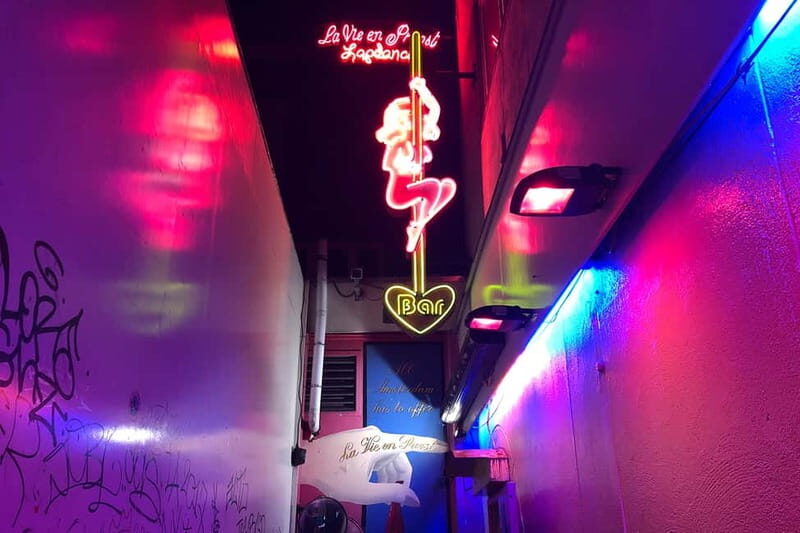
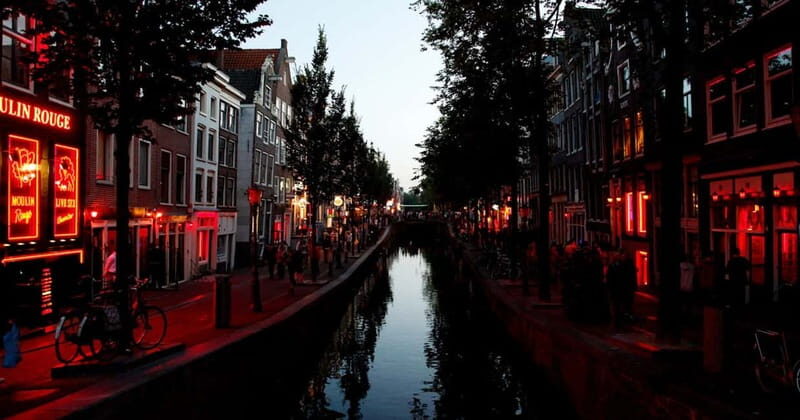
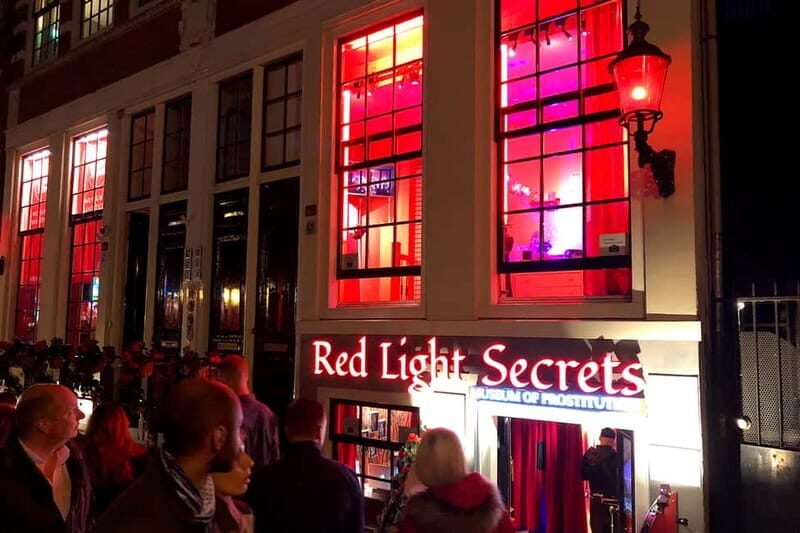
Amsterdam’s Red Light District can feel like a tourist maze on first sight: people searching for images they’ve already seen online, and locals trying to live their lives right next to it. This tour cuts through that confusion with a simple promise: you’ll understand the neighborhood’s why, not just the what.
The big win here is that you’re not only getting stories about sex work. You’re also learning how Amsterdam’s policies shaped what you see on the streets. The guide talks about the country’s tolerant approach to prostitution and the drugs policy, and how that history became part of daily city life. That makes the neighborhood easier to navigate mentally, even if it remains controversial.
And yes, you’ll likely hear plenty of human details that change your tone from curiosity to respect. The aim is to lower stigma while staying honest about the real-world challenges sex workers face now.
You can also read our reviews of more tours and experiences in Amsterdam.


What I like most: the guide’s tone and the practical takeaways
A recurring theme with guides on this route is that you can ask questions and actually get an answer. In the best versions, the guide mixes history with real neighborhood feel, including what it’s like living near these streets. That matters, because the Red Light District isn’t just a single attraction. It’s a place shaped by law, economics, and constant public debate.
I also like the practical finish. You get a map for the last stretch so you can continue on your own, but with context. You’re less likely to stumble in confused, and more likely to notice what’s around you that you might otherwise miss.
Price and value for a $25, 90-minute reality check
At $25 per person for about 1.5 hours, you’re paying for three things: a guided walk, an informed local perspective, and a way to understand what you’re seeing before you start browsing it on your own.
If your goal is only to tick a box, you could save money and walk it yourself. But if your goal is to understand how Amsterdam arrived at its current approach—and what sex workers say the real pressures are—this kind of guided context is good value. You’re also getting a small gift at the end, plus a map you can use immediately.
In other words, you’re not just buying time. You’re buying interpretation, which makes the rest of your Amsterdam trip smoother. Even if you’re not planning to spend a long time in the Wallen afterward, the tour helps you read the neighborhood with less confusion.
Rules since 2020: why you stay on the outskirts
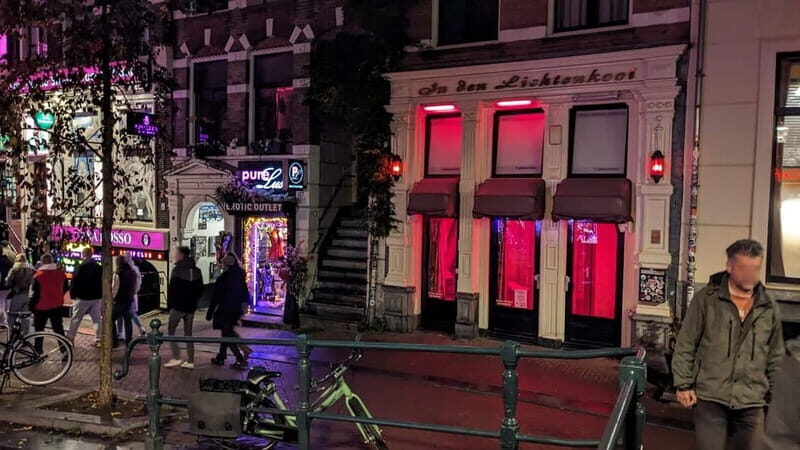
There’s an important detail before you go: guided tours inside the Red Light District are prohibited since 2020. So this experience is designed to explore the surrounding streets, not the exact interior areas.
That limitation can sound like a downgrade until you think about it. Since you won’t be led into restricted spaces, the guide focuses on the broader neighborhood story and the surrounding geography. It becomes less about “where to stand to see what” and more about how the area works as a place—historically and today.
You’ll still end in the De Wallen area, but you get a map so you can choose how to handle that final stretch yourself.
Where you start: Beursplein and finding your way
You begin at Beursplein, which is a solid launch point for central Amsterdam. The meeting spot is by the bottom of the stairs of Bistro Berlage, near a large black lantern with a Guidance sign.
Why this start helps: you’re in a place where street life is normal and you can settle into the walk rhythm. It’s also easier for many people to meet here than in the middle of the busiest streets.
From the start, the guide sets expectations clearly. You’ll walk at a steady pace with short stops, so it doesn’t feel like you’re sprinting between points. Bring comfortable shoes because these streets don’t forgive bad footwear.



Stop-by-stop: what each area is teaching you
Stop 1 and 2: the first look at Beursplein
Your early minutes are about orientation. The short stop at Beursplein is part sightseeing, part context. You’re being placed in the broader Amsterdam map—so later, when you hit squares and streets with layered history, it lands better.
Even if you think you know the Red Light District already, start here with an open mind. The neighborhood’s reputation is loud. The actual history is quieter, and your guide is there to connect that gap.
Stop 3: Dam Square for big-city context
Next up is Dam Square, where your guide gives a longer sightseeing stop. Dam Square is one of those places that anchors the city’s identity. The benefit of stopping here is that you’re not only learning about sex work and drugs policy. You’re learning how that policy fits inside a much larger story about Amsterdam.
This is where the tour’s tone matters most. A good guide avoids turning the topic into spectacle. Instead, you get the historical reasons behind Amsterdam’s liberal attitude and what it meant in practice.
Stop 4: Warmoesstraat and the neighborhood’s mid-stories
On the way, you hit Warmoesstraat. This stretch often feels like the neighborhood’s hinge: close enough to understand why people are pulled toward the Wallen, but still clearly embedded in the city’s day-to-day street pattern.
In this part of the walk, you’ll likely hear practical details and street-level anecdotes tied to how the area changed over time. The guide’s goal is to help you see the district as a living neighborhood, not a static photo set.
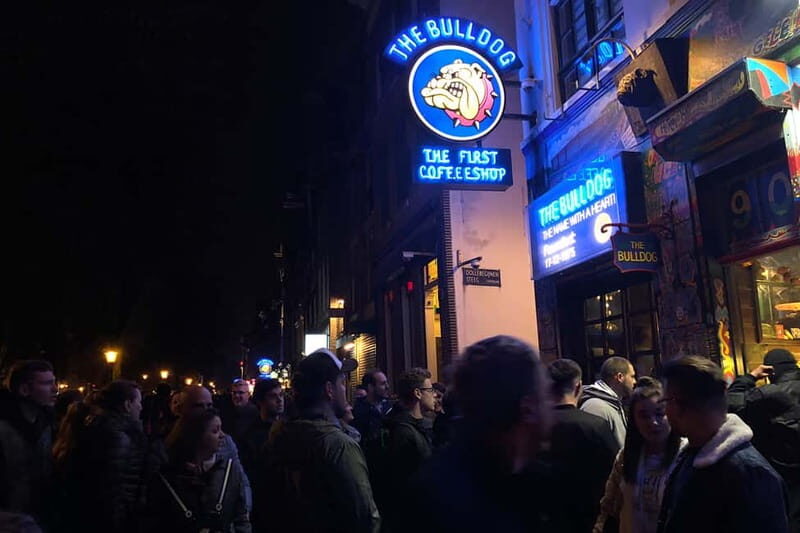
Stop 5: Zeedijk Street photo stop and coffee-shop context
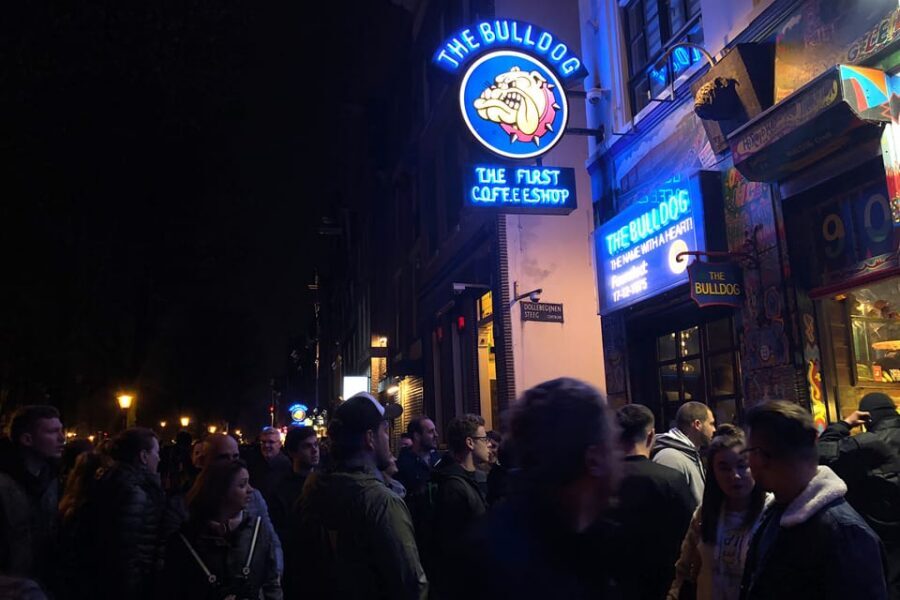
Zeedijk Street is a photo stop with guided commentary. This is where the coffee-shop conversation becomes more than a name-drop. Amsterdam’s coffee-shop culture is often discussed as a stereotype, but the tour focuses on why it became culturally significant.
You might not be seeking out coffee shops on your trip, but understanding the policy backdrop helps you interpret what you see—and what you hear people discussing in the streets. The guide also helps explain why Amsterdam’s approach can feel contradictory from the outside but coherent in the local system.
Stop 6: Nieuwmarkt Square and the shift toward De Wallen
Then you reach Nieuwmarkt Square for another guided sightseeing/photo stop. This area helps you connect the dots across central Amsterdam. It also serves as a turning point in the walk: you’re nearing the Wallen, and the stories start to feel more specific to the streets you’re about to walk toward.
By now you should feel less like you’re following a list and more like you’re learning a map of meaning. That’s the real payoff of the pacing and the way the guide groups the stops.
Stop 7: finish in De Wallen, with a map for the last stretch
Your walk finishes in the De Wallen area. Since you can’t have guided access inside the district, this ending works as a handoff. You receive a map with information to explore the final stretch on your own.
This is a smart way to respect the rules while still letting you see the neighborhood up close. You’re not left hanging. You have a tool for independent exploring, but you’re also not pressured into going deeper than you’re comfortable with.
The guide experience: why Manouk’s style gets top marks
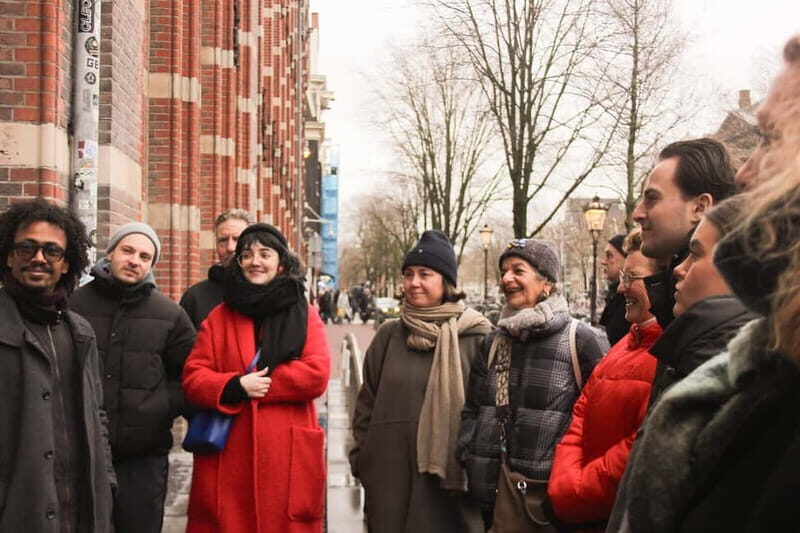
Manouk’s name comes up again and again in what people say they loved. The pattern is clear: she’s friendly, approachable, and answers questions with real energy. The best part is how she keeps the tour safe and conversational, with a pace that gives you time to think—not just time to walk.
Another detail worth noting: some versions mention a sidekick named Trixie. Whether that’s a playful touch or simply part of how she organizes the walk, it fits the same theme people notice—this is an informative walk that doesn’t feel stiff.
From a value perspective, guide quality is everything on this topic. If the guide is awkward, you’ll feel it. If the guide is too loud, you’ll shut down. This tour’s strength is that it aims for clarity and sensitivity while still keeping you engaged with stories, anecdotes, and humor.
Coffee shops and sex work policy: what you should understand before you go
Amsterdam’s tolerance gets talked about a lot, but it can be hard to separate what’s true from what’s repeated as a rumor. This tour tries to put policy and practice into the same frame.
You’ll hear why Amsterdam became liberal on sex and drugs, and what legalization of prostitution changed. You’ll also learn about current sex worker challenges, which is the part that keeps the tour from becoming only historical.
If you like understanding how countries make controversial policies work—or fail to—this is a good match.
What to bring (and what not to bring)
Keep it simple:
- Wear comfortable shoes.
- The tour does not allow alcohol and drugs.
That last rule matters because it keeps the walk focused. You’ll get more from the guide’s explanations when you’re not stuck managing anything beyond your own street stamina.
Who should book this Red Light District walking tour
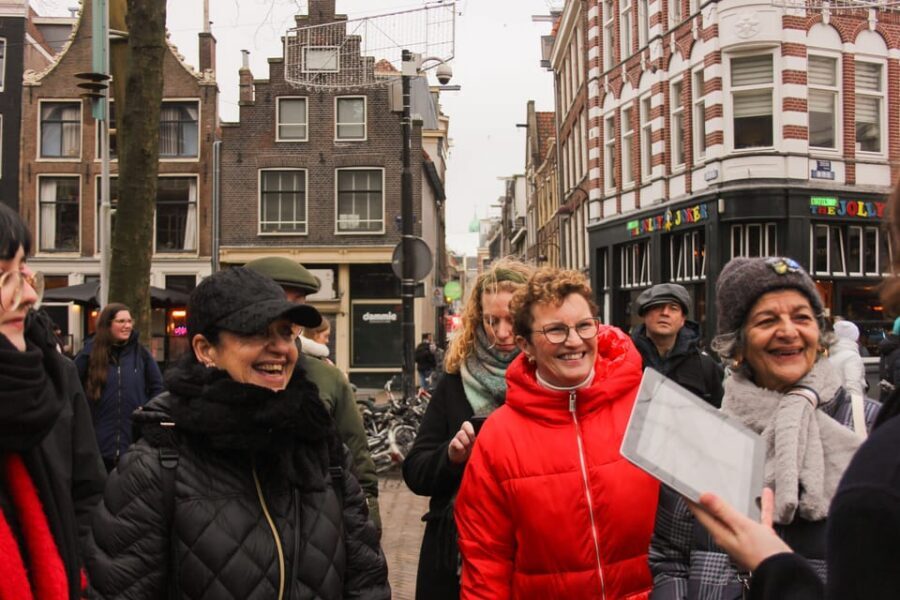
This is a great fit if you:
- Want context before you walk the Wallen streets on your own
- Like history and policy explanations mixed with local street perspective
- Prefer a guided approach when a topic feels sensitive
- Plan to be in central Amsterdam for a first-night orientation walk
It might be less ideal if you:
- Only want quick street sights and don’t care about policy or current issues
- Expect to get guided access inside the Red Light District areas (this tour stays on the outskirts)
Should you book? My practical take
If you want Amsterdam to make sense—especially the parts that are misunderstood—this tour is an easy yes. The $25 price feels fair for what you’re actually buying: a local guide’s interpretation, plus a map to help you make sense of the last stretch yourself.
Book it if it’s your first evening in the city. It helps you ask better questions afterward and reduces the feeling of walking through something you don’t understand. I’d treat it as a context-first start, not a substitute for wandering.
FAQ
How long is the Amsterdam Red Light District tour?
The tour lasts about 1.5 hours.
Where does the tour start?
The meeting point is Beursplein. Meet by the bottom of the stairs of Bistro Berlage, near a large black lantern with a Guidance sign.
Where does the tour finish?
It finishes in the De Wallen area.
What languages is the guide available in?
The live guide speaks English and Dutch.
Is the tour wheelchair accessible?
Yes, the tour is wheelchair accessible.
Can I bring alcohol or drugs?
No. Alcohol and drugs are not allowed.
Do I get a map during or after the tour?
Yes. You receive a map with information for the last stretch of the Red Light District to explore on your own.
Is the tour allowed inside the Red Light District?
Guided tours inside the Red Light District are prohibited since 2020, so this tour focuses on the outskirts.
What’s included besides the walking tour?
Included items are the guide, the map, and a small gift at the end.
Is private group booking available?
Yes, private group options are available.
If you want, tell me your travel dates and whether you’re visiting on a first night or later, and I’ll suggest a good time to fit the walk into your Amsterdam plan.