REVIEW · AMSTERDAM
Amsterdam: Jewish Quarter and History Guided Tour
Book on GetYourGuide →Operated by Trigger Tours · Bookable on GetYourGuide
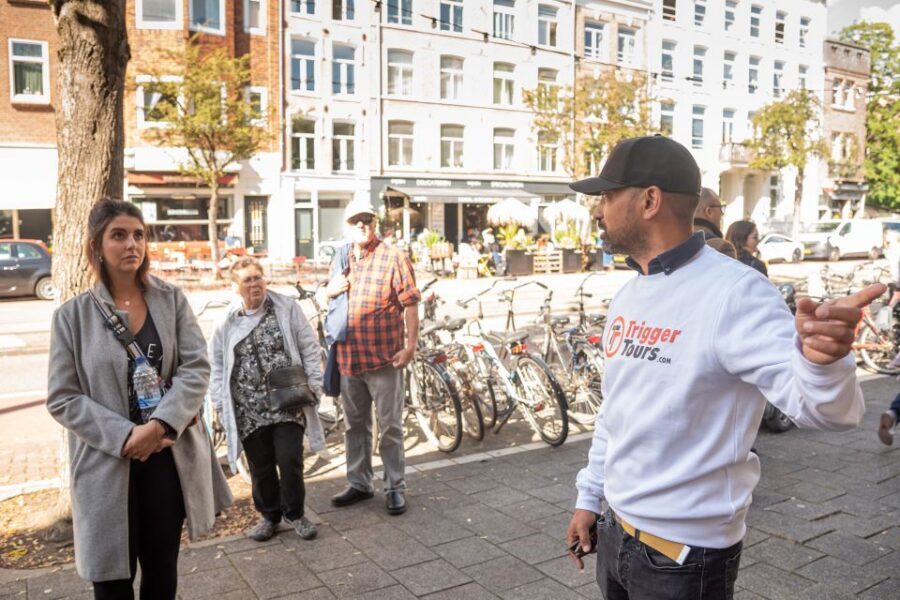
WWII has a street address. This 2-hour Amsterdam Jewish Quarter tour follows the Nazi occupation story from the Amstel River to Anne Frank’s House. It’s not a lecture from a distance; it’s a stop-by-stop walk through places that helped shape daily life, fear, and survival.
I like how the route frames WWII as lived experience, not just big dates. Portuguese Synagogue, the Jewish Historical Museum, and the Headquarters of the Jewish Council help you understand what normal life and community structure looked like before things collapsed.
One thing to consider: this is heavy material packed into a short walk, and the pace can feel brisk if you want lots of quiet time at each memorial. Also, food and drinks aren’t included, so plan to bring water.
In This Review
- Quick reasons this walk hits hard (in a good way)
- Starting by the Amstel River: setting the story’s tone
- The Jewish Quarter route: landmarks you can actually place in context
- Portuguese Synagogue and the Jewish Historical Museum
- Headquarters of the Jewish Council: community structures under strain
- Nazi-occupied Amsterdam: what day-to-day life meant in practice
- Dokwerker and the Auschwitz Monument: remembering without turning it into a show
- Anne Frank’s House at the finish: why the diary still carries weight
- Price and value: why $23 for a guided walk makes sense
- What group size feels like, and how to get the most from questions
- Practical tips so the walk lands well
- Should you book this Amsterdam Jewish Quarter tour?
- FAQ
- How long is the Amsterdam Jewish Quarter and History guided tour?
- What does the tour cost?
- Is this tour private or shared?
- What languages are offered?
- Where does the tour start and end?
- Which major sites are included on the walk?
- Is food and drink included?
- What’s included in the price?
- Can I cancel for a refund?
Quick reasons this walk hits hard (in a good way)
- Amstel River start sets the geographic and historical stage fast
- WW2 context through daily life makes the occupation easier to grasp
- Portuguese Synagogue and Jewish Historical Museum connect community life to the war years
- Dokwerker and Auschwitz Monument bring the timeline into painful focus
- Small-group feel (private or shared) gives you room for sensitive questions
- Ends at Anne Frank’s House with the diary’s publishing story explained
Starting by the Amstel River: setting the story’s tone
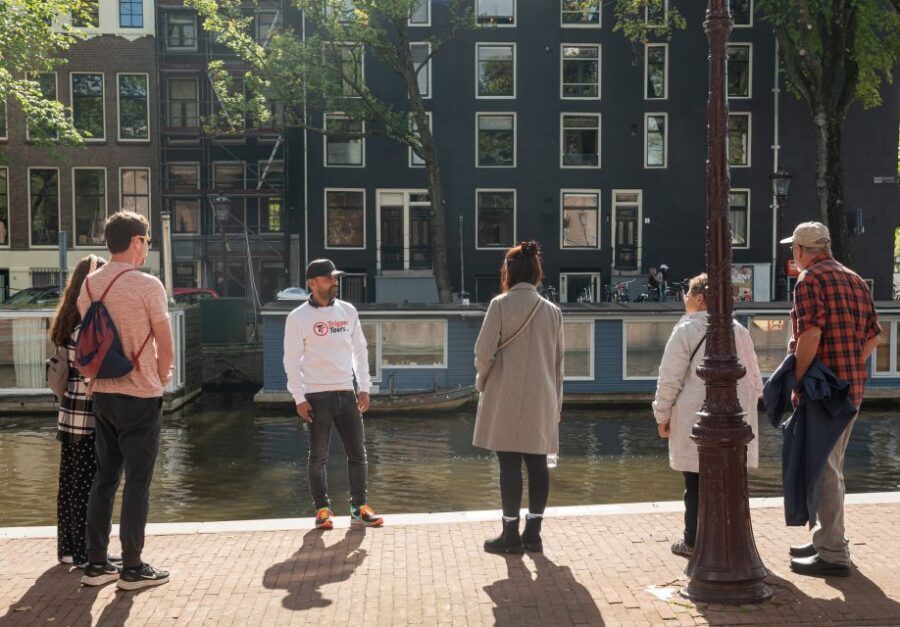
A lot of Amsterdam tours jump straight to famous buildings. This one begins by the Amstel River, which is a smart choice because it grounds the walk in how the city works. You get your bearings quickly, then the guide brings in the Nazi occupation of the Netherlands (1940 to 1945) and what that meant for the capital, especially the Jewish community.
That opening matters. If you know nothing about the period, you might assume the war happened elsewhere first and arrived later. Starting with occupation context helps you understand why the city changed so rapidly and why daily routines turned dangerous. It also explains the pressure behind the landmarks you’ll see next, so they don’t just look like old stones and plaques.
You can also read our reviews of more guided tours in Amsterdam


The Jewish Quarter route: landmarks you can actually place in context
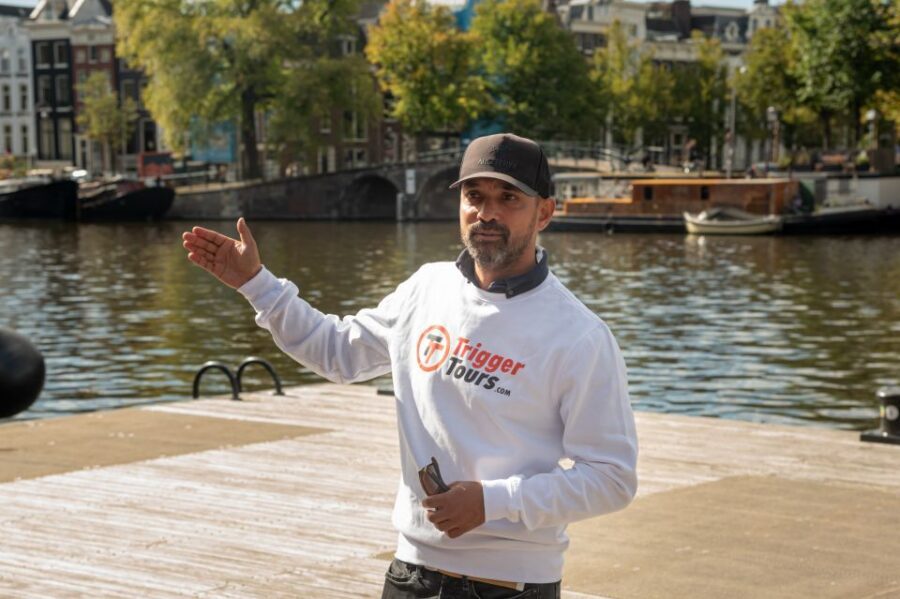
The tour’s best trick is that it treats each stop like a clue in a single story. The guide ties locations to what people did, what institutions controlled, and how fear reshaped everyday life. You’ll get the feeling that the neighborhood wasn’t just a backdrop—it was home, and then it became a trap.
Portuguese Synagogue and the Jewish Historical Museum
The Portuguese Synagogue is one of the key anchors for understanding Jewish Amsterdam. Even if you only know the name, the guide helps you see why this area mattered culturally and socially. It’s one thing to read about persecution; it’s another to stand in a district that once carried the weight of community life, learning, worship, and identity.
From there, the Jewish Historical Museum stop works like a bridge. You’re walking through the neighborhood and the guide adds meaning so you can connect the physical space to Jewish experiences over time. The value here is practical: when you later look up photos or read about the period, you’ll remember what you saw and why it mattered.
Headquarters of the Jewish Council: community structures under strain
Another stop that deepens the story is the Headquarters of the Jewish Council. This isn’t only about tragedy. It’s also about how communities tried to function—how they made decisions, managed people, and handled bureaucracy in impossible circumstances.
The tour’s handling of this subject tends to be careful and respectful. In many cases, guides like James and Aaron (among others) were praised for explaining sensitive material in a way that felt human, not sensational. That tone helps you keep perspective: you learn history, but you also feel the strain of living under occupation.
Nazi-occupied Amsterdam: what day-to-day life meant in practice
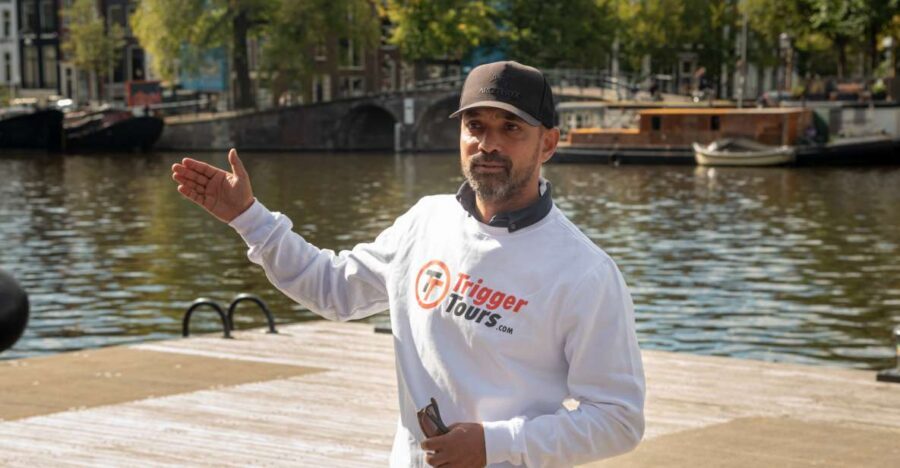
The tour doesn’t just list what happened. It focuses on how occupation changed the rhythm of life. You hear about what day-to-day existence could look like under Nazi rule and how Dutch behavior toward Jewish people could vary—sometimes with help, sometimes with refusal, and often with complicated fear.
This part is where the guide’s pacing really affects your experience. The goal isn’t to overwhelm you with facts. It’s to help you connect the chain: occupation policies, shrinking choices, increasing risk, and the way the community adapted in the narrow space available.
If you like tours that answer practical questions—Who controlled what? How did people move through the city? What changed first?—you’ll likely appreciate this approach.
You can also read our reviews of more historical tours in Amsterdam




Dokwerker and the Auschwitz Monument: remembering without turning it into a show
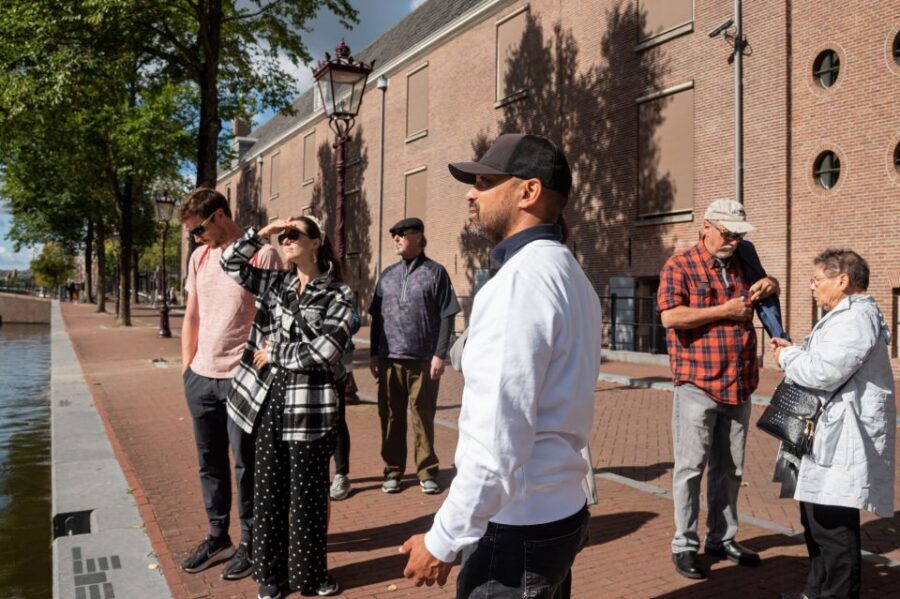
Two of the most striking landmarks on the walk are the Dokwerker and the Auschwitz Monument. These stops move the story from general occupation into the most painful part of the timeline. The guide gives the meaning behind each site and helps you understand what the neighborhood bears witness to.
The Dokwerker stop is often the one people remember most clearly because it’s tied to forced movement and the systems that carried people away. The Auschwitz Monument then reinforces the scale of what those systems led to. Together, they give you an explanation that matches what you’re seeing around you.
I appreciate that the tour keeps the tone measured. In the feedback, guides such as Jyry, Masha, Marsha, Guido, Joshua, and Aaron were repeatedly praised for handling a personal and sensitive subject with care. That matters because it affects how you take in the moment—like you’re being taught to remember, not dragged through shock.
Anne Frank’s House at the finish: why the diary still carries weight
The walk ends in front of Anne Frank’s House, and that ending is more than a photo stop. The guide explains Anne Frank’s diary—including how it was published by her father, Otto Frank—and how it later gained worldwide attention.
This is a good way to close the loop. Early in the walk, you learn about institutions and occupation pressures. Near the end, you see how one young person’s voice survived through writing. It turns the tour from a map of places into a chain of meaning: life under occupation became history through testimony.
Even if you’ve seen Anne Frank’s name a hundred times online, the finish here gives you a more grounded sense of why the diary mattered and why it continues to resonate. It also nudges you to remember that the story wasn’t only about what was taken. It was also about what people tried to keep—thought, identity, and the ability to speak.
Price and value: why $23 for a guided walk makes sense
At $23 per person for a 2-hour walking tour, the value is strong—especially because you’re not paying for time in a museum room or for a long ride. You’re paying for a guide who can connect multiple sites across one central theme: Jewish life in Amsterdam, and what Nazi occupation did to it.
What you get for the money is essentially two things:
- Interpretation: turning landmarks like the Portuguese Synagogue, the Jewish Council HQ, the Dokwerker, and the Auschwitz Monument into a coherent story.
- Tone and structure: keeping sensitive history factual and respectful, so you can absorb it without feeling like you’re watching trauma for entertainment.
If you’ve ever walked through historic neighborhoods and felt like the buildings were just facades, this tour addresses that directly. A guide gives you handles—names, institutions, and why these spots matter—so you leave with something you can keep using.
What group size feels like, and how to get the most from questions
This tour offers private or small groups. That format tends to help in two ways. First, you can ask follow-up questions without being lost in a crowd. Second, a smaller group makes it easier for the guide to adjust pacing when someone wants more explanation around a particular stop.
The subject is personal and heavy, so the ability to ask careful questions can make the difference between just hearing facts and actually understanding what they mean. In the feedback, people especially liked guides who answered questions patiently and kept the pace appropriate—some even got a near-conversation feel when the group was tiny.
Practical tips so the walk lands well

A few practical ideas will help you enjoy this tour more, even though you can’t control the emotions.
- Bring water: food and drinks aren’t included, and you’ll be walking through an intense topic.
- Wear comfortable shoes: it’s a walking tour for two hours, and you’ll want stable footing when you slow down near memorials.
- Plan for a reflective pace: the tour is structured to cover key sites in a set time. If you’re the kind of person who likes to stare for a minute, give yourself permission to pause once or twice rather than trying to do it perfectly at every stop.
- Be ready for sensitivity: some stops are designed for remembrance, not sightseeing.
Should you book this Amsterdam Jewish Quarter tour?
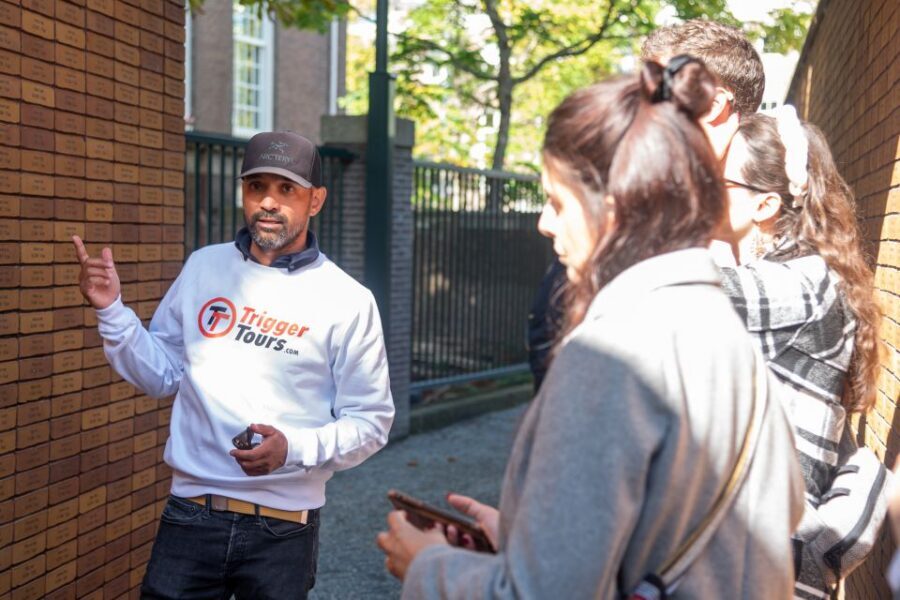
Yes—if you want a focused, guided route through Amsterdam’s Jewish Quarter that connects landmark sightseeing with the reality of WWII in the Netherlands. This is also a strong pick if you care about respectful storytelling and you like history that explains how people lived, not just what happened to them.
Skip it only if you’re looking for a lighter, casual walk or if you want long unscheduled time at memorials without any movement. The subject is serious, and the format is designed to cover major sites in a compact window.
If you do book, go in with one simple goal: leave with a clear mental map of the Jewish Quarter as a living community—and as a place reshaped by occupation and persecution.
FAQ
How long is the Amsterdam Jewish Quarter and History guided tour?
It lasts 2 hours.
What does the tour cost?
The price is $23 per person.
Is this tour private or shared?
It can be booked as a private or shared group experience, with small groups available.
What languages are offered?
The live guide is available in English and Spanish.
Where does the tour start and end?
It begins by the Amstel River, and it finishes in front of Anne Frank’s House. The exact meeting point may vary depending on the option booked.
Which major sites are included on the walk?
You’ll pass landmarks including Anne Frank’s House, Dokwerker, the Auschwitz Monument, the Portuguese Synagogue, the Jewish Historical Museum, and the Headquarters of the Jewish Council.
Is food and drink included?
No. Food and drinks are not included.
What’s included in the price?
You get a walking tour with a live guide.
Can I cancel for a refund?
Yes. Free cancellation is available up to 24 hours in advance for a full refund.