REVIEW · AMSTERDAM
Amsterdam Red Light District tour with a local guide
Book on GetYourGuide →Operated by Your Amsterdam's Red Light District guide · Bookable on GetYourGuide
Amsterdam’s oldest secrets are on foot.
This 2-hour Red Light District walk is interesting because your local guide explains why this neighborhood became famous for liberal attitudes toward sex work, without turning it into a circus. I like the way the tour mixes street-level sights (those red-lit windows and the bars nearby) with plainspoken history you can actually picture, from medieval days to Napoleonic-era Amsterdam.
What I especially like is the focus on context, not shock value: you’ll hear how the area grew out of older port life and trades, including the old sailor neighborhood around Zeedijk Street. I also like that the guide points out smaller details you might miss on your own, like the narrowest street vibe, older civic remnants, and how coffee shop culture and the surrounding debate fit into the bigger story.
One consideration: the alleyways are busy and sound can get tricky. One review called out that the guide was difficult to hear, so if you’re sensitive to audio, bring your best listening focus and stand where you can clearly face the guide.
In This Review
- Key highlights I think you’ll care about
- Why this 2-hour Red Light District walk makes sense
- Starting point, timing, and the pace you’ll feel
- Zeedijk Street and the older Amsterdam layers under the nightlife
- The Red-tinted windows and how the guide frames what you see
- Old Church and the center of the district: where landmarks do the talking
- Coffee shops, smartshops, and the neighborhood argument
- Pubs, photos, and how to get the most out of narrow streets
- Price check: what $40 buys you (and what it doesn’t)
- Who this tour suits best
- Practical tips so you enjoy the walk more
- Should you book the Amsterdam Red Light District walking tour?
- FAQ
- How long is the Amsterdam Red Light District tour?
- What language is the guide speaking?
- What is the price per person?
- Is it a small group or a large tour?
- Where does the tour start and end?
- Are there different starting times?
- What’s the cancellation policy?
Key highlights I think you’ll care about
- A local perspective on sex work and how Amsterdam’s attitudes evolved over time
- Zeedijk Street context, including how the area’s prostitution roots connect to older port life
- Old Church area orientation, including major landmarks right in the middle of the district
- Coffee shop and smartshop culture explained in the same walking narrative, not as random trivia
- Street-by-street details like narrow lanes and older layout features you’ll feel in your feet
- Small-group pacing that can give you time for photos and quick questions
Why this 2-hour Red Light District walk makes sense
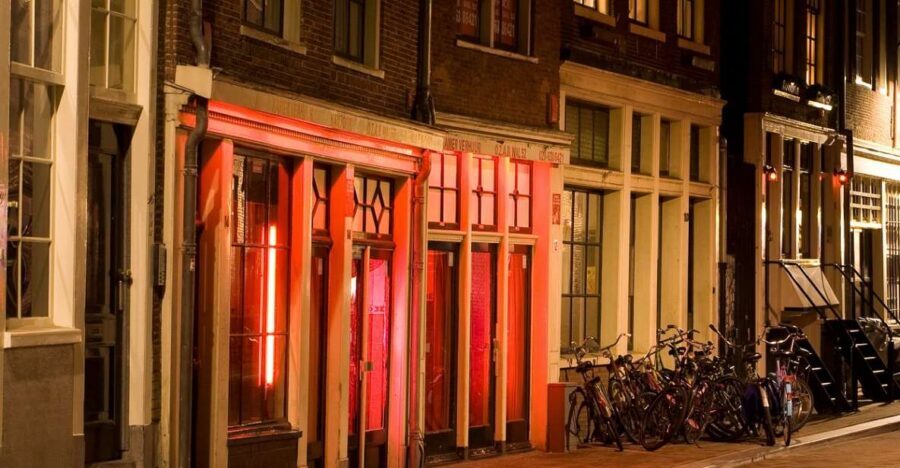
The Red Light District is one of those places that can feel confusing at first glance. You see windows, signage, and late-night energy, but you don’t automatically know what you’re looking at or why it is arranged the way it is. This tour helps you get your bearings fast by linking what you see to why the neighborhood developed into what it is today.
At $40 per person for a live, English-language walking tour, the value comes from interpretation. You’re not paying to simply walk past doors; you’re paying for a local guide’s explanation of culture, politics, and history as you move through the streets. In a city like Amsterdam, that kind of framing often matters more than the checklist of sights.
And it’s not only sex work. The tour also connects the district to Amsterdam’s well-known norms around cannabis and related shops, plus how the neighborhood’s public image and policies have played out over time. That gives the whole walk a practical purpose: you leave understanding the place, not just remembering the lights.
You can also read our reviews of more guided tours in Amsterdam


Starting point, timing, and the pace you’ll feel
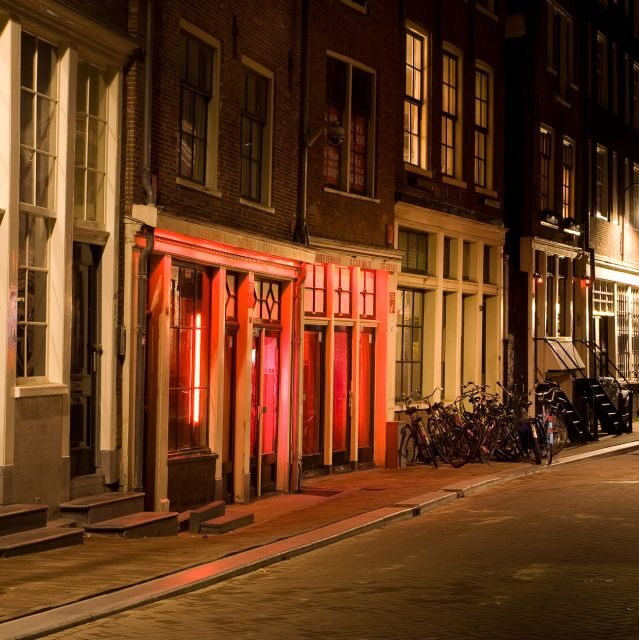
This is a 2-hour guided walking experience. Starting times can vary, so you’ll want to check what’s offered on your dates and pick a time that fits your day. Since the route is all on foot, you’ll want comfortable walking shoes. Expect narrow lanes, short transitions, and frequent pauses for the guide to make a point.
The group is listed as small group available, which matters in this kind of neighborhood. Smaller groups tend to move more quietly and give you better access to the guide’s commentary, especially at crowded corners. One small downside is also tied to crowds and alleys: if the street gets loud, your listening position can matter. Aim to stay close enough to hear clearly as you round tight turns.
Zeedijk Street and the older Amsterdam layers under the nightlife
A big chunk of the meaning of this tour happens before you fully hit the most iconic-looking blocks. You start by exploring the area described as the old sailor neighborhood around Zeedijk Street. This is where the tour’s tone becomes useful: it explains how prostitution originally started in the city by tying the neighborhood’s role to Amsterdam’s older commercial life.
Then you move into time travel. You’ll hear what the area used to look like in Napoleon-era times and in earlier medieval periods. This isn’t just a history lecture with hand gestures. It’s meant to help you visualize the district’s layout and social function. When you understand the “why” behind the neighborhood’s location and reputation, the current street scene starts to read differently.
If you like city texture—old street roles, changing economies, and how places evolve rather than appear overnight—this part is the backbone of the tour. You’re basically learning to read the neighborhood like a map, where each layer explains the next one.
The Red-tinted windows and how the guide frames what you see
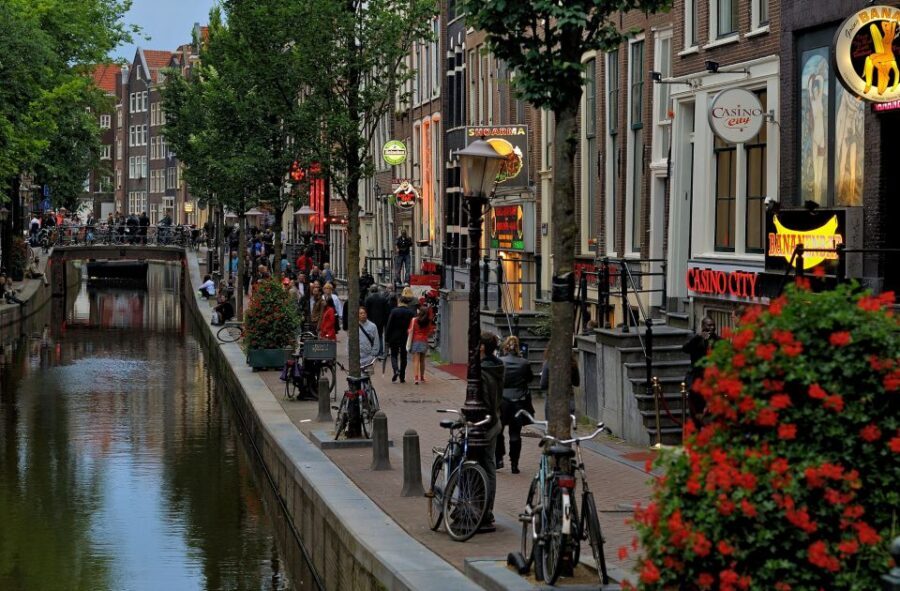
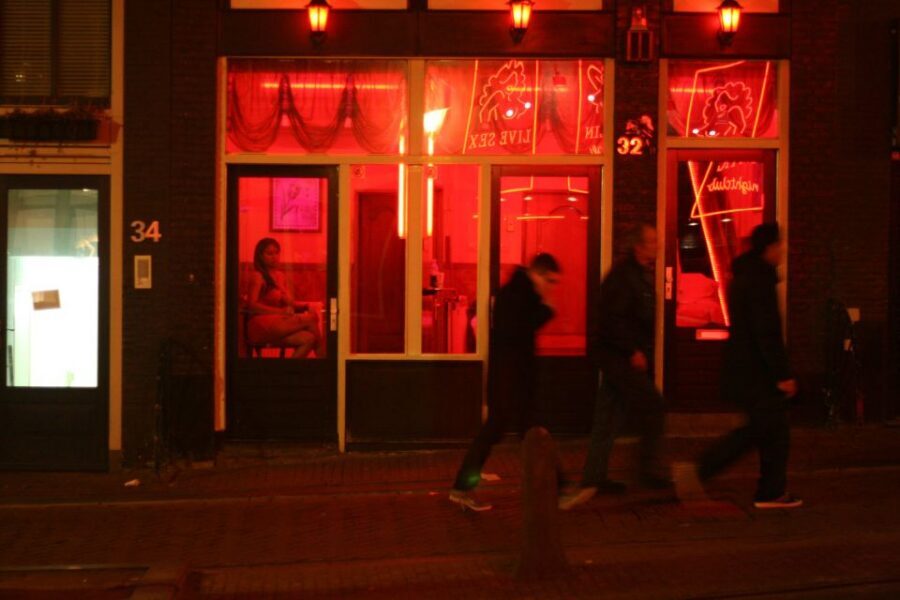
Yes, you’ll see the famous red-tinted windows and the brothels/pubs that define the area visually. But what makes the tour feel different is the guide’s perspective: you’re guided through the district as a cultural and historical story, not a photo scavenger hunt.
As you walk, your guide discusses the history and current situation of the Red Light District. That matters, because Amsterdam’s reputation for liberal attitudes toward sex work can sound like a single simple slogan. In reality, it’s complicated—shaped by local politics, public debate, and changing social attitudes over time.
This is the moment where you’ll likely notice how the tour balances different themes:
- the visible commercial street life
- the human reality behind it (handled through explanation, not spectacle)
- the policy and political issues that swirl around it
The best part is that the explanation stays tied to the physical streets. Instead of floating between topics, you’ll hear how coffee shop culture and prostitution-era history connect inside the same neighborhood space.
Old Church and the center of the district: where landmarks do the talking
After working through the older sailor-area context, the tour strolls to the Old Church, described as the oldest building in Amsterdam and located in the center of the Red Light District. This stop is useful because it anchors the neighborhood in something beyond nightlife. You’re not only thinking about sex work windows; you’re standing near a long-standing landmark that highlights how layered Amsterdam really is.
From here, the tour continues with specifics you can point to while you’re walking:
- the former town hall concept you’ll pass and discuss
- the narrowest street of Amsterdam mentioned as a sight stop
- one of the first coffeeshops highlighted as part of the district narrative
- smartshops included in the discussion
- an indoor prostitute street where the tour explains the history and the current situation
Those are not random stops. They’re part of a theme: how Amsterdam’s rules, norms, and commerce have shaped what people do in this neighborhood and how it functions. The Old Church area turns the walk into something more like a city history orientation, with the Red Light District as the setting.






Coffee shops, smartshops, and the neighborhood argument
One of the most practical reasons to take a guided walk here is understanding the surrounding culture. The tour includes explanations about coffee shop culture, plus smartshops and how those fit into the district’s wider story.
Amsterdam is known worldwide for its cannabis policies and coffee shops, but people often discuss it like it’s a separate topic from everything else. This tour treats it as connected. You’ll hear how the district’s identity and the city’s political conversation interlock—especially around what’s public, what’s tolerated, and how laws and local attitudes shift.
If you’re curious about the “Amsterdam way” beyond the headline, you’ll enjoy this part. It gives you the kind of grounded explanation you can carry into conversations later, and it helps you understand why the district feels both regulated and debated at the same time.
Pubs, photos, and how to get the most out of narrow streets
You’ll also encounter brothels and pubs during the walk. That might sound like a generic sightseeing note, but on the ground it affects how the tour feels. The neighborhood’s atmosphere is loud at certain hours. Your guide’s job is to keep you oriented while moving through it safely and respectfully, with explanations timed to the streets you’re seeing.
One review mentioned that the guide had time for pictures and visiting a few shops along the way. That aligns with how a small-group format can feel. If you take photos, plan to pause, shoot quickly, and then rejoin the group so you don’t fall behind during the explanation.
Also, remember that sound can be the challenge in alleys and crowded corners. If you want to avoid the issue someone flagged about hearing the guide, stay within the group line, face the guide when they stop, and don’t get stuck reading signage while the group moves.
Price check: what $40 buys you (and what it doesn’t)
At $40 per person for a 2-hour guided walking tour, you’re paying for local interpretation, not a long itinerary. This is not a half-day excursion; it’s more like a focused orientation. That’s actually a good fit if you want the Red Light District story without spending hours in transit or stacking multiple activities.
Here’s a fair way to think about value:
- If you want to understand the district’s history, culture, and political context, the guide’s framing is what you’re paying for.
- If you mainly want photos and to wander freely, you might feel the cost is higher than you expected, because the tour’s main product is explanation.
Given the rating (4.8 from 6 reviews) and the consistent praise for delivery and historical side context, this price generally looks reasonable for the payoff—especially if you like walking tours with a clear narrative thread.
Who this tour suits best
This is a strong match if you:
- want a local-led explanation rather than internet rumors
- enjoy historical stops like the Old Church and older street layout references
- are curious about how cannabis-related culture and the district’s public debate intersect
- like small-group pacing and don’t mind walking through a lively area
It may not be ideal if you:
- hate crowded streets and struggle to hear in busy spaces
- prefer a purely historical or purely entertainment-focused tour
The guide’s approach is designed to keep you informed while you observe. If you go in with that expectation—respectful, curious, and ready to listen—you’ll likely get a lot from the walk.
Practical tips so you enjoy the walk more
A few small moves can make this kind of tour easier and more fun:
- Wear shoes you’re comfortable in for tight lanes and repeated short walking stretches.
- Keep your phone accessible but don’t let it steal your place in the group. The best facts come when you’re listening while standing still.
- If noise makes it hard to follow, position yourself so you face the guide at stops. One person flagged hearing issues, so it’s worth planning for.
- Bring basic open-minded curiosity. The tour discusses sex work and related issues directly, through history and cultural explanation.
And if you’re visiting Amsterdam for the first time, it’s a good idea to pair this tour with other neighborhoods later in the day. The Red Light District can be intense. A later stroll in calmer areas helps you process what you learned.
Should you book the Amsterdam Red Light District walking tour?
I’d book it if your main goal is to understand the district rather than just pass through it. For $40, you’re getting a 2-hour local-guided narrative that connects Zeedijk Street’s older roles, the Napoleonic and medieval framing, and major landmarks like the Old Church, while also explaining coffee shop culture, smartshops, and the political debate surrounding the area.
If you’re worried about sound or you don’t want to deal with lively alley energy, choose a tour time that feels calmer for you and stay close to the guide during stops. Then go in respectful and curious. When you do, this walk can turn a famous Amsterdam neighborhood into something you understand—and can talk about with real context.
FAQ
How long is the Amsterdam Red Light District tour?
The tour is listed as 2 hours.
What language is the guide speaking?
The live tour guide is available in English.
What is the price per person?
The price is $40 per person.
Is it a small group or a large tour?
Small group options are available.
Where does the tour start and end?
It starts at a meeting point that may vary depending on the option booked, and it ends back at the meeting point.
Are there different starting times?
Yes, starting times can vary, so you’ll need to check availability for the times offered on your dates.
What’s the cancellation policy?
Free cancellation is available up to 24 hours in advance for a full refund.