REVIEW · AMSTERDAM
Amsterdam: Rijksmuseum Private Tour with Skip-the-Line Entry
Book on GetYourGuide →Operated by Amor Artium · Bookable on GetYourGuide
Skip the line, see Dutch art up close. This private Rijksmuseum tour pairs reserved entrance with a certified art historian guide, so you spend less time waiting and more time looking the right way. I love the skip-the-line setup for an easier arrival, and I love how the guide turns big names into clear, human stories. The one drawback: the price is $412 per group for up to 2 people, and the ticket covers entrance for those two only.
Meeting your guide at the Cobra Cafe (Hobbemastraat 18) keeps the whole start simple, and the flow inside feels organized. You also get the free wardrobe/cloakroom, which matters because large bags and backpacks have to be left there. Because it’s a private, 2-hour window, you’ll want to be ready to choose a few must-see areas rather than trying to cover everything.
In the galleries, the focus stays tight: Dutch 17th-century masters, with a smart jump forward to a Van Gogh connection. The tour runs in English, and you’ll have a private group dynamic, so questions and preferences can actually shape what you see—without anyone rushing you.
In This Review
- Key points worth knowing
- Where the tour starts: Cobra Cafe and your first easy win
- Skip-the-line isn’t just faster; it changes how you see
- A 2-hour private tour with an art historian: what you’re buying
- Inside the Rijksmuseum: what the opening approach does for you
- Rembrandt, Vermeer, Hals: the 1600s made practical
- Why Amsterdam and Dutch art belong together in your head
- The Van Gogh connection: a later chapter you’ll remember
- Free wardrobe and the “keep it moving” strategy
- Touring solo, as a couple, or with friends: who it fits best
- Price and value: when $412 actually makes sense
- What to expect from the guide (based on real patterns)
- The fine print that matters day-of
- Should you book this Rijksmuseum private tour?
- FAQ
- How long is the Rijksmuseum private tour?
- Where is the meeting point?
- Is skip-the-line entry included?
- Who provides the tour?
- How many people is the price for?
- What’s included in the ticket?
- Does the tour include a wardrobe or cloakroom service?
- What items can I not bring into the museum galleries?
- Is the tour wheelchair accessible?
- Is food or drinks included?
- What language is the tour delivered in?
Key points worth knowing
- Skip-the-line entry through a separate entrance helps you beat the busiest moments
- Certified art historian guides use stories to make Dutch Golden Age art easier to “read”
- Free wardrobe/cloakroom keeps large bags out of the way
- Works-by-Rembrandt/Vermeer/Hals focus gives you a clear arc through the 1600s
- Van Gogh’s 1885 Rijksmuseum link adds a later chapter to the museum visit
Where the tour starts: Cobra Cafe and your first easy win
The meeting point is the Cobra Cafe at Hobbemastraat 18. That’s a practical detail, because it takes the guesswork out of figuring out where to line up or where to find your guide inside the museum area.
One reason this start works is timing. Rijksmuseum visits can turn into a time puzzle: wait, enter, orient, then finally begin. With this tour, you’re set up for an early start of the actual experience, since the skip-the-line ticketing is part of the package.
You can also read our reviews of more private tours in Amsterdam

Skip-the-line isn’t just faster; it changes how you see

Yes, skip-the-line saves minutes. But the bigger payoff is that you start with calmer focus—especially in summer when crowds can push you into speed-walking mode.
The tour includes skip-the-line access through a separate entrance, plus reserved entrance tickets. In plain terms: you’re not stuck sorting out tickets and crowds while your attention is already fading.
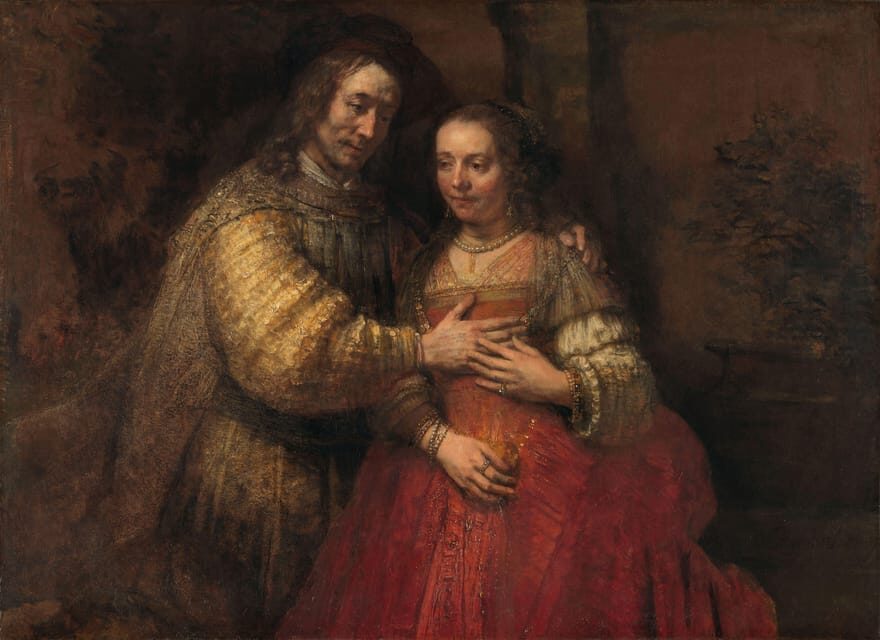
That matters because the Rijksmuseum rewards looking slowly. The most memorable moments here come when your guide points out what to notice—like how Rembrandt’s paint can feel almost alive under the right attention, or how Vermeer’s scenes can feel intimate and quiet when you know what you’re looking for.
A 2-hour private tour with an art historian: what you’re buying
This is billed as a private tour with an art historian, and the guides named in past tours show what that means in practice. People have had tours led by Fannie, Cecile, Liz, and Genevieve, and the pattern is consistent: the guide doesn’t just recite facts. They connect artists, subjects, and techniques into something that feels understandable.
I also like that the time is tight enough to stay sharp. Two hours is long enough to see major highlights and still have room for questions, but short enough that you don’t feel dragged through rooms you don’t care about.
The private format is the real value play here. When a guide can take you to specific works you request, your visit turns from generic museum sightseeing into a tailored “here’s why this matters” walk.
Inside the Rijksmuseum: what the opening approach does for you
At the start of your tour, expect museum context and a clear viewing plan. Guides have provided background on the museum itself, then set expectations for what you’ll explore during the 2-hour focus.
This opening matters for first-time visitors and repeat visitors alike. If you’ve been to the Rijksmuseum before, a good plan helps you avoid wandering and missing the connections between artists. If it’s your first time, it helps you stop treating the collection like a giant list of famous names and start treating it like a story.
Rembrandt, Vermeer, Hals: the 1600s made practical

The heart of the tour is the Dutch 17th-century masters. You’ll spend time on the core figures the Rijksmuseum is known for, with your guide linking technique and meaning so the art feels less mysterious.
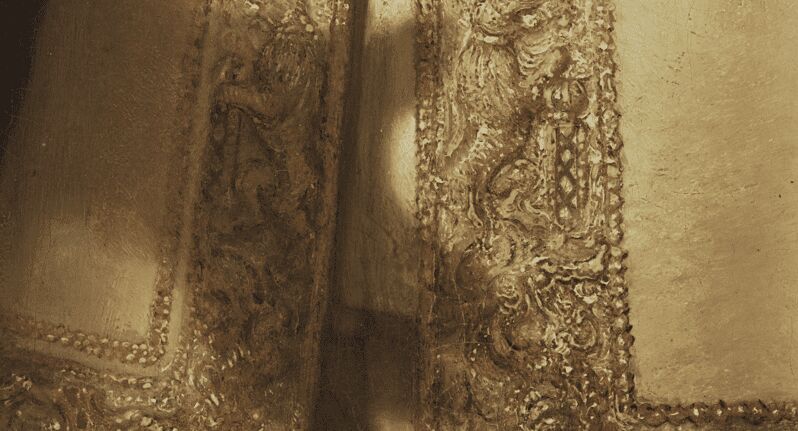
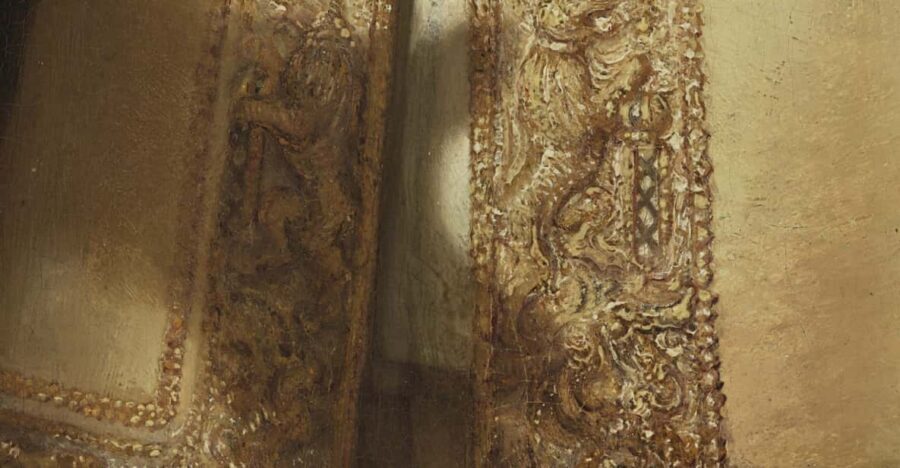
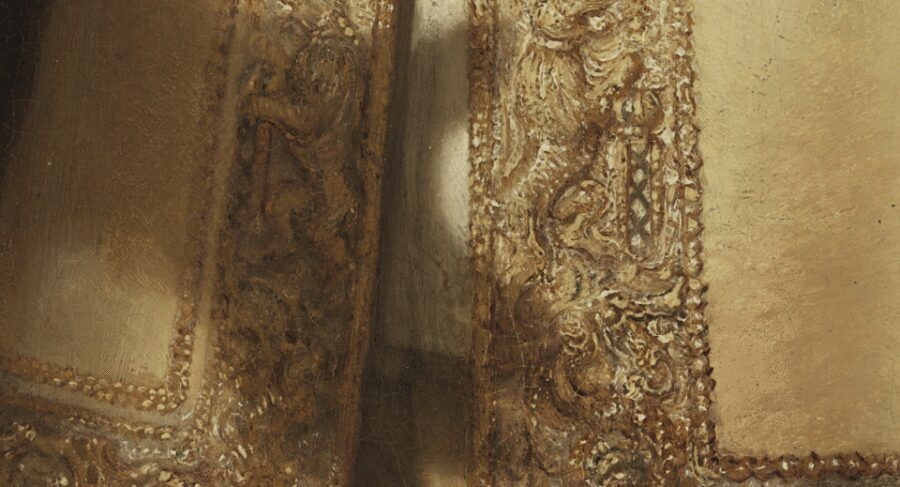
Rembrandt is often described in terms of greatness, but what I like here is the emphasis on what you can actually see. The tour highlights Rembrandt’s phenomenal brushstrokes, and that approach helps you notice texture, light, and expression instead of just looking for the signature “wow” factor.
Then you move into Vermeer’s world. The tour focuses on his intimate scenes, which is exactly the right angle because Vermeer can be misunderstood if you approach him like a spectacle painter. With guidance, his quiet scenes become easier to interpret—especially when the guide frames what makes them feel close and personal.
Frans Hals rounds out the arc with his smiling figures. Hals is a great choice for a private tour because his energy shows up fast. When your guide points it out, you can feel the difference between a generic portrait and a portrait with personality.
You can also read our reviews of more tours and experiences in Amsterdam






Why Amsterdam and Dutch art belong together in your head
One of the best parts of this experience is how it explains why Dutch art flourished in the 17th century—and how Amsterdam became a liberal city. That context isn’t trivia. It’s a lens.
When you understand the social and cultural climate behind the art, the paintings stop feeling like isolated masterpieces and start feeling like responses to the world. You also get a better sense of why this museum collection feels cohesive: the artists aren’t just famous; they’re part of a shared moment.
This is also a helpful antidote to museum overload. Instead of trying to memorize everything you see, you start grouping it in your mind—artists, styles, and the era’s outlook.
The Van Gogh connection: a later chapter you’ll remember
Most people walk into the Rijksmuseum thinking it’s only about Dutch Golden Age painting. This tour adds a satisfying later link: Van Gogh’s visit around 1885 and how it connects to the museum.
Here’s the story your guide puts in context: Van Gogh went to the opening of the Rijksmuseum in 1885. He was waiting for a friend, so he made a sketch of Amsterdam in oil paint. That day, he left his bag with the painting in the wardrobe—and now, about 150 years later, the painting is back on view.
Even if you only know Van Gogh through later works, this detail is a fun way to understand why museums matter over time. It also helps you notice that art doesn’t live in one era only. It travels, returns, and gets re-contextualized—sometimes within the same building, decades or centuries later.
Free wardrobe and the “keep it moving” strategy
Practical wins matter on museum days. This tour includes free wardrobe access, and it’s not a small add-on.
Large bags and backpacks must be left in the free cloakroom, so having that handled as part of the experience reduces stress. You’re free to focus on art once you’re inside without managing a bag you can’t bring with you.
The best part is that this supports the tour’s pacing. Because the guide has you in a guided flow, the wardrobe setup doesn’t become a detour you keep resenting.
Touring solo, as a couple, or with friends: who it fits best
The price is $412 per group up to 2 people, and the included ticket covers museum entry for those two. That means this tour is built for couples and close pairs more than solo travelers—or friends who don’t want to do “split up and wander” museum time.
If you’re already the type who hates waiting in lines, the skip-the-line feature has obvious appeal. If you’re the type who also likes having your visit shaped by what you care about, the private art historian format is a good match.
Also, this 2-hour structure works well if you want depth but not a full-day museum commitment. The guides mentioned in past experiences have been praised for not rushing people, and for taking time to see specific works requested. That tells me the tour is meant to feel human, not factory-paced.
Price and value: when $412 actually makes sense
Let’s talk value, not just cost. At $412 per group up to 2, you’re paying for three things at once: private time, a certified art historian guide, and reserved skip-the-line entry.
If you compare this to paying for general admission and then spending your time competing with crowds, the money starts to make more sense. In busy seasons, “waiting time” isn’t just wasted minutes—it’s lost attention. This tour is designed to convert that time into viewing and explanation.
You’re also buying a guide who can adjust. Past guides like Fannie and Cecile have been highlighted for informative stories and keeping the pace comfortable. Liz and Genevieve have also earned praise for engaging presence and even give-and-take, where your opinions help guide what you focus on.
So if you want your Rijksmuseum visit to feel like a guided conversation—rather than a checklist—this price can be fair.
What to expect from the guide (based on real patterns)
Across multiple guide names, the same strengths keep showing up:
- Prompt, organized meet-up: Cecile met guests promptly, and in at least one case, her boss delivered the skip-the-line access cards.
- English live guiding: the tour is conducted in English.
- No rush: multiple guides have been described as confident, engaging, and respectful of the allotted time.
- Specific attention: guides took visitors to particular works they wanted to see, which makes your two hours feel like they’re yours.
I’d expect those qualities to be the “engine” of the tour, regardless of which guide you get.
The fine print that matters day-of
This tour doesn’t include hotel pickup or drop-off, so you’ll be responsible for getting yourself to the Cobra Cafe meeting point.
Food and drinks aren’t included, so plan to handle that separately. Since the tour is inside the museum and lasts 2 hours, you’ll want to be comfortable with a museum-centered block of time.
Wheelchair accessibility is stated for the Rijksmuseum, and the tour itself is wheelchair accessible. Just remember that large bags and backpacks have to go into the free cloakroom.
Also note the language is English, and the tour is a private group, so you’re not sharing the experience with strangers.
Should you book this Rijksmuseum private tour?
Book it if you want your Rijksmuseum visit to feel like a guided look at meaning—especially through Dutch 17th-century art. The combination of a certified art historian, reserved skip-the-line entry, and a focused 2-hour format is a strong value when you’d rather spend your time seeing than waiting.
Skip it (or consider another option) if $412 for a group of up to two is more than you want to spend, or if you’re trying to cover every corner of the museum. Two hours is plenty for highlights and smart connections, but it won’t replace a slower, full-day self-guided marathon.
If you’re excited by Rembrandt’s brushwork, Vermeer’s intimacy, Hals’s character, and you like the idea of a Van Gogh story threading through the visit, this tour is built for you.
FAQ
How long is the Rijksmuseum private tour?
The tour duration is 2 hours.
Where is the meeting point?
You meet at the Cobra Cafe, Hobbemastraat 18.
Is skip-the-line entry included?
Yes. You get skip-the-line access through a separate entrance, along with reserved entrance tickets.
Who provides the tour?
The tour is led by a certified art historian.
How many people is the price for?
The price is for 2 people (a group up to 2). You can contact the provider to add more people.
What’s included in the ticket?
Two entrance tickets are included as part of the package, and the tour includes museum entry for those two.
Does the tour include a wardrobe or cloakroom service?
Yes. There is a free wardrobe/cloakroom.
What items can I not bring into the museum galleries?
Large bags and backpacks must be left in the free cloakroom.
Is the tour wheelchair accessible?
The Rijksmuseum is wheelchair accessible, and this tour is listed as wheelchair accessible as well.
Is food or drinks included?
No. Food and drinks are not included.
What language is the tour delivered in?
The live tour guide provides the tour in English.