REVIEW · AMSTERDAM
Private Amsterdam Red Light District and Coffee Shop Tour
Book on Viator →Operated by Trigger Tours · Bookable on Viator
Sex and laws, explained on foot.
This private Amsterdam Red Light District and coffee shop tour gives you an insider perspective on how local rules and daily life coexist in one of Europe’s most talked-about neighborhoods. I especially like the relaxed pace and the way your local guide keeps things educational instead of awkward.
I also like that you get more than street-level impressions. You’ll connect the modern scene to older Amsterdam foundations, including wooden-pile building history and centuries-old landmarks. The main thing to consider is that the topic is adult and the setting is sensitive for some people, so you should be comfortable with a respectful, frank approach.
In This Review
- Key takeaways before you go
- Why Amsterdam’s Red Light District Works (When You Understand the Rules)
- Damrak and the City Built on Wooden Piles
- Walking the Red Light District With a Guide Who Sets the Tone
- Coffee Shop Culture: What Tolerance Looks Like on the Ground
- The Old Town Stops That Make This Tour More Than One Neighborhood
- The Ape (Int Aepjen): A Wooden Survivor From 1540
- Waag: From City Gate to Guild Hall
- The Smallest House: VOC Storage to Long-Term Living
- The District’s Old-Town Backbone
- Condomerie: The City’s Unusual Commerce Explained
- Timing, Pace, and Meeting Near Damrak
- What You Really Pay for: Value of a Private Tour at $41.60
- Who This Tour Suits Best (and Who Might Want a Different Plan)
- Before You Book: Practical Tips That Actually Help
- Should You Book This Private Red Light District and Coffee Shop Tour?
- FAQ
- How long is the tour?
- Where do I meet the tour?
- Is this tour private?
- What is included in the price?
- Is food or drinks included?
- Are there upgrades available?
Key takeaways before you go
- Private group attention: just your group, so questions don’t get lost in the shuffle
- Law and culture, not rumors: you’ll learn how local tolerance works in practice
- Real old-town stops: Waag, The Ape (Int Aepjen), and more history than you expect
- Coffee shop context: understand the culture around cannabis with a guide’s help
- Optional add-ons: you can upgrade to the Erotic Museum or to a coffeeshop visit with your guide
Why Amsterdam’s Red Light District Works (When You Understand the Rules)
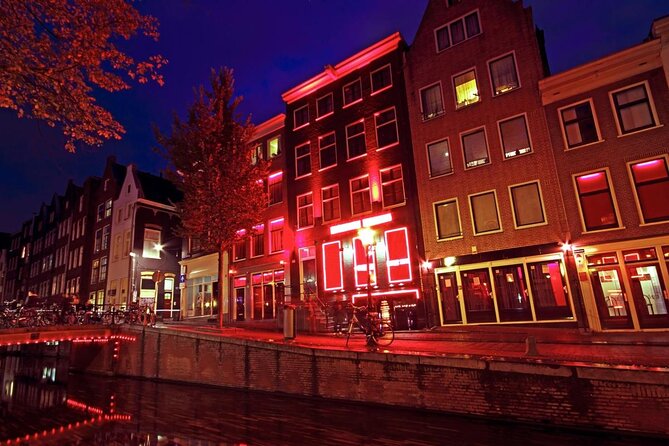
Amsterdam has a talent for turning taboos into policy. Here, prostitution is legal and marijuana is tolerated, and that difference matters a lot. The point of this tour is not shock value. It’s setting the frame: what the city allows, how it handles boundaries, and why the area developed the way it did.
I like that the guide starts with context and keeps your bearings straight. You’re not walking blind through a maze of signs and stereotypes. Instead, you’re learning the logic behind it, so the neighborhood feels more like a district with a history and rules rather than a headline you can’t interpret.
One more thing I appreciate: the tour aims to be respectful. You get a guided walkthrough where your guide can answer questions without turning the whole experience into something uncomfortable. If you’re coming with teens or friends who need clarity, that tone is a big deal.
You can also read our reviews of more private tours in Amsterdam


Damrak and the City Built on Wooden Piles
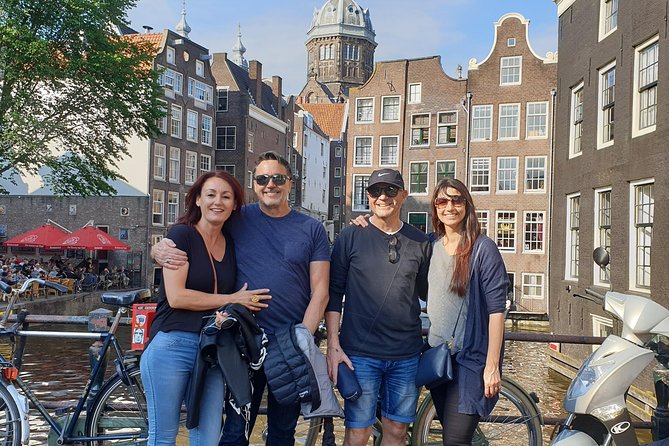
You begin near Damrak, where the tour’s vibe quickly shifts from river-city postcard to real Amsterdam mechanics. You’ll hear how Amsterdam’s soil influenced its architecture. The city sits on thick layers of fen and clay, so buildings rely on wooden foundation piles driven down until they reach a sandy layer roughly 11 meters deep.
This isn’t just trivia. It helps you understand why Amsterdam looks the way it does, with structures that could only exist on this kind of engineering. Even if you already knew the city leans and wobbles, you’ll learn how the locals handled the challenge centuries ago.
You’ll also be pointed toward the old-town core. The area you’ll walk through is part of the oldest parts of the city, which explains why so many sites feel layered: the Red Light District isn’t floating in isolation. It’s woven into streets that have been evolving for a very long time.
Walking the Red Light District With a Guide Who Sets the Tone
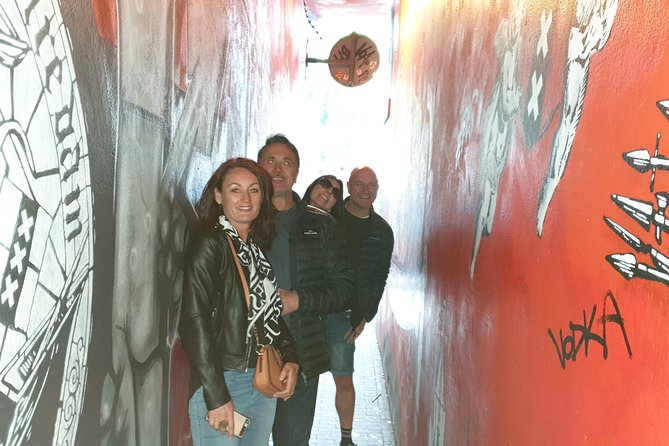
The Red Light District can feel overwhelming if you arrive expecting chaos. With a guide, you get structure. You’ll learn the neighborhood’s history and see it as a place shaped by law, commerce, and tourism pressure.
A big part of the value is how the guide balances clarity with sensitivity. People often expect the tour to focus only on what’s in shopfront windows or behind doors. Instead, you get the bigger picture: how Dutch law interacts with daily life, how the district operates, and what tolerance means in practice. That’s why the experience tends to land well for different groups, from first-timers who want education to couples who want a calm explanation.
If you end up with a guide like Robin or Ben, expect humor used lightly, plus a steady pace that lets you absorb what you’re seeing. Guides such as Saskia, Esther, and Catherine are also highlighted for keeping things engaging and professional. The names matter here because the consistent theme is the same: respectful storytelling plus enough detail to make the district make sense.
Coffee Shop Culture: What Tolerance Looks Like on the Ground
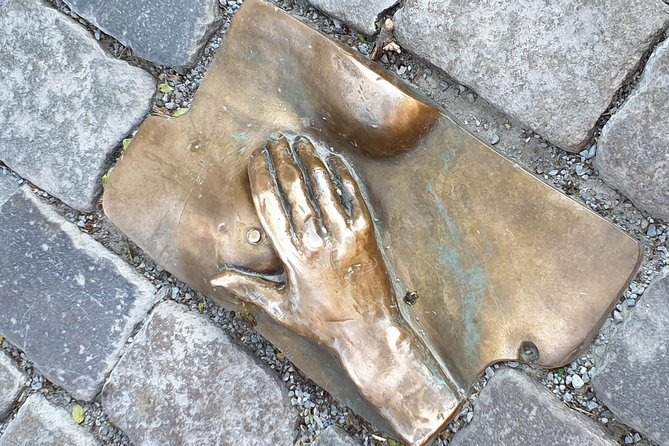
This is where the tour name earns its weight. Amsterdam’s cannabis rules can sound confusing from abroad, and the coffee shop culture has its own unwritten rhythm. Your guide helps translate that into something you can actually understand while you’re there.
You’ll learn about the broader idea of tolerance: how laws and enforcement shape what visitors see, and why coffee shops became part of the neighborhood’s identity. The point is not to give instructions or encourage anything risky. It’s to explain how the system works so you don’t rely on internet myths.
There’s also an upgrade option depending on what you want from your evening:
- You may be able to upgrade to visit the Erotic Museum, for a more museum-style, indoor take on adult history and art.
- Or you might upgrade to visit a coffeeshop with your guide, which can be helpful if you want guidance on what to expect in that setting.
Consider what would feel most comfortable for your group. A museum can reduce sensory overload. A coffeeshop visit can feel more like stepping into everyday local culture. Either way, the guide’s role is to put it into context, not just point at doors.
The Old Town Stops That Make This Tour More Than One Neighborhood
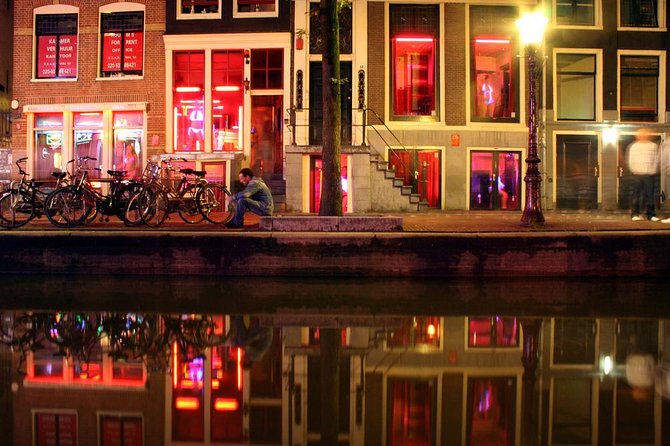
One of the surprises here is how many history stops you get beyond the obvious streets. The walking route doesn’t only chase attention. It connects the district to the city’s deeper past.
You can also read our reviews of more tours and experiences in Amsterdam

The Ape (Int Aepjen): A Wooden Survivor From 1540
You’ll stop at Pub The Ape, known as Int Aepjen in Dutch. This building dates to around 1540 and is one of only two remaining wooden buildings in Amsterdam. That’s special because a major fire in 1452 changed building policies. After that, the government pushed for brick facades, which is why wooden structures are so rare.
If you like architecture, this stop is a great pause. It’s a quick lesson in how disasters can reshape cities for centuries.
Waag: From City Gate to Guild Hall
Next comes the Waag, once a city gate and part of Amsterdam’s defensive wall. It was built around the 1400s and is described as the city’s second-oldest building. Later on, it became a center where guilds and craftsmen’s organizations gathered within the building and around the square.
This is a good moment to zoom out. While the Red Light District is modern in feel, Amsterdam’s old trading and defensive history sits behind it. Waag makes that connection feel real.
The Smallest House: VOC Storage to Long-Term Living
You’ll also see Amsterdam’s smallest house, built around the 1700s. It originally served as storage for the VOC trading company, then later became a place where people lived for a very long time.
I love stops like this because they show the city’s contradictions: global trade and tiny domestic space, commerce and daily life, all stacked into one street scene.
The District’s Old-Town Backbone
Throughout the walk, you’ll be reminded that the neighborhood is part of the city’s oldest fabric. That matters because it helps you see the Red Light District not as a standalone tourist attraction, but as a neighborhood with layers of development, architecture, and rules.
Condomerie: The City’s Unusual Commerce Explained
Yes, you’ll also hit the Condomerie, described as the world’s first condom shop dedicated to condoms since 1987. It offers customized sizes and a range of special condoms.
This stop isn’t there to be random. It fits the theme of Amsterdam’s practical attitude toward adult topics. The city doesn’t treat sexuality as a taboo wall. It treats it as something that can be managed, sold, and discussed openly with consumer information and a local sense of normalcy.
If you’re the type who likes odd-but-meaningful details, you’ll probably enjoy this part. If adult subjects make you uncomfortable, treat it as a context stop, not a performance.
Timing, Pace, and Meeting Near Damrak
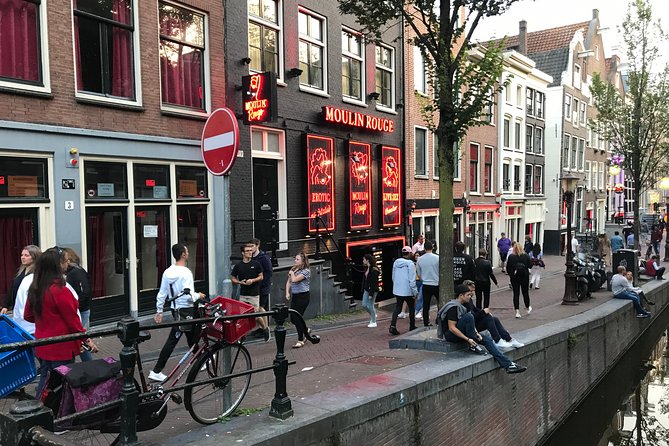
The tour runs about 2 hours (give or take), and it’s a walking experience with stops spaced so you can listen and look without rushing. Being on foot matters here. You can actually see how streets change, how old buildings sit next to newer storefronts, and where the district’s energy shifts.
You meet and end back at Damrak (1012 Amsterdam). That central location is convenient, especially if you want to start your night in a known spot and then connect to dinner or a canal stroll afterward.
Language is English, and the guide keeps the pace relaxed. You’ll get enough time to absorb the stories without feeling herded.
What You Really Pay for: Value of a Private Tour at $41.60
At $41.60 per person, the main value isn’t the price on paper. It’s the structure and access. This is a private tour, meaning only your group participates. That matters in a sensitive neighborhood because your questions are personal. You’ll want clarification sometimes. A private format gives you room for it.
You also get a local guide and a guided walking tour with history and cultural context built in. Plus, admission tickets are listed as free for the included elements, which helps keep the cost from ballooning.
If you’re considering upgrades, the math shifts a bit. The Erotic Museum upgrade or a coffeeshop visit with your guide can be worth it if that’s what your group wants most. If you’re mainly there for street-level understanding plus history stops, the standard walk may already feel like a smart use of time.
Who This Tour Suits Best (and Who Might Want a Different Plan)
This tour is a strong fit if you:
- want adult-history context without a crude tone
- prefer learning how tolerance works instead of guessing
- enjoy walking city streets with story-driven stops
- have a mixed group and need explanations that keep things comfortable
You might think twice if you:
- dislike adult subject matter in public spaces
- prefer purely daytime sightseeing and zero sensitive topics
- want deep museum time rather than a mix of streets and landmarks
That said, the experience is often described as comfortable even for groups that include teenagers, because the guide style is focused on respect and explanation rather than spectacle.
Before You Book: Practical Tips That Actually Help
Plan on walking in the Red Light District area at night. Wear shoes that handle cobblestones and uneven sidewalks. If it’s raining, you’ll still go; the walk is the core activity.
Also, decide your comfort level before you go. This is not a guessing game, and a good guide will help you understand what you’re seeing. If you have specific questions about Dutch law, coffee shop culture, or how the district developed, ask them early. The tour’s value comes when you use the guide’s explanations while the scenes are still fresh.
Should You Book This Private Red Light District and Coffee Shop Tour?
Book it if you want a clear, respectful way to understand Amsterdam’s most misunderstood neighborhood. I think it’s especially worth it as a private experience because sensitive topics go better when you can ask questions without time pressure.
Skip or look for a different option if your group would feel uncomfortable walking through adult-focused streets and shops, even with a guided tone. In that case, a museum-only or daytime history-focused plan might match your energy better.
If your goal is to get your bearings fast and learn how the city actually handles legal tolerance, this tour is a practical, worthwhile choice for a first (or repeat) visit to Amsterdam.
FAQ
How long is the tour?
It’s about 2 hours.
Where do I meet the tour?
You meet at Damrak, 1012 Amsterdam, Netherlands, and the tour ends back at the same place.
Is this tour private?
Yes. It’s a private tour/activity, and only your group participates.
What is included in the price?
A local guide and a guided walking tour are included.
Is food or drinks included?
No. Food and drinks are not included.
Are there upgrades available?
Yes. There’s an option to upgrade to visit the Erotic Museum or to visit a coffeeshop with your guide.