REVIEW · AMSTERDAM
Amsterdam: Rijksmuseum Private Tour
Book on GetYourGuide →Operated by Orange Adventures · Bookable on GetYourGuide
A great painting lesson starts with one masterpiece. On this 2-hour private Rijksmuseum tour, I like how the guide turns Dutch Masters art into something you can actually read, not just look at. You’ll focus on Rembrandt, Vermeer, Frans Hals, and you’ll get full explanations of techniques and hidden meanings as you move through the museum.
Two highlights I’d plan around: seeing The Nightwatch in the Honorary Gallery and getting the difference-maker context for how Dutch painting shifted toward everyday life. One thing to keep in mind: because the museum gets very crowded, the guide may need to keep a steady pace if there’s another tour scheduled right after yours.
In This Review
- Key things that make this tour worth your time
- Why a 2-hour private Rijksmuseum tour makes sense
- Entering the museum and finding your guide fast
- The Honorary Gallery experience: The Nightwatch, explained like a book
- Medieval art to Dutch Masters: the shift you’ll actually notice
- Vermeer and Frans Hals: learning to see detail on purpose
- Dutch power, sea trade, and why everyday life became a headline
- The art-teacher approach: how the guide keeps you thinking
- Price, group size, and what $235 buys you
- Skip-the-line reality: entrance tickets are on you
- Amsterdam Card: a smarter way to bundle museum time
- Who this tour suits best
- Should you book this Rijksmuseum private tour?
- FAQ
- How long is the Rijksmuseum private tour?
- How many people are included in each private group?
- Is the entrance ticket included?
- Where do we meet the guide inside the museum?
- What languages does the live guide speak?
- Does an Amsterdam Card help with museum access and transport?
- What is the cancellation policy and can I pay later?
Key things that make this tour worth your time
- Honorary Gallery + The Nightwatch: You don’t just find Rembrandt’s big moment; you learn what to look for and why it matters.
- Painting technique as a story tool: You’ll hear how color, light, and brushwork helped 17th-century viewers understand the scene.
- Medieval vs Dutch/Flemish masters: The tour frames what changed in subject matter and style, so the museum stops feeling like a blur.
- Vermeer and Frans Hals with practical sight-reading tips: You learn how to notice details you’d likely miss on your own.
- Flexible private pacing: The guide can adapt to what you care about, whether it’s portraiture, daily life scenes, or the technical side of painting.
- Rolf (and sometimes Isabel) brings energy: One guide replacement story still stayed perfectly engaging, which is reassuring if schedules shuffle.
Why a 2-hour private Rijksmuseum tour makes sense
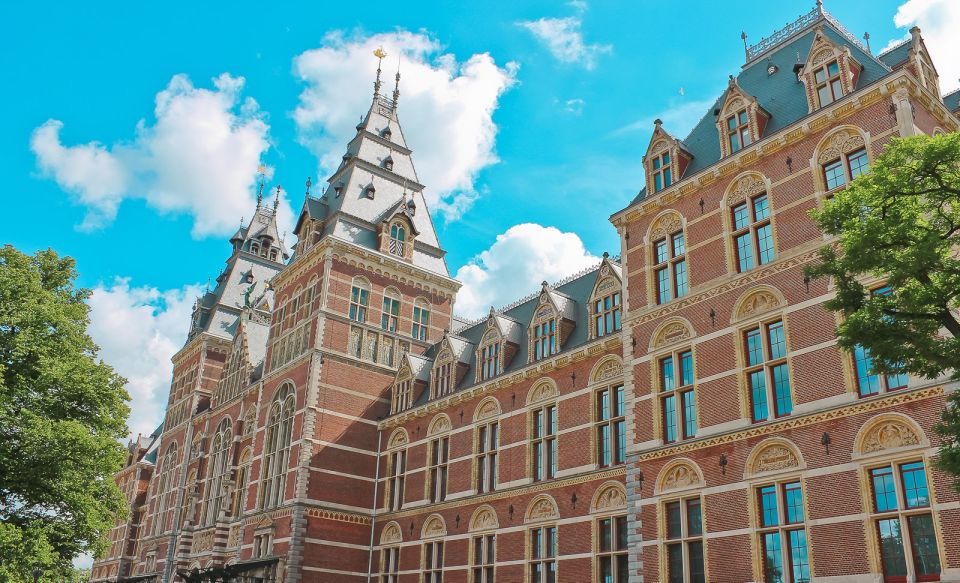
The Rijksmuseum is famous, but that can also make it feel like a checklist. This tour solves that by staying short—2 hours—and letting your guide point your attention in the right direction. You’re not wandering from room to room hoping for the best. You’re moving with purpose.
I also like the private format. Up to 2 people per group means the guide can ask questions and steer the conversation toward what you actually notice. In one experience, the guide even worked the visit for different ages, including teenage boys who were not exactly begging for art history time. That tells me the tour isn’t just lectures. It’s built to keep people engaged.
The practical bonus: you’ll get the kinds of insights that help you enjoy the museum even after the guide leaves you. If you’re the type who likes to walk out saying, I get it now, this structure is tailor-made for that.
You can also read our reviews of more private tours in Amsterdam
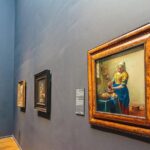

Entering the museum and finding your guide fast
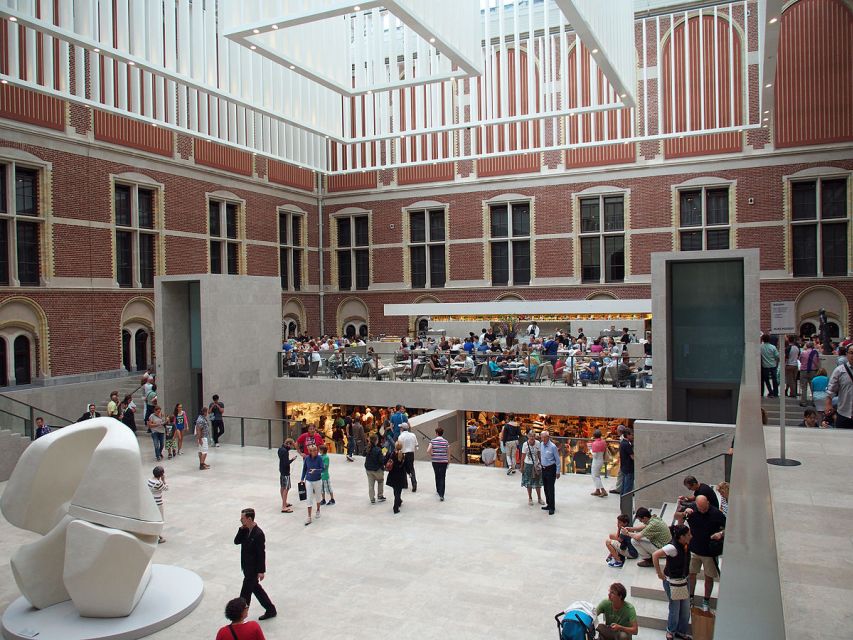
Your guide meets you inside the museum after you get in. Look for a round info counter. The meeting point is about 10 meters to the right, near a small sign that reads meeting point.
This detail matters because the Rijksmuseum has a lot of foot traffic. If you show up and immediately start hunting for staff, you lose the momentum you paid for. So I recommend arriving a touch early, taking one slow look around the entry area, then locking onto that info counter landmark.
Also, plan on a bit of crowd management. One group noted the museum was crowded and that the guide kept a brisk pace toward the end, especially because the guide had another tour later. That doesn’t mean it’s bad. It means you should be ready to see the most important works at a comfortable speed, even when the galleries are busy.
The Honorary Gallery experience: The Nightwatch, explained like a book
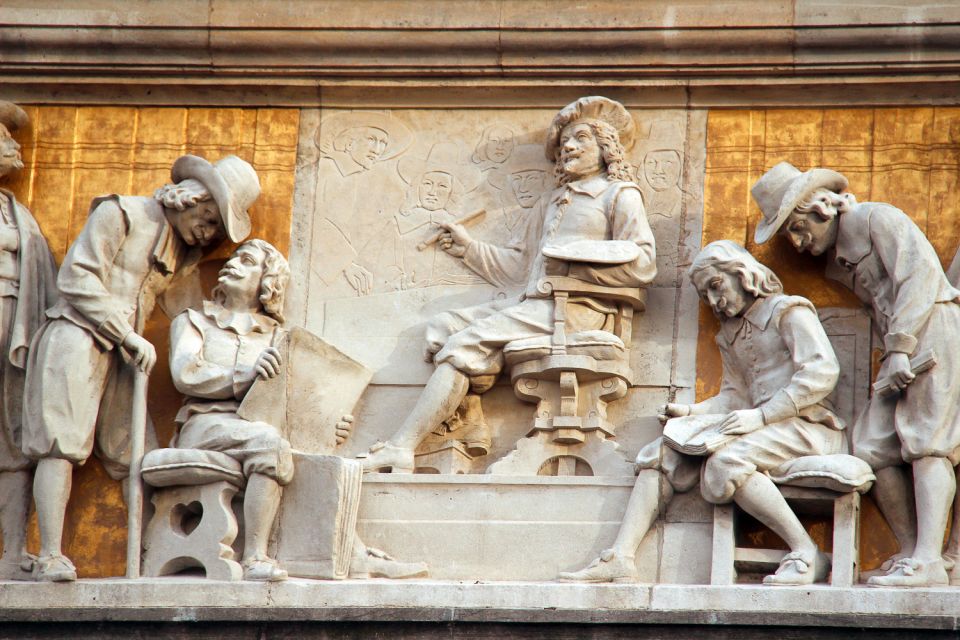
If you only do one thing at the Rijksmuseum, make it Rembrandt. On this tour, you’ll visit the Honorary Gallery and focus on The Nightwatch, Rembrandt’s masterpiece.
What I like here is the angle: the guide doesn’t treat the painting like a static object. You’re guided through what’s happening in the scene and how the painting communicates meaning. You’ll learn to see the painting as something that functioned like a message—something 17th-century people could “read,” similar to how we might read a comic panel or a page of a school textbook.
Rembrandt is the perfect anchor for this. His work is the kind where light, contrast, and composition do a lot of the storytelling. A good guide helps you catch what makes it work: the structure of the scene, how faces and gestures pull you around, and why certain choices make the figures feel present rather than posed.
And yes, it’s still impressive just to stand there. But the real win is leaving with a mental map of what you saw and why it’s famous beyond the museum label.
Medieval art to Dutch Masters: the shift you’ll actually notice
One of the tour’s best promises is not staying stuck in art jargon. You’ll learn the difference between Medieval art and the later Flemish and Dutch Masters, and you’ll see how innovation shows up on the canvas.
Here’s the practical payoff for you: once you understand what changed, your eyes start sorting paintings faster. Medieval works often feel more symbolic or stylized, while Dutch and Flemish Golden Age painting leans into realism and daily observation. That means faces look specific, settings feel lived-in, and scenes can carry layered meaning without needing mythology to do all the heavy lifting.
During the tour, the guide frames 17th-century painting as communication. For average people, a painting wasn’t just decoration. It worked like a teaching tool—something that taught values, beliefs, and stories in a format you could revisit at home.
So instead of staring at detail wondering what you’re supposed to do with it, you learn how the viewer would have “read” it. That changes the whole museum mood: you start noticing why things are included, not just how they look.
Vermeer and Frans Hals: learning to see detail on purpose
You’ll also spend time with major Dutch figures, including Vermeer and Frans Hals. The tour highlights how each artist’s approach connects to technique and meaning, so you don’t just memorize names. You learn the visual habits behind the results.
Vermeer is especially satisfying when you’re guided through the way the painting handles light and atmosphere. Without help, it can be easy to admire a work for mood alone. With a guide, you get a more concrete sense of what’s happening—how the painter builds a sense of space and how small details support the larger story.
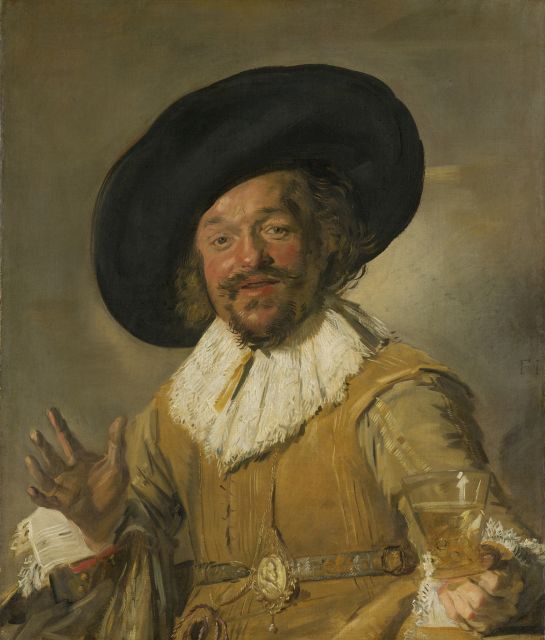
Frans Hals brings a different kind of excitement. He’s known for lively expression and a more direct feel. A guide helps you compare what you’re seeing across works, which is where the Rijksmuseum really rewards you. You stop treating each painting like an isolated showpiece and start seeing patterns in style and intention.
In the end, these sections teach you a skill: how to look. And that skill travels well. When you leave, you can go back to other galleries and “read” them with less confusion.






Dutch power, sea trade, and why everyday life became a headline
A big part of this tour is the context behind the paintings. You’ll hear about Dutch influence at sea—how the Dutch ruled the waves, and how this connected to earlier powers like the Spanish and Portuguese.
This matters because Dutch art of the period didn’t exist in a vacuum. The Golden Age was about trade, wealth, civic pride, and social change. Art reflected that. It also reflected who was buying it and why they wanted it on their walls.
You’ll also learn a key shift in subject matter. Kings, queens, and mythological or historical themes were still painted. But the tour emphasizes how painters gave more space to ordinary daily life than earlier traditions often did. That’s not just interesting trivia. It’s why these paintings feel strangely modern. They’re documenting real people, real rooms, and recognizable social moments.
And then there’s the meaning layer. The guide explains hidden messages and symbolism in selected works, tying them to the way 17th-century citizens would have understood the world. It’s basically art history, but with context that makes the scene feel like it has a job to do.
The art-teacher approach: how the guide keeps you thinking
One thing that comes through strongly is how the guide teaches. Rolf, in particular, is named across multiple bookings, and he’s described as energetic and engaging. In one tour, he started by discussing the Rijksmuseum’s architecture and history before he moved into the paintings. That’s a smart way to build a baseline so the art doesn’t feel like a random collection.
Rolf also asks questions that pull you into the process. You might be prompted to say what you notice first in a painting, compare one work to another, or even share what you like and don’t like. That kind of back-and-forth makes you look longer. And when you look longer, the details start to pop.
In one case, Rolf was not available and the substitute guide, Isabel, still delivered a well-organized, thoughtful pace that worked well for a family group. The continuity matters. It suggests the experience is guided, not improvisational.
If you’re the kind of person who usually walks through museums feeling lost, this teaching style is the difference between attendance and understanding.
Price, group size, and what $235 buys you
The price is $235 per group, up to 2 people, for a 2-hour private tour. That sounds high if you’re thinking per person like a bus tour. But private guides cost money, and the value here is in direction and interpretation.
You’re paying for:
- a guide who can explain technique and hidden meanings while you stand in front of the actual works
- a shorter, focused museum experience (so you’re not spending hours fighting crowds just to get the basics)
- private pacing that can shift based on what you care about
If you’re traveling solo or as a couple, this can be a good deal compared with paying for separate group tours and then still needing to figure things out on your own.
If you’re a family of four, the cost might feel steep, because the price is designed for up to two. In that case, consider whether two people on the booking want to go deep while the others visit the museum at their own speed—or whether you’d rather use that budget for tickets and other experiences.
Skip-the-line reality: entrance tickets are on you
This tour includes advice on how to skip-the-line, or how to make it bearable. That doesn’t mean tickets are included. Entrance tickets are not included, so you’ll still need to handle admission.
Why I think the “skip-the-line advice” matters: the Rijksmuseum can be crowded, and a private guide can help you avoid the worst delays or choose a smarter way to enter the flow. But you should still go in with a ticket in hand and a realistic mindset about crowds.
So treat this tour as interpretation plus practical help, not a magical pass that instantly clears the building.
Amsterdam Card: a smarter way to bundle museum time
The tour info strongly suggests getting an Amsterdam Card, available through GetYourGuide. The card offers unlimited museum access and includes public transport. It also covers the train from the airport to Amsterdam city centre, plus trams in town.
If you’re planning multiple museum stops, the card can turn admission from a separate budget line into something you already paid for. For a short Amsterdam trip, that can be a big stress reducer. You can spend your energy on art rather than figuring out ticket math each day.
Just keep one practical caution: this tour does not include entrance tickets, so you’ll still want your Amsterdam Card ready to use at the museum.
Who this tour suits best
This is a strong fit if you:
- want to understand Dutch Masters techniques instead of just snapping photos
- prefer a guide who can explain symbolism and practical meaning in plain language
- like museums but hate wandering without a plan
- travel as a couple or small group (up to 2 people)
It also seems friendly for mixed ages. One family group reported that even teenage boys stayed engaged, thanks to the way the guide used comparisons and everyday explanations. If you’re bringing kids, that’s a good sign the tour won’t treat them like an afterthought.
If you’re already an art scholar who wants extended time in just one room, you might find the 2-hour focus a bit short. But for most visitors, short focus is exactly what makes it memorable instead of exhausting.
Should you book this Rijksmuseum private tour?
I’d book it if you want the Rijksmuseum to feel understandable fast. The combination of The Nightwatch in the Honorary Gallery plus guidance on technique and meaning is the kind of return you can’t reliably get just by reading a label. And the private format for up to two keeps the experience personal.
I’d think twice if you’re extremely time-strapped and hate the idea of a steady pace in a crowded building. One booking noted a slight rush toward the end because the guide had another tour. That’s not a dealbreaker, but it’s a heads-up that you should plan to arrive on time and be ready to move.
If you love art that feels like storytelling—and you want practical help seeing it—this is a solid, good-value choice for your Amsterdam schedule.
FAQ
How long is the Rijksmuseum private tour?
It lasts 1 day, and the guided experience is described as a private 2-hour tour of the Rijksmuseum.
How many people are included in each private group?
The price is listed per group up to 2 people, so the private group is sized for up to two.
Is the entrance ticket included?
No. Entrance tickets are not included, but the tour includes advice on how to skip the line or make it more bearable.
Where do we meet the guide inside the museum?
Meet your guide inside the museum after you enter. You’ll see a round info counter; about 10 meters to the right there’s a small sign that reads meeting point.
What languages does the live guide speak?
The guide is listed as Dutch, English, and German.
Does an Amsterdam Card help with museum access and transport?
Yes. The tour suggests getting an Amsterdam Card, which provides unlimited museum access and includes public transport, such as trams and train service from the airport to Amsterdam city centre.
What is the cancellation policy and can I pay later?
Free cancellation is offered up to 24 hours in advance for a full refund. There is also a reserve now & pay later option to keep travel plans flexible.