REVIEW · AMSTERDAM
Guided Amsterdam Canal Cruise – Snacks & Drinks on board(1 Hour)
Book on Viator →Operated by Sloepon Amsterdam Canal Tours · Bookable on Viator
Small boat, big canal stories. This one-hour Amsterdam cruise threads you through classic waterways and lesser-known canals only small boats can use, with English storytelling and plenty of chances to buy drinks and Dutch cheese as you go.
I like the close-up views you get from a smaller craft, especially along the UNESCO canal corridor. I also like the guide approach, with names like Ties, Huib, Sam, Tallon, and Debbie popping up in the onboard experience—often mixing history with easy humor that keeps the ride from feeling like a lecture.
One thing to plan for: there’s no toilet on board, so use the chance before you board and keep water/beer timing in mind.
In This Review
- Key highlights to know before you board
- One-hour Amsterdam canal time that actually fits your day
- Snacks, drinks, and the Dutch-cheese factor (what’s included vs. what’s for sale)
- Finding Oudezijds Voorburgwal 226 without losing time
- The oldest streets, leaning houses, and a Red Light District church with 1306 roots
- Dutch maritime beginnings: the East India Company ship replica
- Modern Amsterdam on the water: the ship-shaped futuristic building and rooftop views
- Synagogues, museums, and stories of resilience along the canal
- Hidden green calm: a 17th-century plant paradise from the water
- Herengracht mansions and the merchant-era architecture you can see at canal level
- Seven arch bridges: Amsterdam’s romantic alignment shot
- The kiss-legend drawbridge and crooked houses built on wooden poles
- Old city wall remnants and medieval clues hiding in plain sight
- Guides who make the hour feel personal
- Before you book: who should choose this cruise, and who might want a different option
- Should you book this Amsterdam canal cruise?
- FAQ
- How long is the guided Amsterdam canal cruise?
- What language is the tour offered in?
- Is the tour a small group?
- What’s included, and do I buy drinks or snacks onboard?
- Is there a toilet on the boat?
- Is it wheelchair accessible?
- Where do I meet for the cruise?
- What happens if weather is bad or the tour is canceled?
Key highlights to know before you board
- Small-boat routing through canals larger boats can’t reach
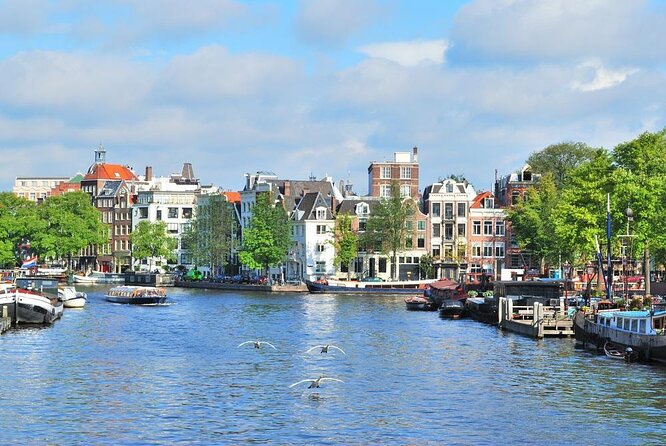
- UNESCO canal views plus close looks at architecture you’d miss from the bridge
- On-board drinks and Dutch cheese you can purchase during the cruise
- A tight, one-hour format that fits even a rushed Amsterdam day
- English guided commentary with stories tied to each stretch of water
- Open-air sightlines (when available) can make a difference for what you can see
One-hour Amsterdam canal time that actually fits your day
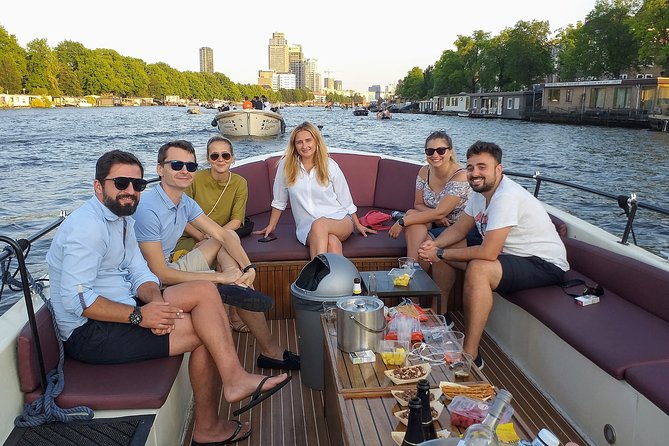
This cruise is built for efficiency: about one hour, out and back to the same meeting point. If you’re trying to get your bearings fast, this is a strong move. Amsterdam’s canal system is a whole world, but you don’t need a half-day to see the patterns—the neighborhoods and the architecture show up quickly from the water.
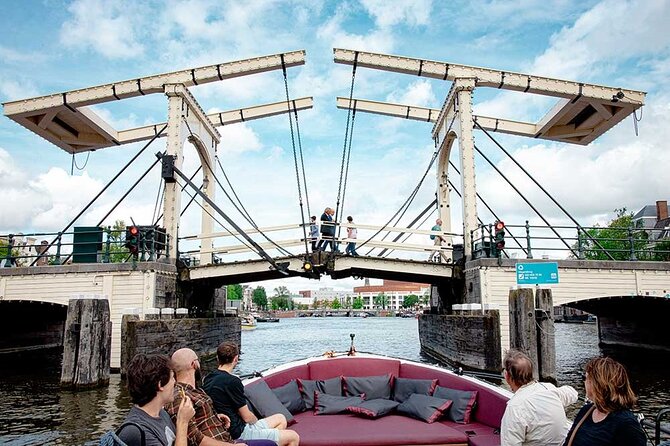
The boat is small, and that matters. You’ll feel closer to the buildings, and you’ll go down narrower routes that give you a more “how does the city really work” perspective instead of the usual big-boat pass.
Price is $21.77 per person, and the value comes from a mix of (1) guided interpretation and (2) the ability to reach tighter canal lanes. In other words, you’re not just paying to float—you’re paying to understand what you’re looking at as the scenery slides by.
You can also read our reviews of more boat tours in Amsterdam


Snacks, drinks, and the Dutch-cheese factor (what’s included vs. what’s for sale)
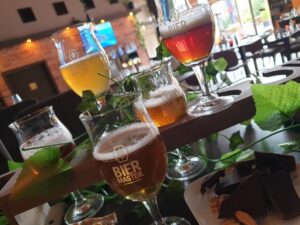
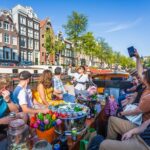
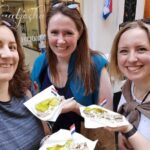
The cruise experience centers on snacks and drinks, but with an important detail: drinks and Dutch cheese are available to purchase on board. So think of it like a floating bar-and-snack stand during sightseeing, not a meal that’s bundled into the ticket price.
That said, having options makes the hour feel more like a break than a chore. If you want a beer, wine, cocktail, or soft drink, you can order on the boat while you watch bridges, mansions, and houseboats drift into view.
Dutch cheese is part of the onboard snack vibe. It’s a very Amsterdam choice, and it pairs well with the slow pace of canal cruising. Just remember: it’s for sale on board, so if you want the best variety, decide early rather than waiting until you’re near the end of the route.
Finding Oudezijds Voorburgwal 226 without losing time
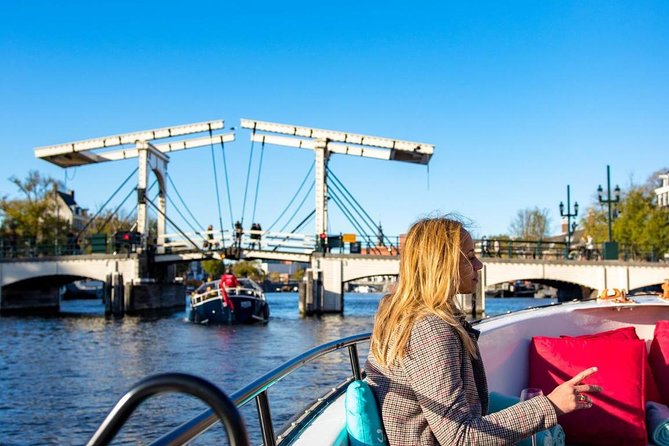
Your meeting point is Oudezijds Voorburgwal 226 (1012 GJ). The good news is it’s in a central area with public transportation nearby. The slight hassle is that this dock zone can look similar across multiple boat operators.
Quick fix: ask on arrival which boat matches your tour. One traveler noted the meeting point can be tricky because several boat companies leave from the same general spot, and the fastest solution was simply asking any booth or staff nearby to point you to the correct departure. Do that, and you’ll be seated and ready.
You’ll also get a mobile ticket, which makes checking in simple if you’re comfortable with phone tickets. The tour runs in English, and the group stays under 20 travelers, which helps keep the ride from feeling chaotic.
The oldest streets, leaning houses, and a Red Light District church with 1306 roots
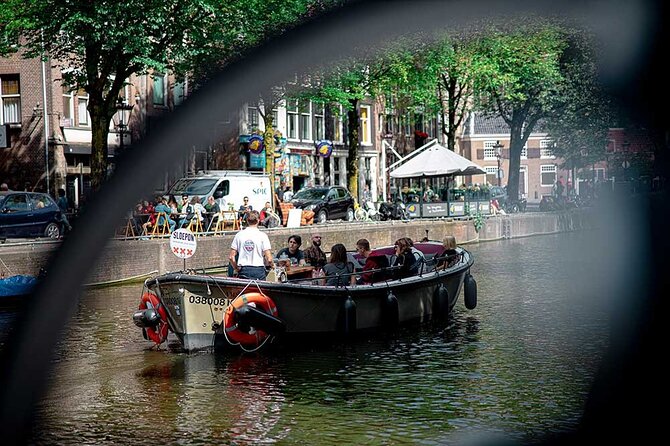
The itinerary starts in the oldest slice of Amsterdam, where the city feels human-scaled: narrow alleys, tight corners, and those famous leaning houses. From the water, you can see how buildings crowd the canal edges and how the city layout evolved block by block rather than all at once. It’s a great warm-up because it sets up why Amsterdam looks the way it does—houses and streets shaped by water, ground conditions, and centuries of rebuilding.
Then you pass the oldest building dated to 1306, located in the heart of the Red Light District. The standout detail here isn’t the surrounding neighborhood—it’s the contrast. The church feels like an island of quiet and beauty amid an area that’s known for noise and spectacle.
What I like about this stop is the way the cruise uses contrast as a teaching tool. You’re not just seeing a landmark; you’re seeing how neighborhoods can contain opposite moods within a few meters.
A possible downside to keep in your head: on very busy dates (one traveler mentioned King’s Day), canal areas can get loud with music and crowds. When that happens, the audio of the onboard narration can compete with the street energy. If you’re someone who wants to hear every detail clearly, aim for a date that’s busy in crowds but not noisy with performances.
Dutch maritime beginnings: the East India Company ship replica
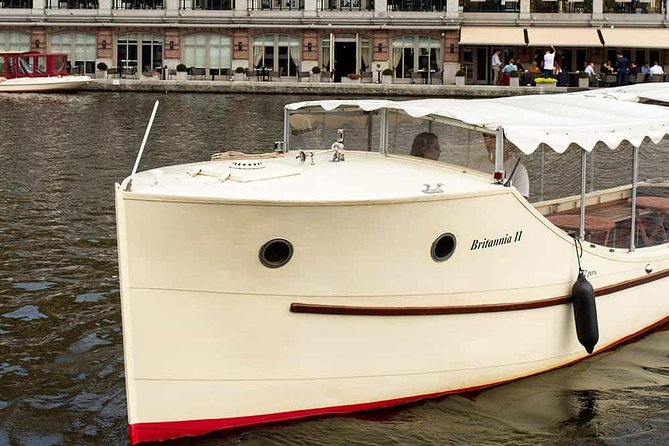
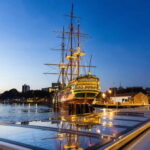
Next up: a life-sized replica of a Dutch East India Company ship. This is where the cruise nudges you from postcard canals to power and trade. Amsterdam rose as a maritime hub, and this stop gives you a visual handle on the kind of ships and business that helped shape the world—and helped shape the city itself.
From the water, the replica is easier to understand than from land. You can judge scale quickly, and you get a sense of what “ship city” probably felt like when the water was the main highway.
You can also read our reviews of more guided tours in Amsterdam


Modern Amsterdam on the water: the ship-shaped futuristic building and rooftop views
After that, you glide past a futuristic structure that looks like a ship-shaped building rising out of the water. It’s one of those Amsterdam moments where the city doesn’t treat the present as separate from the canals. It treats it like another layer stacked onto the same waterline.
One detail worth noting: the rooftop view is described as one of the best skyline angles. While you can’t go up during a canal cruise, you’ll still get the “this is why people come here” feeling while passing the building below.
Synagogues, museums, and stories of resilience along the canal
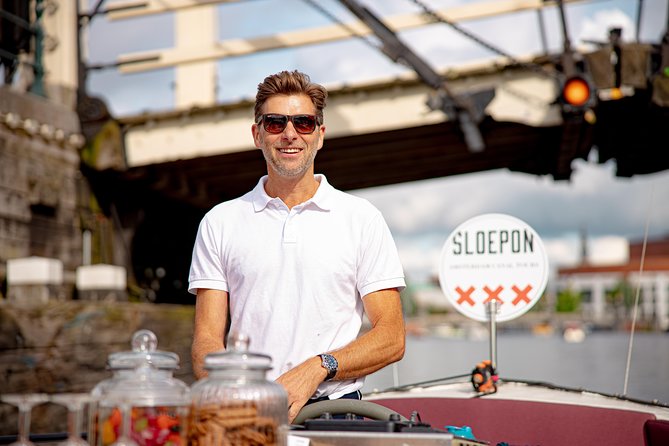
The route continues through a district with a heavy emotional weight—historic synagogues, museums, and monuments that tell stories of resilience, remembrance, and community. This is the stop that shifts the mood from architecture appreciation to context.
It’s also a reminder that Amsterdam’s canals are not only about beauty and dates on buildings. They run through spaces where people lived through real history. Even if you don’t study every exhibit, the canal view offers a calmer, more reflective way to pass through the area.
Guides tend to make this section clearer by linking the monuments and institutions to the idea that a city can carry memory in its streets, not just in books.
Hidden green calm: a 17th-century plant paradise from the water
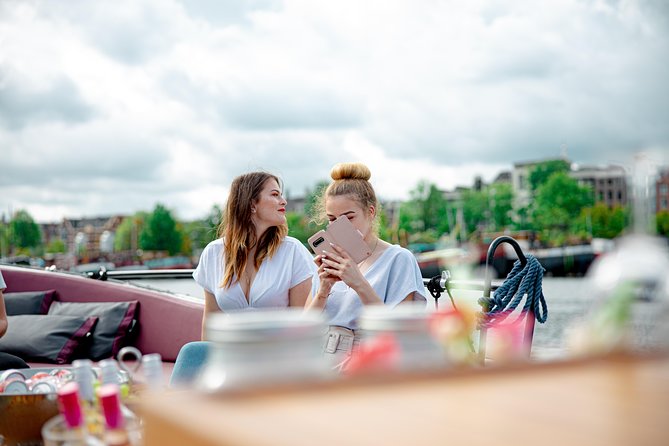
Then you get a break from hard edges: a hidden green paradise seen from the canal. You’ll notice the plants have history behind them, including references to plants dating back to the 17th century and rare species.
This stop works well in the flow of the hour. You’ve already seen power (the maritime theme), religion and contrast (the 1306 church), and modern architecture. The garden view resets your senses. The cruise makes it easy to spot how the city manages to keep pockets of quiet even while it stays intensely urban.
Herengracht mansions and the merchant-era architecture you can see at canal level
The cruise moves to the Herengracht, described as the most prestigious part, lined with grand 17th-century mansions. The key concept here is the Dutch Golden Age: wealth tied to trade, and a city that built visually impressive homes to prove it.
From the canal, you get a level of scrutiny you don’t always get from the bridge. You can see symmetry, facade details, and how the buildings sit right on the water’s edge. It’s a lot easier to grasp why these houses were status symbols when you’re close enough to read the architecture as a whole composition.
Seven arch bridges: Amsterdam’s romantic alignment shot
One of the most photogenic segments is the view of seven perfectly aligned arch bridges. If you’re traveling with a camera, this is the moment to hold your settings steady and aim.
Why it’s so good on a canal cruise: you see the alignment as a repeating pattern, not as separate landmarks. The bridges line up with the canal perspective, so you feel the geometry rather than just seeing seven objects.
If you’re the kind of person who likes walking tours but wants fewer stairs and more “look and understand,” this is where the cruise earns its keep.
The kiss-legend drawbridge and crooked houses built on wooden poles
After the arch-bridge romance, the cruise brings you to a white wooden drawbridge that lights up nicely at night. There’s also a legend attached: a kiss under the bridge guarantees everlasting love.
It’s clearly the sort of story guides share because it makes the moment memorable. Even if you don’t put faith in legends, it helps you remember the exact location and the exact look of the bridge. That’s what good guiding does—turns scenery into a mental map.
Then come the crooked canal houses, the ones that seem to lean like dancers. The cruise context matters: these homes were built on wooden poles over swampy ground, and that engineering quirk is why the buildings tilt. It’s a reminder that Amsterdam wasn’t built on dry land alone. It was built with water in mind, and the architecture reflects that negotiation.
Old city wall remnants and medieval clues hiding in plain sight
Near the end, you’ll spot remnants of Amsterdam’s old city wall, including hidden towers and canal traces connected to the medieval layout. From the water, these look like hints rather than full structures, which is exactly why they feel good to catch.
It’s like reading a city in layers. The cruise doesn’t stop at the “pretty” part; it gives you enough medieval context to understand why the waterway network was so important in the first place.
Guides who make the hour feel personal
This is where the cruise shines in a way you can feel fast: you’re not stuck with a script. Reviews and onboard comments point to guides with humor and personality, and names like Ties, Huib, and Sam come up again and again. Even when the subject gets serious—like remembrance or historical institutions—the delivery stays friendly and easy to follow.
That matters because the cruise is short. If the narration is flat, you lose half the value. If it’s playful and clear, you come away feeling like you saw something you couldn’t have pieced together on your own in an hour.
Before you book: who should choose this cruise, and who might want a different option
I’d book this if you want:
- A one-hour canal plan that doesn’t swallow your whole afternoon
- A small-group feel with a guide
- A route that mixes architecture, trade, and emotional context
- The chance to buy drinks and snacks on board (including Dutch cheese)
You might consider a different option if:
- You’re sensitive to noise on very busy city dates. On days when the canal corridor is crowded and loud, hearing detailed narration can be harder.
- You need bathroom access during the cruise. There’s no toilet on board, so plan ahead.
Should you book this Amsterdam canal cruise?
If you want a quick, guided way to understand Amsterdam’s canal culture, I think this is a smart pick. The value comes from the combination of a short time window, small-boat access to narrower canals, and guidance that turns famous spots into stories you’ll actually remember.
Book it especially if this is one of your first Amsterdam activities. It helps you get your bearings fast, and it gives you a framework you can use later when you explore on foot. Just make sure you start prepared with the one-hour format in mind and the no-toilet reality handled before boarding.
FAQ
How long is the guided Amsterdam canal cruise?
The cruise is about 1 hour.
What language is the tour offered in?
The tour is offered in English.
Is the tour a small group?
Yes. This activity has a maximum of 20 travelers.
What’s included, and do I buy drinks or snacks onboard?
Your ticket includes guided stories and the small-boat access. Drinks (beer, wine, cocktails, and soft drinks) are purchasable on board, and Dutch cheese snacks are available to purchase on board.
Is there a toilet on the boat?
No. There is no toilet on board.
Is it wheelchair accessible?
No. The tour/activity is not wheelchair accessible.
Where do I meet for the cruise?
Meet at Oudezijds Voorburgwal 226, 1012 GJ Amsterdam, Netherlands. The tour ends back at the meeting point.
What happens if weather is bad or the tour is canceled?
The experience requires good weather. If it’s canceled due to poor weather, you’ll be offered a different date or a full refund. It can also be canceled if a minimum number of travelers isn’t met, with the same options.