REVIEW · AMSTERDAM
Private Amsterdam Red Light District tour with food tastings
Book on Viator →Operated by Trigger Tours · Bookable on Viator
Red Light District, but with real context. This private tour is interesting because you combine expert explanations with food tastings right inside the neighborhood’s daily life. One possible drawback: if adult-themed sights and topics make you uncomfortable, this area may feel more intense than you expect.
I also like the way the route layers the old city into the walk. Stops near Dam and landmarks like Pub The Ape and the Waag turn vague memories of Amsterdam into clear, specific stories. Guides such as Aaron, Sander, and Tony are singled out for strong Q-and-A, good pacing, and a bit of humor when it helps.
In This Review
- Key things that make this tour worth your time
- Red Light District tour with food tastings: what private really changes
- Stop in the Red Light District: history, prostitution, and coffeeshop culture
- The Dam-area foundations: City built on trees and 11-meter reality
- Old Town layers: Old Church, Chinatown, and contrasts in one walk
- Pub The Ape (Int Aepjen): a 1540 wooden building after the 1452 fire
- Waag: from city gate to guild space
- The smallest house: VOC storage to long-term living
- World’s first condom shop since 1987: a modern stop with context
- Food tasting stops: how to get the most from snacks in this neighborhood
- Price and value: what $121.52 buys for a 2-hour private tour
- Who this tour is best for (and who should think twice)
- Practical comfort tips for an adult-themed neighborhood walk
- Should you book this Amsterdam Red Light District food tour?
- FAQ
- How long is the private Amsterdam Red Light District tour with food tastings?
- Where does the tour start?
- Is this tour private?
- Is the tour in English?
- What is included besides the walking tour?
- Are there any admission tickets required?
- How much does it cost?
- Is there free cancellation?
- When do I need to cancel to get a full refund?
- Is a mobile ticket provided?
Key things that make this tour worth your time
- A private setup for your group: only your party goes, so you can ask questions at your own speed.
- Food tastings built into the walk: you are not just sightseeing; you are sampling along the way.
- Old Town anchor points: you pass by the Dam area plus well-known neighborhood contrasts like Old Church and Chinatown.
- Pub The Ape (Int Aepjen) wooden survival: a building dating around 1540, linked to Amsterdam’s rules after a major 1452 fire.
- Waag’s long career: city-gate origins around the 1400s, later used by guilds and craftspeople.
- Condom shop since 1987: a practical, modern stop tied to how this district keeps reinventing itself.
Red Light District tour with food tastings: what private really changes
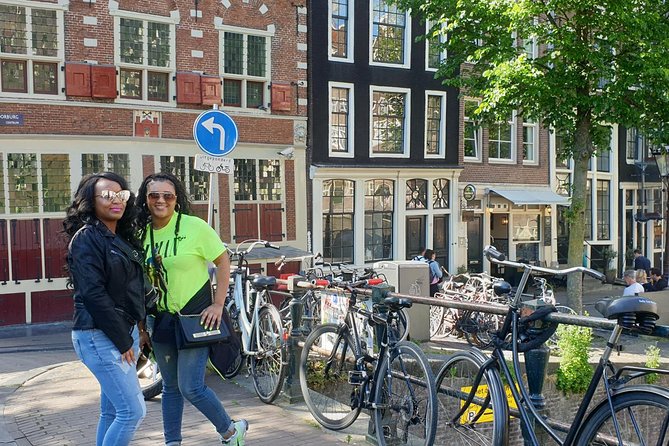
This is a 2-hour private tour in English, priced at $121.52 per person. For me, the big win is that “private” usually means less waiting and more conversation. If you want to know how the district works historically, socially, and culturally, a group-only format makes it easier to ask the questions that matter to you.
You’ll also spend real time in the Red Light District itself, with a guide who ties it to broader Amsterdam themes—especially how the city grew, how trade shaped neighborhoods, and why the Dutch approach to regulated vice is not the same story you might be used to.
The other practical plus: this tour includes food tastings as part of the experience, not as a separate add-on. That matters because you get a break from pure walking and looking, and it keeps the tone grounded.
You can also read our reviews of more food & drink experiences in Amsterdam


Stop in the Red Light District: history, prostitution, and coffeeshop culture
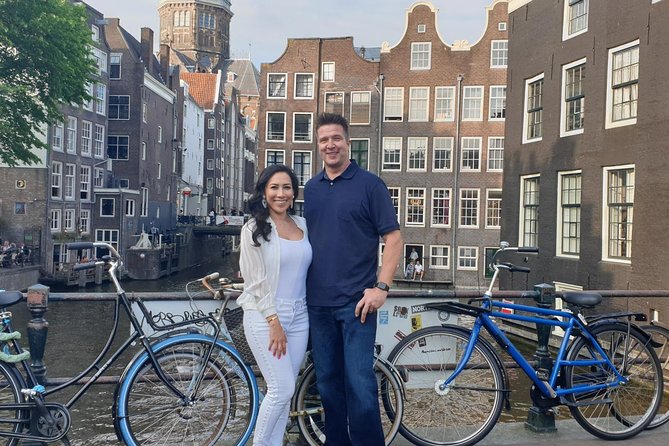
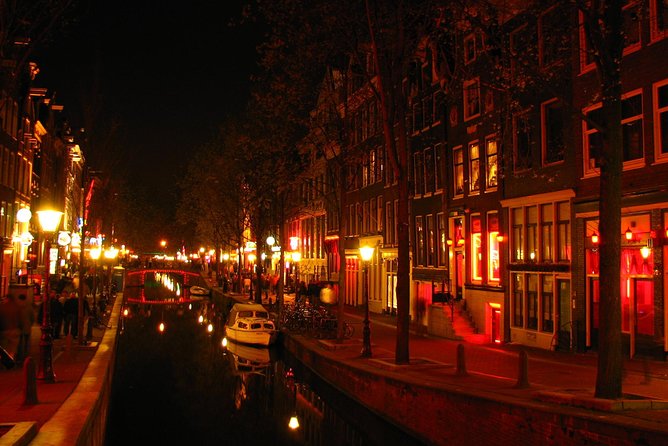
Your main segment starts right in the Red Light District with a guided walk that focuses on facts, history, and local culture. The goal is not just shock value. You get context around prostitution in Amsterdam and also the coffeeshop culture that sits in the same general social ecosystem.
As you walk, the guide’s job is to explain what you are seeing in plain terms and connect it to how the district developed over time. That kind of framing is what turns a touristy area into something you understand.
A helpful thing to know: this tour is likely to discuss adult themes directly. If you prefer to keep your travel “family-friendly” all the way through, consider whether you’re comfortable with that level of candor.
The Dam-area foundations: City built on trees and 11-meter reality
One of the most memorable moments on this route isn’t about nightlife at all—it’s about how Amsterdam is literally built to survive its ground. You’ll learn about the city’s famous construction method: houses standing on wooden poles driven into deep layers of clay, peat, and water until they reach solid sand.
The details here matter because it explains why Amsterdam looks the way it does. When a city is built on poles, it shapes everything from building patterns to long-term engineering. It’s a reminder that Amsterdam’s character didn’t come only from culture or canals. It also came from engineering choices made because the soil demanded them.
This is also a smart kind of mental shift for this neighborhood. Before you get lost in the stereotypes, you’re reminded the city is a human solution to difficult conditions—and that helps you read what you see with less judgment.
Old Town layers: Old Church, Chinatown, and contrasts in one walk
The tour route is designed so you don’t only experience one neighborhood mood. You’ll pass landmarks like the Old Church and head toward Chinatown as part of the broader area you’re moving through.
Why this is valuable: the Red Light District does not exist in a bubble. It sits next to older parts of the city and near immigrant and trade-linked communities that helped shape Amsterdam over centuries. Seeing these nearby contrasts helps you understand the district as part of the larger city story, not as a separate world.
If you’re new to Amsterdam, these pass-by moments help you get your bearings fast. If you’ve been before, they’re still useful because you see familiar sites through a different lens.
Pub The Ape (Int Aepjen): a 1540 wooden building after the 1452 fire
One of the most specific stops is Pub The Ape, also known as Int Aepjen in Dutch. You’ll learn that the building dates around 1540 and is one of the remaining wooden structures in Amsterdam. That’s striking because the city made big policy changes after the major fire in 1452, when authorities pushed toward brick facades.
This stop works because it gives you a rare “before-and-after” feel. You’re not just hearing that Amsterdam is old. You’re seeing how one building survived long enough to become a marker of how construction and safety rules evolved.
Also, wooden structures like this have a particular presence. Even if you don’t go inside, just standing near it makes the city feel less like a theme park and more like a place with continuity.
You can also read our reviews of more tours and experiences in Amsterdam






Waag: from city gate to guild space
Another stop with strong physical meaning is the Waag, which you’ll learn used to be one of Amsterdam’s city gates, built around the 1400s. It later became a base for guilds—craftsman’s organizations—and that shift matters.
You’re basically looking at the city’s job changing over time. A defensive wall gate is about controlling entry. A guild building is about controlling skill and trade. That’s a big cultural change, and Amsterdam shows it in stone.
This is also a great moment to ask your guide questions, because the city-gate story connects well to the broader ideas behind the district: commerce, regulation, and how authorities shaped behavior instead of simply banning it.
The smallest house: VOC storage to long-term living
You’ll also visit the area tied to the smallest house of Amsterdam, built around the 1700s. The story you get here is clear and practical: it started as storage for the VOC trading company, and later people lived in it for a very long time.
That’s a powerful detail for understanding Amsterdam as a trading city. VOC links make the neighborhood feel less like a closed-off adult enclave and more like something shaped by global economics. Trade brought money, people moved in, and buildings got used in whatever ways fit the moment.
The “smallest house” concept also helps you understand density and adaptation. Amsterdam wasn’t always roomy by modern standards, and the city’s architecture reflects that.
World’s first condom shop since 1987: a modern stop with context
One of the most modern, oddly fascinating stops is the world’s first condom shop, operating since 1987. You’ll learn you can get customized condom sizes here, along with different types.
This might sound like a shock-to-smooth transition, but that contrast is the point. The Red Light District is not stuck in the past. It keeps adjusting—businesses appear and change, and the district’s practical side keeps evolving.
From a tour-value perspective, this stop works because it brings the conversation back to regulation and services. You’re not only hearing about history. You’re seeing how commerce and public norms shape what’s there today.
Food tasting stops: how to get the most from snacks in this neighborhood
Food tastings are built into the walk, with stops at different places. Because you’re moving through a sensitive and photogenic area, these tastings also act like “checkpoints.” They help you slow down, reset, and digest what you’ve learned before you move on.
How to make tastings work for you:
- Go in ready to ask about what you’re trying, not just how it tastes. A good guide will connect food to local culture.
- Pace yourself. If you’re sampling more than one place, you’ll want water and sensible timing so the walk stays enjoyable.
- Treat the tastings as a cultural lens. In a district that’s often reduced to headlines, food gives you a more everyday view.
Even if you’re not a big food person, you’ll likely enjoy the tastings because they break the walk into manageable segments and soften the overall tone.
Price and value: what $121.52 buys for a 2-hour private tour
At $121.52 per person for roughly 2 hours, you’re paying for a few specific things you can’t always get in a standard group tour: private guidance, the ability to customize to your interests, and an itinerary that blends history with food tastings.
For me, the value question comes down to what you want most:
- If you want a fast intro plus context without getting stuck in guidebook generalities, this style of tour tends to pay off.
- If you only want a quick walk for photos, you might be able to do it cheaper on your own. But you would miss the explanations that make the landmarks click.
This tour also notes that admission tickets are free for the experience. That’s helpful because it removes one more cost layer that can add up when you’re juggling attractions.
Who this tour is best for (and who should think twice)
This is a great fit if you:
- Want an adult-themed Amsterdam overview but with a guide who can explain the why behind what you see.
- Like city history that is tied to real streets, not just museum walls.
- Prefer private pacing, especially if your group includes people with different interests.
This is less ideal if you:
- Want only light, non-sensitive topics.
- Feel uncomfortable with direct discussion of prostitution and the district’s adult services.
- Dislike walking in areas that are visually intense even when explained responsibly.
If you’re on the fence, I’d treat it like this: you’re not signing up for a party. You’re signing up for a guided understanding of a complex corner of Amsterdam.
Practical comfort tips for an adult-themed neighborhood walk
Even with a thoughtful guide, you’ll be in a place that attracts attention. A few ways to keep the experience comfortable:
- Keep your group respectful and follow your guide’s cues for moving through tight spots.
- Expect a mix of street life and adult businessfronts, so dress and behavior should match the vibe: normal, calm, and considerate.
- If you’re easily stressed by candid conversations, tell the guide early so your questions and pacing can stay comfortable.
And yes, bring your curiosity. This kind of tour works best when you’re willing to learn instead of only react.
Should you book this Amsterdam Red Light District food tour?
I think you should book if you want a guided, contextual introduction to the Red Light District that goes beyond surface-level stories. The best part is the blend: you get history and landmark specifics, you pass meaningful old-city points like the Waag area and Old Church, and you also slow down with food tastings.
I’d skip or reconsider if you’re sensitive to adult themes or you’re expecting something purely scenic. This is informative and conversational, but it’s still the Red Light District. The tour does not pretend otherwise.
If that still sounds like your kind of Amsterdam, this private format is a solid way to get your bearings and learn what matters—without losing time to confusion.
FAQ
How long is the private Amsterdam Red Light District tour with food tastings?
It lasts about 2 hours.
Where does the tour start?
The meeting point is ParkBee Parking at NH Collection Amsterdam Barbizon Palace, Prins Hendrikkade 59, 1012 AD Amsterdam, Netherlands.
Is this tour private?
Yes. It is private, and only your group will participate.
Is the tour in English?
Yes, it is offered in English.
What is included besides the walking tour?
You’ll make stops in the Red Light District area for food tastings.
Are there any admission tickets required?
The experience lists admission ticket as free.
How much does it cost?
The price is $121.52 per person.
Is there free cancellation?
Yes. You can cancel for a full refund if you cancel up to 24 hours in advance.
When do I need to cancel to get a full refund?
You must cancel at least 24 hours before the experience’s start time for a full refund.
Is a mobile ticket provided?
Yes, it includes a mobile ticket.