REVIEW · AMSTERDAM
Rijksmuseum tour: The Stories Behind the Masterpieces
Book on Viator →Operated by Snurk.Travel · Bookable on Viator
Dutch art clicks faster with the right guide. This private Rijksmuseum tour, The Stories Behind the Masterpieces, adds meaning to what you’re seeing by tying each stop to how Dutch Masters actually made their work. I especially like the art-history depth the guide brings (not just facts, but why choices mattered), and I like that you get to connect the paintings to the wider world of objects and studio thinking inside the museum. One consideration: the Rijksmuseum admission ticket isn’t included, so you’ll need to budget for entry on top of the tour price.
Beyond the paintings, you’ll also get time with antique furniture and models kept by the museum, which is a great way to understand what life and workshop craft looked like in that era. The tour runs in English, and it’s designed to feel personal since it’s only for your group. You’ll use a mobile ticket, and the meeting spot is near public transportation, which makes the logistics feel less stressful before you even start.
You’re looking at about 2 hours inside the Rijksmuseum with an experienced guide, and the experience ends back where you started. If you want a museum visit that feels like a guided conversation rather than a self-paced scavenger hunt, this is a smart format. If you’re hoping to spend tons of time lingering in every room at your own speed, you may find the set time a bit tight.
In This Review
- Key Things to Know Before You Go
- Why This Rijksmuseum Tour Feels Different Than Browsing
- Inside the Rijksmuseum: What Your Two Hours Are Really For
- The Guide Factor: When Art History Becomes Personal
- Dutch Masters Techniques: What You’ll Actually Be Watching For
- Antique Furniture and Models: Why This Museum Stop Is More Useful Than It Sounds
- Price and Value: Is $284.03 Worth It?
- Getting There: The Museumstraat Meeting Point and Smooth Start
- Who This Tour Suits Best
- A Simple Booking Recommendation
- FAQ
- What is the duration of The Stories Behind the Masterpieces tour?
- Is the Rijksmuseum admission ticket included in the tour price?
- What language is the tour offered in?
- Is this a private tour?
- Where does the tour meet and where does it end?
- Is free cancellation available?
Key Things to Know Before You Go
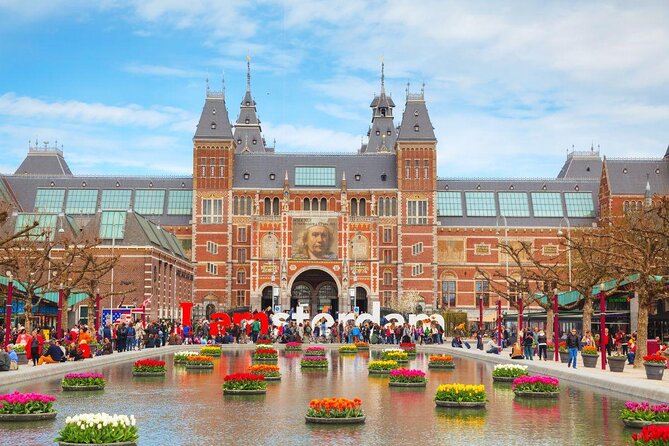
- A true private format: only your group participates, so your questions won’t get lost in the crowd.
- Dutch Masters technique talk: you’ll learn how the work was made, not just what it depicts.
- Museum context beyond paintings: you’ll spend time with antique furniture and models kept by the Rijksmuseum.
- English-guided focus: clear explanations for the kinds of art details most visitors miss.
- Museum ticket is separate: plan for Rijksmuseum entry because the tour price doesn’t include it.
Why This Rijksmuseum Tour Feels Different Than Browsing
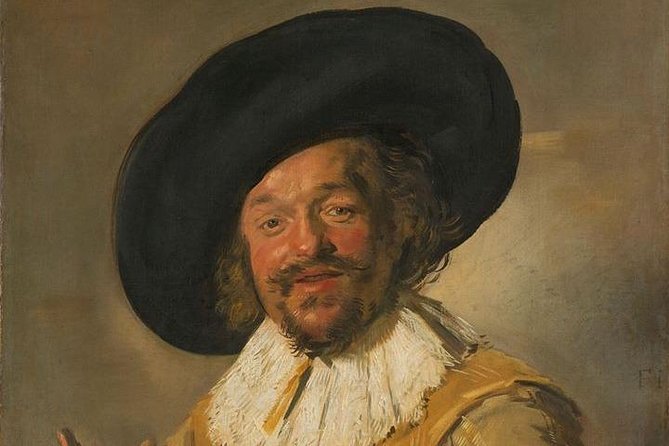
The Rijksmuseum is big, and big museums can make you feel like you’re running just to keep up. This tour solves that by giving you a guided thread through the collection—one that helps you connect the artwork to the craft behind it. Instead of reading wall labels at full speed, you get a local guide translating what you’re looking at into something you can actually see.
Two things make it especially worthwhile. First, you’re guided toward a deeper understanding of Dutch art, which helps the museum stop feeling like a list. Second, the tour emphasizes techniques used by the Dutch Masters, so you learn to notice things like how effects are built and how choices show up on the canvas. That kind of “how it was made” awareness changes the way you view the work in real time.
One more practical upside: you aren’t depending on a brochure. When you’re in front of a masterpiece, a good guide can answer your exact question in seconds. That’s the difference between collecting impressions and collecting understanding.
You can also read our reviews of more tours and experiences in Amsterdam.



Inside the Rijksmuseum: What Your Two Hours Are Really For
Your visit is structured around one main stop: time at the Rijksmuseum with an experienced guide. You’ll have about two hours total, which is enough to make progress without feeling like you need a second day just to get oriented.
Here’s how that time is likely to feel based on the tour focus:
You’ll spend your attention on the parts of the collection that best support the story behind the masterpieces. That means the guide will steer you toward artworks where technique and context matter, not only toward the most famous names. You’ll also get guidance on how the Dutch Masters crafted their works—so you can understand what you’re seeing as a process rather than a finished product.
Then, you’ll broaden the lens. The tour highlights antique furniture and models kept by the museum, and that’s important because it pulls you out of “painting-only mode.” These objects help you connect art to the everyday world and the workshop mentality of the time. Even if you’re not a furniture person, the shift is useful: it gives your brain more reference points, so later paintings land with more meaning.
One small drawback to keep in mind: since this is a time-boxed guided format, you may not get unlimited wandering. If you have a long list of personal favorites you want to chase room-to-room, bring that list—but expect the guide to prioritize the tour’s planned storytelling path.
The Guide Factor: When Art History Becomes Personal
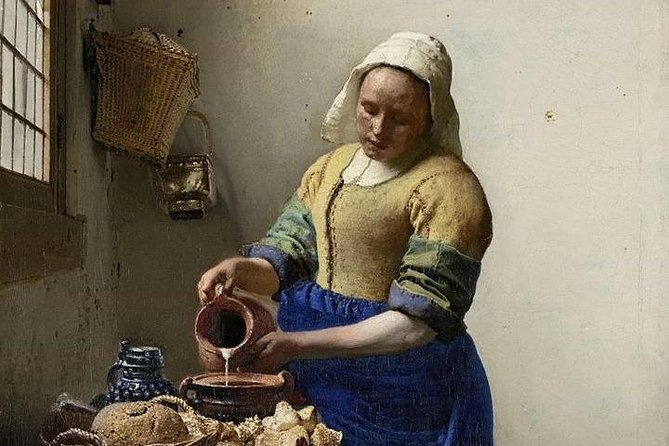
The standout strength of this tour is the guide’s depth. In the experience highlighted for this tour, Ralf is praised for broad and deep art knowledge—especially for linking art history to individual works in a way that makes the museum feel less intimidating.
That matters more than you might think. Many museum tours give quick summaries. This one leans into explanation that connects technique, subject, and intent. When the guide can point out why a detail exists, the artwork stops being a static object and starts behaving like evidence. You start to see the thinking behind the brushwork.
A helpful way to judge whether this will click for you: if you enjoy asking questions—about materials, methods, symbolism, or what makes one work different from another—this private setup will reward you. With only your group, your questions won’t compete with a dozen others.
If you prefer a tour that moves fast and just tells you what to look at, you might find the extra explanation slows your pace. But if you like learning as you walk, the guide-led approach is exactly the value you’re paying for.
Dutch Masters Techniques: What You’ll Actually Be Watching For
The title promises stories behind masterpieces, but the real payoff is how technique-focused viewing changes what you notice. When someone explains the craft behind Dutch Master works, you start scanning with more purpose.
Here are the kinds of things technique talk usually helps you see in a museum setting:
- How a work’s surface effects are built, so you understand what you’re perceiving
- Why certain choices in lighting, texture, or detail feel convincing
- How composition and detail support the message or mood
Even without a technical background, you can follow along. A good guide translates art methods into plain sight cues. You learn what to look for, so you leave with the ability to “read” more of the museum during your own time later.
And because you’re also seeing antique furniture and models, you get an expanded sense of the period. That added context often makes the paintings feel less abstract. You’re not only looking at art—you’re looking at a world of makers.
Antique Furniture and Models: Why This Museum Stop Is More Useful Than It Sounds
It’s easy to assume that furniture and models would be a side show. But in a museum like the Rijksmuseum, those objects can be the missing link between paintings and lived reality.
Here’s the practical value: when you see antique furniture and models, you get a sense of design and scale, and you understand how artists and craftspeople thought about space. That can sharpen how you interpret interior scenes, realism, and how objects are rendered.
Also, it breaks up the monotony of “painting after painting.” If you’ve ever felt museum fatigue, this is the kind of variation that keeps your attention alive. Your brain gets a new angle, and then your next painting lands with fresher eyes.



Price and Value: Is $284.03 Worth It?
At $284.03 per person for about two hours, this is not the cheapest way to experience the Rijksmuseum. But it’s also not trying to be. You’re paying for a private guided experience with an experienced guide, and that usually means you’re buying focus and interpretation, not just access.
The key value point: the Rijksmuseum admission ticket isn’t included. So your final cost will be the tour price plus museum entry. If you were going to pay for a ticket anyway, the real question becomes: is the guided explanation worth the difference between booking this tour and walking the museum on your own?
For me, the answer is usually yes when one of these is true:
- You want technique explanations and deeper context, not just highlights
- You care about understanding Dutch art as a craft and culture
- You want time that feels tailored to your questions (private format)
If you’re the type who loves wandering freely, reading labels, and stopping whenever you want, you could get good value by self-guiding. But if you’d rather spend your time learning what matters most, a guided private experience in a major museum is often a smarter use of limited time.
Getting There: The Museumstraat Meeting Point and Smooth Start
You meet at Rijksmuseum, Museumstraat 1, 1071 XX Amsterdam, Netherlands, and the tour ends back at the same location. That back-to-start setup is convenient when you’re planning the rest of your day.
It’s also described as near public transportation, which is a big deal in Amsterdam. You can usually build a simple route from tram or metro connections without overthinking the last mile.
If you’re coming right from another activity, give yourself a small buffer. Museums run on time, and the best tours feel better when you don’t arrive rushing.
Who This Tour Suits Best
This is a great match for you if you:
- Want a private Rijksmuseum experience for your group
- Enjoy art explanations that go beyond names and dates
- Like technique-based viewing, especially related to Dutch Masters
- Want museum context, including antique furniture and models
It may be less ideal if you:
- Want a long, self-paced marathon through every gallery
- Prefer to spend all your time reading labels without a guide
- Have very specific, must-see artworks and want total control of the route
A Simple Booking Recommendation
If you’re in Amsterdam for a limited time and you want the Rijksmuseum to feel understandable—not just impressive—book this tour. The combination of an experienced guide, Dutch Masters technique focus, and extra context through antiques and models is exactly the kind of guided structure that makes a big museum feel personal.
If you’re also going to spend time in the museum afterward on your own, this tour can act like a warm-up. You’ll know what to look for, and your second walk through the collection will likely feel more rewarding.
FAQ
What is the duration of The Stories Behind the Masterpieces tour?
The tour lasts about 2 hours.
Is the Rijksmuseum admission ticket included in the tour price?
No. Admission to the Rijksmuseum is not included, and you’ll need to buy the museum ticket separately.
What language is the tour offered in?
The tour is offered in English.
Is this a private tour?
Yes. It’s a private experience, and only your group will participate.
Where does the tour meet and where does it end?
You meet at Rijksmuseum, Museumstraat 1, 1071 XX Amsterdam, Netherlands, and the tour ends back at the meeting point.
Is free cancellation available?
Yes. You can cancel up to 24 hours in advance for a full refund.