REVIEW · AMSTERDAM
Secret Food Tours Amsterdam
Book on GetYourGuide →Operated by Essor · Bookable on GetYourGuide
Poffertjes and canals in one smart walk. I love how this Jordaan food tour links what you taste to Amsterdam’s 17th-century life, and I also like the focus on Poffertjes plus the warm, high-energy guiding style people rave about, including guides like Holly.
One thing to plan for: it’s a full walking experience through narrow streets and canal-area lanes, so you’ll want comfortable shoes and a tolerance for steady steps over about 3 hours.
In This Review
- Key Things I’d Bet You’ll Remember
- Jordaan on Foot: Why This Neighborhood Food Walk Works
- Meeting Near Westerkerk: Finding Your Guide and Your Start Point
- Poffertjes and Stroopwafel: Starting Sweet, Starting Right
- Hidden Garden Courtyard Break: A Pause From the Side Streets
- Dutch Cheese Stop: Tasting Like a Local, Not Like a Tourist
- Fishmonger Stories: Herring and Kibbeling Done Properly
- Stamppot and the Dutch Comfort-Food Logic
- The Drinks: Coffee or Tea, Beer, and Jenever
- The Mystery Secret Dish: Why the Finale Works
- Price and Value: Is $115 Worth It?
- Group Size and Pacing: Comfort for Questions, Space for Tastes
- Who This Tour Fits Best in Your Amsterdam Plan
- Book It or Skip It: My Take for Your Day
- FAQ
- How long is the Secret Food Tours Amsterdam Jordaan tour?
- Where does the tour start?
- Where does the tour end?
- How many food stops are included?
- What kind of group size should I expect?
- Are drinks included in the price?
- What foods are included on the tasting menu?
- Is transportation included?
- Do I need to tell the company about dietary needs?
- What should I bring and wear?
Key Things I’d Bet You’ll Remember
- Jordaan canal-and-street walking in a still-typical neighborhood feel, not a bus tour version of Amsterdam
- First stop poffertjes to get you in the Dutch rhythm right away
- A real hidden garden courtyard moment that breaks up the street walking with a calmer pause
- Cheese tasting with context, so you know what you’re eating and why it matters here
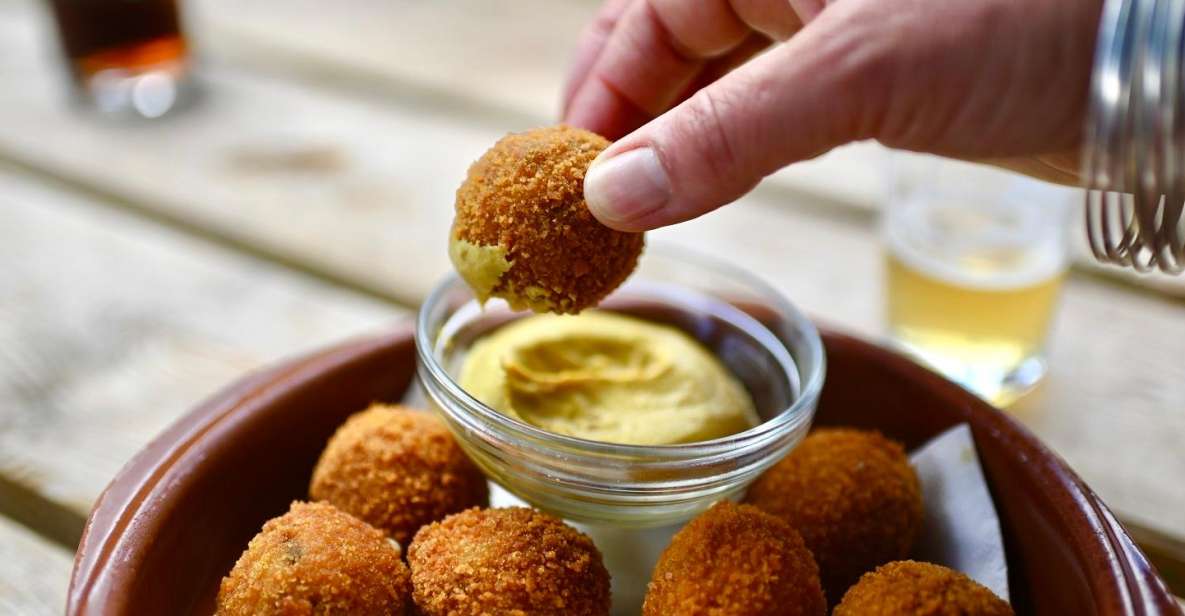
- Fishmonger time for herring and kibbeling, plus the stories behind Dutch love of cod and herring
- Small-group size (max 12) that keeps the pacing relaxed and questions flowing
Jordaan on Foot: Why This Neighborhood Food Walk Works
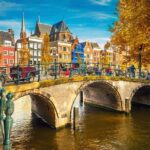
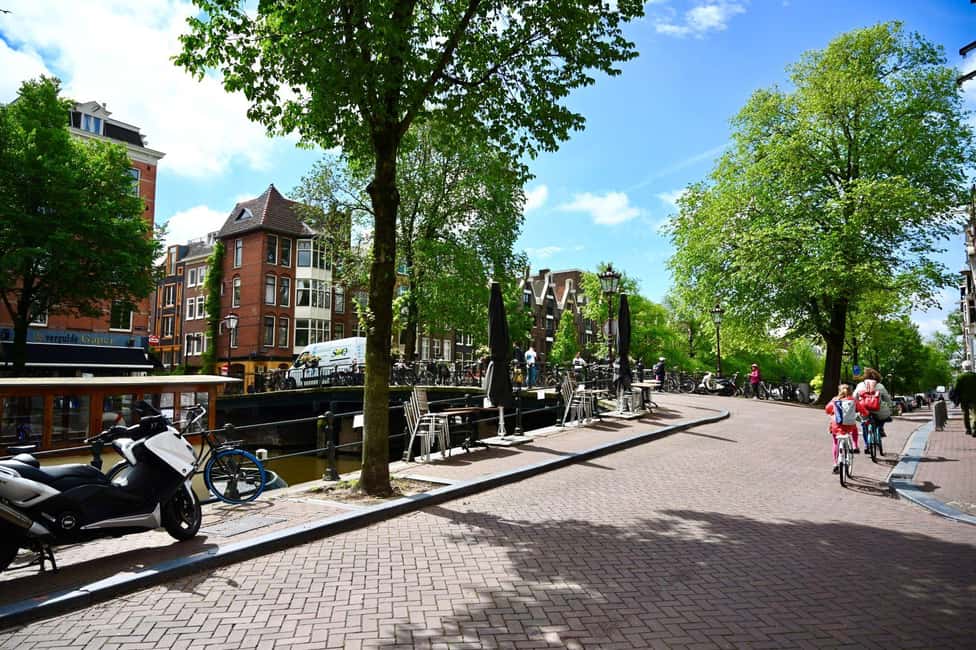
Amsterdam has a lot of sightseeing plans. This one gives you a better order of operations: walk the streets first, then eat through them with explanations that connect food to local history. The tour is mainly based in the Jordaan, which the experience frames as a key, still-authentic enclave where early French influence shows up and where Rembrandt spent his later years.
That neighborhood focus matters because it changes what you notice. Instead of just collecting photos, you’ll be tracking the clues—how migration and trade show up on menus, how maritime life echoes in winter dishes, and how old-school Dutch comfort food became its own identity.
Also, you’re not shuttling around the city. You’re getting your bearings fast by doing what locals do most: walk, turn a corner, and discover something small and specific.
You can also read our reviews of more food & drink experiences in Amsterdam


Meeting Near Westerkerk: Finding Your Guide and Your Start Point
You’ll start in front of the Anne Frank statue near Westerkerk church. Your guide shows up with an orange umbrella, which is a simple but genuinely useful detail when you’re standing in a busy area and trying not to lose the group.
This meeting point is a practical win. You’re already close to one of the most popular landmarks in Amsterdam, but the tour quickly steers you away from the crowds and into the quieter streets of the Jordaan. You also end back at the same meeting point, which makes planning the rest of your day easier.
If you’re the type who likes a clean start—one clear location, one clear return—this format will feel comfortable.
Poffertjes and Stroopwafel: Starting Sweet, Starting Right
The tour begins with traditional homemade poffertjes. These are little Dutch batter treats, typically served warm and best when you’re hungry enough to actually taste them. The value here isn’t just sugar (though yes, it’s delicious). It’s that poffertjes set the tone for the rest of the walk: comfort food, simple ingredients, and a “this is how we do it here” attitude.
After that, you’ll also have fresh stroopwafel from the market. This is one of those Amsterdam snacks that people chase on their own, but on a guided tour you get the order and context. You’ll know when it fits best in the flow of salty tastings later, instead of turning your stomach into a snack battlefield.
Tip: If you’re sensitive to sweetness or you usually eat light in the morning, pace yourself. The group tastings are frequent, not massive, but you will be sampling across multiple styles.
Hidden Garden Courtyard Break: A Pause From the Side Streets
One of the highlights is a beautiful hidden garden courtyard. You’ll appreciate this if you’ve ever done Amsterdam tours that feel like nonstop street exposure. A courtyard stop is more than a nice photo moment; it gives your brain room to reset between tastings and explanations.
This kind of pause also helps you connect the dots. When you come out of narrow lanes into a calmer space, the stories you’re hearing about neighborhood life and cultural layering tend to stick.
It’s the kind of stop that makes the tour feel different from a standard “eat three bites, move on” routine.
Dutch Cheese Stop: Tasting Like a Local, Not Like a Tourist
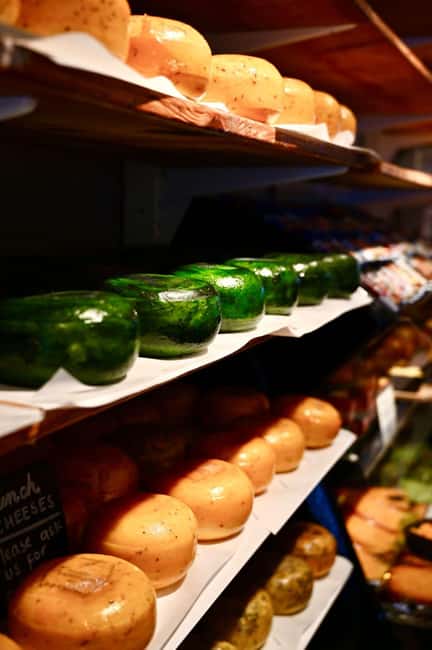
Cheese is one of the safest foods to serve on a walking tour—and also one of the easiest to get wrong. Here, the tour frames the cheese tastings as part of understanding Dutch food culture, not just a list of types.
You’ll try an assortment of Dutch cheeses. Since you’re also learning how the food is made and the history behind it, you’ll taste with more attention. You start noticing differences you’d normally skip over—texture, strength, and how the flavors line up with what comes next in the meal.
The practical payoff: you’ll leave knowing what to look for if you want to buy something later. Even one good cheese-buying tip can save you money when you’re shopping on your own.
You can also read our reviews of more tours and experiences in Amsterdam

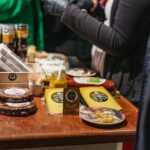

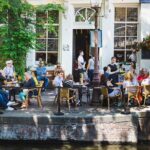


Fishmonger Stories: Herring and Kibbeling Done Properly
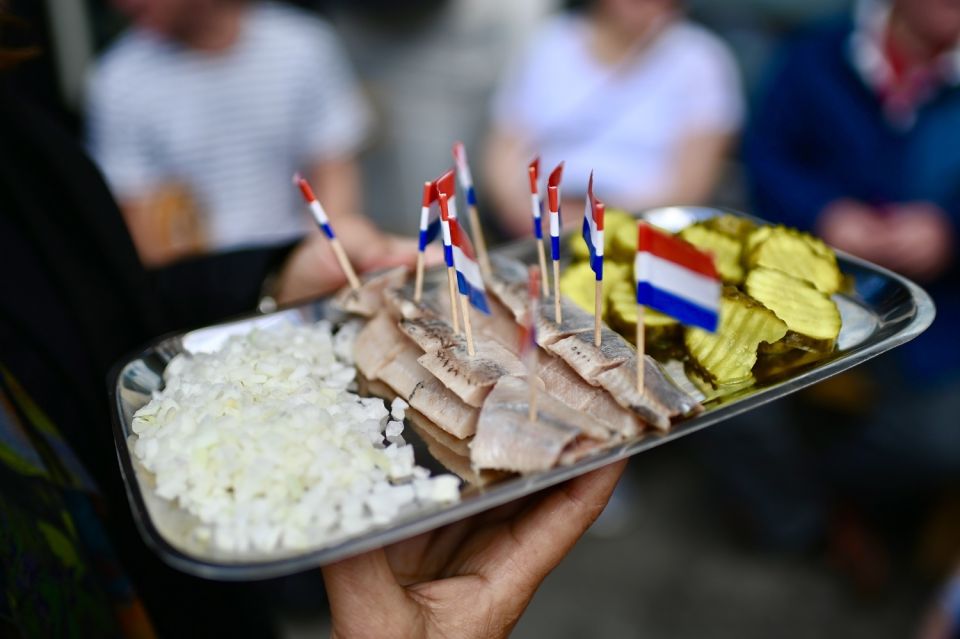
Next up is local fishmonger time, where you get to try fresh herring and kibbeling. Kibbeling is battered chunks of fish, fried and served crisp—exactly the kind of comfort food that fits a cold-weather city identity.
The tour also ties this portion to why cod and herring dishes matter in Holland. That context changes the tasting. Instead of treating it as a trendy Instagram bite, you start thinking about maritime history, preserving food, and the practical reasons people kept doing what worked.
If you’re cautious about raw or strong flavors, plan to go slow. Herring can be a love-it-or-lean-back kind of taste. The guide’s role here is important: you’ll get the story and the suggested way to try it so you aren’t guessing in the moment.
Stamppot and the Dutch Comfort-Food Logic
Stamppot is a traditional Dutch favorite, and this tour includes it as a tasting. Stamppot is the kind of dish that people associate with homey comfort and seasonal routines. The experience connects it to maritime history and winter stew traditions, which gives you a reason beyond flavor.
That matters because stamppot doesn’t just taste like a meal. It tastes like a system: hearty ingredients, reliable cooking, and an approach to feeding families through colder months.
You’ll also likely find this stop is where the tour starts feeling like an actual meal, not just snack sampling. That’s a good transition point, especially if you’ve been treating poffertjes and stroopwafel as “treats” and now you’re ready for something filling.
The Drinks: Coffee or Tea, Beer, and Jenever
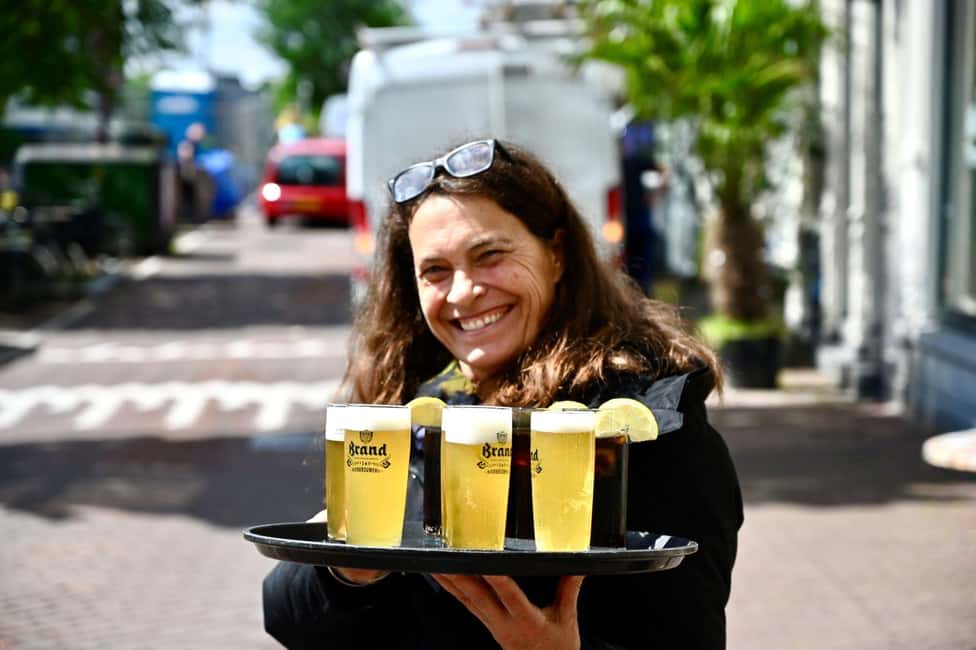
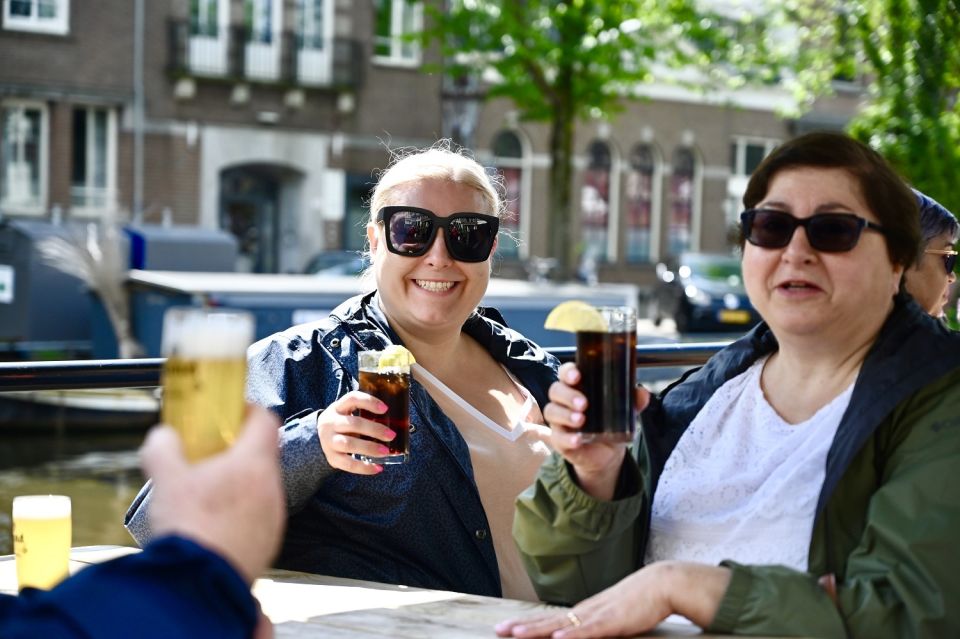
Food tours can get awkward if the drinks are an afterthought. Here, the drinks are part of the plan: coffee or tea, a glass of local beer (with non-alcoholic options), Jenever (Dutch gin), and water.
This mix helps in two ways. First, it keeps you from relying on one beverage while you switch between sweet, salty, and savory bites. Second, it gives you a genuine local feel without forcing alcohol on you. If you want Jenever, you can taste it; if you don’t, the tour still supports you with beer alternatives and water.
One practical note: if you’re trying Jenever, don’t treat it like shots at a bar. Taste it slowly with the food so it feels like part of the experience, not a sudden alcohol jolt.
The Mystery Secret Dish: Why the Finale Works
Every stop up to this point builds your background knowledge. Then you get a delicious Secret Dish at the end of the tour—mystery-style. That final bite is smart for pacing and memory because it gives you something fresh after you’ve already learned how the guide thinks about Dutch food history.
It also helps you pay attention. When you’re not sure what’s coming, your brain locks in—and you start noticing the details in smell, texture, and pairing.
If you’re the type who hates surprises, you might find the uncertainty a little tense at first. But given that the rest of the tour is carefully planned tastings, it usually lands as a fun payoff rather than a gamble.
Price and Value: Is $115 Worth It?
At $115 per person for roughly 3 to 3.5 hours, the price isn’t low. But it’s not just “pay for a walk.” You’re paying for a guided circuit through the Jordaan with small-group attention (max 12 people), six tasting stops, and multiple drink offerings.
Consider what you actually get:
- Several distinct foods that cover sweet, cheese, fish, and comfort fare
- Both hot and chilled tastings, plus a restaurant-style pacing
- A passionate local English-speaking guide who explains history and how the food is made
- Inclusion of drinks like coffee or tea, beer (or non-alcoholic), Jenever, and water
If you were to try to copy this day on your own—market snack, cheese stop, fishmonger bites, and a real sit-down for stamppot—you’d likely spend a similar amount once you factor in time and buying guidance. Here, you’re buying coordination and context. That’s the real value.
The only potential mismatch is if you don’t like guided storytelling. If you prefer to only eat and skip explanations, the price may feel heavier. But if you want the “why” behind what you’re chewing, this structure is pretty strong.
Group Size and Pacing: Comfort for Questions, Space for Tastes
Small groups (maximum 12) make a real difference on tours like this. You can hear the guide, ask questions, and actually finish tastings at a human pace. It also helps with flow—less crowd pressure at each stop.
You’ll also get a more personal experience with dietary planning. When booking, you’re asked to advise of dietary requirements, and the tour has a reputation for taking restrictions seriously. One example tied to this tour is a guide named Holly going above and beyond for celiac so the experience still worked. That’s a signal worth noting if you need adjustments.
Practical expectation: you’ll be walking, but the tastings are spaced across time rather than rushed into a single frantic hour.
Who This Tour Fits Best in Your Amsterdam Plan
This Secret Food Tours Amsterdam experience is a great match if you:
- Want to see the Jordaan on foot with real flavor stops
- Like history that shows up on plates (French influence, maritime traditions, and 17th-century context)
- Enjoy tasting several Dutch specialties in one structured outing
- Prefer a small group and an English-speaking guide
It’s also a good choice for your first days in Amsterdam because it orients you geographically and culturally. But if you already know the city well and you’re only here for museums, it might not be your best use of time.
Book It or Skip It: My Take for Your Day
I’d book this tour if you want a tasty, guided route through the Jordaan that teaches you what Dutch food is doing culturally—not just what it tastes like. The combination of poffertjes, cheeses, fishmonger bites, stamppot, and a Secret Dish is a well-built lineup for a single afternoon.
Skip it if you’re trying to minimize walking, or if you don’t want guided explanations. This is food + story, not purely food-on-demand.
If your schedule allows it, aim for a day when you can stay present during the walking parts. You’ll get more out of the tour if you treat it like a guided neighborhood stroll with snacks, not just a list of items to finish.
FAQ
How long is the Secret Food Tours Amsterdam Jordaan tour?
It lasts about 3 hours, with tours running for 3 to 3.5 hours depending on the starting time.
Where does the tour start?
The meeting point is in front of the Anne Frank statue near Westerkerk church.
Where does the tour end?
The tour ends back at the same meeting point.
How many food stops are included?
You’ll have 6 stops to taste food and drinks.
What kind of group size should I expect?
The group is small and intimate, with a maximum of 12 people. Private or small groups are available.
Are drinks included in the price?
Yes. Drinks included are coffee or tea, a glass of local beer (non-alcoholic options available), Jenever, and water.
What foods are included on the tasting menu?
The included tastings are poffertjes, fresh stroopwafel from the market, an assortment of Dutch cheeses, kibbeling (fried codfish), fresh herring, traditional Dutch stamppot, and a mystery secret dish.
Is transportation included?
No. Transportation is not included.
Do I need to tell the company about dietary needs?
Yes. You’re asked to advise of any dietary requirements when booking.
What should I bring and wear?
Bring comfortable shoes, and dress appropriately for the weather since this is a walking tour.