REVIEW · AMSTERDAM
Amsterdam: Countryside Bike Tour and Zaanse Schans Windmills
Book on GetYourGuide →Operated by Hop-on Tours · Bookable on GetYourGuide
A bike ride can feel like freedom, and this one adds serious Dutch flavor. You start in Amsterdam, roll out at an easy pace, then land in Zaanse Schans for working mills and hands-on crafts that explain how this country shaped everyday life. I like that it goes past the usual postcard lanes and gives you real context for what you’re seeing.
The best part for me is the guide, often Hans, who keeps the day moving without rushing and answers questions with stories you’ll remember. I also love the mix of stops: you get windmills up close, then the paper and clog connections that make Dutch industry feel personal instead of museum-still.
One consideration: this isn’t for riders who need accessible routes. The tour involves cycling and time at sites on the ground, and it’s not recommended for people with limited mobility.
In This Review
- Key highlights worth your attention
- Why cycling from Amsterdam makes Zaanse Schans feel real
- The simple start: meeting point and the Zaandam train ride
- Working windmills: what you see and what it changes
- The paper mill stop and the Declaration of Independence link
- Monet’s wetlands and the Domineestuin wooden-house neighborhood
- Zaanse Schans: where clogs and Gouda take center stage
- Pacing, bikes, and the small-group advantage
- Price and value: what $64 buys you (and what it doesn’t)
- Who should book this countryside bike tour
- Should you book it? My take
Key highlights worth your attention
- Small group (up to 7) keeps things calm and lets you ask questions without shouting over everyone.
- Outside-the-tourist windmill stops make the day feel like you left the crowds behind.
- Monet’s wetlands by bike gives you wide views that feel surprisingly different from canal life.
- Paper mill + the Declaration connection ties 17th-century production to a bigger story about ideas and nations.
- Clog maker demo and Gouda tasting turn Dutch craft and food into something you can actually experience.
- Bikes and pace are set for a relaxed ride, not a workout contest.
Why cycling from Amsterdam makes Zaanse Schans feel real
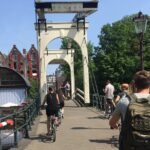
Most Amsterdam day trips drop you into a mini theme park and then send you back fast. This one does the opposite: you travel by train to Zaandam, then you earn your arrival by pedaling through the waterways, mills, and neighborhoods around it.
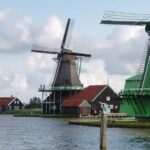
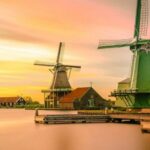
You’re not just seeing windmills. You’re seeing why they mattered—how they helped manage water, power mills, and support industries that kept the region busy for centuries. That context makes the windmills click, even if you’re not a hardcore history person.
And yes, the views help too. The ride runs through wetlands linked to the Monet-painted scenery you might recognize from art history books, except you’re there with your own eyes and your own route.
You can also read our reviews of more cycling tours in Amsterdam
The simple start: meeting point and the Zaandam train ride
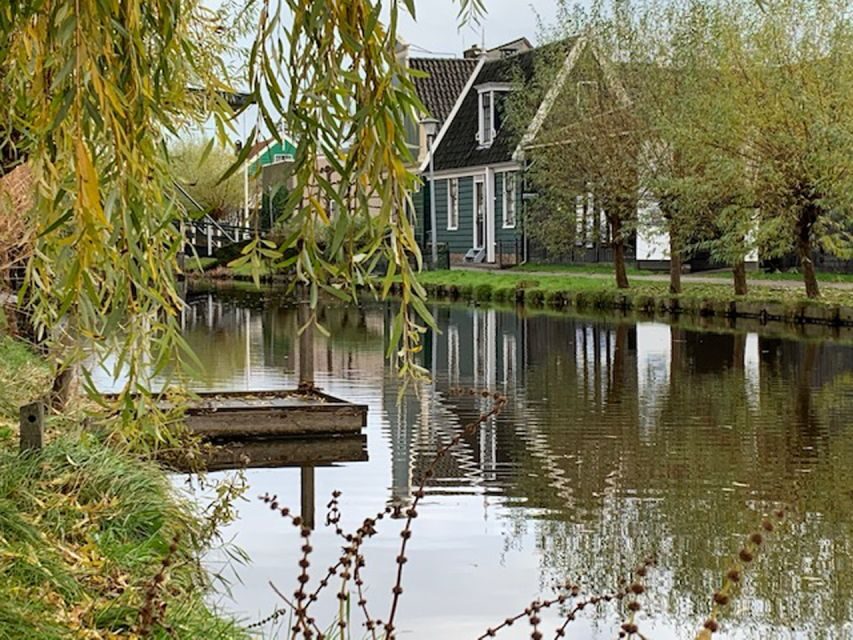
You’ll meet your group at the GVB ticket & information office, then connect by train to Zaandam to start the cycling portion. The good news is that you’re not left figuring out rail logistics alone—the return train ticket is included.
This setup matters for value and sanity. You get out of Amsterdam faster than you would by bike alone, and you start the day on a calmer note before your first turn onto the bike route.
Also, the small group format helps at the station. People gather, bikes get sorted, and you get briefed so you know what comes next before you’re rolling in traffic-adjacent areas.
Working windmills: what you see and what it changes
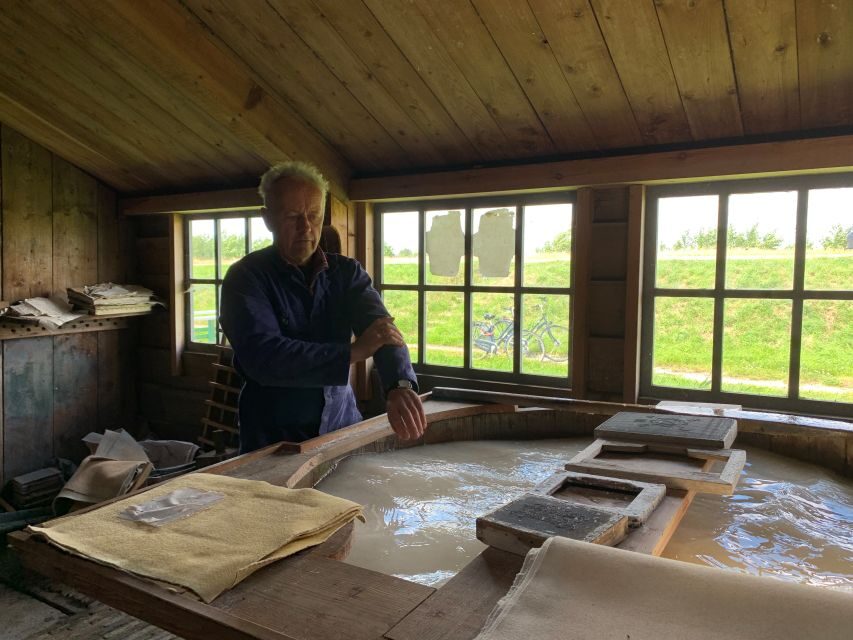
Windmills can become background scenery if you rush through them. Here, you spend time at the kind of stops that explain how mills operated and what they were built to do.
One windmill is included by entrance, and along the way you also stop at a sawmill and a paper mill. The result is a day that feels like a route through industry, not a quick photo stop.
A big reason this tour gets high marks is that the guide keeps the group pointed the right way without turning it into a lecture marathon. You get room for photos, but you also get enough talk to understand what you’re looking at—especially at the sites that are still working or functionally presented.
Practical note: if you’re hoping for the most iconic windmills every single time, you’ll be better off knowing this tour aims to include windmills beyond the busiest tourist cluster. That’s often a win for your experience.
The paper mill stop and the Declaration of Independence link
This tour doesn’t just say paper was made. It connects the dots between 17th-century production and why paper mattered to the wider world. You’ll learn how paper was made at the mill stop, and the guide frames it with the well-known link to materials used in the era of the US Declaration of Independence.
For me, that’s where the day gets satisfying. You see how something as ordinary as paper depends on power, process, and timing—then you realize history isn’t just dates, it’s supply chains and technology.
If you like small, specific facts—how machines move, how water and power interact—you’ll likely enjoy this section the most. If you’re less into explanation and more into moving, don’t worry: the guide usually keeps the narration tied to what you’re seeing right in front of you.
Monet’s wetlands and the Domineestuin wooden-house neighborhood
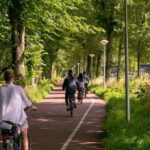
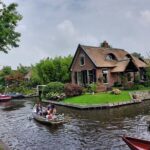
After the industrial stops, the ride shifts tone. You pedal through wetlands associated with the Monet-painted scenery from the late 1800s. Even if Monet isn’t your thing, this is one of those sections where your eyes catch up with your camera.
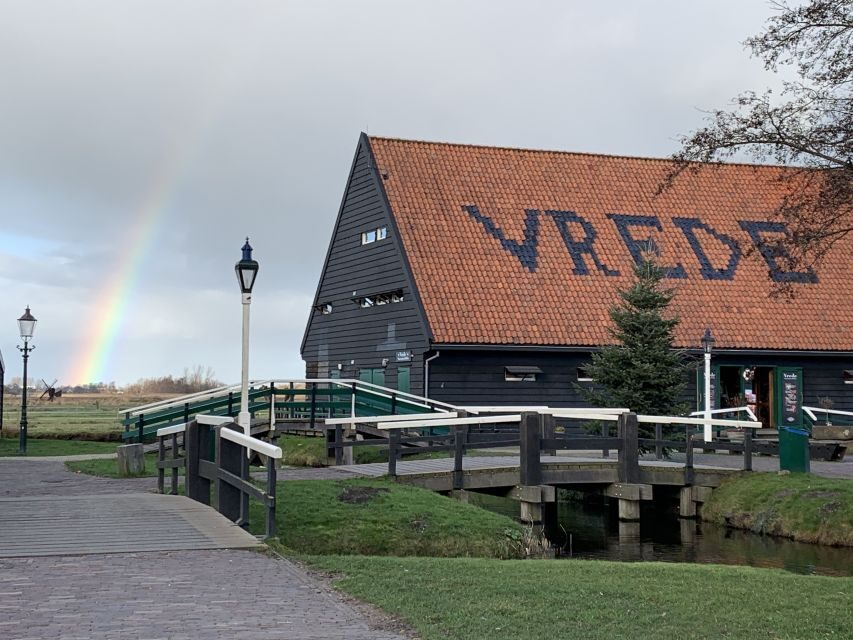
Then you pass through Domineestuin, a neighborhood known for authentic wooden houses. This matters because it shows the human side of the region, not only the big mechanical sights.
The pace here helps. The ride is described as leisurely, and in practice it means you can look around without constantly gripping the handlebars and thinking about your next turn. If you tend to get stressed on group bike tours, this part usually feels like relief.



Zaanse Schans: where clogs and Gouda take center stage
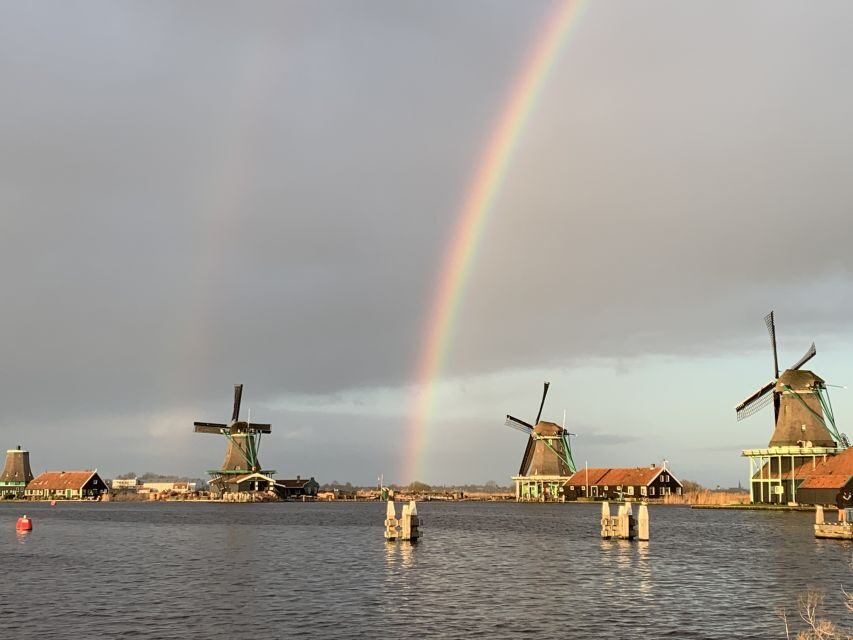
Once you reach Zaanse Schans, you park the bike and shift into hands-on Dutch craft time. This is where the tour becomes more than sightseeing.
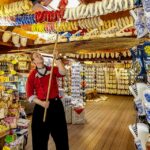
You’ll watch a demonstration of how clogs are made, guided by people who actually do the work. It’s the kind of stop where you start noticing details you’d miss if you only walked through souvenir shops.
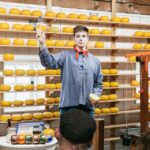
Then you get the chance to taste Gouda cheese, a local specialty. Since food and drinks aren’t included, this tasting is a helpful win because it gives you a real taste moment without forcing you to plan a full meal stop.
One fair caution: Zaanse Schans can be a bit touristy in general. The way this tour is designed helps, because you’ve already built context on the ride in, so the village part feels more purposeful and less like you’re just following crowds.
Pacing, bikes, and the small-group advantage
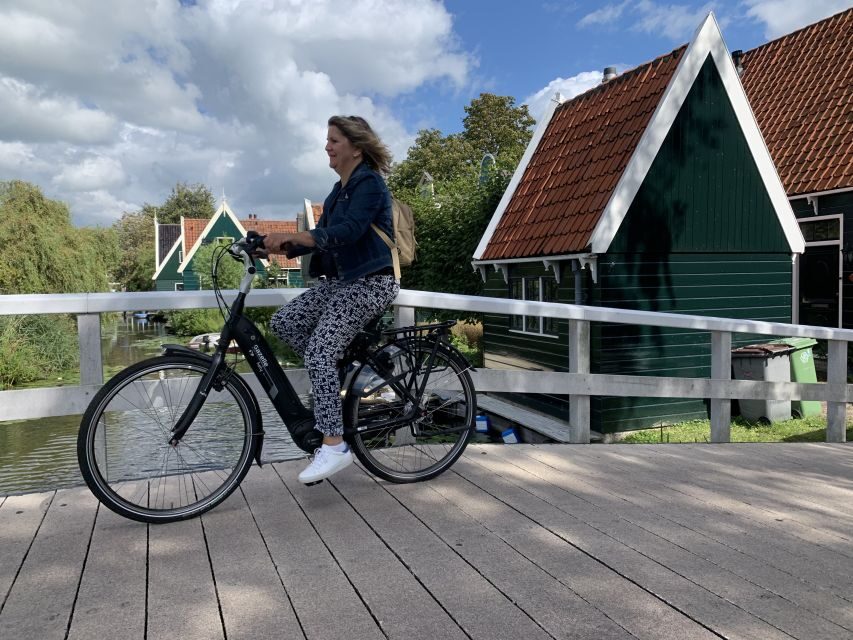
This is built for comfort. The group is limited to 7 participants, and that scale makes a difference in how smoothly everything runs.
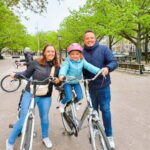
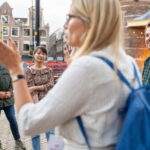
From the feedback, the guides are attentive about bike fit and keeping the group together, including for people who don’t ride often. If you have a teen or a relative who’s a bit unsure, you’ll probably appreciate that the day isn’t set up for showy speed.
The pace is described as leisurely, which means you’re not doing a “stay on your wheel” training ride. You also get enough short breaks to look around, regroup, and take photos without losing the rhythm of the tour.
Weather can change how you feel about cycling. The tour can run in rain, and you’ll want waterproof gear. If the forecast looks wet, take the waterproof thing seriously, not just water-resistant.
Price and value: what $64 buys you (and what it doesn’t)
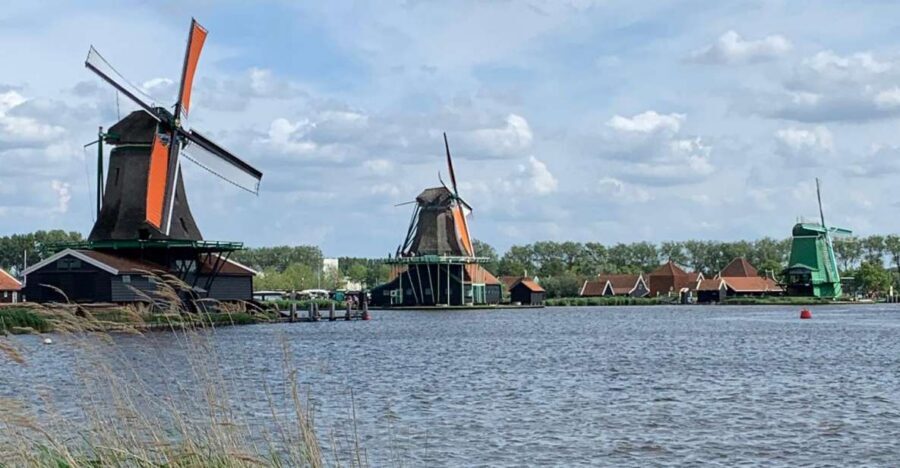
At about $64 per person for a 5-hour half-day, this is fairly priced for what’s included. You’re paying for a guided bike route, the bikes and handling, train time between Amsterdam and Zaandam, and admission for one windmill.
The smart value here is the combination. A bike tour alone might not add all the craft and mill context. A windmill ticket alone won’t teach you how paper production or clog making connects to everyday Dutch life.
What’s not included is simple: food and drinks. That’s normal for tours like this, but it means you should plan to grab something before or after, or expect that the cheese tasting is a sample, not a full meal.
If you’re trying to cut down on multiple separate tickets (windmill + craft + transport), this format tends to be easier on your wallet and your schedule.
Who should book this countryside bike tour
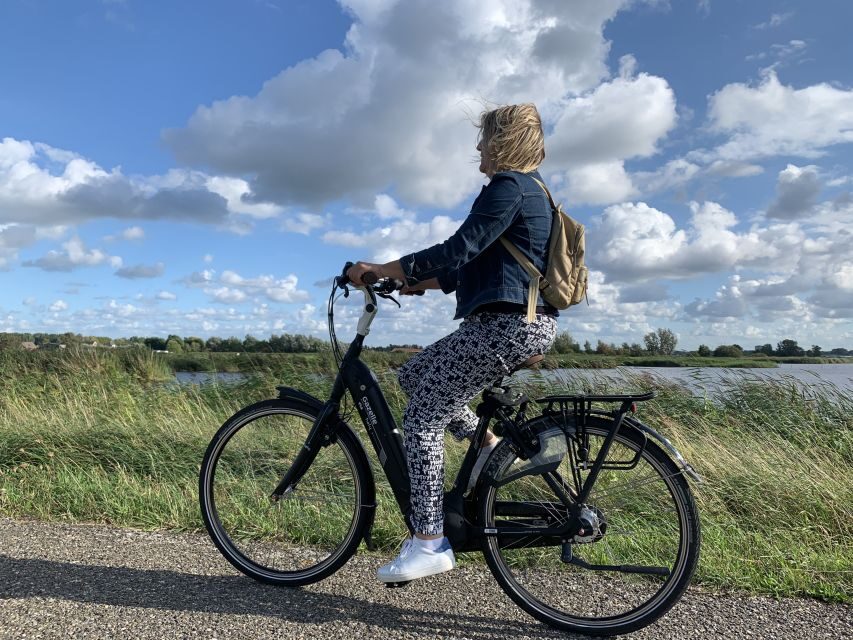
You’ll enjoy this most if you want a day away from Amsterdam’s canals that still stays organized and beginner-friendly. It’s a strong fit for couples, families with teens, and anyone who likes practical, hands-on stops like clogs and cheese.
It’s also a good choice if you care about getting the story behind the sights. The ride structure turns windmills into more than icons, and it gives you industrial context that you can actually connect to the places you pass.
Just be realistic about your body and height needs. The tour isn’t recommended for people with limited mobility, and it isn’t suitable for people under 4 ft 6 in (140 cm). If you fall into either category, you’ll want to look for a different activity that matches your needs better.
Should you book it? My take
If your Amsterdam plan feels too centered on canals and museums, I think this is a great reset. You get working windmills, industry stops like paper production, Monet-linked wetlands scenery, and a craft + food finale with clogs and Gouda, all in a small-group setup led by Hans.
Book it if you want an easy-to-moderate cycling day with lots of context and you’re okay supplying your own snacks and rain protection. Skip it if mobility limits or bike comfort are concerns for you.
If you want one “worth the effort” half-day outside the city, this countryside bike tour is an excellent bet.