REVIEW · AMSTERDAM
Amsterdam: Guided Off-The-Beaten-Track Walking Tour
Book on GetYourGuide →Operated by Herzblut Amsterdam Stadtführungen · Bookable on GetYourGuide
Canals tell stories if you know where to listen. This 2.5-hour Amsterdam guided walking tour keeps the focus on how the city really works, mixing big landmarks with lesser-known stretches like the Westerdoks and the Western Islands, while your guide connects it all to the canal belt plan.
I love the way the route turns architecture into an actual timeline, not just photo stops. You’ll pick up context as you move, especially around Dam Square and the canal belt explanation tied to Torensluis and the waterways’ development.
I also like the neighborhood feel you get for a tour that stays structured. The Jordaan section is where the city starts to look lived-in, and your guide’s tone matters too: reviews call out friendly, organized guiding from people like Anna, Natascha, and Fred, with plenty of details beyond standard checklists. The main drawback to weigh is simple: the tour is German only, and you’ll walk a fair amount in one go.
In This Review
- Key highlights you actually feel on the walk
- Where the walk starts: Beursplein to Damrak, then straight into the city’s power center
- Dam Square essentials: Royal Palace, National Monument, Nieuwe Kerk (and possible quick interior moments)
- Torensluis and the canal belt: how Amsterdam’s waterways became a blueprint
- The Amsterdam canals and the Western Islands: where old shipyards meet everyday life
- Westerdoks and houseboats: modern design on top of old water routes
- Brouwersgracht to Prinsengracht: canal houses, converted warehouses, and the outer feel of the city
- Jordaan and Noordermaarkt: the most charming part of Amsterdam on foot
- Anne Frank House and Westerkerk: seeing the area from the smaller canals
- When the tour loops back: Homomonument and returning toward Beursplein
- Price and what you’re really buying: $46 for 2.5 hours, small-group pacing, and storytelling
- What to wear, what to bring, and how to make the walk easier
- Should you book this off-the-beaten-track Amsterdam walking tour?
- FAQ
- Where is the meeting point?
- How long is the walking tour?
- How much does the tour cost?
- What language does the guide speak?
- How big is the group?
- Is the tour wheelchair accessible?
- Does the tour run in bad weather?
- What should I bring?
- Can I cancel for a full refund?
Key highlights you actually feel on the walk
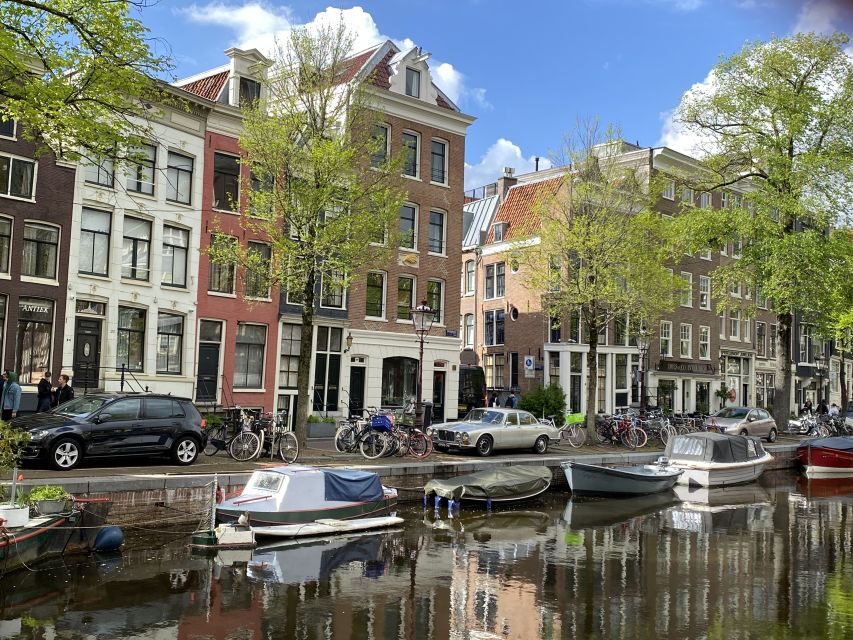
- Dam Square fundamentals first so the rest of the city makes sense when you move away from the center
- Torensluis and the canal-belt logic tied to how Amsterdam expanded into a trading hub
- Western Islands + Haarlemmer Buurt for a quieter, more working-city vibe than the postcard lanes
- Westerdoks and houseboats showing how Amsterdam keeps evolving along the water
- Jordaan + Noordermaarkt stop for neighborhood rhythm and food ideas like haring, ice cream, and appeltaart
- Anne Frank House and Westerkerk seen from the smaller canals and street-level angles
Where the walk starts: Beursplein to Damrak, then straight into the city’s power center
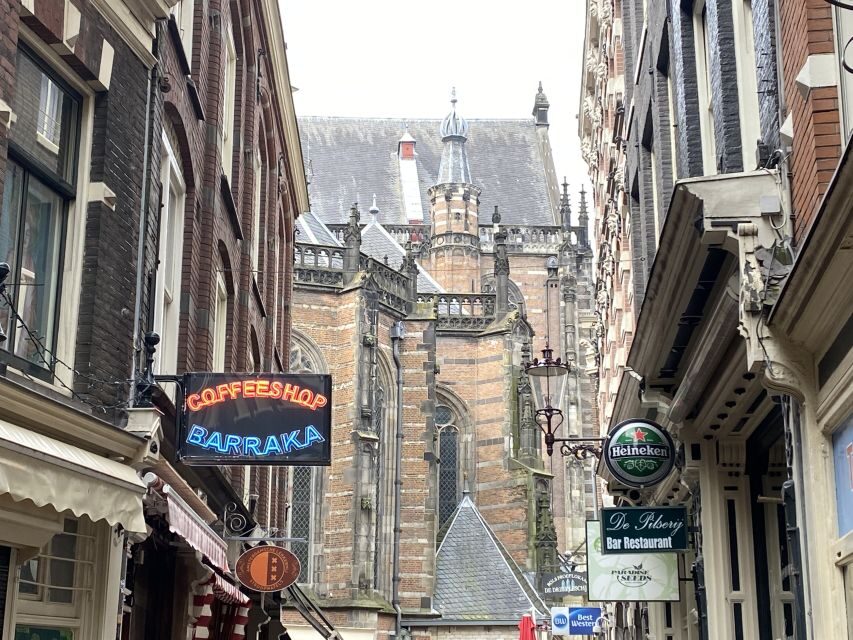
The tour meets at Beursplein / Damrak, about 350 meters from Amsterdam Central Station. You’ll spot the guide by a black-and-white striped band worn around the neck, which is a small detail but helpful when you’re standing near busy station traffic. The plan is to get moving right away—this isn’t a sit-down talk and then wander.
Starting around Beursplein is smart. You’re placed where people naturally flow into the historic core, which means your guide can set up context quickly: what you’re looking at, why Amsterdam grew the way it did, and what to notice as you head toward Dam Square. If it’s your first day, that early orientation helps you later when you decide where to explore on your own.
You can also read our reviews of more walking tours in Amsterdam



Dam Square essentials: Royal Palace, National Monument, Nieuwe Kerk (and possible quick interior moments)
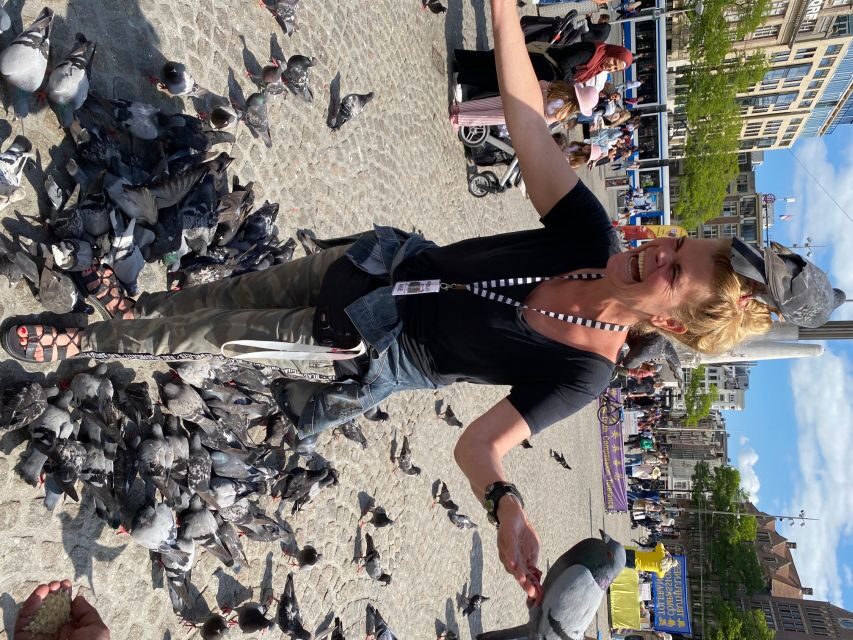
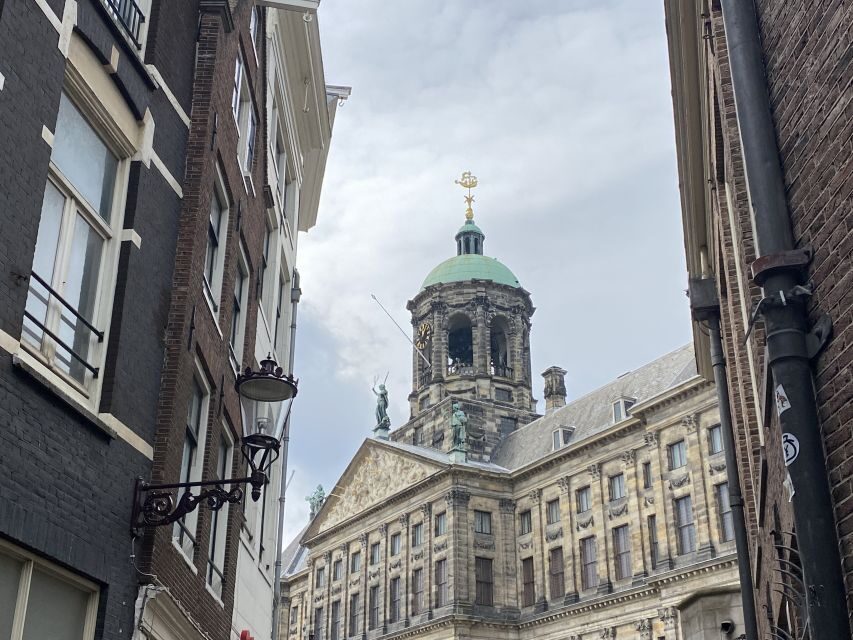
The first big block of sights anchors you at Dam Square, and the guide spends real time connecting three key points: the Royal Palace, the National Monument, and the Nieuwe Kerk. You’ll also learn how these places fit into the Dutch monarchy story and Amsterdam’s status as a major trading metropolis.
One thing I like about this approach: it respects what Dam Square can feel like—crowded, fast, and easy to skim. Instead of rushing through, your guide frames what you see. If the Royal Palace and/or Nieuwe Kerk are open to the public when you pass by, you may get a chance to look inside. Even without interior time, the exterior viewing plus the explanation usually makes the area feel less like a blur.
Practical note: Dam Square can be visually intense. Bring comfortable shoes and plan to look up as much as you look ahead—your guide points out architectural details you might otherwise miss.
Torensluis and the canal belt: how Amsterdam’s waterways became a blueprint
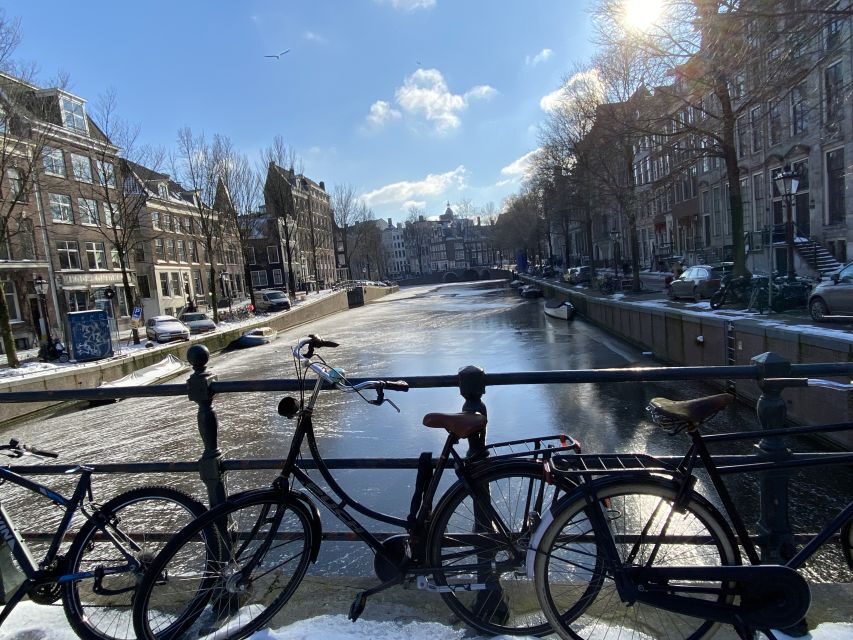
Next comes one of the more interesting segments for people who like city design: the walk passes Magna Plaza and leads into Torensluis, described as Amsterdam’s former Maut bridge. That’s not just a name-check stop. This is where the guide links street-level walking to city planning.
You’ll hear how the canal belt was created and how it developed over time—exactly the kind of information that makes later canal-house viewing feel purposeful. Once you understand the waterways’ role in movement, trade, and wealth, you start spotting patterns: where attention went, how the city expanded, and why certain areas feel more monumental or more workday than touristy.
The payoff is that your route stops being random. By the time you’re heading along canals later, you’ll have a mental map that goes beyond names on a sign.
The Amsterdam canals and the Western Islands: where old shipyards meet everyday life
From the central area, the tour moves toward the Haarlemmer Buurt and Western Islands direction. This is where the “off-the-beaten-track” label actually matters, because you’re shifting away from only the most famous canal stretches.
You’ll get to see both old and practical Amsterdam references: the former small shipyards and the idea of real, lived-in island life. The tour also hints at a quirky possibility—if you want and conditions allow, you might be able to swim. I’d treat that as a bonus, not a promise, but it’s a reminder that the waterways aren’t just scenery here.
What you should expect in this portion is more variation in feel. Some stretches can look calmer, more local, and more about buildings and water interaction than big-photo landmarks. If you prefer neighborhoods that feel like they still work for residents, this is a highlight.
Westerdoks and houseboats: modern design on top of old water routes
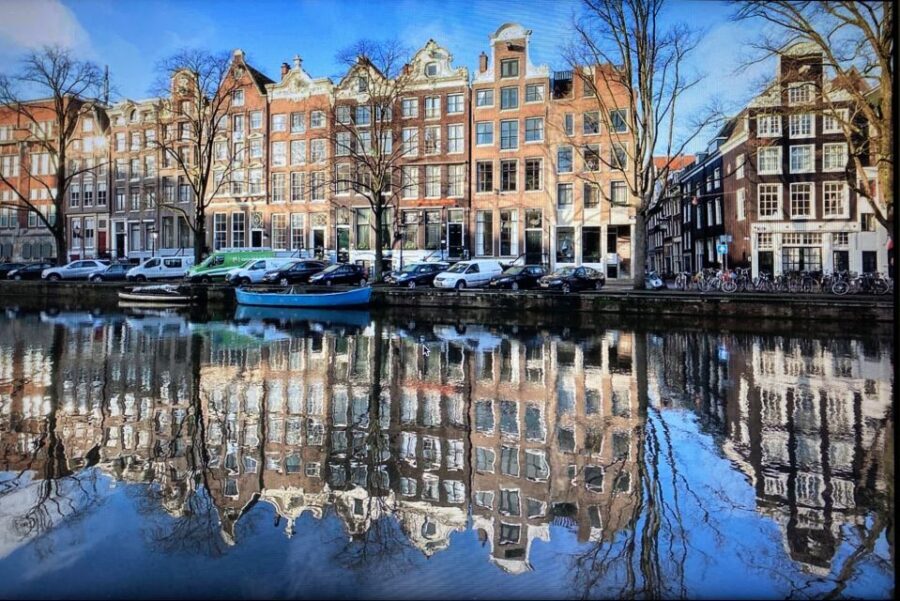
You’ll curve back and pass the Westerdoks, described as newly designed. This is the part of Amsterdam where you get proof the city isn’t frozen in the Golden Age. Instead, it keeps building along the water, and the tour points you toward that contrast.
The guide also mentions houseboats, which ties nicely to what you’ve learned so far. If the earlier sections explain Amsterdam as a trading city that grew rich through canals, the Westerdoks and houseboats section shows what residents do with the same water-based logic now.
This stop works well because it gives you something to talk about later when you compare neighborhoods. You’ll have both the historic planning story and the modern “still adapting” reality in your head.
You can also read our reviews of more guided tours in Amsterdam



Brouwersgracht to Prinsengracht: canal houses, converted warehouses, and the outer feel of the city
Then the route brings you onto Brouwersgracht, including references to converted warehouses—a great reminder that warehouses and commerce weren’t only in the distant past. You’re walking in an area shaped by trading needs, and the architecture reflects that.
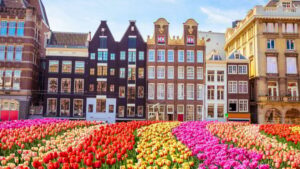
From there you continue toward the outermost canal mentioned in the plan: Prinsengracht, and into the Jordaan district. As you walk, the tour focuses on the beauty of Amsterdam canal houses, especially seventeenth-century architecture often linked to the Golden Age. The guide pays attention to the small details—what the building design suggests about wealth, trade, and status at the time.
Here’s the subtle benefit for you: these details are easier to notice with a guide than alone. Your guide can tell you what to look for, which turns a long walk into something more than moving from one famous street to another.
Jordaan and Noordermaarkt: the most charming part of Amsterdam on foot
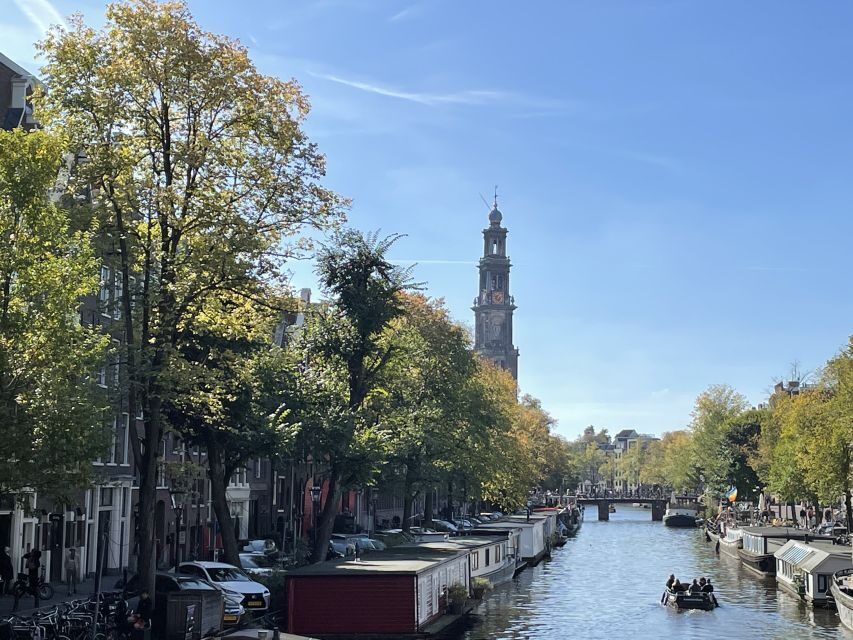
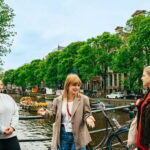
The Jordaan is presented as Amsterdam’s most lively and charming neighborhood in the route, and the tour builds toward it. You’re walking past the kinds of streets where you can imagine daily routines: smaller canals, local atmosphere, and the feeling that you’re moving through a place people actually live, not just visit.
There’s also a Noordermaarkt stop planned, specifically timed to whether it’s a market day. If it is, you’ll stroll along diverse stalls and the guide may offer food suggestions like haring and ice cream. You may also get restaurant ideas around the area, plus guidance toward appeltaart that’s treated as a must-try.
Even if it’s not market day, the Noordermaarkt segment is still useful as a neighborhood orientation point. Markets in Amsterdam aren’t just about food—they’re social geography. Your guide’s explanation helps you understand why this area feels like a local hub.
And after the guided portion, the tour points you toward exploring further on your own—especially the 9 Straatjes area—if you want shopping and browsing.
Anne Frank House and Westerkerk: seeing the area from the smaller canals
Later, the tour includes the Anne Frank House and Westerkerk, with its tower and eventful history. Importantly, your guide is positioning these sights within the flow of the neighborhood, not treating them as isolated monuments.
That matters because the Jordaan’s canal network gives you different angles and a more street-level understanding than a single landmark photo. You’re seeing how the area functions—how people move between canals, streets, and small bridges—while your guide connects what happened here historically.
A note for expectations: the plan says you’ll see these famous locations, but it doesn’t promise timed entry or a museum visit in the description you provided. So plan to treat this as a guided viewing and storytelling stop, not a guaranteed ticketed attraction experience.
When the tour loops back: Homomonument and returning toward Beursplein
If you want the guided wrap-up, the tour includes an option to head back toward the meeting point on Beursplein, after seeing the Homomonument. This can be a smart choice if you don’t want to navigate back through the center right after the walk.
Either way, the structure helps: you finish with enough context to continue independently. That’s one of the reasons this kind of guided route can feel more efficient than a “hit every landmark” day.
Price and what you’re really buying: $46 for 2.5 hours, small-group pacing, and storytelling
At $46 per person for 2.5 hours, the value depends on what you want from Amsterdam. If you’re the type who likes architecture, city planning, and neighborhood context, the price makes sense because you’re paying for interpretation—especially around the canal belt story and why Torensluis matters.
The tour is also kept intentionally small. The info you provided lists a small-group cap of max. 4 persons in one place, and limited to 6 participants in another. Either way, you should expect a walk that feels more personal than large group “herding.” The reviews match this, praising guides for being friendly and informative, and for explaining things beyond standard facts.
Language matters here too. Since it’s German, you’ll get the full benefit only if that works for you. If you’re not comfortable in German, you might still enjoy the landmarks visually, but you’d miss the core value: the explanation.
Finally, it runs rain or shine, so pack for weather rather than waiting for the perfect day.
What to wear, what to bring, and how to make the walk easier
For a tour like this, comfort is not optional. Bring comfortable shoes first. Add water because 2.5 hours in Amsterdam can still feel long, especially with photo stops and canal-side walking. Bring sunscreen even if the sky looks uncertain—Amsterdam light can surprise you.
The tour also notes it’s wheelchair accessible, which is a big plus. Still, you’ll be on foot, so think about whether you prefer steady, simple routes versus cobbled areas and street changes. If you’re traveling with mobility needs, plan around slower pacing.
Rules are also clear: no intoxication, and alcohol and drugs are not allowed during the tour. That’s a good standard for keeping the experience safe and respectful, and it tends to support the fact that guides can focus on storytelling instead of disruptions.
Should you book this off-the-beaten-track Amsterdam walking tour?
Yes, if you want more than postcards. This is a great fit when you like seeing how a city is built—especially when the guide connects the canal belt, the Golden Age architecture, and neighborhood life from Dam Square through the Jordaan and toward the Anne Frank House area. It’s also a smart “orientation day” choice.
No, if you’re only chasing a quick checklist of famous names with minimal walking, or if you can’t do German. In that case, you’d probably be better with a route that matches your language and pace.
If your ideal Amsterdam day is equal parts canals, architecture details, and neighborhood atmosphere, this Herzblut Amsterdam Stadtführungen walk is a solid value at $46—and the fact that guides like Anna, Natascha, and Fred get highlighted for friendly, helpful explanations is a promising signal.
FAQ
Where is the meeting point?
You meet at BEURSPLEIN / Damrak, about 350 meters from Amsterdam Centraal Station.
How long is the walking tour?
The duration is 2.5 hours.
How much does the tour cost?
The price listed is $46 per person.
What language does the guide speak?
The live guide speaks German.
How big is the group?
The tour is described as small group: it lists a max size of 4 persons in one place and up to 6 participants in another.
Is the tour wheelchair accessible?
Yes, it’s listed as wheelchair accessible.
Does the tour run in bad weather?
Yes. It runs rain or shine.
What should I bring?
Bring comfortable shoes, sunscreen, and water, plus comfortable clothes.
Can I cancel for a full refund?
Yes. You can cancel up to 24 hours in advance for a full refund.