REVIEW · AMSTERDAM
Absolutely Amsterdam – the Essential Introductory Walking Tour
Book on Viator →Operated by FreeDam Tours · Bookable on Viator
This tour puts Amsterdam into focus fast. In one 2.5-hour stroll, I love how it strings together the city’s big themes—water and money, faith and tolerance, trade and consequences—so the sights start making sense. You’ll hit major landmarks from Dam Square to the canals without feeling like you’re sprinting, and the guide style tends to be vivid and fun; guides like Gianni (maps and visual aids), Jaap (humor plus history), and Raymond (lifelong-local perspective) are repeatedly called out for keeping the pace easy and the stories engaging.
Two things I really like: first, you get close to the UNESCO-listed center while staying on foot, which makes it simple to absorb the city’s atmosphere. Second, it’s a value-forward setup where the base cost is low and you can tip as you wish, plus many stops are free to view. One consideration: a few stops mention admission not included, so you may decide on the spot whether you want to pay for entry or just enjoy the exterior views.
In This Review
- Key Highlights to Expect in This 2.5-Hour Walk
- Walking Amsterdam’s UNESCO Core in About 2.5 Hours
- Beurs van Berlage: Where Amsterdam’s Water and Finance Meet
- Damrak: The Red Light District’s Origins and the Church Factor
- Ons’ Lieve Heer op Solder: Tolerance With Real Constraints
- Chinatown, Drug Policy, and the Backstory of Coffeeshops
- The Waag: Rembrandt’s First Major Portrait Breakthrough
- Oostindisch Huis Courtyard: Trade Empire Power, Up Close
- Waterlooplein Market: WWII Survival and a Community’s Loss
- The Amstel and Canal-Feel Details: Skinny Houses, Leaning Walls, and Open Curtains
- Oudemanhuispoort: The Bike City Explained in a Former Monastery
- Royal Palace Amsterdam: Republic to Monarchy on Dam Square
- How to Get the Most Value (Shoes, Timing, and What to Do Next)
- Should You Book Absolutely Amsterdam?
- FAQ
- How long is the Absolutely Amsterdam walking tour?
- Where does the tour start and end?
- Is the tour in English?
- How much does it cost?
- Are tickets included for all stops?
- How big is the group?
- Can I cancel for a full refund?
- Is the tour suitable for most people?
Key Highlights to Expect in This 2.5-Hour Walk

- A tight intro loop through Amsterdam’s most famous neighborhoods and landmark zones
- Most stops are free to view, with only a few places marked admission not included
- Big themes, not random facts: water + finance, trade + power, tolerance then and now
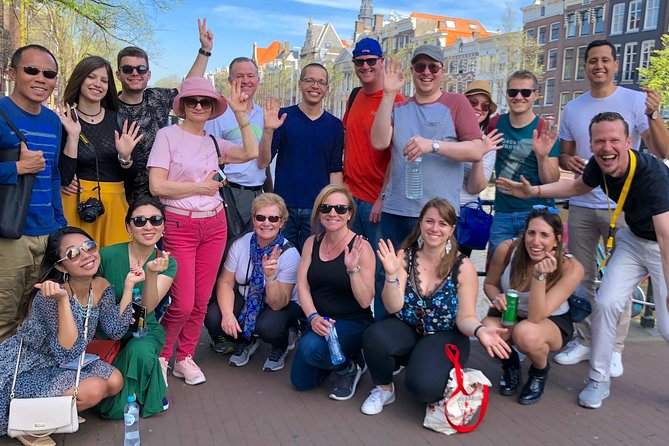
- Small group size (max 15) helps the guide keep the flow and answer questions
- Humor is part of the method in many guide styles, from Jaap to Raymond
Walking Amsterdam’s UNESCO Core in About 2.5 Hours
If you have limited time, this is the kind of tour that earns its spot. You start at Freedam Tours, Beursplein 5, then walk a compact route that ends back at the same meeting point near Dam Square. The duration is about 2 hours 30 minutes, and the group is capped at 15 people, which matters in Amsterdam where streets, bicycles, and crowds can turn “easy walking” into a team sport.
The pacing is designed for an intro. You’re not stuck in long lines, and most stops are short enough that you keep your energy. Still, it’s a walk through the center, so bring good shoes and expect to dodge bikes like you’re part of the local traffic rhythm.
You can also read our reviews of more walking tours in Amsterdam


Beurs van Berlage: Where Amsterdam’s Water and Finance Meet
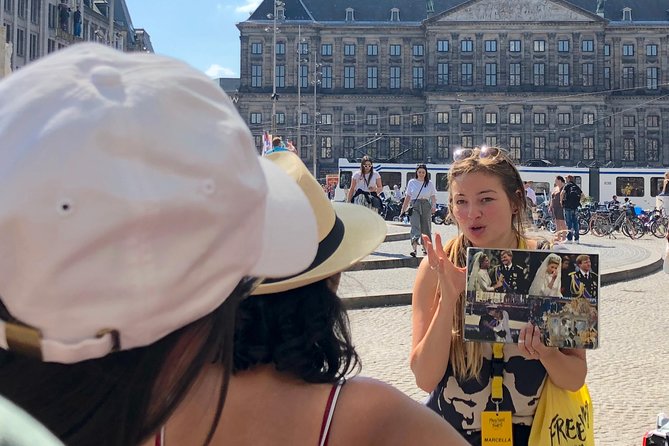
The tour begins at Beurs van Berlage, right in front of the former exchange buildings. Here’s the clever part: instead of treating this as just a pretty facade, the guide uses the spot to explain Amsterdam’s origin story—specifically how waterways and finance shaped the city. It’s a quick lesson with payoff, because the themes you hear at the start show up again later in canal houses, trade buildings, and the Golden Age conversation.
What to watch for: the area connects old geography (the river used to flow here) with the idea that Amsterdam became powerful through commerce. Even if you’ve seen Amsterdam photos before, this stop helps you read the city’s layout with better context.
Damrak: The Red Light District’s Origins and the Church Factor
Next comes Damrak, near the old harbor—perfect for people who want the “how did we get here” version of Amsterdam’s most talked-about district. The tour frames the Red Light District’s story around religion, public morality, and profit, then ties it to how prostitution became legal in the 20th and 21st centuries. That includes how the neighborhood changed over time and what challenges exist today.
A practical note: Damrak can be busy. You’ll want to keep a bit of space so you don’t get squeezed between pedestrians and bikes. If you’re visiting during peak foot-traffic hours, expect the group to pause, regroup, and move again.
Ons’ Lieve Heer op Solder: Tolerance With Real Constraints
At Our Lord in the Attic Museum (Ons’ Lieve Heer op Solder), you’ll get a story about tolerance that doesn’t pretend history was simple. The guide explains how Catholicism was illegal in the 17th century but still tolerated under unusual conditions. The most useful angle is how they connect those underlying principles to tolerance today—without turning it into a lecture.
Important detail: you do not enter the hidden church. The tour notes that you see it from the outside and through pictures of the interior. So if you’re hoping for a full walkthrough of the space, plan for mostly an exterior viewing experience on this tour. Admission is listed as not included here, which also means you’ll need to decide whether you want to pay separately if you want deeper access.
Chinatown, Drug Policy, and the Backstory of Coffeeshops
Then it’s Chinatown, used as a springboard for Dutch drug policy history. The guide explains how Dutch drug approaches evolved and why this area became known as a no-go zone in the 1970s—along with how that environment contributed to the beginning of coffeeshops for marijuana.
This stop is smart for two reasons. First, it gives a policy story behind a modern stereotype. Second, it helps you understand Amsterdam as a place that manages hard questions with rules that change over time, not just a city that shrugs and calls it culture.





The Waag: Rembrandt’s First Major Portrait Breakthrough
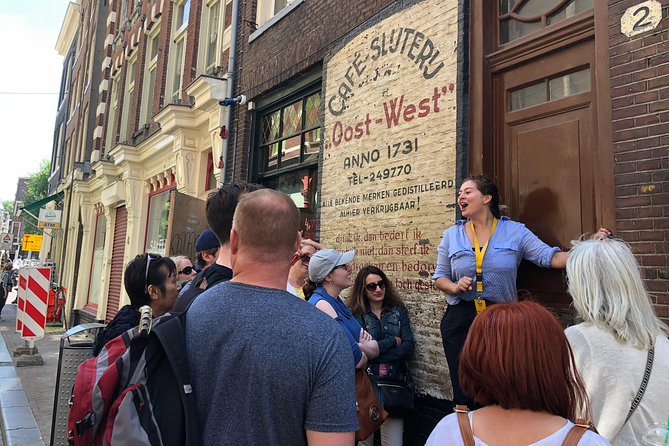
At The Waag, the focus shifts to art and a specific creative milestone: where Rembrandt painted his first major work and how it changed portrait making. You’ll get a copy of the painting to look at so the details make sense without needing museum-level time.
Admission is marked as not included for this stop. That’s fine because the main value here is the story + the visual reference. If you’re an art fan, you’ll likely leave wanting to see more, but this is still a strong stop even if you skip paid entry.
Oostindisch Huis Courtyard: Trade Empire Power, Up Close
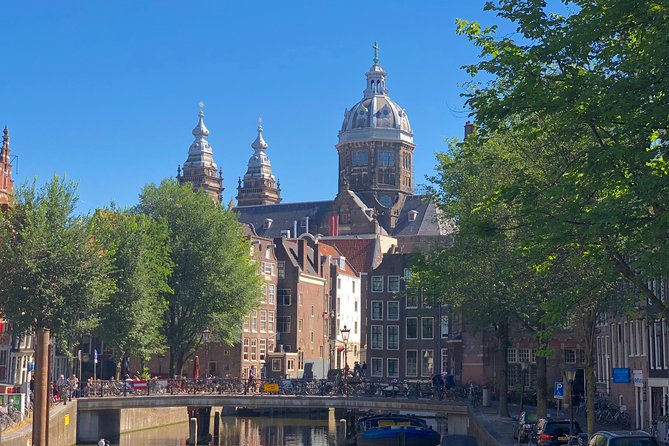
One of the most memorable parts of the tour is Oostindisch Huis, built around a stunning 17th-century courtyard. This is where Amsterdam’s “Golden Age” story turns concrete: you learn how the city became the center of a global trading empire and why this headquarters mattered. The guide also doesn’t sand down the darker legacy of that period.
Timing matters here. The courtyard is described as only accessible during week-days, so your visit days could affect what you can see. If your tour day is during the week, count this as one of the best spots on the walk for getting that sense of scale and power.
Waterlooplein Market: WWII Survival and a Community’s Loss
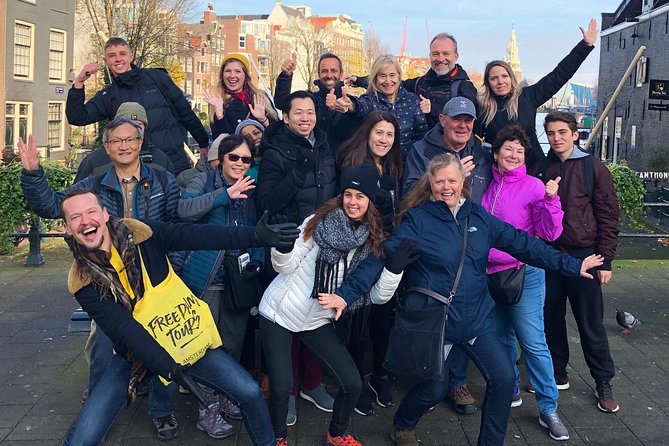
Next is Waterlooplein Market, described as the oldest market in Amsterdam, located in what used to be the Jewish Quarter. The tour connects the area’s near destruction at the end of World War II to the real consequences of Nazi occupation and the decimation of Jewish populations across Europe.
It also covers how people had to survive the last hunger winter—so the stop isn’t just about a sad event; it’s about endurance and survival. Admission is listed as free for this segment, which fits the style of the tour: you get the lesson without needing ticketed access.
The Amstel and Canal-Feel Details: Skinny Houses, Leaning Walls, and Open Curtains
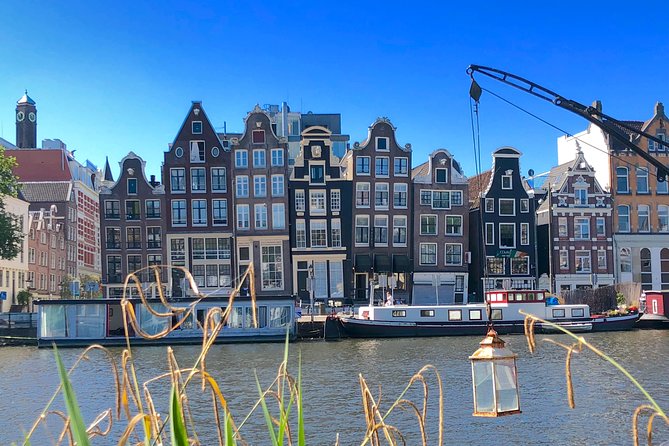
Then you get the classic Amsterdam set piece: the Amstel and the canal-house architecture conversation. This is where the tour earns its street-level credibility. The guide explains why canals exist, then zeroes in on the details most people miss in photos—why houses are skinny, why some buildings lean in odd directions (some by design), and why there’s often a hook on the façade.
And yes, you’ll get the answer to the curtain question. The guide talks about why Dutch people keep curtains open so often. It sounds small, but it’s actually a neat way to understand everyday culture: how public and private space get negotiated in a city built around light and waterways.
Depending on weather and the guide, this segment can happen on another canal too, so don’t be surprised if the exact spot changes slightly.
Oudemanhuispoort: The Bike City Explained in a Former Monastery
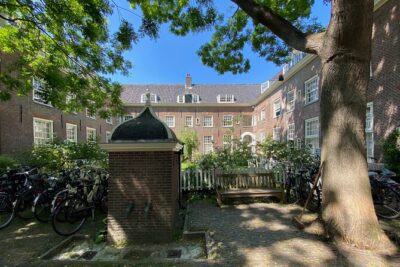
At Oudemanhuispoort, you’ll stand in a beautiful, hard-to-find former monastery that became a hospital and later became part of the University of Amsterdam. This stop is a clever pivot: you go from historic buildings to modern behavior, using it as a lens for Dutch bike culture.
The guide makes the point that Amsterdam has more bikes than people, and yes, you’ll likely notice how many bikes look… practical rather than pretty. That’s the joke with a purpose: Amsterdam treats function as style, especially when it’s your daily transport system.
Royal Palace Amsterdam: Republic to Monarchy on Dam Square
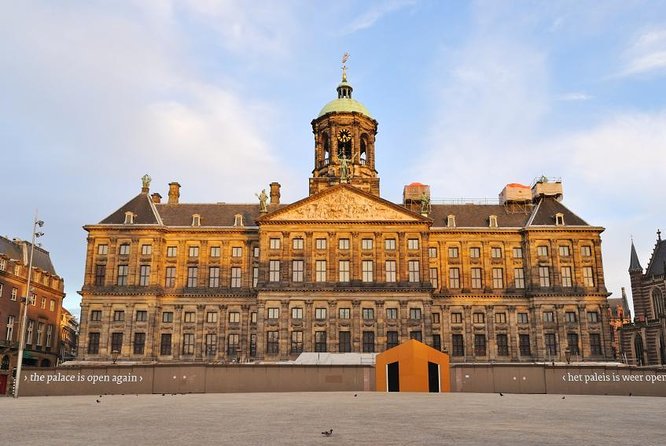
The final big landmark is Royal Palace Amsterdam, with the tour ending around Dam Square. Here the guide focuses on the palace’s unusual history, including the transition from republic to monarchy, plus who the current royal family is. There’s also an upbeat, casual tone about royal gossip, but the underlying goal is clear: give you enough orientation so Amsterdam’s political layers don’t feel like a random costume show.
Admission is listed as not included, so you’re mostly there for the story and the setting. Still, ending on Dam Square works because you’re then positioned to branch out on your own.
How to Get the Most Value (Shoes, Timing, and What to Do Next)
This tour’s price is $5.93 per person, which is unusually low for a guided, structured walking experience. The value comes from three places: the compact route through top sights, the fact that many stops are free to view, and the promise that you’re meant to tip what feels fair. If you tend to like pay-what-you-can-style experiences, this format fits the way Amsterdam rewards good service.
A few practical tips to make it better:
- Wear comfortable shoes. You’re walking and dodging bikes, not strolling in a theme park.
- Go early or late if you can. The experience can be more comfortable when streets are less clogged.
- If you see admission not included spots like Ons’ Lieve Heer op Solder, The Waag, or the Royal Palace, decide ahead of time how much museum time you want. The tour will give the story either way, but entry means extra cost and time.
Afterward, you’re in a perfect position to revisit what caught your attention. If the trade empire material sparked your interest, you’ll likely want more time in canal and history areas. If the tolerance and policy stories grabbed you, plan to read signage and museum blurbs more carefully as you go.
And one more thing: guides can be a big part of why this works. Multiple guides are described as funny, energetic, and ready with visual aids or maps. If you care about story style, it’s worth choosing a guide slot that fits your mood for humor and pacing.
Should You Book Absolutely Amsterdam?
I’d book it if you’re in Amsterdam for the first time, want the fast orientation loop, and like history explained in stories tied to real places. It’s also a good pick if you don’t want museum-ticket hopping all morning. You get landmark coverage plus big themes that help the city click.
I’d think twice if you want long, inside-the-building time at every major site. This walk is built for outside viewing and short talks, and a few attractions are marked admission not included, meaning deeper entry is your choice, not the default. Also, Amsterdam’s streets and bikes mean you should plan for an active walk, not a sit-and-watch experience.
FAQ
How long is the Absolutely Amsterdam walking tour?
It runs about 2 hours 30 minutes.
Where does the tour start and end?
It starts at Freedam Tours, Beursplein 5, 1012 GZ Amsterdam and ends back at the meeting point.
Is the tour in English?
Yes. The tour is offered in English.
How much does it cost?
The price is $5.93 per person.
Are tickets included for all stops?
Not for all stops. Some stops are marked admission free, while others are marked admission ticket not included.
How big is the group?
The tour has a maximum of 15 travelers.
Can I cancel for a full refund?
Yes. You can cancel up to 24 hours in advance for a full refund.
Is the tour suitable for most people?
The info says most people can participate, and service animals are allowed.
If you tell me what day/time you’re planning to go and whether you care more about museums or street-level stories, I can help you decide if the paid-entry stops are worth it for your itinerary.