REVIEW · AMSTERDAM
Amsterdam: Guided Cultural Walking Tour
Book on GetYourGuide →Operated by Amsterdamliebe · Bookable on GetYourGuide
Dam Square has a way of pulling you in. This 2-hour walking tour strings together the city’s biggest landmarks with real stories about daily life, art, war, and the city’s big-tent tolerance. I like that the guide does more than point and pose you get context as you walk, plus practical ideas for what to do next. You’ll also cover the Amstel River area and finish at the National Monument, so your first-day bearings snap into place. One consideration: it’s a straight walking circuit in the center, so wear comfortable shoes and be ready for crowds at peak times.
A second thing I like is the range of stops. You’ll pass places tied to commerce (like Beurs van Berlage and Magna Plaza), moral memory (Anne Frank Monument and the Westerkerk area), and the quietly beautiful Begijnhof courtyard. I also like that the tour is guided in English or German, and many guides keep the pace friendly with short photo moments. The main drawback for some people: guides can have strong accents, so if English is your second language, pick the language you’re most comfortable with and don’t be shy about asking for repeats.
In This Review
- Key Things to Know Before You Walk This Amsterdam Loop
- Dam Square to the National Monument: Why This Start Works
- Dam Square, Royal Palace, and the New Church: Power, Politics, and Daily Life
- Beurs van Berlage and Magna Plaza: From Trading Floors to Modern Foot Traffic
- Multatuli Statue, a Tiny House Detail, and Torensluis Bridge: Small Clues With Big Stories
- Anne Frank Monument, Westerkerk, and Homomonument: Where Memory Lives in the Streets
- De Negen Straatjes and Spui Square: The Break Before Begijnhof
- Begijnhof: The Courtyard Moment That Makes the Whole Tour Stick
- Amstel Return and the National Monument Finish: Why the Ending Feels Meaningful
- Price and Value: What $29 Buys in Two Hours
- Guides, Group Size, and the Pace You’ll Feel
- Practical Tips Before You Book Amsterdamliebe
- Who This Walk Is Best For
- Should You Book This Tour?
- FAQ
- How long is the Amsterdam Guided Cultural Walking Tour?
- Where do I meet the guide?
- Does the tour include admission fees for sights?
- What languages are offered?
- Is the tour wheelchair accessible?
- Is food included?
- What should I bring?
Key Things to Know Before You Walk This Amsterdam Loop
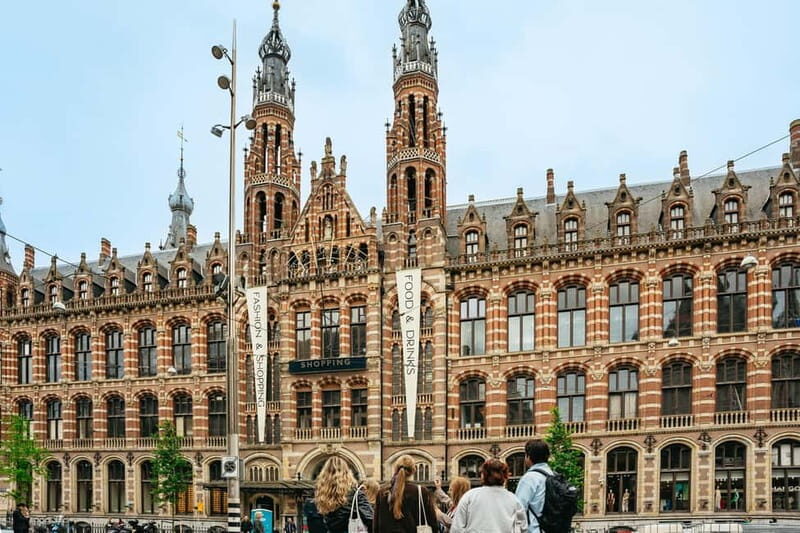
- Dam Square first, not last: You start at the National Monument stairs at Dam Square, the symbolic heart of the city.
- Short stops, steady rhythm: Each landmark is paired with a guided explanation and quick photo time.
- History tied to people: You hear about merchants, tradespeople, and even the poor, not just famous names.
- War and tolerance are part of the story: The walk connects World War II memory to how Amsterdam lives today.
- Begijnhof is the quiet break: After busy squares, you reach a calmer courtyard scene.
- You finish where you started: Ending back at the National Monument makes it easy to transition to your next plan.
Dam Square to the National Monument: Why This Start Works
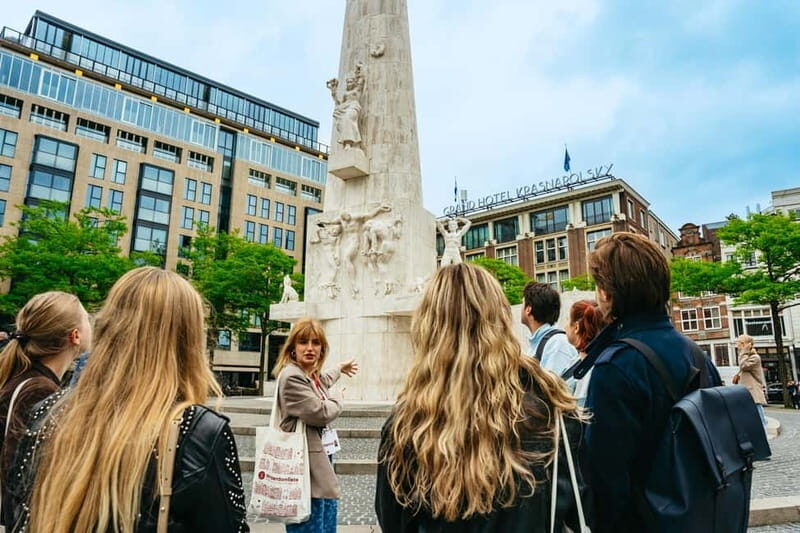
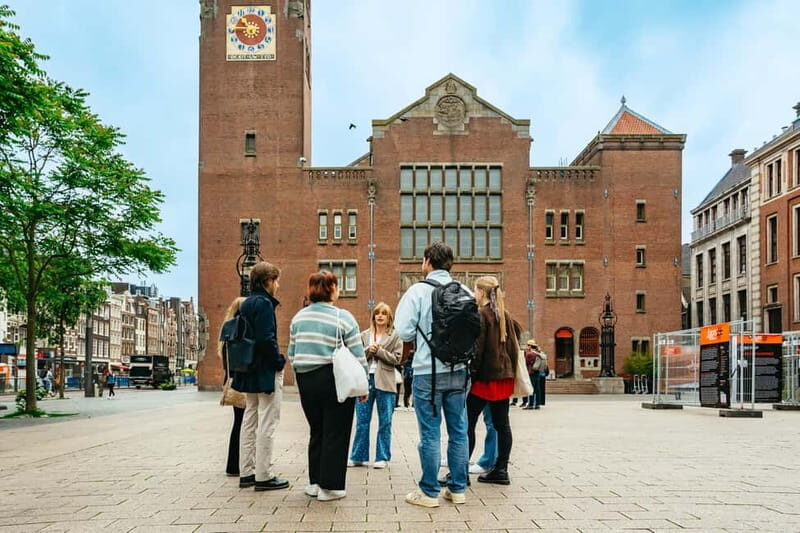
You meet at the National Monument on Dam Square, right on the stairs of that big white pillar/obelisk. Your guide wears a red name tag around their neck, which makes them easy to spot once you’re close, but I’d still arrive a few minutes early because other tour staff can look similar. The tour is 2 hours total, and start times vary by availability.
Starting here matters because Dam Square isn’t just a pretty plaza. It’s tied to the founding identity of Amsterdam, which means you get a framework for everything else you’ll see. Instead of treating the rest of downtown like random sights, the guide gives you a map of how the city grew, got richer, got scarred, and changed its social norms.
One smart touch: you do not pay admission fees during the walk. That means your $29 goes to the guide and the experience, not ticket math.
You can also read our reviews of more walking tours in Amsterdam



Dam Square, Royal Palace, and the New Church: Power, Politics, and Daily Life
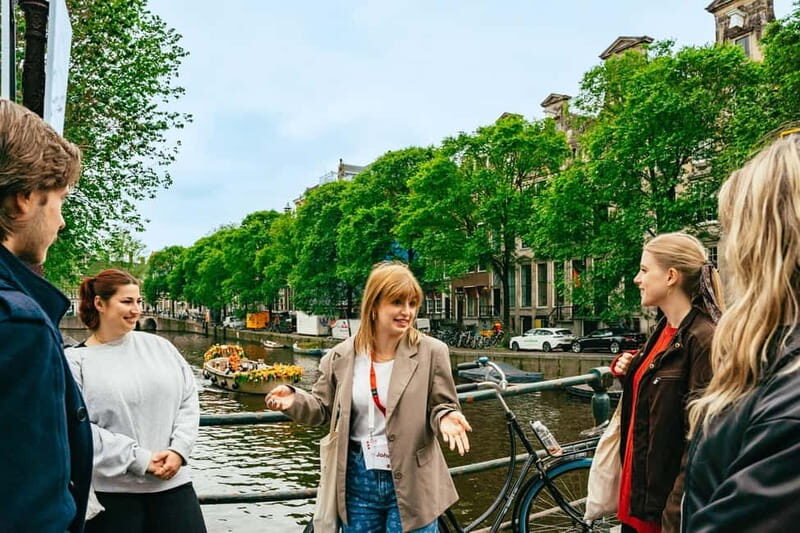
The tour takes you through the grand center with a mix of viewpoints and quick stories. First you hit Dam Square itself with guided context and a photo stop. Then you move past the Royal Palace of Amsterdam and the New Church (Nieuwe Kerk) area, plus nearby civic landmarks like the former main post office.
This part works best if you like your sightseeing with a backbone. The guide links who lived where and what everyday life looked like in earlier centuries, including how different social classes moved through these spaces. You’ll hear how merchants and salespeople lived differently than the poor, which turns “old buildings” into something more human.
And yes, you’ll get the postcard angles. But the real value here is the explanation of why the center looks the way it does: the city grew around trade, power, and constant movement.
Beurs van Berlage and Magna Plaza: From Trading Floors to Modern Foot Traffic
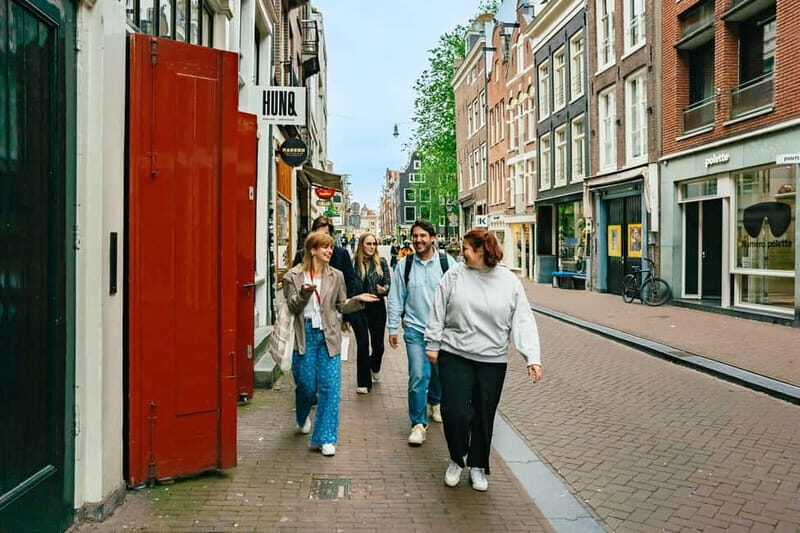
Next comes the shift from old-city politics to business-era architecture and then to modern retail life. You’ll pause for a photo and guided talk at Beurs van Berlage, then continue toward Magna Plaza.
Beurs van Berlage is a useful stop because it shows how Amsterdam’s commercial energy turned into buildings with identity. It’s the kind of place where you can feel the city’s confidence during a period when trade mattered even more than it does today. Magna Plaza, on the other hand, lets you see how the “people flow” of the center keeps evolving, even if the city’s shape stays recognizably Amsterdam.
Practical tip: bring your phone, but don’t stare through your camera the whole time. The best parts here are the guide’s side notes on what these buildings signal about who had money and influence.
Multatuli Statue, a Tiny House Detail, and Torensluis Bridge: Small Clues With Big Stories
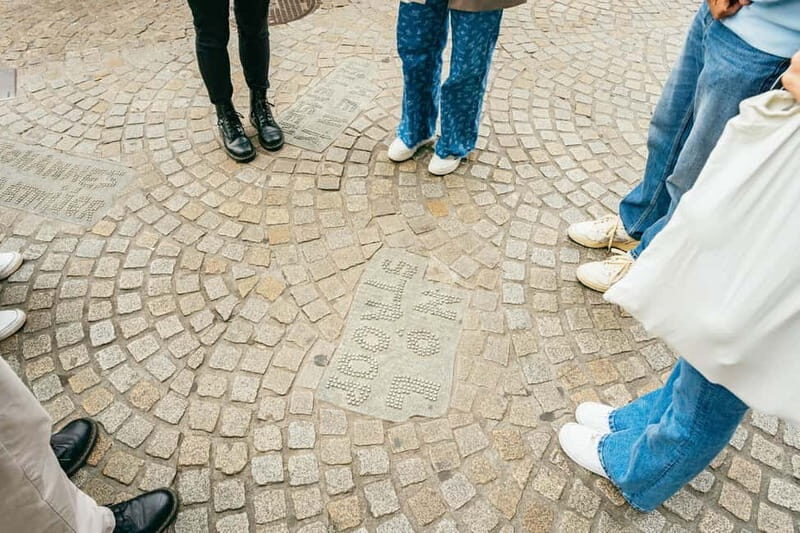
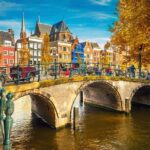
One of the more memorable moments is the bridge-area story line. You’ll stop by the Multatuli Statue on Torensluis Bridge and hear about Amsterdam’s colonial era in a way that connects place to meaning.
The tour also points out one of the tiniest houses in the city. That tiny-house detail isn’t there to be cute. It gives you a physical sense of cramped living and how people made use of space in earlier times. When you later see canal houses, you’ll understand that not all “pretty” old Amsterdam was comfortable.
This section also helps you spot the difference between “Amsterdam the brand” and Amsterdam as a real city of uneven living conditions. That balance is part of why this walk feels worth doing early in your trip.
Anne Frank Monument, Westerkerk, and Homomonument: Where Memory Lives in the Streets
Midway through, the tone deepens. You’ll pass the Anne Frank Monument, then move toward Westerkerk, with more guided framing about what World War II changed in the lives of the city’s people.
You’ll also encounter the Homomonument. This stop matters because it shifts the story from one historic tragedy to long-term social change. The guide ties this to Amsterdam’s reputation for tolerance and multicultural life today, but you’ll get the sense that tolerance is not a slogan it’s work and remembrance.
If you’re visiting with kids, I’d keep expectations realistic. This part is age-appropriate in the sense that the guide can explain it clearly, but it’s still heavy subject matter. The payoff is that you won’t just “see” landmarks, you’ll understand why they’re placed where they are.
You can also read our reviews of more guided tours in Amsterdam



De Negen Straatjes and Spui Square: The Break Before Begijnhof
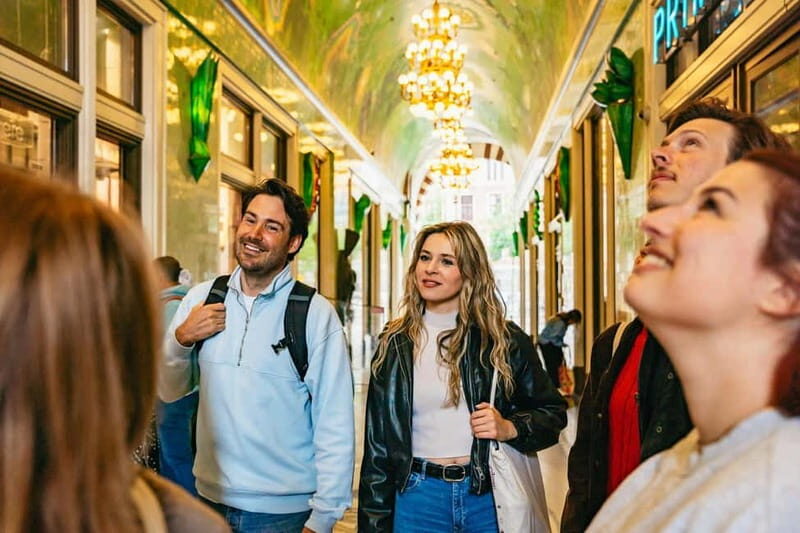
The walk keeps moving, but you get a gentle change of pace with De Negen Straatjes (the Nine Streets). You’ll have a guided moment there, and the stop is short enough that it doesn’t slow the tour down, but long enough to help you notice why this area feels different from the bigger squares.
You also cross Spui Square on your way toward the Begijnhof. Spui is a useful crossing point because it feels like a transition space: busy enough to feel like downtown, but positioned to lead you toward a calmer pocket of the city.
If you like design details, watch for architectural choices people made in earlier eras and how those choices fit everyday routines. The guide gives you the story, but your eyes do the rest.
Begijnhof: The Courtyard Moment That Makes the Whole Tour Stick
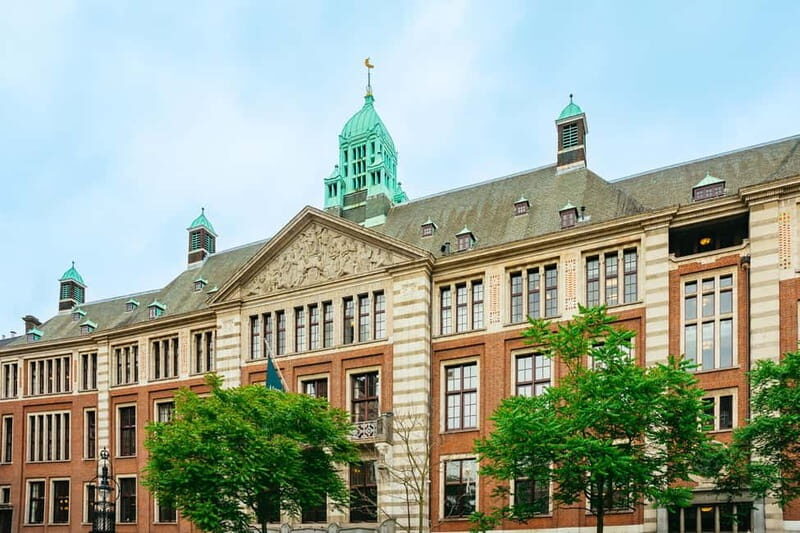
Then you reach the pearl of Amsterdam: Begijnhof. This is the moment where the city’s noise drops and the walk starts to feel like a living museum of daily life.
The guide gives context about the place and helps you see why the courtyard matters socially, not just visually. You’ll also get tips on foods to try and which districts you can explore by bike on your own later. I appreciate this because the tour ends with directions for the next day, not just a history quiz.
Begijnhof also gives you a breather after the larger monuments and bridges. If your feet are starting to complain, this is a great place to re-center, take photos that don’t feel rushed, and listen closely to the final stories before heading back.
Amstel Return and the National Monument Finish: Why the Ending Feels Meaningful
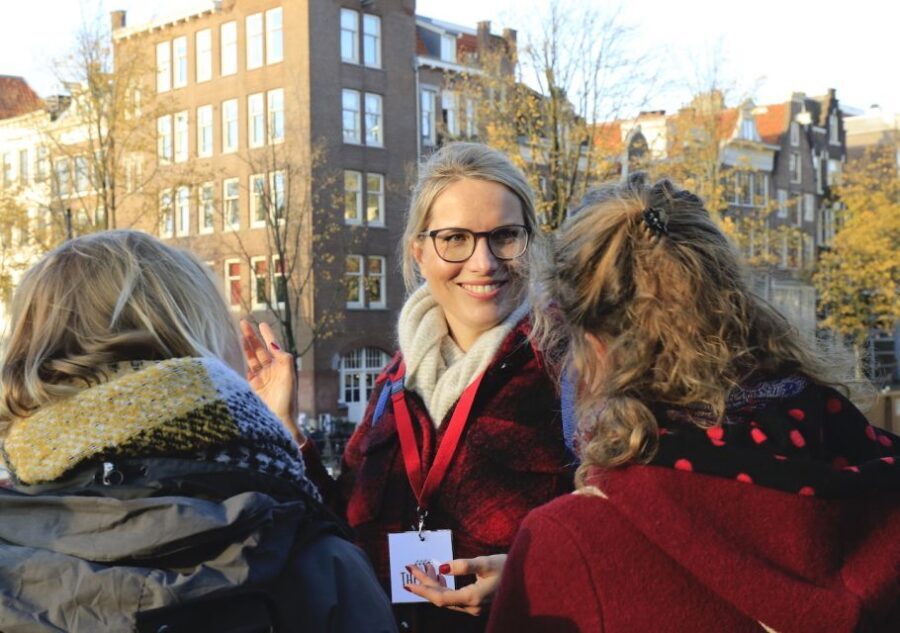
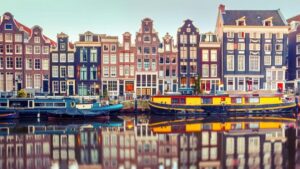
On your way back, you see the Amstel River, the waterway that gives the city its name. Strolling along the river banks is one of the best “Ah, this is Amsterdam” moments because the canals and old facades look different when the guide ties them to the city’s growth.
You finish back at the National Monument. It’s originally tied to remembering victims of World War II, and the meaning expands into a memorial for victims of wars worldwide. That matters because the tour isn’t only about architecture and dates. It’s about how a place remembers, and how memory shapes public space.
If you want to keep your momentum after the tour, ending at Dam Square is practical. You’re right in the center for transit and easy connections.
Price and Value: What $29 Buys in Two Hours
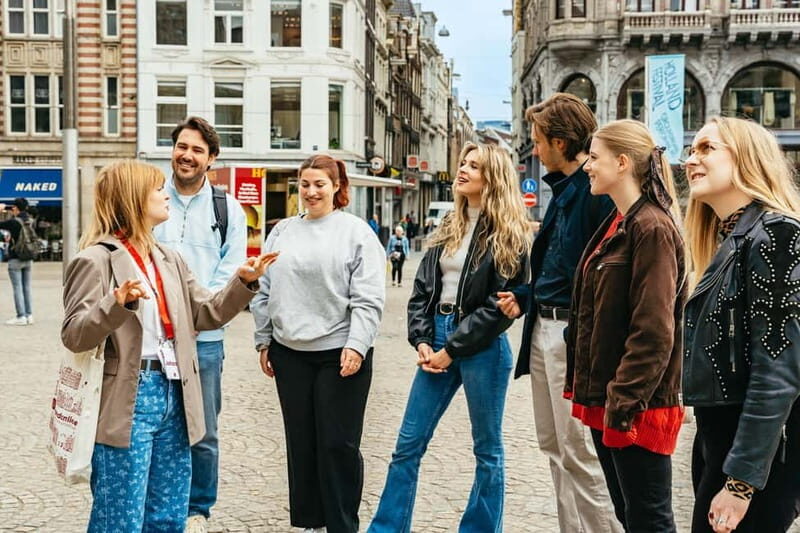
At $29, this is fairly priced for a guided walking tour that covers major central landmarks plus multiple theme threads: medieval life, the Golden Age of art, how war reshaped the city, and what tolerance looks like now.
The value gets even better because you’re not paying admissions during the walk. So your money goes to the guide’s pacing and explanations, plus their recommendations for what to do next. In the guide tips I’ve seen mentioned, people came away with practical food ideas like bitterballen spots, and in at least one case a guide added a stroopwafel treat as an extra highlight.
One thing to keep in mind: food and drinks aren’t included. If you want snacks, plan for them before or after. Bring water, especially on warmer days or if you’ll be walking in the rain.
Guides, Group Size, and the Pace You’ll Feel
Most people experience this tour as lively and well-paced. I saw a pattern in the feedback around guides being funny and story-forward, and around the walk feeling like it moves at a comfortable speed thanks to short stops. Names that came up often include Alex, Justin, Josh, Antonia, Noemi, Deborah, Stefanie, Stephanie, Charlotte, Prisha, Claudia, and Anne.
That also hints at something important: you’re not getting a rigid script. Different guides can bring a slightly different tone, but the structure stays consistent: photo stop, short guided lesson, then on to the next landmark.
Group size can be small. One review mentioned a group of three, and even a private feel when only a few showed up. If you like asking questions without a crowd around you, this is a plus.
Practical Tips Before You Book Amsterdamliebe
This tour is wheelchair accessible, and it’s suitable for children. Your meeting point is on the stairs at the National Monument, so if you use a wheelchair, I’d still contact the provider ahead of time to confirm the most comfortable way to meet the guide at that spot. The walk also happens outdoors, so you’ll want to be ready for weather.
Bring:
- Comfortable shoes
- Umbrella
- Water
And if you’re sensitive to accents, choose the language you understand best. English and German are offered, and some guides can have stronger accents than others.
Who This Walk Is Best For
This is a strong choice if you want:
- A first-day orientation to Amsterdam’s center
- A history-and-culture tour that connects places to people
- A route that stays walkable and doesn’t require planning between stops
- Local tips for what to do next, including foods and bike-friendly areas
It’s less ideal if you only want canal-house photo time or you prefer deep museum-style detail. This tour is designed to connect dots across the city center, not to linger for hours in one neighborhood.
Should You Book This Tour?
Yes, if you’re the type who likes your sightseeing with context. Starting at Dam Square, walking past Royal Palace and major civic landmarks, then reaching Begijnhof and ending at the National Monument gives you a tidy arc: identity, daily life, moral memory, and how Amsterdam lives now.
I’d especially book it early in your trip. After this, your later wandering around downtown makes more sense, and your photos feel less random. If weather is a concern, bring that umbrella and don’t let a drizzle scare you off. The tour is short enough to stay manageable, and the stops give you breaks built into the route.
FAQ
How long is the Amsterdam Guided Cultural Walking Tour?
The tour lasts about 2 hours.
Where do I meet the guide?
Meet on the stairs of the National Monument at Dam Square. The guide wears a red name tag around their neck.
Does the tour include admission fees for sights?
No. The tour states that you will not have to pay admission fees during the tour, and that all sights can be visited for free.
What languages are offered?
The live guide is available in English and German.
Is the tour wheelchair accessible?
Yes, it’s listed as wheelchair accessible.
Is food included?
No. Food and drinks are not included.
What should I bring?
Bring comfortable shoes, an umbrella, and water.