REVIEW · AMSTERDAM
Amsterdam: Queer City Walking Tour With Local Guide
Book on GetYourGuide →Operated by LGBTOUR_Amsterdam · Bookable on GetYourGuide
Queer Amsterdam fits in two hours. This walk strings together personal LGBTQI+ stories with a queer perspective on the city’s most famous landmarks, so Amsterdam starts to feel connected in a way you did not expect. One heads-up: you’ll hear controversial stories and frank reflections, and you’ll still be walking rain or shine.
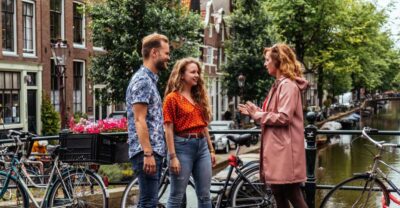
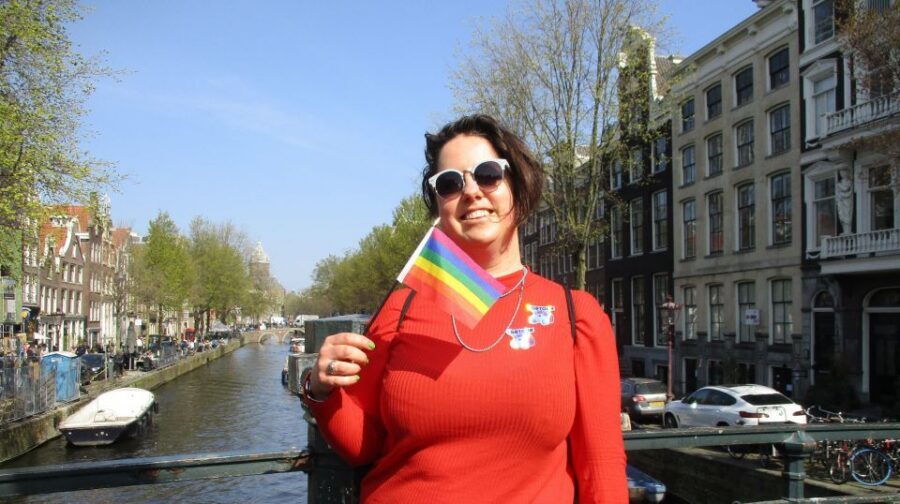
I love how Sanne keeps the group small and the tone human. You get a straightforward, get-on-your-feet kind of experience through the oldest parts of town, with pride and protest in the same breath as romance, singleness, and everyday life. Everyone is welcome too, because the message is simple: the rainbow is for everyone.
In This Review
- Key Highlights You Should Know Before You Go
- Starting at Nationaal Monument: where the walk gets real
- Homomonument and Belle: monuments, names, and the politics of memory
- Condomerie: the lesson that hits before you even leave the street
- Red Light District visit plus Zeedijk Street walk: seeing the city’s edges differently
- Passing Eagle Amsterdam, Pride Clothing, and stopping at Kokopelli
- Dancing Houses photo stop and the finish at Café ’t Mandje
- Price and value: what $59 buys in real walking time
- Who this tour fits best (and who should think twice)
- What to bring, and how to plan your day
- Should You Book This Queer City Walking Tour?
- FAQ
- How long is the Amsterdam Queer City Walking Tour?
- What is the meeting point?
- What does it cost?
- What language is the tour offered in?
- Is the tour rain or shine?
- Is the tour wheelchair accessible?
- What should I bring?
Key Highlights You Should Know Before You Go
- Personal, first-person storytelling that connects queer love, identity, and daily life in Amsterdam
- Monuments with controversy, starting at Nationaal Monument and continuing through the Homomonument area
- AIDS-era context at the Condomerie, including the story of the first condom shop in the world and why it existed
- A mix of guided stops and photo pauses, like Dancing Houses, without turning the walk into a lecture
- An ending with atmosphere at Café ’t Mandje, described as the oldest queer bar on the route
Starting at Nationaal Monument: where the walk gets real
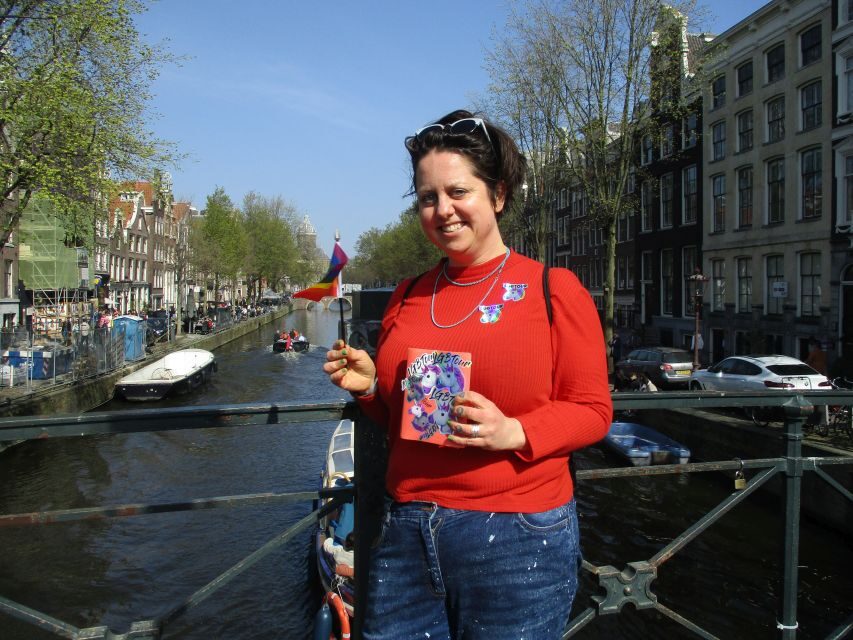
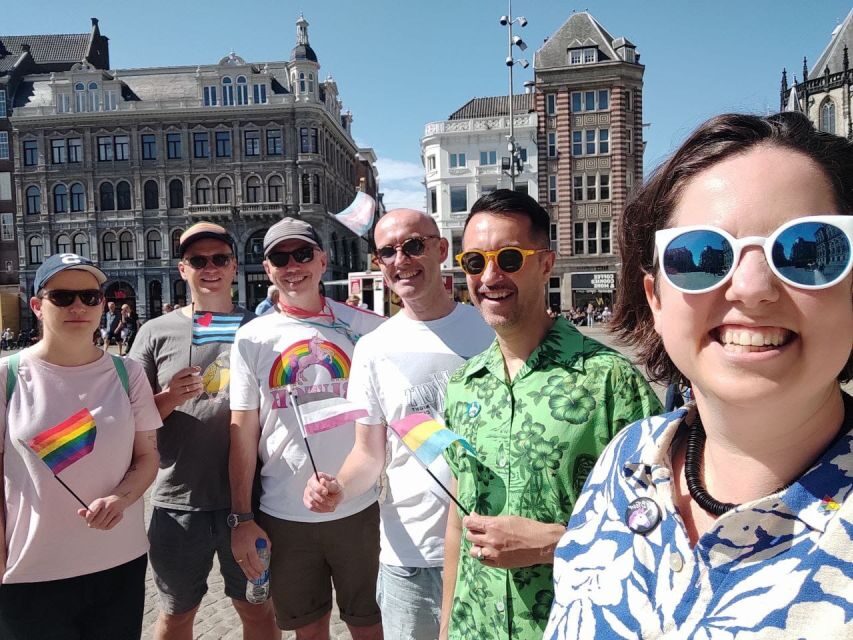
The tour meets at the National Monument at Dam Square, and you can spot Sanne by her tiny rainbow flag. From the very start, the approach is clear: you are not just sightseeing. You’re taking in Amsterdam’s queer past and queer present through stories that are historical and personal at the same time.
This matters because Dam Square can feel like a generic arrival point. Here, it becomes a launching pad into the debate, resistance, and changing visibility that helped shape the city. The tour also promises controversial stories about how the Monument came to be, which is a good sign if you want honest context instead of a sanitized postcard.
Practical note: because this is a two-hour walking tour, I’d plan your day around it. Comfortable shoes matter more than you think, especially if you want to linger a bit at the guided stops.
You can also read our reviews of more walking tours in Amsterdam


Homomonument and Belle: monuments, names, and the politics of memory
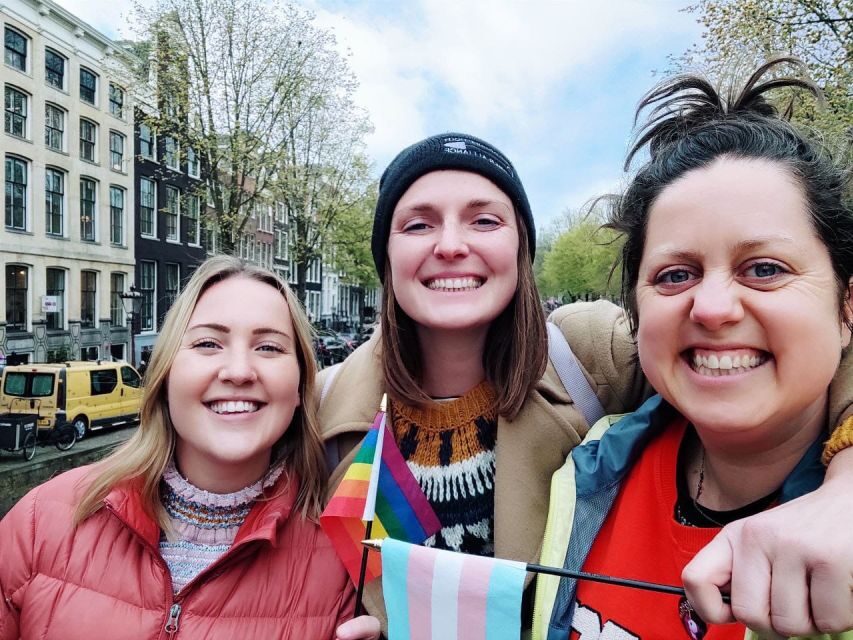
Right after the start, you head to the Homomonument for a guided stop lasting about 20 minutes. This is a key moment on the route, and it sets the tone for how the rest of the walk works: you’ll look at a place, then hear what it means to queer Amsterdam, including tensions and debates that shaped public understanding.
Next comes Belle, a shorter guided stop of about 10 minutes. The tour doesn’t frame every stop as a big museum moment. Some are more like story pivots—places Sanne connects to broader themes of identity, belonging, and community. If you like walking tours that make the city feel like a set of linked chapters, these short guided segments are exactly the kind of structure that keeps attention.
The best part of this section is that you’re not learning only dates and landmarks. You’re learning connections—how the least expected are tied together. That is what turns a route into a narrative.
Condomerie: the lesson that hits before you even leave the street
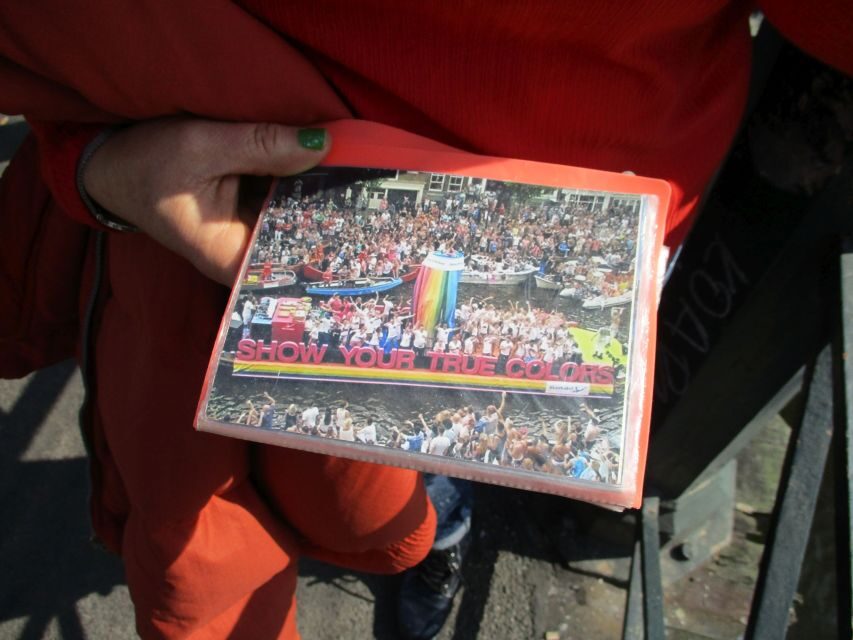
Then you reach the Condomerie area for another guided stop (about 10 minutes). This is where the tour becomes especially grounded.
The information you’ll get here focuses on necessity during the Aids crisis and explains how the Condomerie relates to the first condom shop in the world. Even if you already know the basics of Aids-era history, hearing it placed right into a specific urban spot gives it a sharper edge. It’s not an abstract chapter. It’s a reminder that community responses often look practical first, life-saving second, and cultural aftershocks later.
One practical consideration: this kind of stop can be emotionally heavy. The tour’s overall style stays welcoming, but you may feel it more here than at the lighter photo moments. If you’re the kind of person who likes to mentally prepare before sensitive topics, take a second before this segment.
Red Light District visit plus Zeedijk Street walk: seeing the city’s edges differently
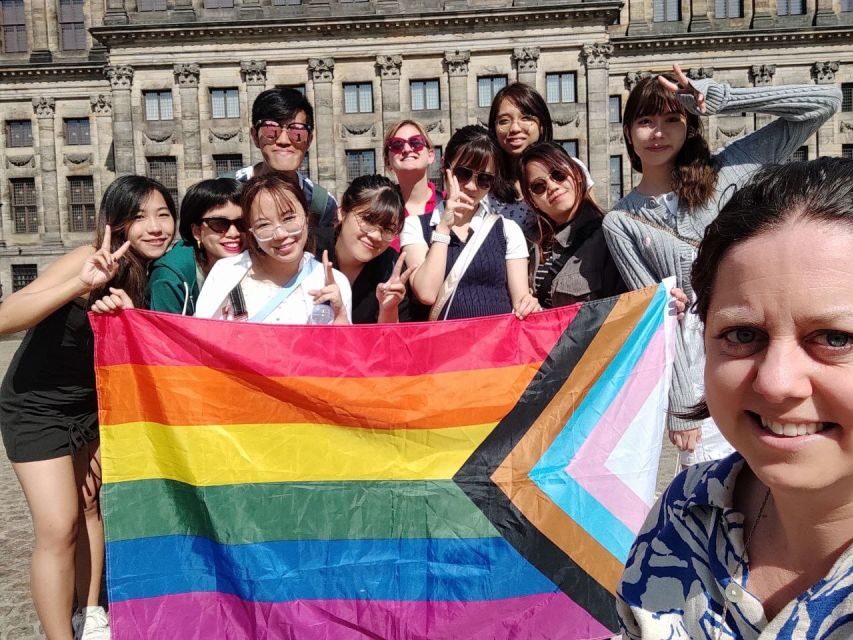
After the Condomerie, the itinerary includes a visit to the Amsterdam Red Light District (about 15 minutes). You’re not going there for shock value. The tour frames the area as the queer and historic heart of the city, and it connects that idea to broader themes of visibility and protest.
Right after that, you walk Zeedijk Street for about 15 minutes. This stretch is where your brain starts doing something useful: re-sorting what you think you know about the area. The tour wants you to connect queer life to the city’s oldest streets, and Zeedijk is a logical place for that.
Two things help this part land well:
- You get the guidance needed to keep the focus on queer perspective rather than just scanning street-level scenes.
- You keep momentum. Fifteen minutes is long enough to matter, short enough to stay lively.
If you’re worried about whether this area is “too much,” don’t overthink it. The tour’s intention is historical and personal, and Sanne’s job is to keep it grounded.
Passing Eagle Amsterdam, Pride Clothing, and stopping at Kokopelli
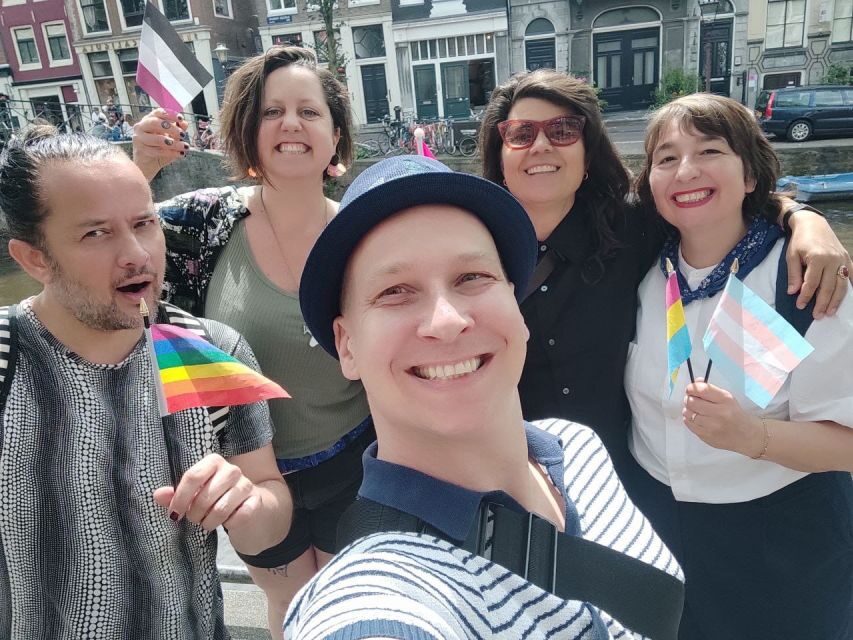
This tour alternates between stop-and-hear and pass-by-and-note. That rhythm works, because it keeps the route from turning into one long lecture.
You’ll pass Eagle Amsterdam for about 5 minutes, then walk past Pride Clothing. These pass-by moments are quick, but they still fit the theme: how queer identity shows up in public spaces, in everyday signage, and in the visual culture of Pride.
Then you get Kokopelli for a guided stop of about 10 minutes. While the tour details you’ll hear at Kokopelli aren’t spelled out in the basic outline, the key point is the format: you slow down, listen, and connect what you see to Sanne’s wider story about queer life and community.
I like this section because it keeps your eyes open. It trains you to notice small clues—names, symbols, and places where queer culture has been visible enough to become part of the city’s texture.
You can also read our reviews of more guided tours in Amsterdam


Dancing Houses photo stop and the finish at Café ’t Mandje
Toward the end, you make a photo stop at Dancing Houses (about 10 minutes). This pause is useful because it gives you a moment to reset. Not every stop is about hearing stories, and photo stops let you process what you just learned while you switch from listening mode to looking mode.
Finally, the tour finishes at Café ’t Mandje. The tour description frames it as the oldest queer bar. Ending here is smart for two reasons: it gives the stories somewhere to land, and it anchors the experience in a living present instead of treating queer history as a closed book.
If you want to extend the evening, this is the kind of finish that makes sense. You’ve just seen monuments, shops, streets, and cultural landmarks through a queer lens. Spending the last bit in a queer space feels like a natural continuation.
Price and value: what $59 buys in real walking time
At $59 per person for a two-hour small-group walking tour, this sits in the mid-range for guided experiences. The value comes from more than the stops themselves. You’re paying for the way the route is stitched together into a personal narrative, plus the guided time at specific locations.
Here’s what makes it worth it for the right traveler:
- You get guided segments at multiple key points, not just a quick walk-by commentary.
- You receive context that connects queer history with everyday identity—love, single life, pride, protest, and the Aids-era story at Condomerie.
- You end at a meaningful place (Café ’t Mandje), which helps you feel closure instead of just dispersing back to the street.
The one trade-off is that you need to commit to walking. There’s no mention of lots of seating or long breaks. If your ideal tour is mostly indoor and seated, you might find the pace a bit demanding. If you’re comfortable on your feet and want an authentic neighborhood-feel, it’s a solid deal.
Who this tour fits best (and who should think twice)
This experience is a great fit if you want:
- A queer-focused route that treats history as personal, not just archival
- Stories that include pride and protest, plus romance and real life
- A guide who shares first-person perspectives as part of the teaching
It may be less satisfying if:
- You only want neutral, museum-style facts and zero controversy
- You’re not interested in learning how queer life shaped public spaces in the city’s oldest areas
- You get uncomfortable with heavier topics like the Aids crisis context
The good news is that the tour explicitly welcomes everyone. If you’re an ally, you’re not being asked to perform a role. You’re simply invited to listen and see a different Amsterdam.
What to bring, and how to plan your day
The tour runs rain or shine, so pack like Amsterdam is unpredictable—because it is. Bring comfortable shoes first. Then add weather protection: a rain gear option, sunscreen, and a sun hat if you’re going out in warmer hours. Comfortable clothes matter too, since you’ll be moving through Dam Square and the surrounding streets.
The duration is two hours, so keep your schedule lighter afterward. If you plan dinner right after, consider how emotionally intense some segments might feel for you.
Also, the tour is offered in English and Dutch, and it’s listed as wheelchair accessible. If you use a wheelchair or mobility aid, you’ll want to go with your own comfort plan for sidewalks and turns, but the tour is explicitly designed to be accessible.
Should You Book This Queer City Walking Tour?
Book it if you want Amsterdam through stories you can’t get from a standard audio guide—especially if you like routes where monuments, shops, and streets connect into one human narrative. The ending at Café ’t Mandje is a nice payoff, and the Condomerie stop alone makes it feel more than a casual stroll.
Skip it if you prefer a quieter, purely sightseeing-focused walk with no controversy and minimal emotional weight. This tour is built for conversation, listening, and noticing how queer life has shaped the city.
FAQ
How long is the Amsterdam Queer City Walking Tour?
It lasts 2 hours.
What is the meeting point?
You meet at the National Monument at Dam Square.
What does it cost?
The price is $59 per person.
What language is the tour offered in?
The live tour guide speaks English and Dutch.
Is the tour rain or shine?
Yes, it takes place rain or shine.
Is the tour wheelchair accessible?
Yes, it is listed as wheelchair accessible.
What should I bring?
Bring comfortable shoes, sun hat, sunscreen, rain gear, and comfortable clothes.