REVIEW · AMSTERDAM
Amsterdam: Windmill Guided Tour
Book on GetYourGuide →Operated by Molen van Sloten · Bookable on GetYourGuide
Wind makes the Dutch water system tick. This working windmill tour at Molen van Sloten lets you see sails turn for real, while your guide ties it to everyday life in low-lying Amsterdam West. I also like that the payoff isn’t just technical: you get views over the Ringvaart Canal from up high.
I’m drawn to the mix of practical engineering and human storytelling here, especially the way the guide walks you through how the mill pumps and protects the area from flooding. There’s also a fun curveball upstairs—wax figures painted by Rembrandt van Rijn—so the tour works for different ages. One consideration: it’s only 45 minutes, and there’s a rule that no unaccompanied minors are allowed, with kids under 12 required to be with an adult.
In This Review
- Key highlights you’ll actually feel
- Why Molen van Sloten is a rare stop (and worth the short time)
- Where the tour starts: Kuiperij Museum area and the souvenir shop entrance
- Step into the miller role: what the 45-minute guided tour feels like
- Inside the windmill: stairs, oak and thatched roof, and how the story clicks
- The sails turning: the moment that makes it feel real
- The Ringvaart Canal panorama you’ll remember
- Wax figures and Rembrandt: a fun attic detour
- Who this tour suits best (and who might want a different option)
- Price and value: why $9 makes sense here
- Practical tips to get the most out of your visit
- Booking thoughts: should you book this Amsterdam windmill tour?
- FAQ
- How long is the Amsterdam Windmill Guided Tour?
- Where do I meet the guide?
- Is the windmill tour accessible for wheelchairs?
- What languages is the tour offered in?
- Can children attend?
- What is included in the ticket price?
- Can I skip the ticket line?
Key highlights you’ll actually feel
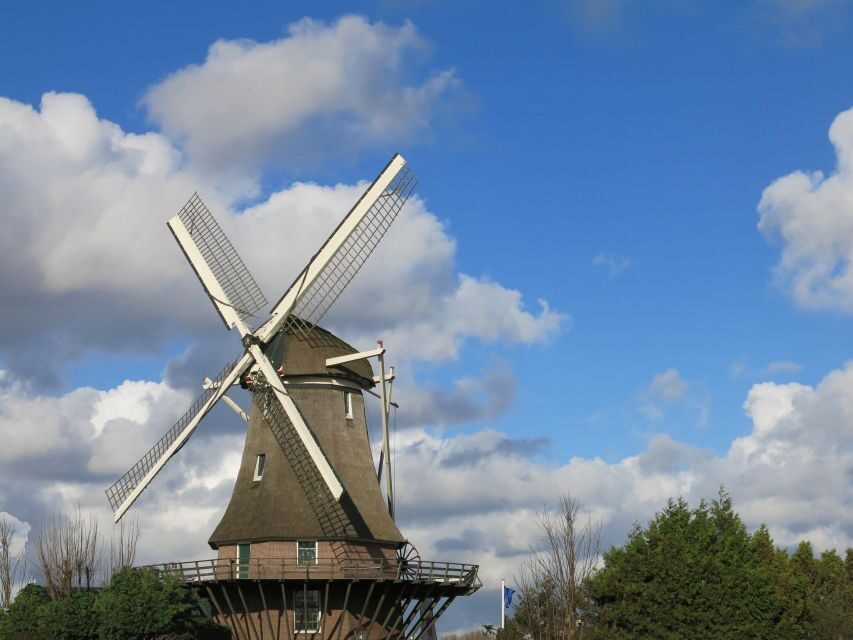
- A functional water-pumping windmill dating back to 1847, still used to control water levels in Amsterdam West
- Sails turning on a working mill, not just a photo stop
- Panoramic lookout over the Ringvaart Canal and surrounding areas from higher levels
- Stories of nearby places, including Sloten and Old Osdorp
- Rembrandt van Rijn wax figures in the attic for a memorable, unexpected moment
- Volunteer guides who tend to answer the technical questions people ask
Why Molen van Sloten is a rare stop (and worth the short time)
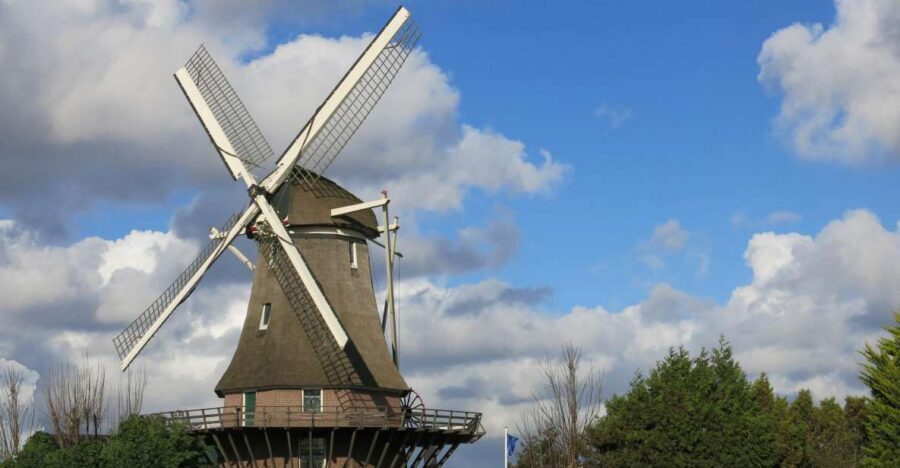
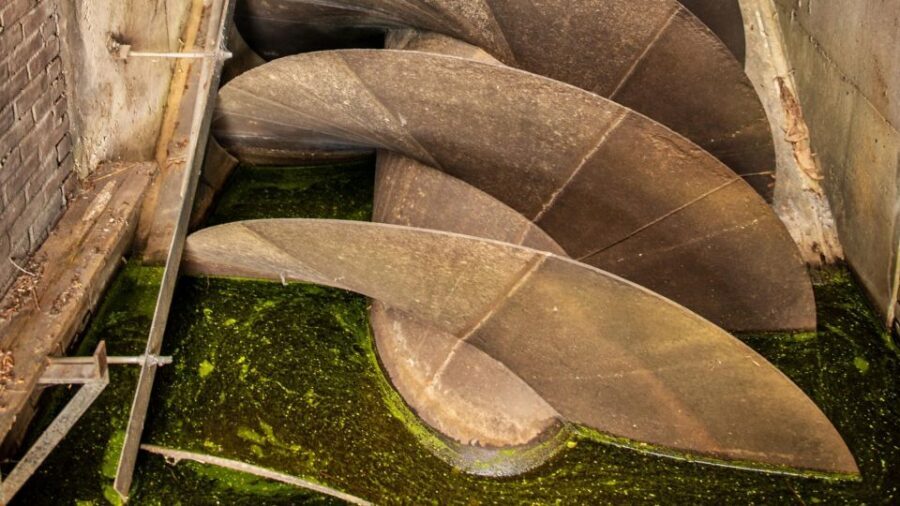
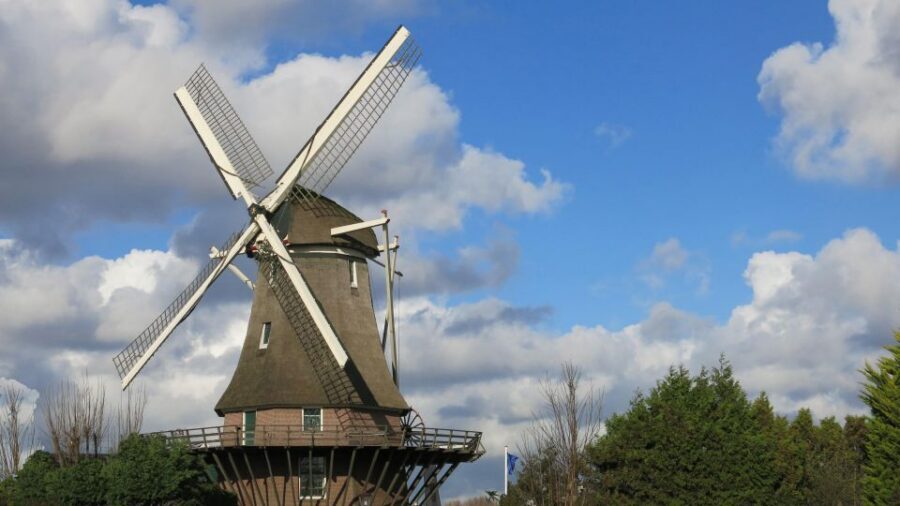
Amsterdam has plenty of windmill history. What makes Molen van Sloten different is that it’s not staged. This is a working water-pumping mill, and it still controls water levels for the low-lying Amsterdam West area. That matters because it turns a windmill from a pretty landmark into a working piece of infrastructure.
The tour is also short—45 minutes—which is a big deal in Amsterdam. You can fit it between museum time, canal time, and dinner without feeling like you lost a half-day. And because the building opens to the public, you get access to a place you can’t always see elsewhere.
If you like hands-on learning, this is the kind of attraction where your brain gets fed as you go. The guide explains the history, shows how it operates, and you can watch the sails turn. That combination is why this tour consistently lands well with people who care about how things work, not just what things look like.
You can also read our reviews of more guided tours in Amsterdam


Where the tour starts: Kuiperij Museum area and the souvenir shop entrance
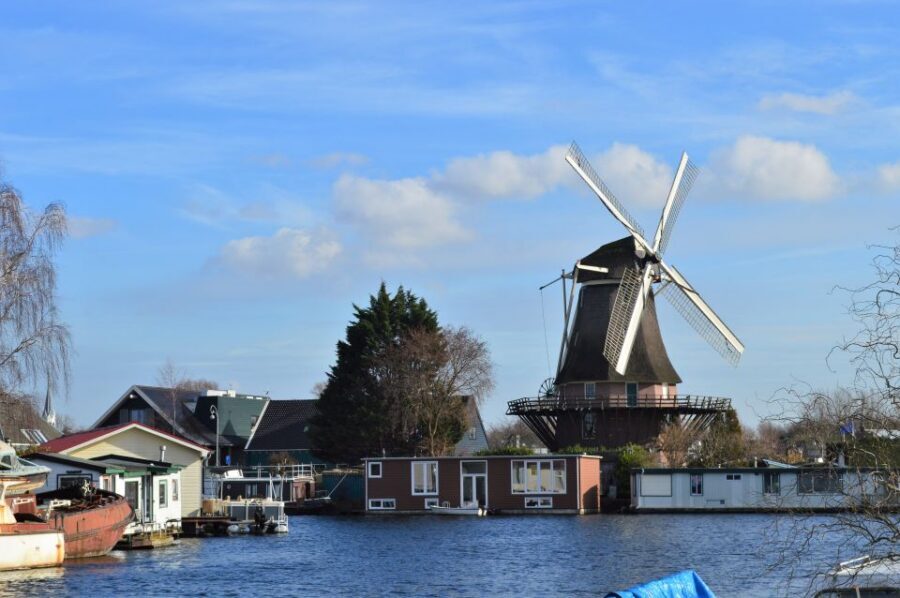
The meeting point is straightforward. You’ll enter for the guided tour in the souvenir shop connected to Molen Van Sloten (1990) and the Kuiperij Museum – Windmill area.
Two practical tips for you:
- Arrive a few minutes early so you can settle in before the guide starts the group flow.
- If you’re traveling with anyone who dislikes staircases or tight indoor spaces, this is the moment to think ahead. The tour includes moving through the windmill up to higher levels.
Also, the tour offers skip-the-ticket-line, which is a quiet convenience in a city where lines can pop up fast. You’re there for a guided experience, not for a long wait.
Step into the miller role: what the 45-minute guided tour feels like
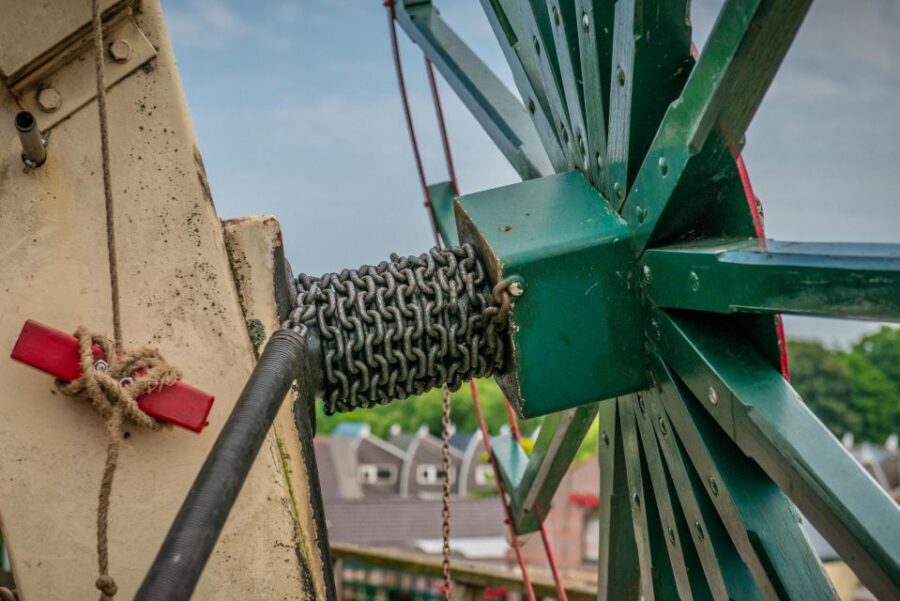
The core of this experience is simple: step into the shoes of a Dutch miller and learn how the system works. The tour walks you through the mill’s function, its history, and the practical reason wind-driven pumping mattered in this region.
Here’s the rhythm you should expect:
- Start at the windmill itself with the guide’s explanation of what you’re about to see.
- Learn the background—how wind power can move water and help manage flooding risk.
- Watch the sails turn while the guide connects what you see to the water-control purpose of the mill.
- Climb to higher levels, where the explanations shift from basics to how the mill is built and why its design matters.
What I like about this approach is that it doesn’t treat engineering like a mystery. It gives you something concrete to look for while you’re inside, so the tour stays active instead of turning into a lecture you half-listen to.
One extra detail that stands out from real visits: the guides are volunteers, and they seem genuinely passionate about maintaining the mill. In at least one tour experience, the miller made a small adjustment to the brake on the sails while the group was there. That kind of moment is rare, and it can turn a good explanation into a memorable one because you’re seeing the mill cared for in real time.
Inside the windmill: stairs, oak and thatched roof, and how the story clicks
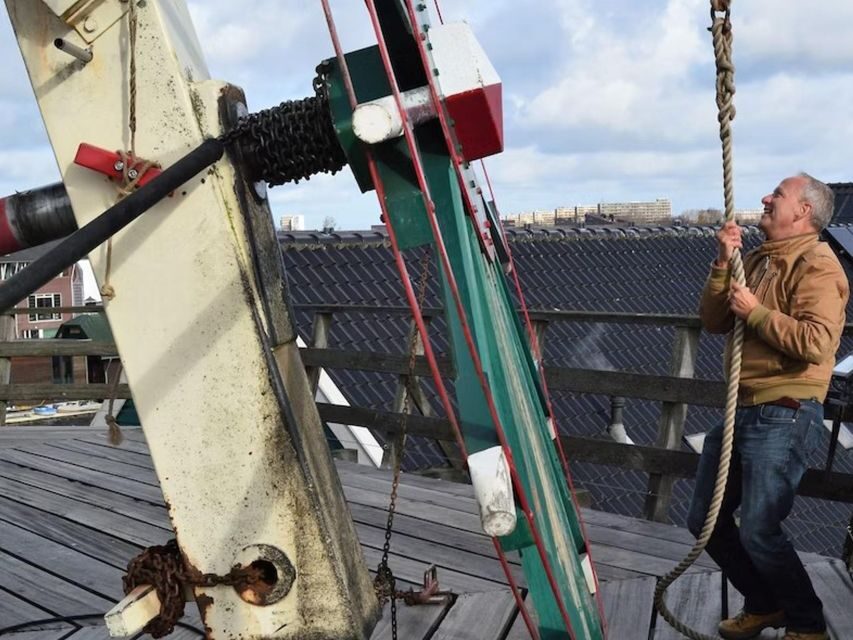
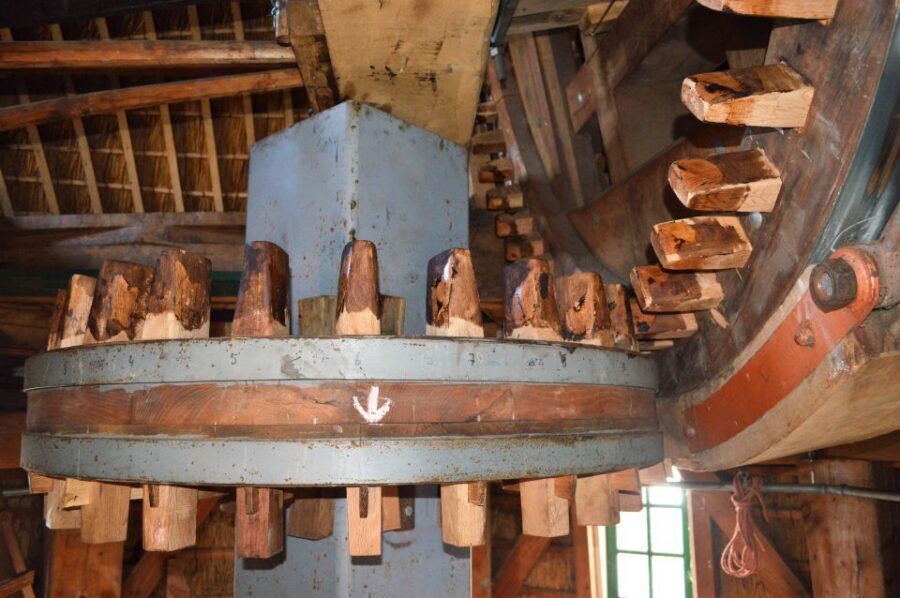
Before you climb, you’ll notice the classic Dutch character of the windmill structure: the thatched roof and the hardy oak build. These details aren’t only for aesthetics. In a place where wind and water control shaped daily life, the material and form of a mill mattered for how well it lasted and worked.
As you move upward with your guide, the tour shifts from general history into the more personal side of windmill operation: how it protects the low-lying area and what parts make the system work. The guide also shares stories tied to the region, including nearby villages Sloten and Old Osdorp. That local storytelling helps you stop thinking of the windmill as an isolated object and start seeing it as part of a network of places shaped by water management.
If you enjoy technical details, you’ll probably be happy here. Some tours include plenty of them, with guides addressing questions about how the mill functions and what you’re looking at as the sails move. That’s one reason this tour scores highly for people who came specifically to find a working windmill experience.
The sails turning: the moment that makes it feel real
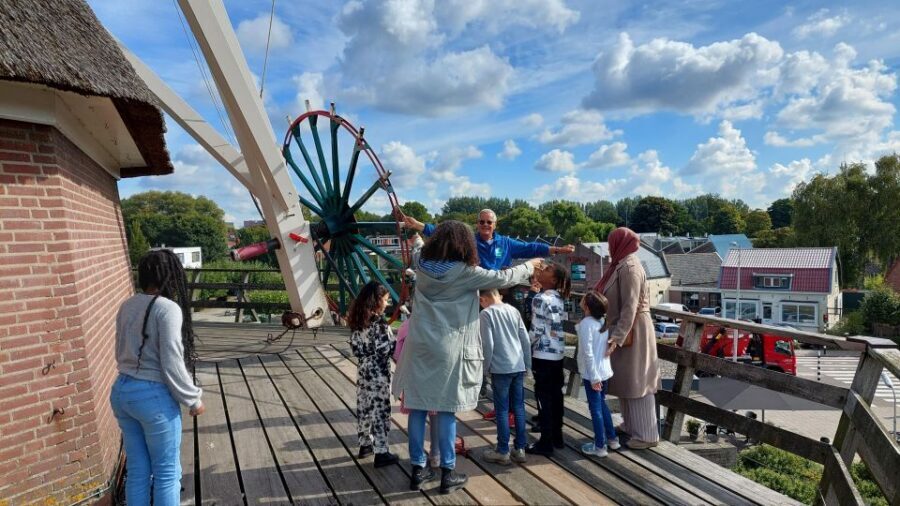
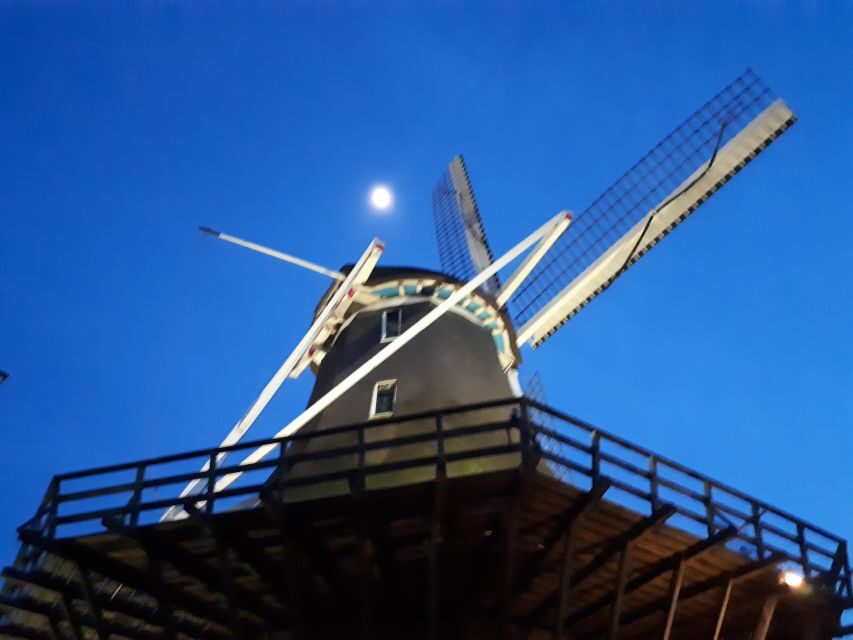
Seeing a windmill with blades turning is the emotional highlight. But what makes this tour better than a basic viewing is that the guide ties the movement to purpose—how the wind-driven system fits into controlling the water levels for Amsterdam West.
You’ll likely get a clear sense of why the Dutch had to get serious about keeping water where it belongs. Even if you don’t know the mechanics before you arrive, the tour gives you enough context to make what you’re seeing click.
Also, because this is a smaller, guide-led experience, you’re not just in a crowd passively taking photos. The tone is more like a focused visit, and in at least one described experience, the tour ran for just a couple with the guide adjusting the braking mechanism during the visit. That suggests you may get attention and time to ask questions, not a rushed checklist.






The Ringvaart Canal panorama you’ll remember
At the top, the mill delivers what Amsterdam does best when you get elevation: you see how water shapes the city. From higher levels, you get a panoramic view of the Ringvaart Canal and the surrounding areas.
This is where the tour earns its keep for non-engineering types. The sails and the pumping story are interesting, but the view helps you understand why this whole system mattered. When you look outward and see canals and water corridors, the idea of keeping feet dry feels practical, not abstract.
One small planning thought: cameras love this moment. If anyone in your group wants to shoot video, do it once the guide points out the view rather than stopping every few seconds. It keeps the flow and still gets you great footage.
Wax figures and Rembrandt: a fun attic detour
The attic is where the tour breaks into something playful. You’ll climb and see wax characters painted by Rembrandt van Rijn. It’s an unexpected twist: you went in for water control and engineering, and you come out with art and storytelling.
I like this for two reasons:
- It gives families an additional “wow” moment that doesn’t depend on understanding machinery.
- It adds variety inside a tour that’s already compact. You get one shift from technical to visual storytelling, then another shift to the outdoor panorama.
If you’re a Rembrandt fan, you’ll enjoy this extra connection without needing a separate museum stop. If you’re not, it still works because the wax characters create a clear, memorable visual anchor.
Who this tour suits best (and who might want a different option)
This is a smart pick if you:
- Want a working windmill experience rather than a distant photo opportunity
- Like guided explanations that include technical details
- Prefer short tours that fit into a packed day
- Are visiting with kids who handle stairs and are open to learning something concrete
It may be less ideal if:
- You’re trying to squeeze in a long activity; 45 minutes passes quickly.
- You’re bringing children without adult supervision. The tour doesn’t allow unaccompanied minors, and children under 12 must be accompanied by an adult.
The good news is that the tone seems family-friendly. The tour is described as a day-out style visit that can delight the whole family, and the mix of sails, views, and wax figures is a solid way to keep multiple interests engaged.
Price and value: why $9 makes sense here
At about $9 per person, this is priced like an accessible add-on—especially compared to the bigger-ticket museum experiences around Amsterdam. The real value is what you get for the time:
- You pay for entrance fees plus a live guide
- You see a functional windmill where the sails turn
- You get panoramic views over the Ringvaart Canal
- You also get a special upstairs element with Rembrandt-linked wax figures
For value-minded visitors, the key question is not just cost—it’s whether you’re getting a rare type of access. Here, you are. A working windmill that’s open to the public isn’t something you can replicate easily with self-guided walking.
The fact that the guides are volunteers (in described experiences) also suggests you’re paying for real human effort and upkeep, not just a scripted attraction. Even if the tour is short, the content density is high: you cover history, function, views, and art in one compact visit.
Practical tips to get the most out of your visit
Here’s how you’ll enjoy it more, without overcomplicating your day.
- Bring a curious question or two. If you’re the type who asks how machines work, you’ll likely get good answers. The tour has a reputation for covering technical details.
- Plan for indoor climbing. The tour includes moving upward through the windmill to reach higher levels and the attic.
- Use the view time well. Once you’re up top, pause for the Ringvaart Canal panorama. That’s the moment the tour’s water-control story becomes visually obvious.
- Consider it a “systems” experience. If you think in terms of how places function—water management, city design, infrastructure—this tour will hit the right note.
Booking thoughts: should you book this Amsterdam windmill tour?
If you want one guided stop in Amsterdam West that feels both educational and genuinely hands-on, I’d book it. The standout reason is the combination of working windmill action (sails turning) plus guided explanation of why it matters for keeping low-lying areas dry. Add in the Ringvaart Canal views and Rembrandt-linked wax figures, and you’ve got more than a typical exterior sightseeing activity.
Pass if you’re only looking for a long, slow museum-style experience or if your group can’t manage a short indoor climb with supervision rules for kids. Otherwise, this is a strong, low-cost way to understand a key piece of Dutch life without wasting half your day.
FAQ
How long is the Amsterdam Windmill Guided Tour?
The guided tour lasts about 45 minutes.
Where do I meet the guide?
The entrance for the guided tour is in the souvenir shop at Molen Van Sloten (1990) & Kuiperij Museum – Windmill.
Is the windmill tour accessible for wheelchairs?
Yes, the tour is wheelchair accessible.
What languages is the tour offered in?
The live tour guide is available in English, Dutch, and German.
Can children attend?
Unaccompanied minors are not allowed. Children under 12 years old must be accompanied by an adult.
What is included in the ticket price?
Your ticket includes entrance fees and the tour guide.
Can I skip the ticket line?
Yes, you can skip the ticket line for this guided tour.