REVIEW · AMSTERDAM
Private Off-the-beaten-path Countryside Windmill Tour
Book on Viator →Operated by Windmillgirl Tours · Bookable on Viator
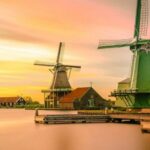
Windmills here run on stories. This private Amsterdam countryside day trades city crowds for polder roads, windmill life, and a guide who knows the area from the inside. You’ll see how Holland turns water control into daily reality, from the Schermerpolder to UNESCO-listed Beemster.
I love two things most: the door-to-door pickup that protects your time, and the way the tour is built around places that feel low-key but historically meaningful. You get a real sense of how mills, dikes, and canals shaped ordinary life, not just a photo stop.
One thing to think about: it’s a 6-hour loop with multiple towns and drive-bys, so if you want long, slow hanging-out time in one place, you might feel the pacing. Lunch is also on you, so plan for that mid-day gap.
In This Review
- Key highlights worth your attention
- Private transfers: why this feels like a smarter Amsterdam day
- Museummolen Schermer: the museum mill you can really picture
- From dikes to villages: Schermer Mills and the human side
- De Rijp and the UNESCO Beemster polders: Holland’s planning brain at work
- Jacobs Hoeve cheese farm: a tasting that actually teaches
- Volendam, Edam, and Broek in Waterland: the small-town trio
- Price and what you get for $473-ish
- Who this tour fits best (and who might skip it)
- Should you book this private windmill countryside tour?
- FAQ
- What’s the tour length?
- Is hotel pickup included?
- What’s included in the price?
- Is lunch included?
- How much time do I get in each town?
- Is the tour private?
- What’s the cancellation policy?
Key highlights worth your attention
- Private group time means you move at your pace and avoid the big-tour bottleneck
- Museum mill viewing gives you the full top-to-bottom picture of how it works
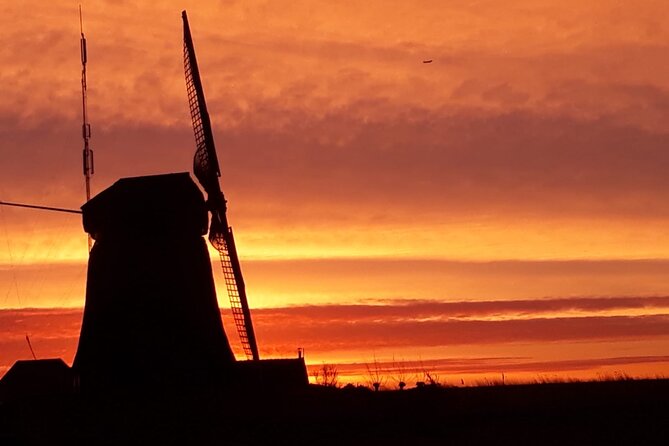
- Schermerpolder and Beemster show Holland’s water-management genius in real geography
- Esther’s windmill background adds personal, local details instead of a script
- Cheese tasting at Henri Willig pairs history with something very Amsterdam-friendly to eat
- Volendam–Edam–Broek in Waterland keeps the day focused on small-town character
Private transfers: why this feels like a smarter Amsterdam day
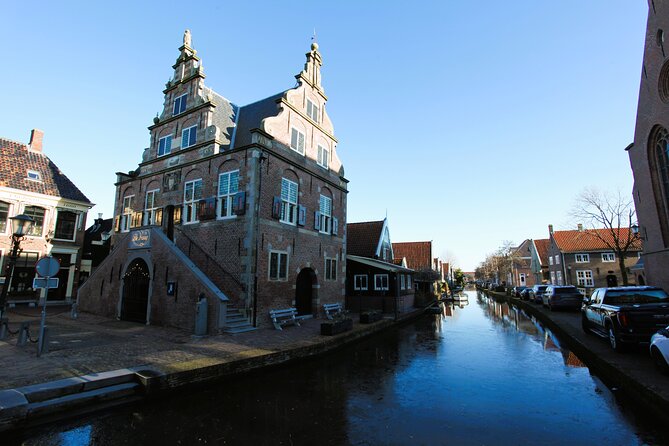
Starting around 9:30 am, you’re picked up from your hotel in Amsterdam and brought back at the end of the day. That doesn’t sound glamorous, but in practice it’s huge. You skip the hassle of figuring out trains, parking, and transfers, and you gain daylight hours for countryside exploring.
Because it’s private, your driver and guide can adjust to how your group is doing—whether that means a quick walking stretch before a museum stop or taking a few extra minutes at a viewpoint when the light is good. Door-to-door transport also matters on a day like this, where you’re bouncing between windmills, villages, and farmland-adjacent towns.
The tour is offered in English, and you’ll get a mobile ticket, so you’re not stuck juggling paper confirmations. Bottled water is included too, which sounds small until you’re in the car for hours and you’re thirsty.
You can also read our reviews of more private tours in Amsterdam

Museummolen Schermer: the museum mill you can really picture
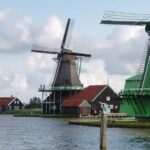
The first real “wow” moment is Museummolen Schermer, where you learn the story of the Schermerpolder. This area traces back to the 17th century, when the lake Schermeer was drained using 52 mills. That drained land is one of the largest regained areas in Holland, and it shaped how communities lived and worked.
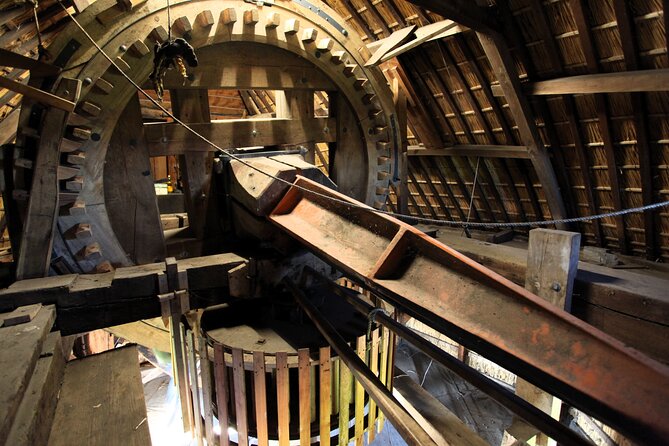
What makes the stop special is the museum mill layout. You can see the mill from top to bottom, which helps your brain connect the gears and mechanisms to the job they did. If you’ve only seen windmills from the outside, this is the kind of stop that turns a postcard into an actual machine.
You also get a guided explanation of how the mill works and how people used to live in windmills. That “used to live” part is important. It turns windmills from scenery into a real working home, with daily routines tied to weather, water levels, and the need to move water where it needed to go.
Short time note: you’re there about 30 minutes. That’s enough for a solid overview, but if you’re the type who loves museum interiors and wants to linger, you may wish the visit were longer. Still, it’s a good pace for a full day of countryside stops.
From dikes to villages: Schermer Mills and the human side
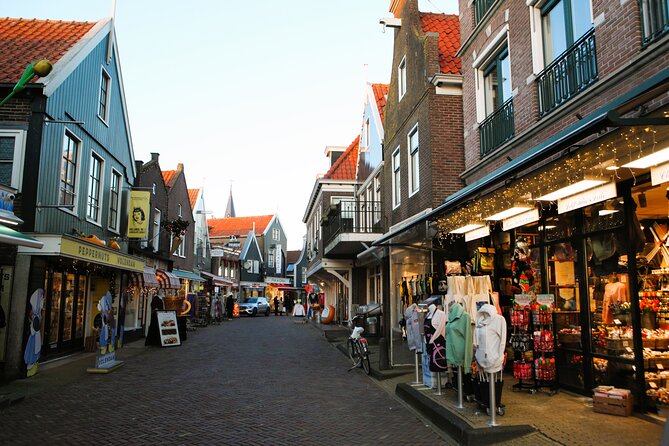
After Museummolen Schermer, the day shifts into motion. You’ll travel through the Schermerpolder on the dikes and pass picturesque villages that most visitors never see. This section is built to show the geography that makes the whole region possible: planned land reclaimed from water, held in place by infrastructure, and lived on by families.
A memorable detail here is that you’ll pass Esther’s family windmill. That adds a grounded, personal layer to everything you just learned at the museum. Instead of windmills as artifacts, you’re seeing them as part of a living region, where the past still shows up along the roads and fields.
This stop is brief—about 15 minutes—and that’s a good thing if you don’t want to burn your day waiting around. The payoff is seeing how farmland, water control, and village life connect in one continuous area. If you’re the sort of traveler who enjoys understanding how places function, this drive-by stretch is more valuable than it looks on the schedule.
De Rijp and the UNESCO Beemster polders: Holland’s planning brain at work
Then comes De Rijp, a village with a very specific maritime past. It was once a busy fishing village known for its herring fleet and whalers. When the surrounding sea got drained, De Rijp ended up encircled by land, and its identity shifted with the water geography.
This stop also has a neat connection to engineering talent. Jan Adriaanzoon Leeghwater, a famous hydraulic engineer, was born here. If windmills feel like they’re about more than electricity and souvenirs, this is the moment where you start seeing the region as one big system of water management—people, tools, and planning working together.
De Rijp is about 15 minutes on the ground, so think of it as a quick orientation to the village feel rather than a deep dive into museums. You’ll get the sense of why it stays calmer than the bigger-name tourist loops.
After that, the tour drives through the UNESCO World Heritage site of the Beemster. Beemster is about planning after drainage. You’ll see how roads, plots, farms, and canals were carefully laid out across the polder once the Beemster Lake was drained. That’s the kind of history that doesn’t just sit in books. It’s in the geometry of the area.
This part is especially worth it if you’re curious about why Dutch countryside can look orderly without feeling artificial. It’s not luck. It’s design based on water control, farming needs, and routes for daily life.
Jacobs Hoeve cheese farm: a tasting that actually teaches
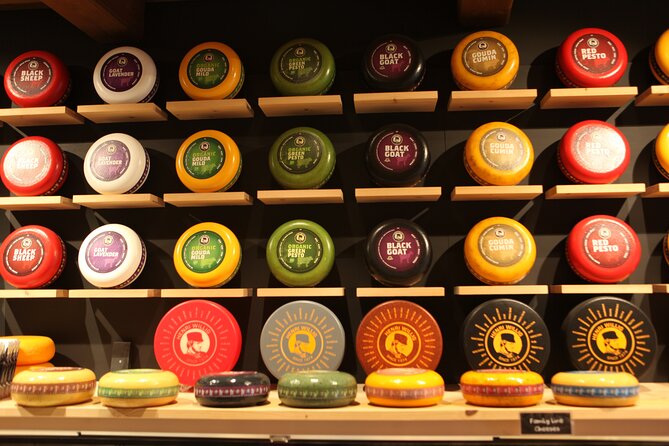
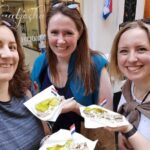
At Jacobs Hoeve Cheese Farm by Henri Willig in Katwoude, the tour turns delicious. You’ll have a cheese tasting with Gouda and Edam. The information provided points out that these cheeses rank among the top 10 of world cheesemakers, and they offer 30 flavors developed specifically for travelers.
In practical terms, that means the tasting isn’t random. You get guided sampling tied to what these producers do best, and you can decide what you’d realistically want to buy. If cheese shopping is on your list for the Netherlands, this stop is the most straightforward place to handle it.
You might also catch a wooden shoe craft demonstration. The tour mentions a chance to learn how clogs are made, plus the option to try and even buy wooden shoes. Even if you’re not planning to buy, seeing the craft process helps you understand why clogs are tied to daily life in Dutch history, not just tourism.
Time check: you’ll spend about 40 minutes here. That’s enough to taste, ask questions, and watch a short demonstration without turning lunch into an all-day wait.
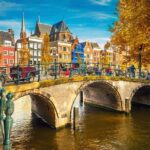





Volendam, Edam, and Broek in Waterland: the small-town trio
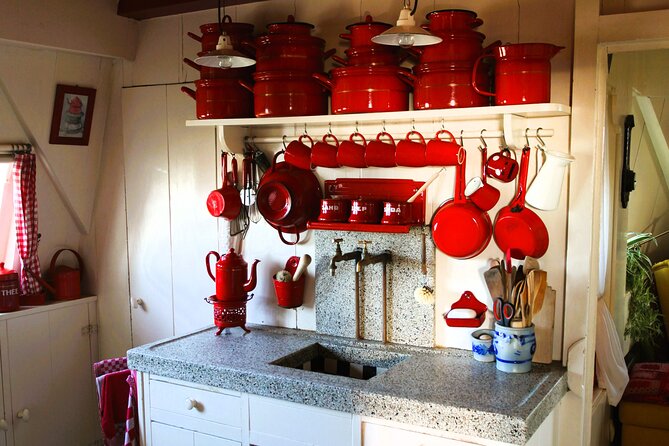
After the tasting, it’s time for lunch in Volendam. You get about 1 hour, and lunch is not included, but the guide can help you choose. The key is that you can tell your preferences—fish restaurant or traditional Dutch pancake—and the day stays flexible enough to match what you actually want to eat.
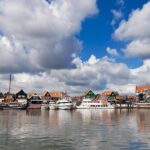
Volendam and Edam are both famous names, but this tour’s value is that the focus is still on atmosphere rather than quick photo tourism. You get a taste of the rhythm: streets, waterways nearby, and the feeling of small-scale Dutch life.
In Edam, you’ll have about 30 minutes. Edam is known for its cheese, and the town’s preserved character makes it feel like a step back in time. Even in a short stop, you can usually find a calm corner to slow down and enjoy the streets instead of just moving through.
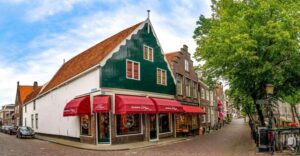
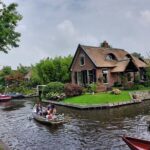
Then there’s Broek in Waterland, about 20 minutes. If you’ve ever heard people compare it to Giethoorn, this stop helps explain why. It’s a village surrounded by water, with old wooden houses and details preserved over time, including ceremonial doors and carved lintels. You’ll also see a restored 16th-century church. The tour even notes that the floor is paved with tombstones of formerly wealthy inhabitants, which is exactly the kind of stark detail that makes a town feel real instead of polished.
Short stop again, but it’s the kind of time window that works. You can walk, absorb, and move on without exhausting your feet.
Price and what you get for $473-ish
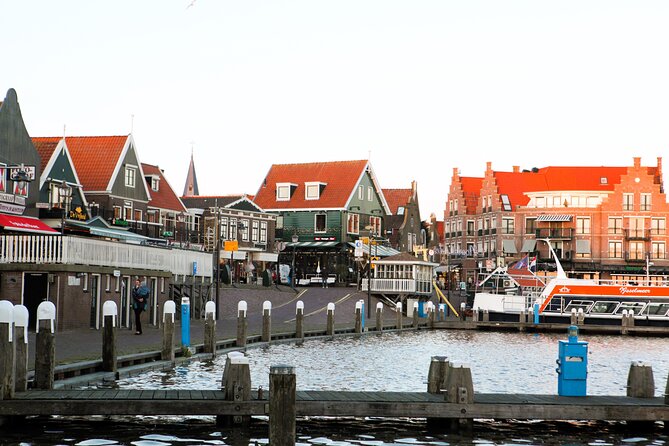
At $473.17 per person for roughly 6 hours, this isn’t a budget group tour. But it does include several things that add up fast in the real world: private transportation, parking fees, bottled water, the entrance fee to the historic windmill, and the cheese tasting.
So where does the value come from? Mainly from two places:
- Time protection. Door-to-door pickup in Amsterdam is a big part of what you’re paying for. Less commuting friction means more actual sightseeing hours.
- Specialized stops. The museum mill entry and the structured cheese tasting aren’t just optional add-ons. They’re part of the day’s learning and flavor.
Also, this tour is private, so you’re not splitting attention with strangers. That matters when the guide is sharing personal context—like the windmill background tied to Esther.
One more consideration: lunch isn’t included. If you budget for a solid meal in Volendam, the day still stays predictable, but you’ll want to plan for it rather than assume everything is covered.
Who this tour fits best (and who might skip it)
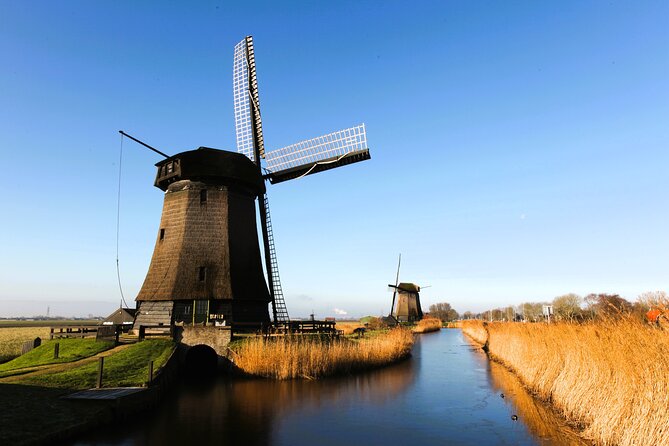
This countryside windmill tour is a great match if you:
- Want a crowd-free day outside Amsterdam
- Like water-management and real machinery stories (mills, dikes, polders)
- Care about authentic-feeling villages like De Rijp and Broek in Waterland
- Enjoy a guided cheese stop with proper tasting and buying time
It might be less ideal if you:
- Want lots of free time in one town (this day is intentionally paced)
- Plan to travel with the mindset that every stop should be a long museum experience
- Are looking for a fully guided meal schedule (lunch is on you)
The strong point here is balance: enough structured learning to feel meaningful, plus enough town wandering to feel human.
Should you book this private windmill countryside tour?
If your idea of a perfect Amsterdam day includes windmills that make sense, villages that feel calm, and a guide who can explain why reclaimed land and polder planning shaped everyday life, I’d say yes—book it.
The deciding factor for me is the combination of private logistics and high-specificity stops: Museummolen Schermer with a top-to-bottom mill view, the drive through Schermer’s polder world, UNESCO Beemster planning, then a cheese tasting that’s built around Gouda and Edam plus optional wooden-shoe craft.
If you’re flexible on lunch plans and okay with a few shorter town windows, this is the kind of tour that leaves you with a clearer picture of how Dutch countryside works.
FAQ
What’s the tour length?
The tour runs for about 6 hours.
Is hotel pickup included?
Yes. Pickup is offered from your hotel in Amsterdam, and you’ll be returned there at the end.
What’s included in the price?
Included are private transportation, parking fees, bottled water, the historic windmill entrance fee, and cheese tasting.
Is lunch included?
No. Lunch is not included, but you can choose where to eat in Volendam and the guide will help arrange it based on your preferences.
How much time do I get in each town?
Time is limited at each stop, with roughly 30 minutes at Museummolen Schermer, 15 minutes at De Rijp, about 40 minutes for the cheese farm, 1 hour for lunch in Volendam, 30 minutes in Edam, 20 minutes in Broek in Waterland, and about 30 minutes back in Amsterdam.
Is the tour private?
Yes. It’s a private tour/activity, so only your group participates.
What’s the cancellation policy?
You can cancel for a full refund up to 24 hours before the experience’s start time.