REVIEW · AMSTERDAM
Amsterdam: Anne Frank Walking Tour
Book on GetYourGuide →Operated by Trigger Tours · Bookable on GetYourGuide
Anne Frank feels close when you walk it. This 2-hour tour puts WWII Amsterdam on your feet, from the Jewish Quarter sites to the Auschwitz Monument, with your guide connecting the story to the city itself. I especially like how the route grounds history in real streets and buildings, and how guides such as James or Aaron are praised for clear, empathetic storytelling and smart linking between stops. One note to plan around: the walk is focused and doesn’t replace museum or house time.
Here’s the big consideration: there is no entrance to the Anne Frank House included. You’ll get the Anne Frank House area in the narrative, but if you want to go inside, you’ll need separate tickets and time.
In This Review
- Key Things You’ll Notice on This Walk
- Why This 2-Hour Anne Frank Walk Feels Like More Than a Sightseeing Stroll
- Starting at Waterlooplein: Getting Your Bearings Fast
- The Portuguese Synagogue: A Landmark With Layers
- Jewish Quarter Streets: Narrow Alleys, Big Stories
- Jewish Historical Museum Stop: Context Without Overloading Your Day
- Nieuwmarkt and Lastage: Occupation Life in Plain Terms
- Auschwitz Monument: The Moment That Makes the Story Real
- Anne Frank House Area: You Get the Story, Not the Ticket
- Plantage District: After the Hiding, Then the Aftermath
- Price and Value at $21: What You’re Getting for Your Money
- Who This Tour Suits Best (and Who Might Want a Different Format)
- Practical Tips: Comfortable Shoes and Asking Good Questions
- Should You Book This Amsterdam: Anne Frank Walking Tour?
- FAQ
- How long is the Amsterdam Anne Frank Walking Tour?
- What is the price per person?
- Where do we meet the guide?
- What language is the tour offered in?
- Does the tour include entrance to the Anne Frank House?
- What sights are included on the walk?
- Is the tour private or in a group?
- Is it suitable for wheelchair users?
- What should I bring?
- Can I cancel and get a refund?
Key Things You’ll Notice on This Walk

- $21 for a tight, story-led 2-hour format that works well with other Amsterdam plans
- Waterlooplein as the launch point into Amsterdam’s WWII Jewish neighborhoods
- Stops tied to community life, including the Portuguese Synagogue and the Jewish Historical Museum
- A strong emotional marker at the Auschwitz Monument stop
- The Anne Frank thread covers Germany to hiding to postwar publication
- Guides like James, Aaron, Andrea, Josha, Guido, and Stan are repeatedly praised for pacing, questions, and humane storytelling
Why This 2-Hour Anne Frank Walk Feels Like More Than a Sightseeing Stroll
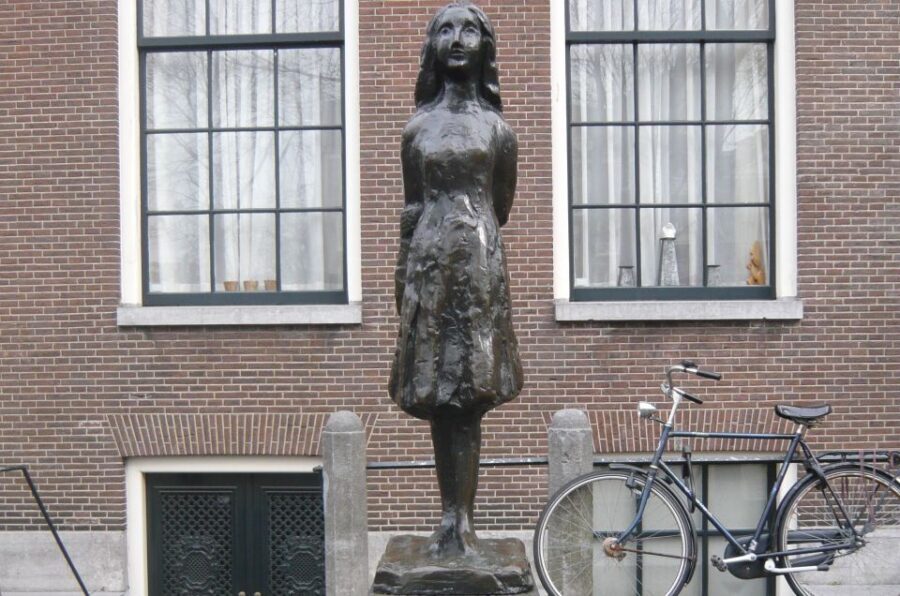
Amsterdam can be quick to look at and slow to understand. This tour solves that by turning the city into a timeline you can track with your own footsteps. You’re not just looking at one famous name; you’re seeing how Amsterdam’s Jewish community lived, was targeted, and what survived after the war.
At $21 per person for a guided walk around multiple WWII-relevant locations, this is good value if you want context without buying a stack of tickets. It’s also a smart length for a first-time day in the city: long enough to make connections, short enough to keep your energy.
The best part is the approach. Guides connect stories across streets—Germany, hiding, the diary’s publication, and the after-war life that followed—so you come away with a mental map, not a loose collection of facts.
You can also read our reviews of more walking tours in Amsterdam



Starting at Waterlooplein: Getting Your Bearings Fast
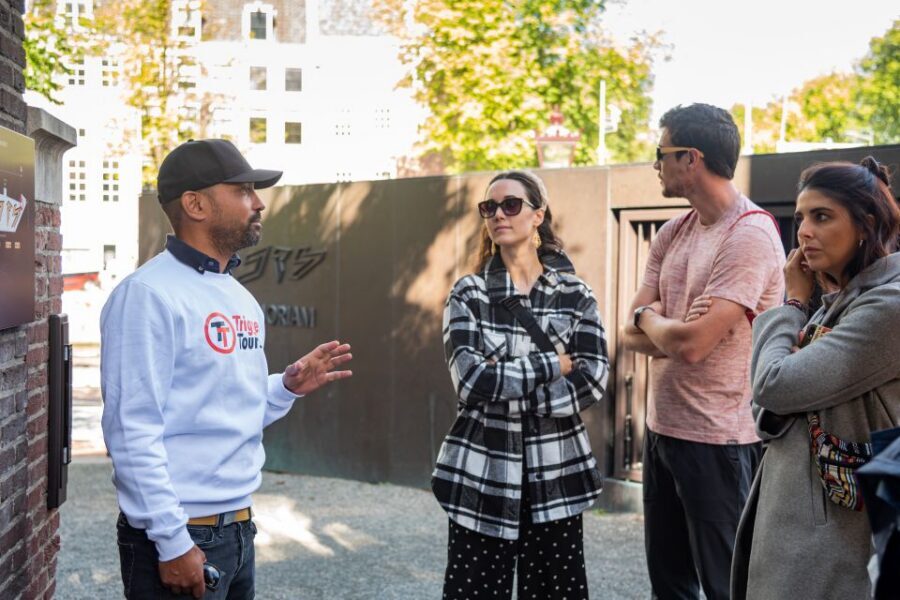
The tour meets near Waterlooplein, which puts you in the middle of where Amsterdam’s Jewish neighborhoods shaped the city. That matters, because WWII stories here aren’t abstract. They’re tied to blocks, alleys, and landmarks that still exist.
From the first stretch, you’ll hear how the city changed under occupation and what daily life could look like for Jewish residents. You’ll also get a preview of the kinds of places you’ll pass: community landmarks, synagogue-related sites, and memorial spaces.
This starting point also helps you understand why Amsterdam’s Jewish history isn’t only about the Holocaust. It’s about centuries of community life and the role that community played in shaping local culture and heritage.
The Portuguese Synagogue: A Landmark With Layers

One of the first major stops is the Portuguese Synagogue area. Even without going inside, this kind of stop works because it anchors you to a real, specific place—something more concrete than a chapter in a book.
Your guide uses this location to frame the story of Jewish life in Amsterdam over time, then pulls it forward into the WWII era. The result is that the synagogue isn’t just an architectural stop; it becomes a doorway into how communities organized, worshiped, and lived.
And since the tour is time-limited, this stop is ideal. You get the meaning without turning your day into an all-museum marathon.
Jewish Quarter Streets: Narrow Alleys, Big Stories
The walk through the Jewish Quarter is the heart of the experience. Expect a longer segment here (compared to other stops), because this is where your guide builds the main narrative thread.
You’ll pass along narrow streets and smaller alleys, and your guide will point out historic buildings and landmarks tied to the era. This is also where you’re likely to notice small details that carry heavy meaning—one guide is even praised for explaining the metal squares in the pavement and what they represent.
That’s a big deal for how this tour lands. When you understand what you’re looking at, the city stops being background and becomes part of the story.
Jewish Historical Museum Stop: Context Without Overloading Your Day
Another short stop is at the Jewish Historical Museum area. You’re not spending the day inside a museum, but you are being given context that makes later visits easier.
This is a practical value point. If you do want to add museum time after the walk, you’ll have a set of questions and themes ready to go. If you don’t, you still leave with enough grounding to connect what you learn on the street with what you’d read in a museum.
Your guide also uses this part to bring WWII realities into focus, including how the Jewish community in Amsterdam was affected as events escalated.






Nieuwmarkt and Lastage: Occupation Life in Plain Terms
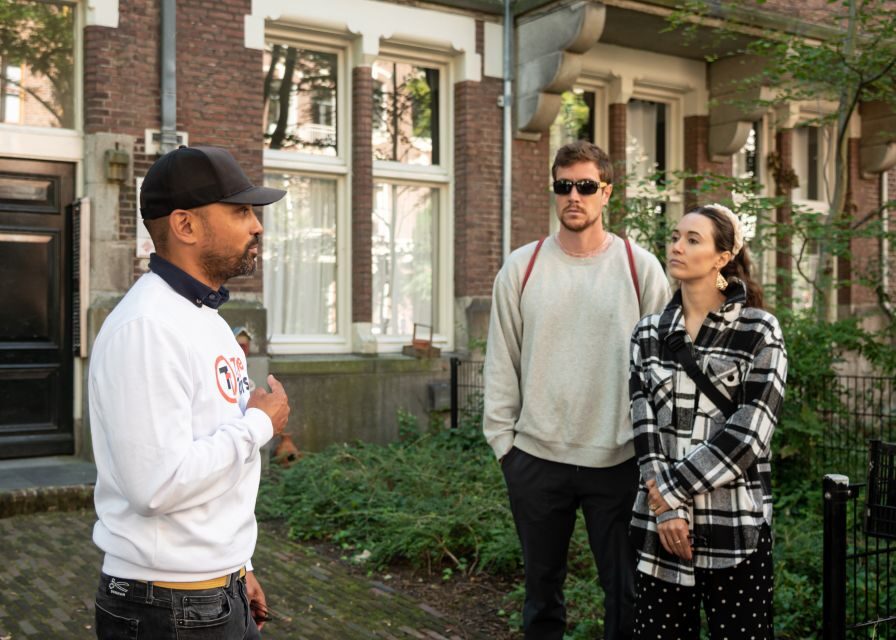
As you move toward Nieuwmarkt and Lastage, the tour shifts from specific landmarks to daily lived realities under occupation. This is where stories about resistance, suffering, and survival start to feel less like headlines and more like something tied to specific neighborhoods.
Your guide covers events such as the February strike and the hunger winter. That choice helps a lot. Those weren’t just dates on a timeline; they shaped hunger, fear, and how people tried to stay alive.
If you like history that explains how people actually coped, this is where you’ll feel the tour working. It gives the broader WWII context without losing the Amsterdam focus.
Auschwitz Monument: The Moment That Makes the Story Real
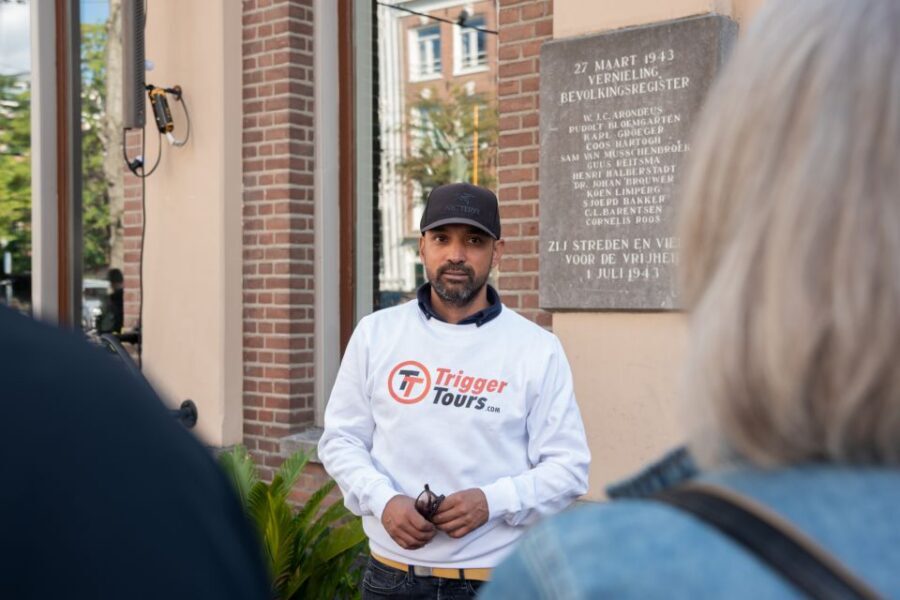
Then you reach the Auschwitz Monument stop, one of the most emotionally heavy points on the route. Even in a short time window, your guide typically frames this as a remembrance moment, not a quick photo break.
This is often described as moving by people who take the tour—especially because the walk has built up to this place. You’ve learned about the community, the pressures of occupation, and the risks faced by Jewish families. So when you’re standing near the memorial, it’s not only sad. It feels like a full stop that forces meaning onto everything that came before.
If you’re traveling with teens or curious adults, this stop is a strong anchor for discussion afterward, because it connects the personal story of Anne Frank to the larger tragedy.
Anne Frank House Area: You Get the Story, Not the Ticket
A key point: you’ll reach the Anne Frank House area on this tour, and you’ll hear the story of Anne Frank and her family, including the move from Germany, the time in hiding, and what her father did after the war when the diary was published.
But again: you won’t have entrance to the house included here. Plan your expectations accordingly. This tour gives you the narrative and the location-based context. If you want the full inside experience, you’ll need separate arrangements.
In my opinion, this setup is actually a strength. Going inside the Anne Frank House works best when you already understand the surrounding story. This walk helps you arrive with that mental context.
Plantage District: After the Hiding, Then the Aftermath
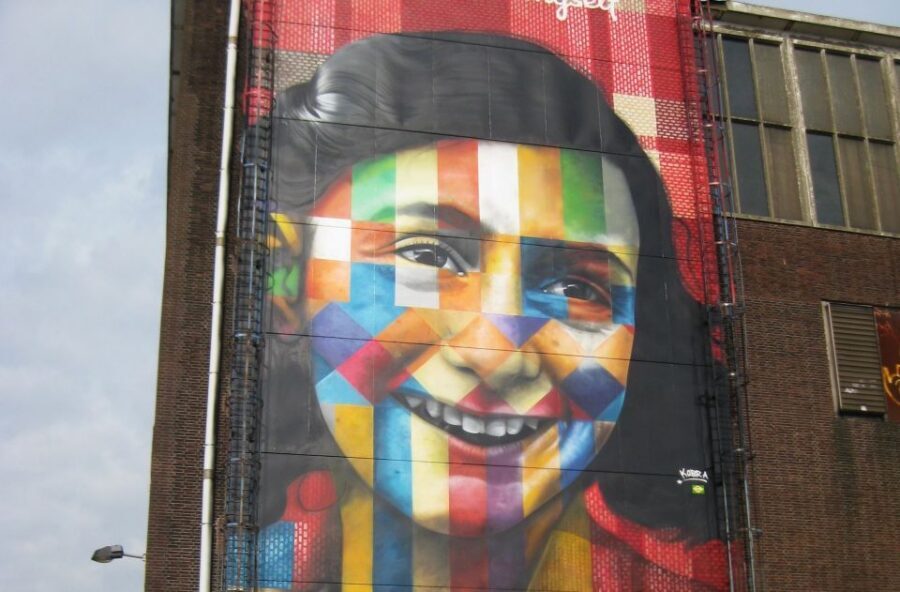
The route continues into Plantage after the memorial stop. This is where the tour can feel like a closing chapter—still careful and respectful, but focused on what happens after the darkest years.
Your guide covers what life looked like as the war ended and what happened to survivors and families afterward. For Anne Frank, that includes the postwar publication of her diary and the role of her father in bringing the story forward.
Plantage helps round out the day because it keeps the tour tied to real Amsterdam rather than only moving from one heavy site to the next.
Price and Value at $21: What You’re Getting for Your Money
For $21 per person and 2 hours, you’re paying for three things that are hard to replicate on your own:
- A guided storyline that connects WWII events to Amsterdam’s neighborhoods
- A route that includes multiple key landmarks in a compact time window
- A local guide who can answer questions on the spot and pace the material
The guide part matters more than people think. Several people mention guides who crack the right balance of serious and human—sometimes even with a light touch—without making the subject feel casual. Names that come up often include James, Aaron, Andrea, Josha, Guido, and Stan.
Also, you’re not paying for museum entry that you might not use. Since Anne Frank House entrance isn’t included, this works best as a context tour. If you want more, you can add tickets later.
Who This Tour Suits Best (and Who Might Want a Different Format)
This walk is a great fit if you want:
- A WWII-focused Amsterdam day without booking multiple museums
- The Anne Frank story told through specific local places
- A guide who can handle questions and keep the pace steady
It may be less ideal if you’re expecting a ticketed, inside-the-house experience. Since the Anne Frank House entrance is not included, you’ll want to plan that separately.
Also, a quick practical note on mobility: the tour listing includes both “wheelchair accessible” language and a note that it is not suitable for wheelchair users. Because it’s a walking tour through city streets, I’d contact the operator before booking to confirm what will work for your situation.
Practical Tips: Comfortable Shoes and Asking Good Questions
Wear comfortable shoes. The route is a walking experience through older streets and neighborhood blocks, and you’ll want your feet to feel fresh enough for a serious, focused narrative.
Bring curiosity. Your best moments often come when you ask questions—especially about how Jewish life worked in Amsterdam before the war, and what events like the February strike and hunger winter meant in daily life.
Finally, if you’re choosing between starting options, pick whichever one makes your day flow best. The meeting point may vary by the option you book, and you’ll want a start time that fits your other plans.
Should You Book This Amsterdam: Anne Frank Walking Tour?
Yes, if you want a thoughtful, guided walk that connects Anne Frank to the real streets of WWII Amsterdam—and you’re okay handling Anne Frank House tickets separately. The 2-hour length and $21 price make it an easy win when you want context fast, and the repeated praise for guides like James and Aaron points to a storytelling style that’s both clear and sensitive.
Skip it only if you specifically want a full, ticketed Anne Frank House visit as the centerpiece. For that, you’ll need a different plan.
FAQ
How long is the Amsterdam Anne Frank Walking Tour?
It lasts about 2 hours.
What is the price per person?
The price is $21 per person.
Where do we meet the guide?
The meeting point may vary depending on the option booked, but it’s described as starting near Waterlooplein.
What language is the tour offered in?
The live guide is available in English and Spanish.
Does the tour include entrance to the Anne Frank House?
No. Entrance to the Anne Frank House is not included.
What sights are included on the walk?
You’ll see multiple WWII-era and Jewish-history stops, including the Portuguese Synagogue, the Jewish Quarter, the Jewish Historical Museum, Auschwitz Monument, and you’ll also reach the Anne Frank House area.
Is the tour private or in a group?
It can be private or small-group, depending on the option selected.
Is it suitable for wheelchair users?
The information provided includes conflicting notes (wheelchair access is mentioned, but it is also flagged as not suitable for wheelchair users). Check with the operator before booking because this is a walking tour.
What should I bring?
Bring comfortable shoes.
Can I cancel and get a refund?
Yes. There is free cancellation up to 24 hours in advance for a full refund.