REVIEW · AMSTERDAM
Amsterdam: City walking experience with a local
Book on GetYourGuide →Operated by Guidance Travel · Bookable on GetYourGuide
Amsterdam stops feeling like a museum fast. This local-led walk ties canals and modern city life to real stories. In the middle, you’ll even try a stroopwafel. One thing to consider: it’s a mostly on-foot route with no Royal Palace visit, so you’ll be seeing more from the outside than going in.
I like that the pace stays conversational and human, not a slideshow. The small group setup also means you can ask questions and get practical tips. Manouk, one guide who’s been praised for being friendly and engaging, is often the sort of host who keeps people involved. The route also includes tough topics like WWII and prostitution culture, so it’s worth going in ready for honest history.
If you want a quick taste of multiple Amsterdam highlights without planning your own path, this hits the mark. Just note it’s not for kids under 12, and alcohol and drugs aren’t allowed on the tour.
In This Review
- Key things to know before you go
- Why This Amsterdam Walk Feels Personal, Fast, and Actually Useful
- Beursplein to Amsterdam Centraal: A 2-Hour Route That Keeps Moving
- Dam Square and Spui Square: The City’s Public Rooms
- Begijnhof and Huis Aan De Drie Grachten: Courtyards and the Amsterdam Contrast
- Canals and the UNESCO Canal Belt: Why Water Rules Amsterdam
- Bikes, WWII, Coffeeshops, and the Red Light Area—With Context on Foot
- Stroopwafel Break and the Souvenir Moment
- Price and Value: What $28 Buys You in Amsterdam
- Who Should Book This Walking Tour (and Who Might Prefer Something Else)
- Should You Book This Local Amsterdam Walk?
- FAQ
- How long is the Amsterdam walking tour?
- Where do I meet the guide?
- Is the Royal Palace visited during the tour?
- What food is included?
- Is the tour only for adults?
- Are there any restrictions during the tour?
- What languages is the tour offered in?
- Is the tour wheelchair accessible?
- Is there a small group option?
- Is free cancellation available?
Key things to know before you go
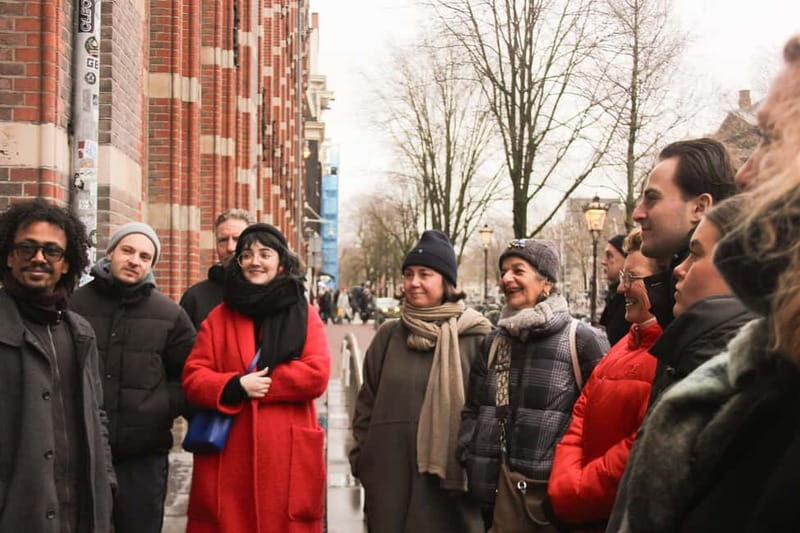
- Small group, local guide: expect a personal tone and room for questions
- Canals plus UNESCO canal belt stories: you’ll understand why the water matters
- Modern Amsterdam themes on foot: bikes, coffeeshops, WWII impact, and the Red Light area
- Stroopwafel midway: a real Dutch snack break built into the route
- Practical sights, not ticket shopping: Royal Palace entrances aren’t included
Why This Amsterdam Walk Feels Personal, Fast, and Actually Useful
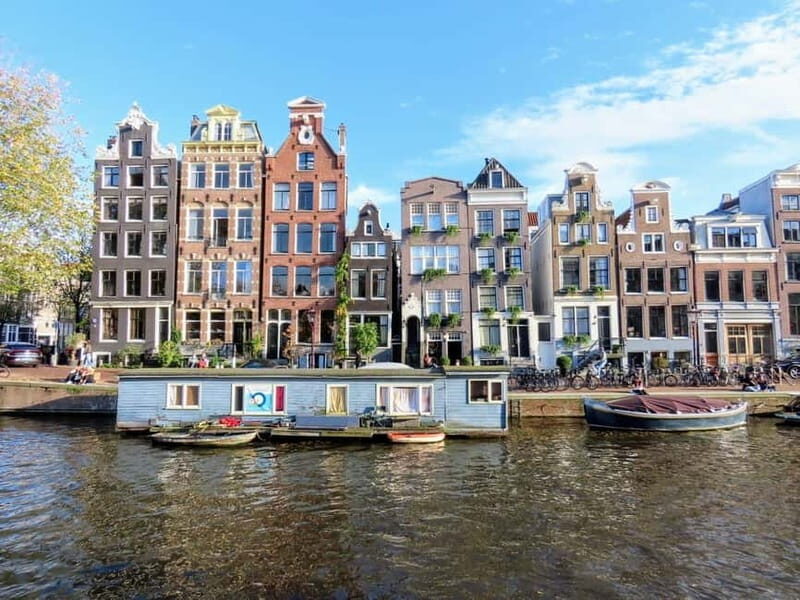
Amsterdam can swallow you. You step out into narrow streets, canals, bridges, and bicycles, and it’s easy to just follow signs and hope for the best. This tour gives you a way to hold the city in your head. Instead of a list of stops, you get a thread: how a small settlement grew into a city with a reputation for being open-minded, and how that shows up in what you see today.
Two things I’d put near the top for value. First, you’re not only looking at landmarks—you’re getting the meaning behind them, from the UNESCO-listed canal belt to the way the city has adapted after WWII. Second, the guide time feels practical. In the stories, you’ll hear about daily life rhythms too, like why bikes are everywhere and what happens to ones that go missing.
The tour isn’t perfect for every trip style. You won’t enter the Royal Palace during the walk. You’ll see it as part of the city scene, but if you were hoping for a full palace ticket experience, you’ll need to plan that separately. Also, since it covers adult-leaning topics, it’s better suited to adults and older teens rather than younger kids.
You can also read our reviews of more walking tours in Amsterdam



Beursplein to Amsterdam Centraal: A 2-Hour Route That Keeps Moving
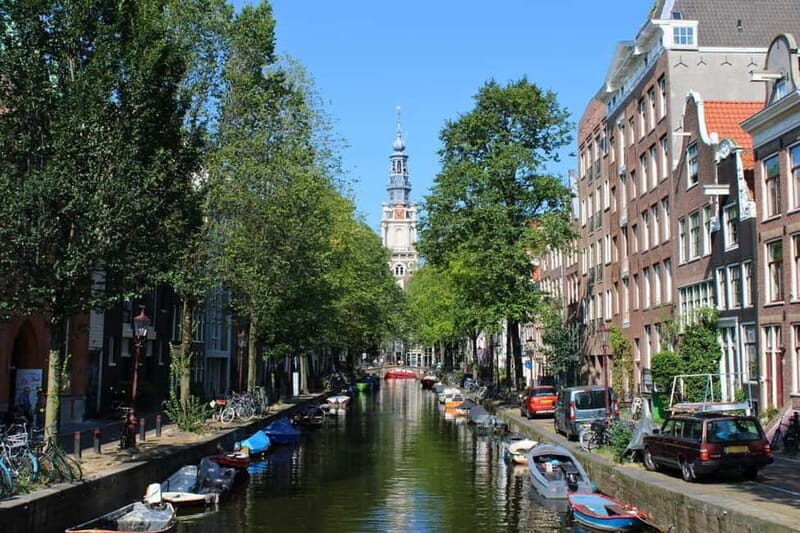
You start at Beursplein, standing at the bottom of the stairs of Bistro Berlage. The guide waits by a large black lantern with a sign that reads Guidance, so it’s usually easy to find the group without guesswork.
The timing matters. Two hours sounds short, but on a walking tour like this, it’s a sweet spot. You get enough time to connect different parts of central Amsterdam—squares, courtyards, canal-related views, and the transit energy around Centraal—without burning half your day on transit or waiting in lines.
You’ll also appreciate the pacing if you don’t want to spend the trip figuring out logistics. There’s no “go here, now go there” chaos. The tour moves station-to-station, with sightseeing built around each stop. That structure is especially helpful if it’s your first day and you’re still learning where everything sits.
One more practical note: it’s a live guided experience in English or Dutch and it’s wheelchair accessible. That means you’re not relying on a printed audio guide to make sense of street-level context.
Dam Square and Spui Square: The City’s Public Rooms
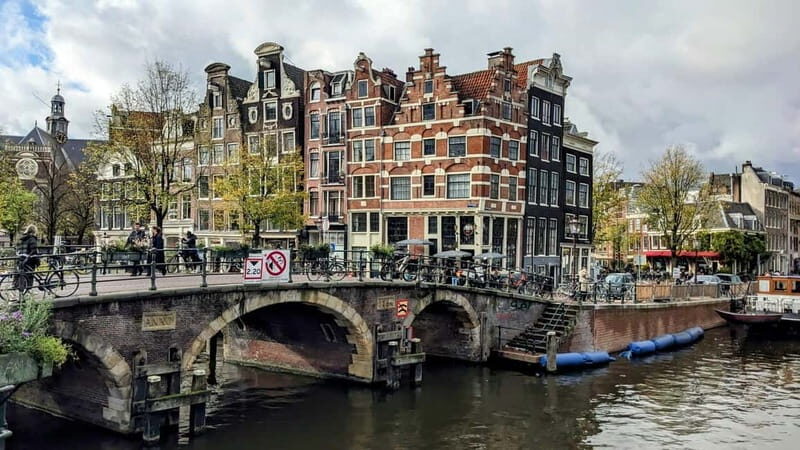
Dam Square is the kind of place that can feel obvious on a map, yet different up close. On this walk, you don’t just pass through—you’re set up to notice how the center works as a stage for Amsterdam. Dam Square is also where the Royal Palace shows up in your view. The key detail: you’re seeing the landmark, but you’re not touring inside. So treat it like a “place to orient yourself” moment, not a museum stop.
Next, you’ll head through Spui Square. Squares are Amsterdam’s pressure-release valves. They’re where crowds loosen their grip, where people pause, where the city’s mood shifts from street corners to open space. This stop is about keeping your bearings and letting the guide connect what you’re seeing to how Amsterdam became what it is today.
If you’re the kind of traveler who likes to understand a city’s logic, the square sequence works. You go from a grand civic center vibe to a calmer open-space feel, and then you keep moving.
Begijnhof and Huis Aan De Drie Grachten: Courtyards and the Amsterdam Contrast
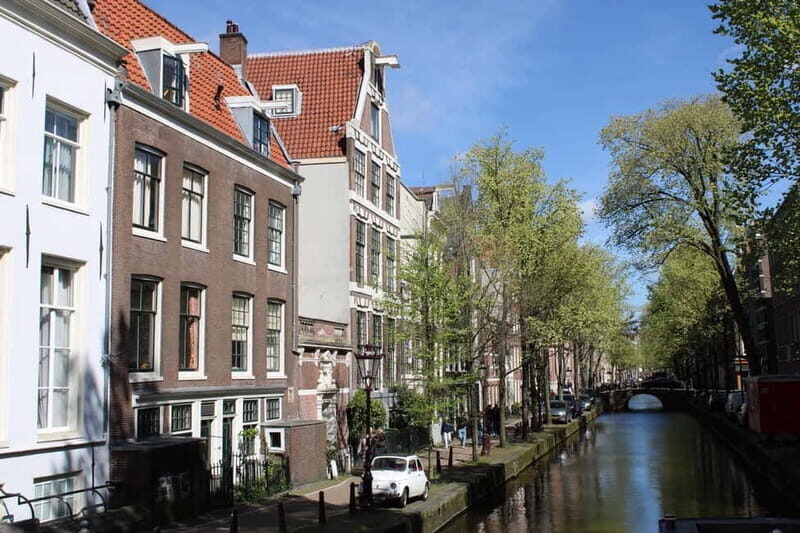
A big reason people love Amsterdam is the contrast. One block can feel loud and busy; the next can feel like it quietly resets your senses. That’s where Begijnhof fits in. This tour includes it as a sightseeing stop, so it’s not just a quick glance from the sidewalk. You’ll get time to notice the change in atmosphere and hear why that sort of tucked-away space belongs in the story of a city that evolved over centuries.
Then there’s Huis Aan De Drie Grachten. Even without going into the specifics of what you’re looking at inside (because this is a walking tour), the value is in the framing. Your guide uses places like this to show how Amsterdam’s built environment supports both history and modern city needs.
This is also a good section for photos. In reviews, people praised the guide for pointing out photo spots, and this part of the route tends to deliver. If you like street photography, go slow here. Don’t just shoot wide angles. Pause and look for small-scale details that make Amsterdam feel human.
Canals and the UNESCO Canal Belt: Why Water Rules Amsterdam
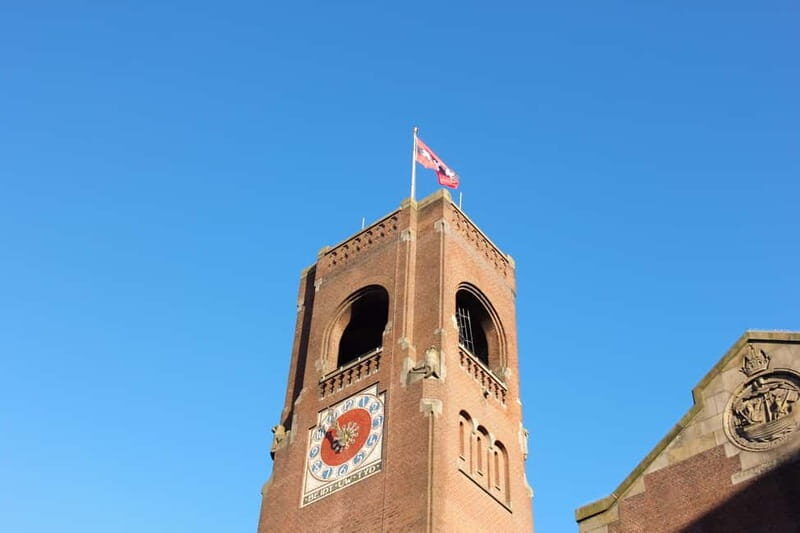
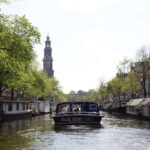
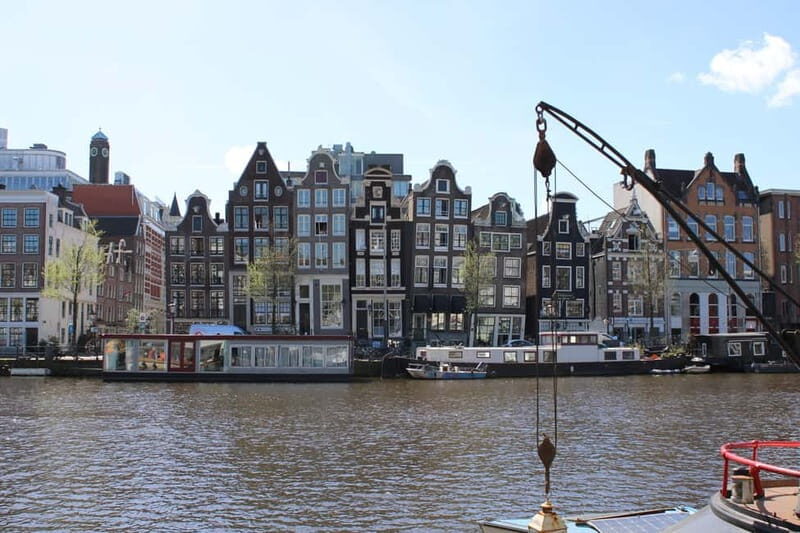
Amsterdam without canals is like a story without plot. Here, you get the canal belt connection right in the middle of the experience, not as a random fact. The tour is designed so you understand why these waterways aren’t just scenery—they’re part of how the city grew and how it functions.
The guide ties the canal story to the city’s evolution, including the way Amsterdam had to adjust to modern needs. You’ll also learn about the city’s history and how it shaped a tolerant identity that still shows up in public life.
If you’ve ever walked by a canal and felt like you were just seeing pretty curves, this is where the tour gives you a new lens. You’ll start noticing how the city’s relationship to water affects what’s possible, what’s built, and how daily life works.
Also, keep your eyes on the edges. Canals don’t exist alone in Amsterdam. They sit next to houses, squares, courtyards, and bridges, and your guide’s route helps you connect those layers while you’re still in motion.
You can also read our reviews of more city tours in Amsterdam




Bikes, WWII, Coffeeshops, and the Red Light Area—With Context on Foot
Amsterdam’s “why” is never far from its “what.” This walk connects big themes to street-level reality. You’ll hear about WWII’s impact, and how that history shaped the city and its neighborhoods. You’ll also talk about how Amsterdam became a hub for coffeeshops and prostitution, and how the city’s open-minded attitude has deep historical roots.
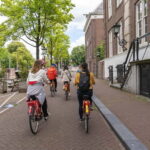
One of the more practical and funny-seeming topics is bikes. You’ll learn why there are so many and what happens to the ones that disappear. It’s the kind of city-specific detail that makes your later self-guided wandering easier. Once you understand the bike logic, you’ll read the streets differently—where people park, how fast cyclists move, and why Amsterdam feels both crowded and orderly.
And yes, the tour includes the Red Light area as part of the story. You’re not just being told to look. You get a guided explanation of how the city came to live with this reality and what tolerance means in a place where different lifestyles exist side by side.
This section is the one that most clearly separates a “highlights tour” from a “local story tour.” It’s also the section where you’ll get the most from asking questions—especially if you’re trying to understand Amsterdam’s reputation without reducing it to stereotypes.
Stroopwafel Break and the Souvenir Moment
No Amsterdam walk feels complete without a snack. Midway through, you get to try a stroopwafel, described in the tour info as the ultimate Dutch cookie. That’s a real value piece for $28, because it’s not an optional add-on you have to hunt down yourself.
You’ll also receive a small souvenir at the end of the tour. That ties the experience to a physical takeaway, and it helps mark the tour as more than just photos and facts. One review mentioned a pleasant surprise alongside a coffee pause, which matches the overall vibe: a little pause, a little taste, then back out into the streets.
If you’re watching your budget, note the tour includes a Dutch snack and souvenir. It doesn’t ask you to pay extra for every little “Amsterdam must-do” along the way.
Price and Value: What $28 Buys You in Amsterdam
At $28 per person for a two-hour walking experience, you’re buying three things: a local guide, a snack, and a small souvenir. The small group format also matters. This isn’t a giant crowd where you get one quick burst of facts and then disappear into the city.
Where this price feels most justified is in the guide quality and the structure. The tour covers major central highlights—Dam Square, Begijnhof, views connected to the UNESCO canal belt—and it also adds the city’s modern social themes: bikes, coffeeshops, WWII, and the Red Light area. That mix is hard to replicate solo unless you already know what to research and how to connect it.
One cost-related detail: Royal Palace entrance tickets aren’t included, and the tour doesn’t visit the palace. So if you were hoping this one ticket would cover your whole palace dream, it won’t. But if you want orientation plus story-based sightseeing, the pricing fits.
Who Should Book This Walking Tour (and Who Might Prefer Something Else)
I think this tour is best for you if:
- You want a first-day orientation with real context, not just photo stops
- You like the idea of learning how Amsterdam’s past became its present
- You enjoy city details like bike culture and the canal belt story
- You want a guide who shares practical suggestions, including coffee places, restaurants, bookshops, and museums
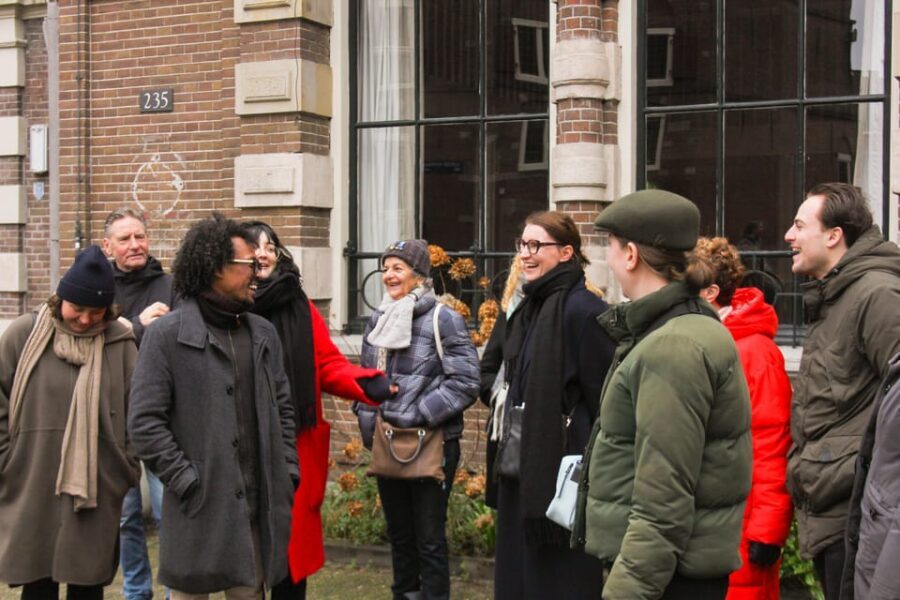
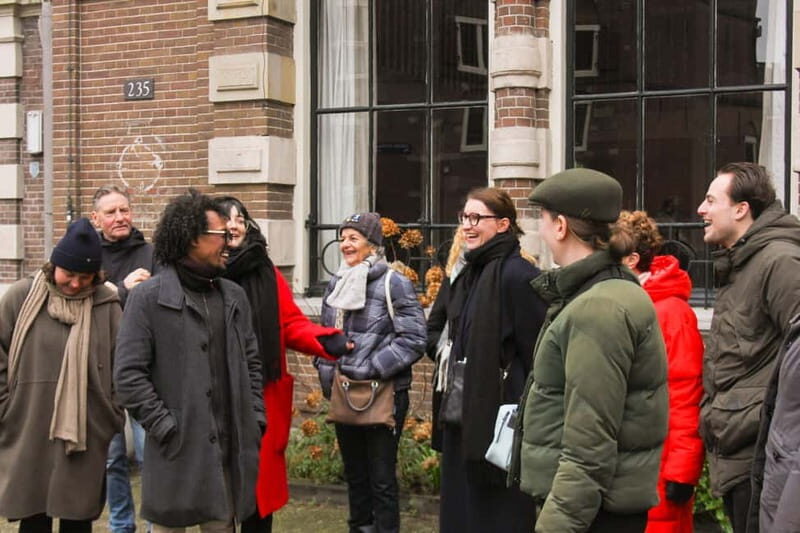
In the reviews, Manouk comes up again and again as friendly and engaging, with a style that gets everyone involved. People appreciated how she encouraged questions in a group of six and offered recommendations beyond the exact route.
You might skip or choose a different format if:
- You want a museum-style tour with paid admissions inside key buildings
- You’re traveling with kids under 12
- You prefer your history purely light and scenic, since WWII and prostitution culture are part of the discussion
Should You Book This Local Amsterdam Walk?
Yes—if you want Amsterdam explained in a way that helps you keep seeing it after the tour ends. This is the kind of experience that makes self-guided time better, because you leave with a mental map of how canals, squares, bikes, and social life connect.
It’s also a smart choice when you don’t want to waste energy building your own route and deciding what to prioritize. You get a guided walk through central highlights, plus a story-led explanation of modern Amsterdam realities. Add in the stroopwafel and souvenir, and it’s a solid value for a short trip window.
Book it if you’re open to context and honest history. Skip it if you only want postcard Amsterdam and no adult-themed discussion.
FAQ
How long is the Amsterdam walking tour?
The tour lasts 2 hours.
Where do I meet the guide?
Meet at Beursplein. Wait at the bottom of the stairs of Bistro Berlage, near the large black lantern. The guide will be holding a sign that says Guidance.
Is the Royal Palace visited during the tour?
No. Royal Palace entrance tickets are not included, and the tour does not visit the palace.
What food is included?
A Dutch snack is included, and you’ll also have a stroopwafel during the tour.
Is the tour only for adults?
The tour is not suitable for children under 12.
Are there any restrictions during the tour?
Alcohol and drugs are not allowed.
What languages is the tour offered in?
The live guide speaks English and Dutch.
Is the tour wheelchair accessible?
Yes, it is wheelchair accessible.
Is there a small group option?
Yes, the tour is a small group tour, and a private group is also available.
Is free cancellation available?
Yes. You can cancel up to 24 hours in advance for a full refund.