REVIEW · AMSTERDAM
Amsterdam Highlights Small-Group Walking Tour
Book on Viator →Operated by Amsterdam Guías & Tours · Bookable on Viator
Amsterdam feels faster on foot. This small-group highlights walk strings together Beursplein, the Jewish Quarter, and Dam Square, with an optional 1-hour canal cruise if you choose it.
I also like the “one guide, one group” setup: the tour is capped at max 10 travelers, so questions don’t get lost in the crowd.
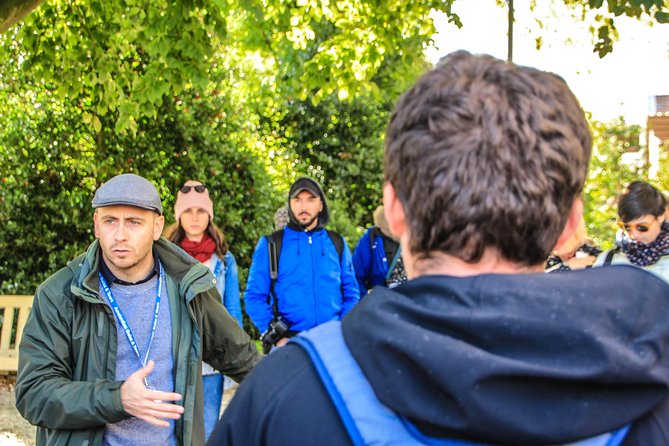
Guides can make or break a walking tour, and this one tends to attract lively characters. I’ve seen names like Jacob and Laura Garcia called out for humor, quick pacing, and keeping people engaged—plus photo help at the right spots.
One caution: a few accounts mention sound issues (soft voice, no mic) and moments where the group gets stuck too long in a noisy square. If that happens, you may need to adjust your position and keep moving with the guide.
In This Review
- Key Points at a Glance
- Why This Amsterdam Highlights Walk Works for First-Timers
- Small-Group Size: The Attention You Actually Feel
- Meet at Beursplein: Finding Your Guide in a Big City
- Stop-by-Stop: What Each Part of the Walk Feels Like
- Centraal Station: 1889 and Still Doing Its Job
- Chinese Quarter and the Buddhist Temple of Amsterdam
- Nieuwmarkt and San Antón Gate: Markets Near the Quarter
- Jodenbuurt: The Jewish Quarter and WWII History
- Muntplein: The Flower Market Energy
- Begijnhof Gardens at Spui Square: A Calm Pocket
- Dam Square: Royal Palace, National Monument, and More
- Optional Canal Cruise: Worth Paying Extra For
- Price and Value: Is $24.08 a Fair Deal?
- Logistics That Can Affect Your Experience
- Should You Book This Tour?
- FAQ
- How long is the Amsterdam Highlights Small-Group Walking Tour?
- How much does the tour cost?
- Is a canal cruise included?
- What language is the tour offered in?
- How many people are in the group?
- Where do I meet the guide?
- Is the tour a lot of walking?
- Do I need separate entry tickets for the stops?
- What if I need to cancel?
- Are children and service animals allowed?
Key Points at a Glance

- Max 10 travelers for real guide attention and a smoother pace
- Optional 1-hour canal cruise with the tour if you select it
- Jewish Quarter and WWII context added to the usual Amsterdam highlights
- Begijnhof gardens give you a quiet break from the streets
- Multiple iconic hubs on the route: Centraal Station, Nieuwmarkt, and Dam Square
- English-speaking guide with a mobile ticket
Why This Amsterdam Highlights Walk Works for First-Timers
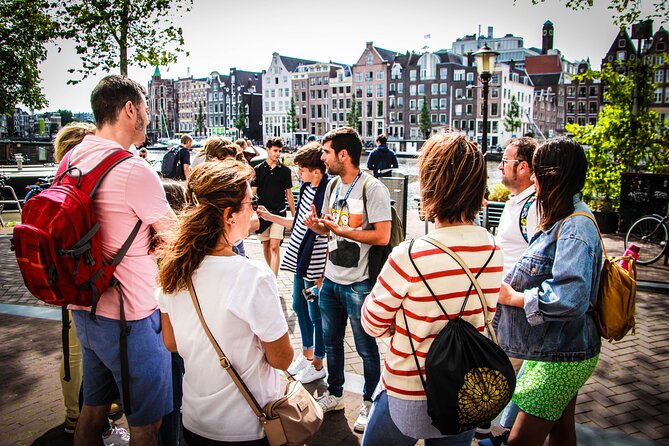
If Amsterdam is your “first city of the trip” stop, this tour does a smart job of getting you oriented. You’re not just collecting pretty photos. You’re moving through the city’s key neighborhoods—trains, markets, courtyards, and squares—so you start to see how the city pieces connect.
The big value is the mix of famous landmarks and story stops. You’ll get the usual hits like Centraal Station and Dam Square, then you’ll also spend time where the city’s history feels heavier, especially around the Jewish Quarter and WWII.
It’s also a good length. About 2 to 3 hours means you can fit it early on day one to set your bearings, or mid-trip if you want to plug knowledge gaps before you go deeper on your own.
You can also read our reviews of more walking tours in Amsterdam



Small-Group Size: The Attention You Actually Feel
With a maximum of 10 people, the guide can keep track of everyone. You’re less likely to get left behind at a corner, and it’s easier to ask simple questions—like what to look for next on the canal-side streets, or how certain buildings ended up where they did.
The reviews also point to an interactive, human style. Guides like Jacob, Tony, Claire, and Ilya come up in the feedback for being funny, fast-moving, and willing to make the walk feel like a conversation instead of a lecture. That matters in Amsterdam, where the streets are narrow and the pace can change quickly.
That said, if you’re the type who hates waiting around to hear a long explanation, choose your “listening spots” carefully. One recurring negative theme is groups spending too long in very loud, busy areas. The tour is designed to be walk-and-talk, so if you find yourself stuck, gently signal the guide that you’re ready to move.
Meet at Beursplein: Finding Your Guide in a Big City
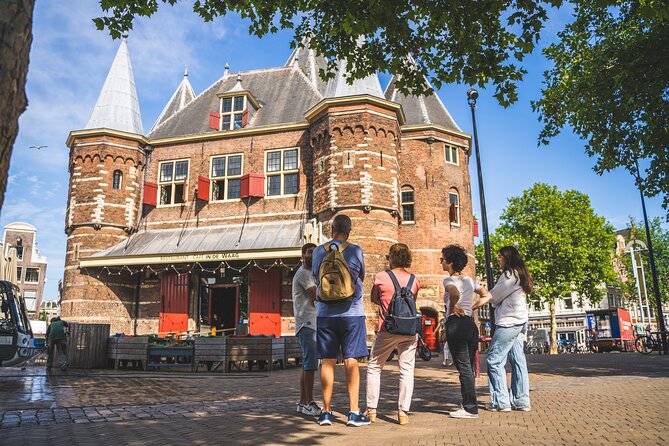
You start at Beursplein (1012 JW Amsterdam). This is the kind of meetup point that can feel confusing if you arrive late or if there are multiple groups gathering at once. The good news is the meeting setup is clear: your guide waits in front of Cafe Bistro, next to the bull figure, using a blue umbrella or a tag with the Amsterdam Guides & Tours logo.
I like this approach because it reduces guesswork. Amsterdam has a lot of similar-looking public squares. A recognizable landmark helps a lot—especially if you’re juggling a phone ticket and a timetable.
Practical move: arrive a few minutes early and scan for the logo/umbrella. If you’re standing in the wrong spot, don’t wander for long—just ask nearby staff or use your phone to confirm the meeting image if it’s provided in your booking info.
Stop-by-Stop: What Each Part of the Walk Feels Like

Centraal Station: 1889 and Still Doing Its Job
Next you head to Amsterdam Centraal Station, designed by Dutch architect Pierre Cuypers and opened in 1889. It’s the city’s biggest railway station and its main one, which makes it more than a pretty facade. It’s a living piece of Amsterdam’s daily rhythm.
Why it works on a walking tour: stations are where cities show their priorities. Centraal is a reminder that Amsterdam isn’t only about canals and bicycles—it’s a major transport hub. If you’re planning train trips during your stay, this stop gives you context fast.






Chinese Quarter and the Buddhist Temple of Amsterdam
Then the route moves through the Chinese Quarter. The stop includes the Buddhist Temple of Amsterdam area. This shift is important because it widens the idea of what “Amsterdam” means.
You’ll feel the city changing character without needing to take a tram. One of the tour’s strengths is that it doesn’t keep you stuck in the classic postcards. Even if you’ve never visited Chinatown in another city, this area is easy to recognize once you’re there.
Potential downside: this section can be busy and stop-and-go. If you’re sensitive to crowded streets, keep your pace flexible and let the guide manage where you pause.
Nieuwmarkt and San Antón Gate: Markets Near the Quarter
After the temple area, you reach Nieuwmarkt—the new market—and the San Antón Gate, near the Chinese Quarter. Markets are where Amsterdam’s everyday life leaks through, even on a “highlights” day.
This is a good stop for seeing contrasts:
- A gate that hints at older structures of the city
- A market area that feels current and practical
If you want one takeaway from Nieuwmarkt, it’s that Amsterdam’s story isn’t only written in grand buildings. It’s also written in daily trade.
Jodenbuurt: The Jewish Quarter and WWII History
Now the tone changes at Jodenbuurt, a neighborhood often described as a must. The walk includes time where the guide talks about the Jewish Quarter and the sad history of World War II.
This part is one of the tour’s most meaningful stretches. If you’re choosing only one guided element during your trip, this is the one that gives you context you won’t easily pick up just by wandering.
A practical tip: give yourself a moment to adjust your expectations here. This isn’t “fun facts only.” The subject matter deserves a quieter pace. If your guide asks the group to listen, it’s because the stop deserves attention.
Muntplein: The Flower Market Energy
Then you move toward Muntplein, a famous square known in part for the flower market nearby. This stop is where the walk snaps back into a more relaxed Amsterdam mood.
It’s a nice balance after the heavier WWII context. You get open space, people-watching, and the recognizable flower-market vibe that makes Amsterdam feel instantly “Amsterdam.”
If you’re traveling in a warmer month, this square is likely to be popular. Bring water and plan to accept slow movement if crowds gather.
Begijnhof Gardens at Spui Square: A Calm Pocket
At Spui Square, you visit the Begijnhof Gardens. This is one of those places that reminds you Amsterdam has pockets of silence even when the streets are loud.
The tour also mentions the Flower Market and De Krijtberg Kerk, so you’re tying the city’s quieter courtyard life to wider neighborhood themes. That pairing works well because it helps you understand why people historically valued tucked-away spaces.
Practical note: courtyard stops can create “photo clustering.” If you want a clear view, step slightly aside and give other people their moment first. It keeps the group flowing.
Dam Square: Royal Palace, National Monument, and More
The final stop is Dam Square, the heart of Amsterdam. Here you’ll see the Royal Palace, the Niuewekerk, and the National Monument.
Dam Square is huge and easy to navigate on your own later, which is why ending here makes sense. Once you finish, you’re dropped right into a center where it’s simple to continue your day: museums, trams, restaurants, and walking routes radiate out.
It’s also a strong finale because it’s visually dramatic. After you’ve learned the neighborhood story bits, the square feels like a “big picture” moment.
Optional Canal Cruise: Worth Paying Extra For
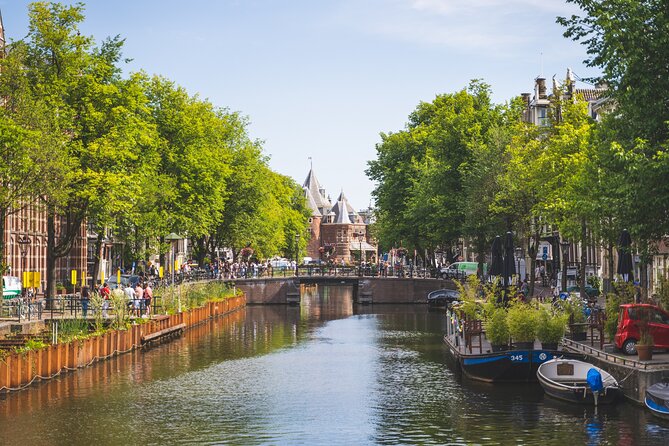
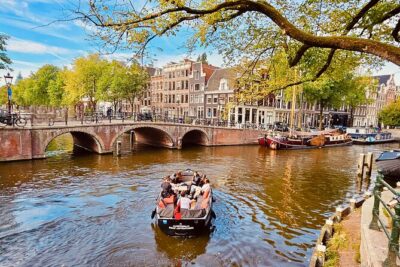
The tour includes a ticket for a 1-hour canal cruise if you select the option. I like this add-on because it gives you the Amsterdam angle you can’t get while on land: water views, canal-side facades, and a calmer pace after hours of walking.
It’s also a good way to rest without dropping out of the experience. If your legs are already tired from streets and steps, the cruise is a gentle reset.
Main caution: at least one account says canal cruise ticket delivery was unclear. If you choose the upgrade, I strongly suggest you:
- keep your confirmation details handy on your phone
- double-check that your canal cruise time matches your schedule before you leave the area
If everything lines up, it’s a satisfying finish. If there’s confusion, it can turn into stress—so be proactive.
Price and Value: Is $24.08 a Fair Deal?
At $24.08 per person, you’re paying for a guided walkthrough with a duration around 2.5 hours, and the big theme is storytelling plus “where to look” guidance. The fact that admission for the listed stops is marked free matters. You’re not paying entry fees to see the sights; you’re paying for the context and route.
Here’s how I think about value:
- If you want background on neighborhoods you might not fully understand alone (especially around WWII history), the guide time is the product.
- If you also choose the canal cruise upgrade, the value gets stronger because the cruise ticket is included.
If you hate spending money on guidance and prefer pure wandering, you could do this itinerary on your own. But if you like a plan and you want the “why” behind what you’re seeing, this price is reasonable for what you get.
Logistics That Can Affect Your Experience

Amsterdam is small and walkable, but it’s also noisy. One set of complaints points to hearing issues when a guide doesn’t use a headset, plus long explanations while the group is in a loud square. Another complaint mentions disjointed pacing—promising more later that never comes.
None of that means the tour is bad. It means you’ll enjoy it more if you do two things:
- show up early to get situated without rushing
- position yourself where you can hear (and be ready to move when the guide says it’s time)
Also note: the meeting point has a specific landmark setup. If you miss it, you’ll spend time sorting it out. The bull figure + blue umbrella detail exists for a reason—use it.
Finally, if you have tight plans later (museum tickets, timed entry reservations), keep a little buffer. A time change notification shows up in one account, so check your email and schedule in the days before you go.
Should You Book This Tour?
Book it if you want:
- a first-time-friendly highlights route that still includes serious neighborhood history
- a small-group vibe where the guide can respond to your questions
- a simple way to see Centraal Station, Nieuwmarkt, Begijnhof, and Dam Square in one go
- the option to add a 1-hour canal cruise for a calmer finish
Consider skipping or being extra cautious if:
- you need crystal-clear audio and get frustrated when guides don’t use headsets
- you dislike tours that stand too long in crowded squares
- your day is packed with zero-flex, timed plans right after the walk
My bottom line: this is a strong “get oriented, learn context, then roam” tour. The history stops—especially around the Jewish Quarter and WWII—are the part that makes it more than a checklist. If you choose a time when crowds are manageable and you keep an eye on the guide at Beursplein, you’ll leave with a better-feeling Amsterdam map in your head.
FAQ
How long is the Amsterdam Highlights Small-Group Walking Tour?
It runs about 2 to 3 hours (listed as 2.5 hours in the included details).
How much does the tour cost?
The price is $24.08 per person.
Is a canal cruise included?
The walking tour includes a ticket for a 1-hour canal cruise only if you select the optional upgrade.
What language is the tour offered in?
The tour is offered in English.
How many people are in the group?
This experience has a maximum of 10 travelers.
Where do I meet the guide?
Meet at Beursplein, 1012 JW Amsterdam, Netherlands. The tour ends at Dam Square Dam, 1012 Amsterdam.
Is the tour a lot of walking?
It is a walking tour with multiple stops across central Amsterdam, designed to last about 2 to 3 hours.
Do I need separate entry tickets for the stops?
The itinerary stops are marked with admission ticket free in the tour details, with the canal cruise being the paid/optional component.
What if I need to cancel?
There is free cancellation up to 24 hours in advance for a full refund.
Are children and service animals allowed?
Children must be accompanied by an adult, and service animals are allowed.