REVIEW · AMSTERDAM
Amsterdam: The Life of Anne Frank Walking Tour
Book on GetYourGuide →Operated by Tour Company · Bookable on GetYourGuide
Anne Frank’s story starts on ordinary streets. This walking tour maps her early Amsterdam years and brings the world beyond the Secret Annex into view, including the people and places that made her diary possible. I like that it centers on day-to-day life—school, neighborhoods, and the shop connection—so the history feels human instead of just famous.
Two big reasons to book: you’ll stand in the Merwedeplein area tied to Anne’s pre-hiding life and you’ll follow the thread from daily routine to the diary’s purchase. One drawback to plan for: this tour does not include entry to the Anne Frank House, so if you want to go inside, you’ll need a separate ticket.
In This Review
- Key highlights you’ll actually feel on the walk
- Why this Anne Frank walking tour hits differently than the Anne Frank House
- Starting at Merwedeplein 61, where the neighborhood story begins
- Schools and neighborhood corners tied to her early years
- The bookstore link: where the diary enters the story
- Meeting Miep Gies on her own doorstep
- Amsterdam-Zuid in the 1920s and 1930s: a city built for families
- What the 1.5 hours feels like in practice
- Price and value: is $18 worth it?
- Who should book this walking tour, and who might not love it
- Should you book this Anne Frank walking tour?
Key highlights you’ll actually feel on the walk
- Anne’s everyday addresses: schools and neighborhoods linked to her early childhood
- Diary origin at a bookstore: the shop where Otto Frank bought her the diary
- Miep Gies’ home: you’ll see the residence tied to one of the brave helpers
- Amsterdam-Zuid without the crowds: architecture and social-housing ideas from the 1920s and 1930s
- A focused 1.5-hour route: enough time to learn without turning it into an all-day slog
Why this Anne Frank walking tour hits differently than the Anne Frank House
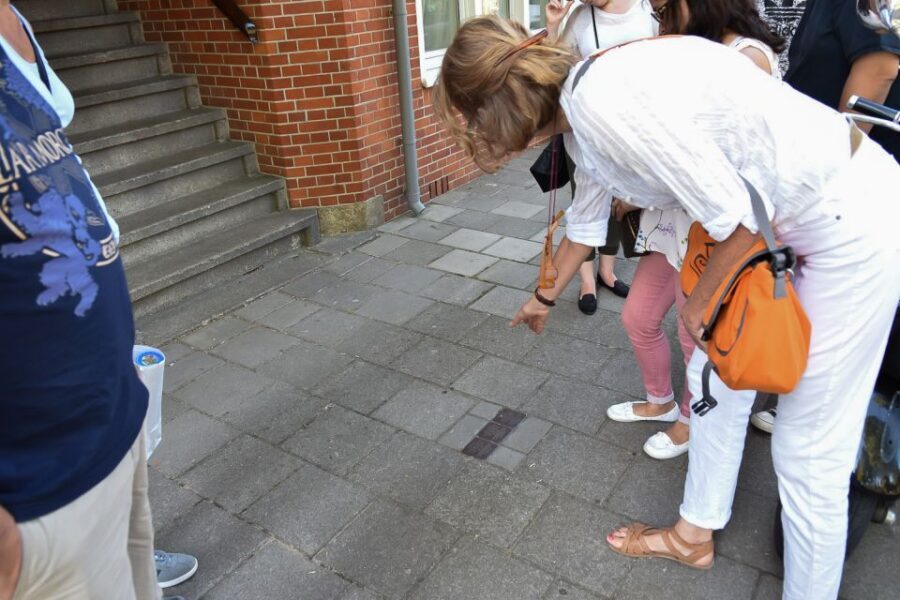
Most Anne Frank experiences revolve around the Secret Annex. That’s important, but it can also compress the story into one small space. This Amsterdam-Zuid walking tour stretches the timeline back to who she was as a young girl before she went into hiding.
You’re not getting museum-style theatrics here. Instead, you’re getting something more practical: street-level context. You’ll see where she lived in a specific neighborhood before the arrest, and you’ll connect famous names and objects to real corners of the city. It’s the difference between reading about a person and standing where their life unfolded.
And the tour is also candid about its scope. You’ll get area access and meaningful orientation, not entry to the Anne Frank House. That can be a plus if you want to understand the background first—or a minus if you were hoping this would be your one-and-done ticket plan.
You can also read our reviews of more walking tours in Amsterdam



Starting at Merwedeplein 61, where the neighborhood story begins
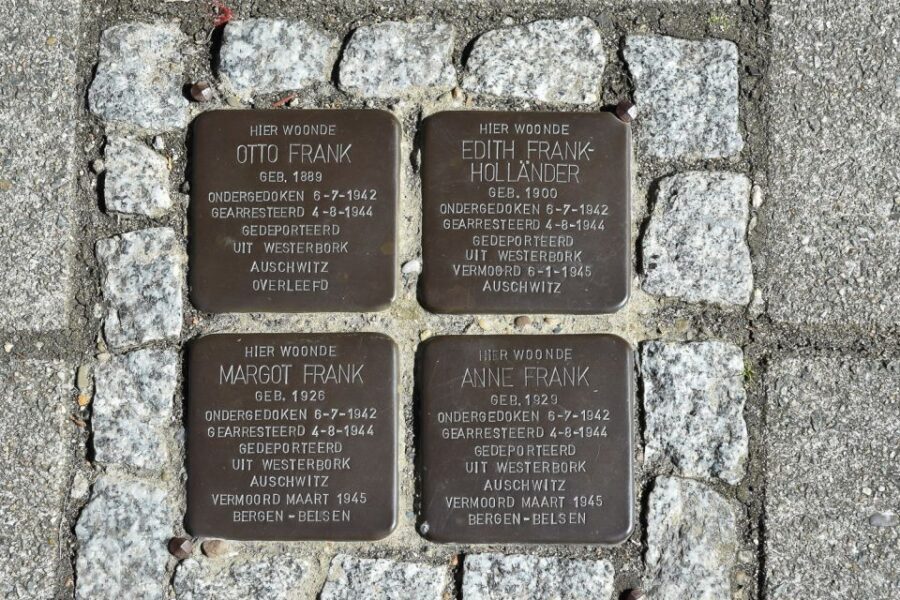
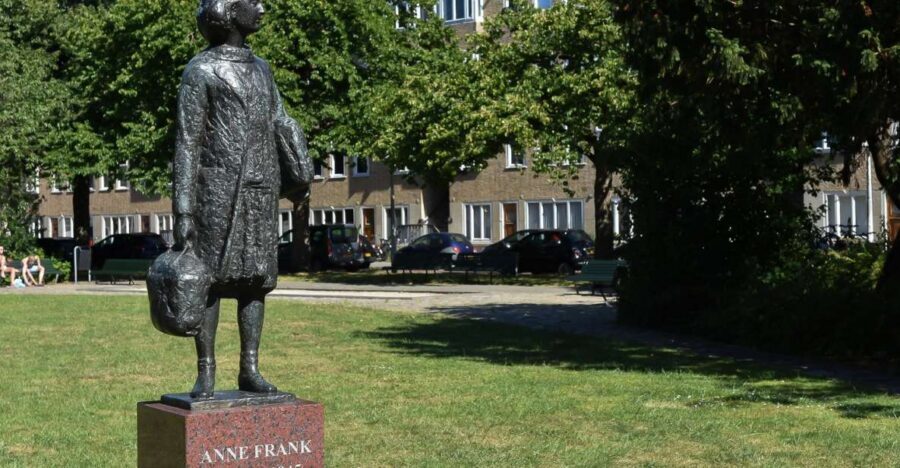
The meeting point is Merwedeplein 61, in Amsterdam South, at Square Merwedeplein in front of the Anne statue. It’s a smart place to begin because it anchors you in the neighborhood rather than dragging you straight into the most intense chapter of the story.
This is also where the tour’s “early life” focus becomes real. The square and surroundings are tied to the area where Anne lived before the Annex. Standing there, you get a sense of scale: the city isn’t just a set of landmarks. It’s a place someone her age would recognize as home.
I also like that the route starts in Amsterdam-Zuid. It helps you avoid the reflex of turning your entire day into the same loop of the most visited historic center streets. You’re in a part of town that many first-timers miss, which makes your learning feel less like a checklist and more like discovery.
Schools and neighborhood corners tied to her early years
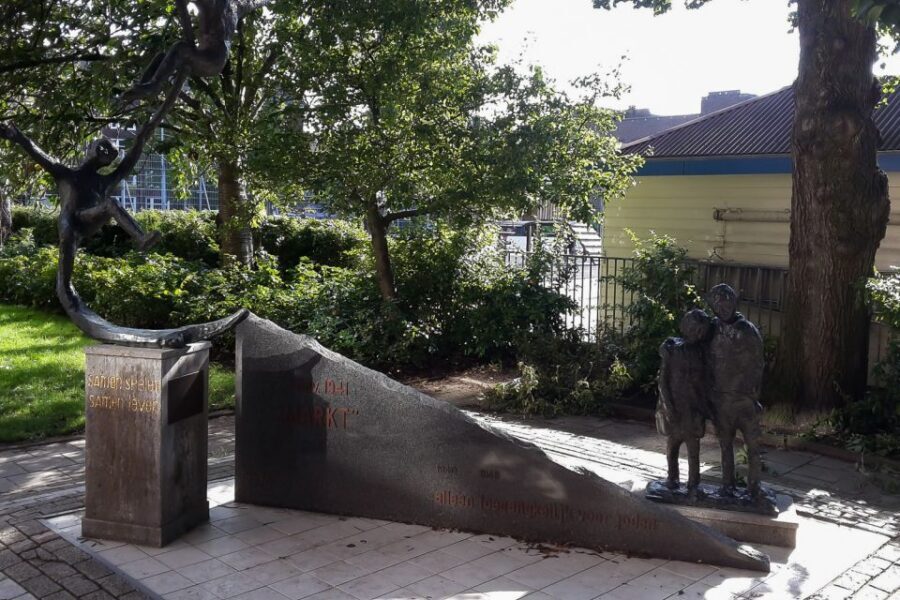
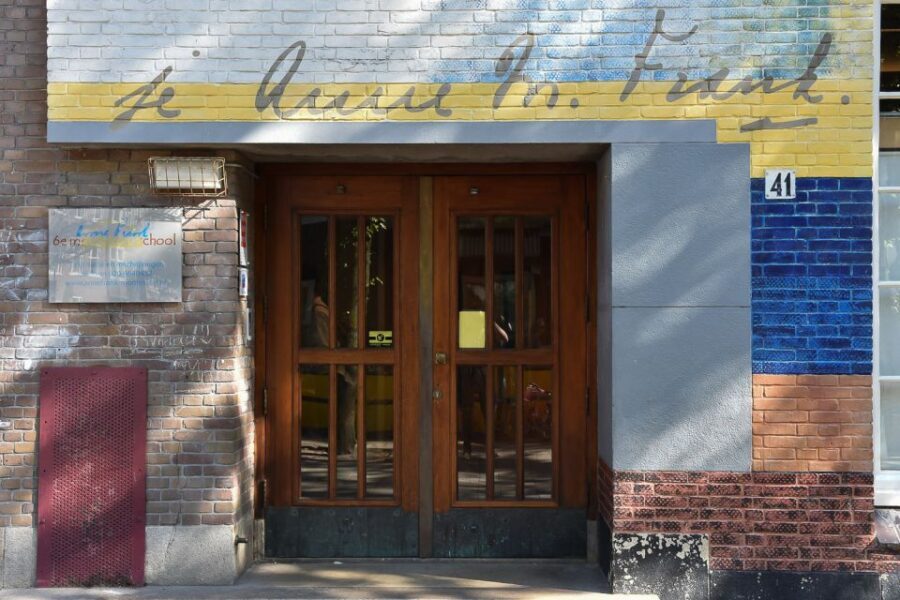
A major part of the experience is going to the schools and neighborhoods connected to Anne’s childhood. That matters because it changes how you read her diary. When you understand her routine—school context, daily movement through the neighborhood—you can feel how her writing grew out of ordinary life.
On the walk, you’ll see the school buildings that played a role in her early education. One highlight that sticks from the guide style described in reviews is how the stops are explained with clarity and room for questions. That’s especially useful here, because the story has details that can feel confusing if you only hear them once.
You’ll also pass through the broader areas where she spent time, which helps you picture where friends might have gathered and where family life took place. Even if you already know the big story, this part gives you a stronger mental map of how her world worked before the Nazi occupation forced everything to change.
A practical note: there’s a small amount of walking. That sounds mild, but it’s still important to wear comfortable shoes. Plan to move steadily for the full 1.5 hours, not just for a quick photo stop.
The bookstore link: where the diary enters the story

One of the most memorable moments on this tour is the stop connected to the diary’s origin: the bookstore where Otto Frank bought Anne her diary. If Anne’s writing is what you know best, this is the place where the book stops being an abstract object and becomes a purchase made for a real child.
This is also where the tour does something subtle but powerful. It connects the emotional weight of the diary to a very mundane detail—going to a shop, buying a book, and bringing it home. When you see that kind of link, the diary starts to feel less like a miracle artifact and more like something that grew out of daily life and creativity.
I like that this tour doesn’t treat the diary like a standalone legend. It treats it like a physical beginning, tied to Otto Frank and to Amsterdam street life.
If you’re a reader, bring that lens: listen for how the guide connects what Anne might have been doing and thinking to the diary itself. It makes the famous chapters feel less like history and more like a timeline you can track.
Meeting Miep Gies on her own doorstep
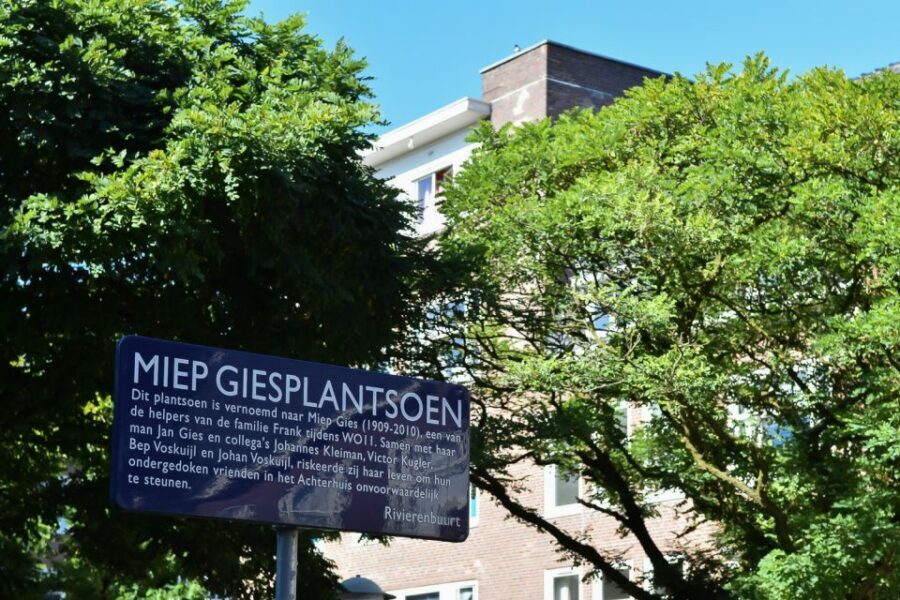
The tour includes a look at the home of Miep Gies, one of the helpers who supported the family and later helped preserve Anne’s diary after the arrest. This stop shifts the focus from only the people in hiding to the wider network of courageous ordinary life.
That perspective is worth seeking out. When you’re only learning about the Secret Annex, it’s easy to forget that survival stories depend on more than one family. They depend on neighbors, coworkers, and people willing to risk something serious.
You’ll pass by the home linked to Miep Gies and hear how her actions mattered long after the hiding ended. I find this is often the “quiet” emotional stop on a walking tour like this: you don’t get dramatic scenes, but you get a clear reminder that history is powered by individuals who chose to help.
It also balances your visit to Amsterdam. Yes, you come for Anne Frank. But you leave remembering the people around her who made the outcome possible.






Amsterdam-Zuid in the 1920s and 1930s: a city built for families
After you’ve followed the story people, you also get the story setting: Amsterdam-Zuid. The area was developed in the 1920s and 1930s, shaped by ideas in urban planning, architecture, and social housing.
This part matters because it changes what “Amsterdam” means. Most visitors picture the canal ring and the postcard center. On this tour, you’re looking at a different side of the city—one designed to house growing populations and support everyday life, not just visitors.
When the guide connects those urban planning choices to the idea of community and home, it helps the Anne Frank story sit inside a real social framework rather than floating as a tragedy outside ordinary urban life.
It’s also a useful way to balance your day. If you’re planning to visit other major Anne Frank related sites, this walk gives you grounding. It helps you understand what kind of city she was growing up in—not just what kind of war she faced.
What the 1.5 hours feels like in practice
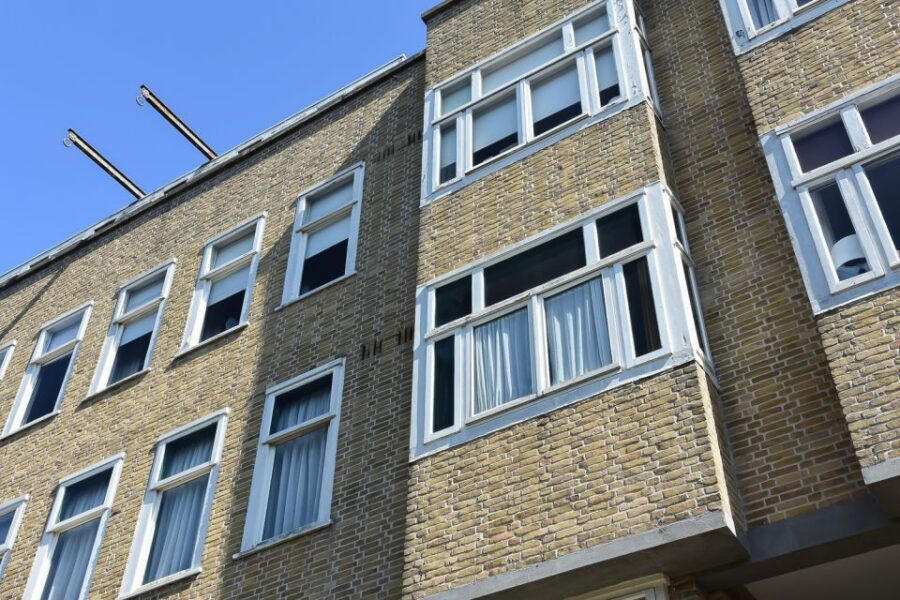
This is a 1.5-hour guided walk with live narration in English. The pace is designed for a walking experience, not a long bus transfer day. That means you’ll want to treat it like a purposeful stroll: listen, look up from your phone, and be ready for stops where the guide lays out context.
Because it’s outdoors, weather matters. The practical tip is simple: bring an umbrella on rainy days, and don’t rely on a quick indoor refuge. The tour also encourages camera use, since you’ll be seeing outside locations, including the square statue area and street-level stops.
One more planning reality: this tour does not grant access to the Anne Frank House. So if you were hoping to combine orientation and entry into one ticket, you’ll need to separate those plans. Think of this walk as your “who she was and where she lived” companion to any visit where you go inside.
Price and value: is $18 worth it?
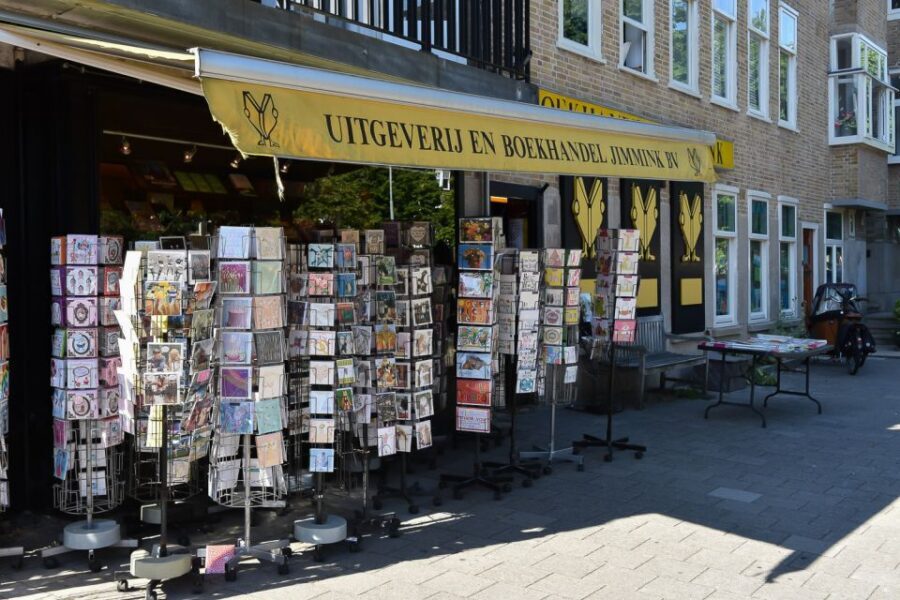
At $18 per person for about 1.5 hours, this walking tour is priced like an orientation experience—with a real guide and a tight focus. You’re not paying for an admission ticket, which keeps the cost down. But you are paying for something that’s hard to replicate alone: a guided route built around connected locations and the context to understand them.
For value, I weigh it this way:
- If you want to understand Anne Frank’s early life before going deeper elsewhere, this helps you build the timeline correctly.
- If you’re short on time and don’t want a full-day museum plan, this gives meaningful learning without eating the whole day.
- If you specifically want Anne Frank House entry, you’ll still need that separate ticket, so you should treat this as a complement, not a replacement.
Given the strong rating (4.7) and the repeated praise for clear explanations and energy from guides in reviews, the value proposition is less about sightseeing and more about how well the story is tied to the streets.
Who should book this walking tour, and who might not love it
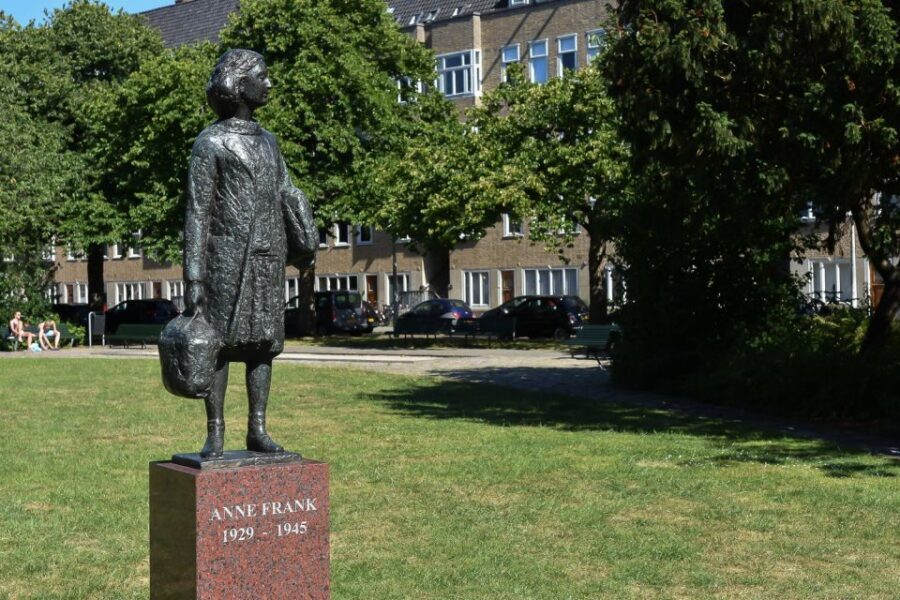
This tour fits best if you:
- enjoy guided storytelling tied to real addresses
- want to focus on Anne Frank’s childhood years, not only the hiding period
- prefer a less crowded Amsterdam experience in Amsterdam-Zuid
- like the idea of seeing the diary’s origin connection and Miep Gies’ story through street-level stops
It may not be the right fit if you have limited mobility. The tour is not suitable for people with mobility impairments and wheelchair users, and it involves a small amount of walking. Also, pets aren’t allowed, so plan accordingly if you’re traveling with an animal.
Should you book this Anne Frank walking tour?
Book it if you want a focused, story-driven walk that gives Anne Frank a bigger timeline. This isn’t just photo points. It’s an organized way to connect where she went, where she lived, and how everyday objects like a diary became part of a life-changing record.
I’d skip it (or at least think carefully) if your main goal is entry to the Anne Frank House, because this tour won’t get you inside. And if walking is difficult for you, plan a different approach.
If you’re building a thoughtful Anne Frank itinerary, this tour works well as the background chapter. You’ll walk away with a clearer sense of Amsterdam as her everyday world—before everything narrowed down to the Annex.