REVIEW · AMSTERDAM
Private tour: Your own Amsterdam: walk through the old city
Book on Viator →Operated by Snurk.Travel · Bookable on Viator
Old Amsterdam gets a lot clearer fast. This private 3-hour walk strings together Golden Age politics, art, and everyday life in a way you can actually remember, plus you move at your group’s pace. I like how the guide ties each stop to a bigger story, not just a photo spot. One thing to plan for: the Portuguese Synagogue area is a key end point, and its admission isn’t included.
If you like history that smells like real life, you’ll enjoy the mix. You’ll hear how Catholics and Protestants shaped conflict after the Eighty Years’ War, then pivot to local drinking traditions in an old wooden-house bar, with art references to painters like Jan Steen and Frans Hals. Expect a lot of walking, and bring a rain layer anyway.
In This Review
- Key Highlights You’ll Actually Feel
- A 3-Hour Private Walk That Feels Like a City Lesson
- Meeting at Amsterdam Centraal: Why the Golden Age Starts Here
- St. Nicholas Basilica: Faith Conflict Without the Museum Vibe
- ’t Aepjen: How Dutch Drinking Traditions Fit Into the Big Picture
- Chinatown Interlude: A Quick Shift of Mood and Community
- Nieuwmarkt and De Waag: Myths, an Anatomical Theatre, and the Human Dark Side
- Rembrandt House Area: What Made Artists Succeed
- Portuguese Synagogue Area and the Jewish Neighborhood: Traditions, Rights, and Reality
- What You’re Paying For (And Why It Can Be Worth It)
- Weather, Questions, and How to Get More Out of the Walk
- Who This Tour Fits Best
- Should You Book This Private Amsterdam Old-City Walk?
- FAQ
- How long is the private old city walk?
- Is this tour private or shared?
- Where does the tour start and end?
- What language is the tour offered in?
- Are any admissions included?
- What is included in the price?
- Are coffee, tea, or snacks included?
- Is the meeting point easy to reach?
- What is the cancellation policy?
Key Highlights You’ll Actually Feel
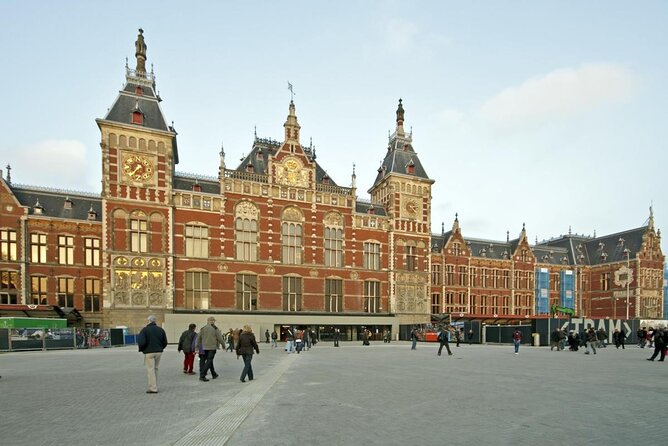
- Personal pacing on a true private tour, so you can ask questions and shift the focus
- Golden Age storytelling starting right at Amsterdam Centraal, then moving through places tied to conflict, crime, and culture
- Food-and-drink history at ’t Aepjen, including Dutch drinking traditions connected to art
- Nieuwmarkt and De Waag with myths and memories around an old anatomical theatre
- Jewish neighborhood context with the Portuguese synagogue area and local diaspora history
- Strong guiding in bad weather, including staying upbeat when rain turns stubborn
A 3-Hour Private Walk That Feels Like a City Lesson
Amsterdam can feel like a collection of postcards. This tour fights that. In about three hours, you get a guided thread through the old city—faith, conflict, art, and daily rituals—without turning it into a lecture hall.
Private also matters. You don’t have to wait on anyone else’s pace. If your group wants more time at a corner, or you want to ask a few rabbit-hole questions, the guide can usually steer it your way. That flexibility is part of the value of paying for a guide instead of just following a map.
One more practical point: it’s mostly walking between compact neighborhoods. That’s great for seeing the streets as you go, but it means comfortable shoes and a light rain jacket help a lot.
You can also read our reviews of more walking tours in Amsterdam



Meeting at Amsterdam Centraal: Why the Golden Age Starts Here
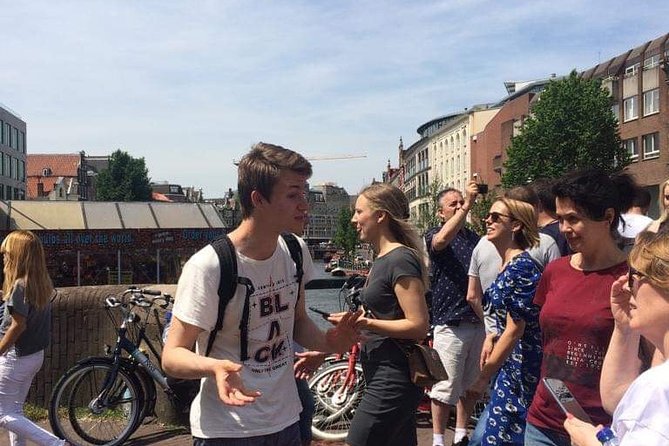
Your tour begins at Amsterdam Centraal (Stationsplein 13a, 1012 AB). The guide starts with the Netherlands in the Golden Age—why Amsterdam mattered, and how power, trade, and ideas shaped daily life long after the ships stopped sailing.
This first stop is useful because it gives you a framework. When you know what people were fighting over, or building, the later stops stop feeling random. You can notice the little hints in architecture and street layout instead of just thinking, pretty canal, nice building, move on.
Also, Centraal is a smart meeting point. It’s central, easy to find, and near public transport. You spend less time organizing your arrival and more time getting into the story.
St. Nicholas Basilica: Faith Conflict Without the Museum Vibe
Next you head to the St. Nicholas Basilica (15 minutes). Even though the church itself was built after the Golden Age, it’s still a strong stop because you use it as a lens for the era that came before.
Here’s the key angle: Catholics and Protestants didn’t just argue about religion. The Eighty Years’ War and its consequences shaped how people lived, worshiped, and understood authority. Standing in a historic church space helps the story feel grounded rather than theoretical.
Practical notes: this is a short stop, so it’s more about orientation than deep exploration. If you’re hoping to linger inside for ages, you may want to plan a separate revisit later.
’t Aepjen: How Dutch Drinking Traditions Fit Into the Big Picture
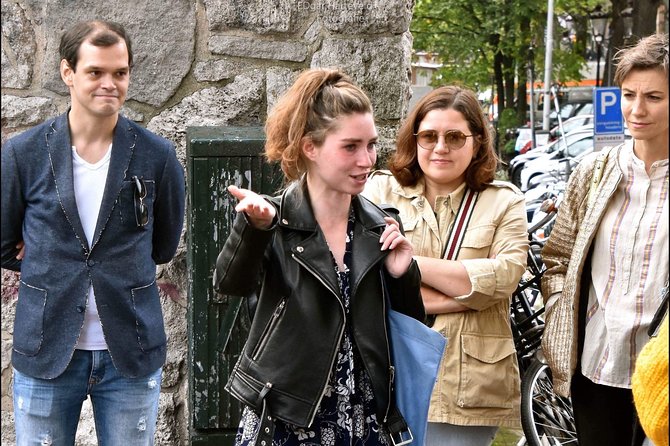
One of the most memorable stops is ’t Aepjen (15 minutes). The pitch is simple: Dutch favorite drinks and drinking traditions—but the payoff is how your guide connects them to national mentality and real social life.
The bar sits in what’s described as the oldest wooden house in Amsterdam. That means you’re not just ordering a drink in a theme setting. You’re in a space that people have adapted for centuries—wood, design, and atmosphere all carrying the weight.
You’ll also get art references while you’re there, including paintings by Jan Steen and Frans Hals. That matters because Dutch art from the Golden Age often shows everyday scenes—games, celebrations, habits. So you’re watching the same culture in three forms: street life, a social setting, and visual art.
If you’re the type who likes culture through objects and routines (not just dates), this stop usually lands really well.
Chinatown Interlude: A Quick Shift of Mood and Community
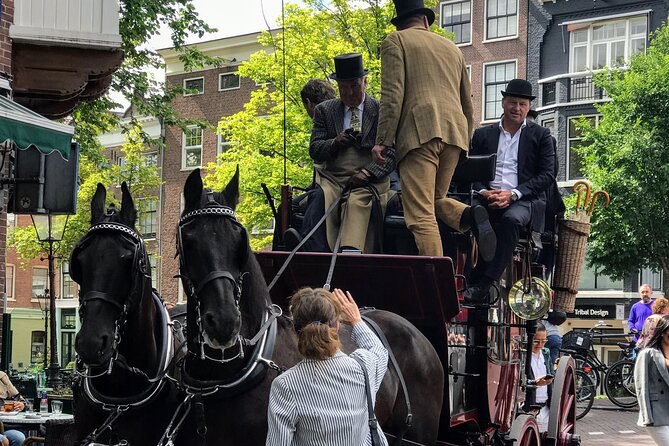
You’ll spend about 15 minutes in Chinatown. This isn’t meant to be the whole story of one neighborhood. It’s a change of pace, a reminder that Amsterdam is layered and still changing.
Think of it like a palate cleanser: you just moved through Golden Age themes tied to religion, war, and art, and now you’re seeing how immigrant communities have shaped modern Amsterdam in a very visible way. You get time for quick photos and street-level noticing without turning the tour into a checklist.
You can also read our reviews of more city tours in Amsterdam





Nieuwmarkt and De Waag: Myths, an Anatomical Theatre, and the Human Dark Side
This is one of the best stretches of the walk: Nieuwmarkt and De Waag (about 30 minutes). The setting has a reputation for mysterious secrets and myths, and your guide uses those stories as a bridge into how the city worked during the Golden Age.
A big theme here is leisure and community. Families historically spent time around what’s described as a former anatomical theatre. Yes, anatomy sounds clinical. But in that era, it also connected to curiosity, science, and public spectacle.
Then the tour takes a darker turn—witches, prisoners, and punishments. The guide frames it as part of how society policed behavior and how fear and authority traveled through everyday life. If you like history that doesn’t sanitize the past, this is where the tour earns its keep.
Your guide may also weave in Rembrandt references using paintings tied to this era and region. Even if you’re not an art expert, you’ll start noticing how often Golden Age stories circle back to Dutch painters and how art recorded the world people lived in.
Rembrandt House Area: What Made Artists Succeed
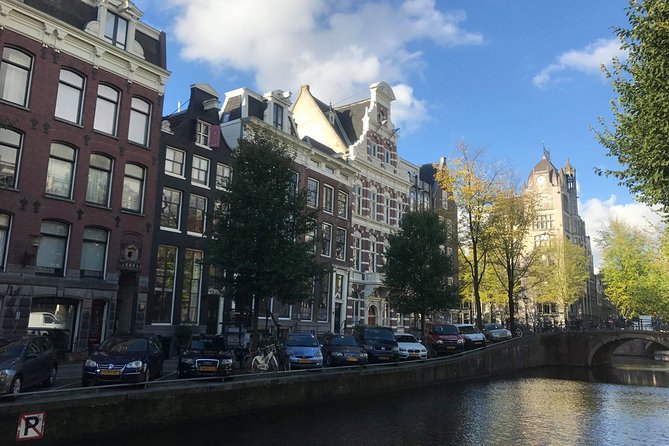
After Nieuwmarkt and De Waag, you get special attention around the Rembrandt house area. This part isn’t about turning Rembrandt into a statue. It’s about his life, his talent, and his fate—plus what mattered for a successful artist during the Golden Age.
That focus changes the way you see the city. Amsterdam wasn’t just built by merchants and rulers. It was also built by culture, patronage, and the ability of artists to navigate public taste.
This stop is especially good if you’ve ever wondered why certain artists became famous while others faded. The guide’s story approach helps you connect the economic side of creativity with the emotional side of reputation.
Portuguese Synagogue Area and the Jewish Neighborhood: Traditions, Rights, and Reality
You end in the Portuguese Synagogue area (about 20 minutes), finishing at Mr. Visserplein 3, 1011 RD. The neighborhood around here is described as lovely and quiet, and that mood helps. You shift from street energy to a calmer, more reflective pace.
Your guide points out landmarks in the area, including the Jewish Historical Museum and the Portuguese synagogue, plus the famous flea market in the neighborhood. The main goal is context: Jewish diaspora in the Netherlands, traditions, lifestyle, and rights.
This stop works best because it doesn’t treat Jewish history like a side note. It explains how community life formed, how it was shaped by the broader society, and what people could and could not do day to day.
Important budget note: admission for this portion is not included. So if you want to go inside at the synagogue level, plan on additional costs. It’s also smart to think about timing—short tours mean you’ll likely see and discuss more than you’ll linger like a museum day.
What You’re Paying For (And Why It Can Be Worth It)
The price is $265.05 per person for a private tour lasting about 3 hours. That’s not “cheap,” but it’s also not random pricing.
Here’s what you’re getting for the money:
- A real in-person guide who can answer questions and tailor the focus for your group
- A concentrated route through meaningful places tied to Golden Age themes
- Most stops with admission ticket free, so the cost doesn’t balloon at every corner
- A mobile ticket for the experience
- Group discounts are mentioned, which can make the per-person cost easier if you’re not traveling solo
Where value can drop slightly: you’re paying for interpretation and pacing, not for long museum time. If you want hours inside multiple buildings, you might prefer museum ticket packages. Still, if you like “smart walking tours” that help you understand what you’re seeing, the price can feel fair.
My practical advice: if you’re traveling with a few people, ask your group what they want most—faith and politics, art and culture, or neighborhood texture. A private guide lets you aim the story at your interests.
Weather, Questions, and How to Get More Out of the Walk
One standout theme from the guide experience is handling weather without losing momentum. Your guide’s job is to keep the story flowing even when the sky does its Dutch routine. If you’re traveling in cooler months, pack accordingly. Even a light rain can make cobblestones slick, and a quick stop outside can feel long when you’re cold.
Also, this is private. That means you can use the time actively:
- Ask why a building from later periods still tells a Golden Age story
- Request extra context on the Eighty Years’ War consequences, since it’s central to the St. Nicholas Basilica framing
- If your group loves art, ask your guide to connect the painters mentioned (Jan Steen, Frans Hals, Rembrandt) to what you’re seeing
And if you want a quick viewpoint or a warm pause, guides often know nearby options. One group experience included a short cafe stop with a city view, which shows how your guide can adapt the flow for comfort.
Who This Tour Fits Best
This is a strong choice if you:
- want a first-time-friendly way to understand Amsterdam’s old-city DNA
- like history that includes daily life, not just famous names
- enjoy art references tied to real places (Steen, Hals, Rembrandt)
- want a calmer but meaningful ending in the Jewish quarter area, including the Portuguese synagogue context
This is less ideal if you:
- want mostly indoor attractions and long museum durations
- hate walking and prefer slow, sit-down tours
- expect coffee or snacks to be included (they aren’t)
Should You Book This Private Amsterdam Old-City Walk?
Yes, I’d book it if your goal is understanding. The tour’s strength is the way it connects religion and conflict, everyday Dutch habits, and art into one readable route, from Centraal to the Jewish neighborhood end point.
I’d skip or compare if you’re mainly looking for lots of museum time or you’re traveling with very limited walking tolerance. Also, because Portuguese Synagogue admission isn’t included, check your comfort level with paying a bit extra to go inside.
If you want an Amsterdam you can actually explain to friends later, this kind of guided walk earns its place on your schedule.
FAQ
How long is the private old city walk?
It lasts about 3 hours.
Is this tour private or shared?
It’s private. Only your group participates.
Where does the tour start and end?
It starts at Amsterdam Central Railway Station, Stationsplein 13a, 1012 AB Amsterdam. It ends at the Portuguese Synagogue of Amsterdam, Mr. Visserplein 3, 1011 RD.
What language is the tour offered in?
The tour is offered in English.
Are any admissions included?
Most stops have admission ticket free. Admission for the Portuguese Synagogue portion is not included.
What is included in the price?
An in-person guide is included.
Are coffee, tea, or snacks included?
No. Coffee and/or tea and snacks are not included.
Is the meeting point easy to reach?
Yes. The meeting point is near public transportation.
What is the cancellation policy?
You can cancel for a full refund if you cancel at least 24 hours in advance of the experience start time.