REVIEW · AMSTERDAM
Rembrandt House & Neighborhood Exclusive Guided Walking Tour
Book on Viator →Operated by Babylon Tours Amsterdam · Bookable on Viator
Rembrandt’s world is closer than you think. This exclusive guided walking tour pairs Amsterdam’s classic canals with Rembrandt’s actual home area, then finishes inside Het Rembrandthuis. I like how the route makes the city feel like part of Rembrandt’s story, not just a backdrop.
What I especially like is the mix of views and interpretation. You’ll look at key canal landmarks, walk through areas like the flower market and Jodenbuurt, then get a focused museum visit that helps you understand Rembrandt’s life and work from 1639 to 1656. If you’re a Rembrandt fan, this pacing really works.
One thing to consider: Rembrandt House can have occasional closures. If it delays start time by more than an hour, you’ll get an alternative, but the tour provider says refunds or discounts aren’t offered in those cases. Also, you’ll need to plan for museum security rules (no big bags).
In This Review
- Key Takeaways Before You Go
- A 2.5-Hour Rembrandt Walk That Starts at Cobra Café
- Canals First: Singelgracht and Spiegelgracht (UNESCO Canals of Amsterdam)
- Keizersgracht Moments: Seeing the “Emperor’s Canal” as the Middle Way
- Museum Van Loon Stop: A Rembrandt Connection Without Needing the Ticket
- Bloemenmarkt and the Munttoren: Flower Market Energy Near a Medieval Gate
- Rembrandtplein and the Night Watch Bronze: A Photo Stop With Meaning
- From The Amstel to Stopera: Bridges, River Lines, and a Big Civic Building
- Jodenbuurt: The Former Jewish Neighborhood on Your Way to Rembrandt House
- Inside Het Rembrandthuis: Your Best Hour in the Whole Program
- Price and Value: What $159.21 Buys You (and Why It Might Be Worth It)
- Logistics That Matter: Time, Weather, Walking, and Security
- Who This Tour Fits Best
- Should You Book This Rembrandt House & Neighborhood Tour?
- FAQ
- Where is the tour meeting point and where does it end?
- How long is the tour?
- What time does it start?
- Is the tour private?
- What language is the tour offered in?
- Is admission to Rembrandt’s house included?
- Are entrance fees included for the other stops?
- Does the tour run rain or shine?
- What should I know about bags and security at the museum?
- What happens if Rembrandt House is closed?
- Can I cancel and get a full refund?
Key Takeaways Before You Go
- Private means personal: your guide stays with your group, so questions and pacing stay in your control.
- Canals first, then Rembrandt: you get context in the streets before you ever step into the house museum.
- Rembrandtplein’s Night Watch bronze stop: a quick, memorable visual anchor before the quieter neighborhoods.
- Jodenbuurt on your route: you’ll pass through the former Jewish neighborhood now managed by the Jewish Cultural Quarter.
- The museum portion is the payoff: a full hour inside Het Rembrandthuis, with entrance included.
A 2.5-Hour Rembrandt Walk That Starts at Cobra Café
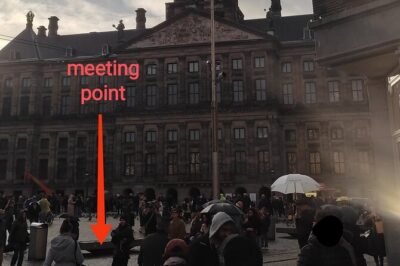
The tour runs about 2 hours 30 minutes and starts at Cobra Café, Hobbemastraat 18 (1:30 pm). You end at Rembrandt House Museum, Jodenbreestraat 4. That matters, because you’re not just doing a loop—you’re steadily moving toward the museum, finishing where the story becomes personal.
You’ll be on your feet a fair bit. One account described the walk as about 2 miles, and the tour notes you should have moderate physical fitness. This isn’t a crawl-and-pause-only stroll. It’s a walking tour with real city distance, broken up by short stops so your guide can point things out.
The tour is also rain or shine, so Amsterdam weather won’t ruin the plan. What you should bring is the practical stuff: comfortable shoes and a way to stay warm if the wind off the canals is doing its thing.
Finally, this is offered in English with a mobile ticket, and the provider asks for your mobile phone number including country code. That’s a small but important detail in a city where meeting points can be busy and announcements happen fast.
You can also read our reviews of more walking tours in Amsterdam



Canals First: Singelgracht and Spiegelgracht (UNESCO Canals of Amsterdam)
You begin in the Spiegelkwartier area, then head toward the Singelgracht—the canal that borders the centre of Amsterdam. This canal originally formed part of the city’s outer defences, so even before you reach the “pretty canal views,” you’re getting the idea that water shaped how Amsterdam worked.
Next comes Spiegelgracht, another central canal. This one is part of the Canals of Amsterdam UNESCO World Heritage site, which is a handy way to think about it: you’re not just seeing canals, you’re seeing a system that helped define the city’s layout and growth.
This canal section is more than sightseeing. It’s a way to get your bearings fast. Once you understand where these canals sit relative to the center, the rest of the walk makes more sense—especially as you move toward Rembrandtplein and then into the direction of the Jewish Quarter.
One practical note: most of these canal stops are brief (the tour lists around 10 minutes per stop). So take the few minutes seriously—lift your eyes, note the bridges and building lines, and let your guide do the explaining.
Keizersgracht Moments: Seeing the “Emperor’s Canal” as the Middle Way
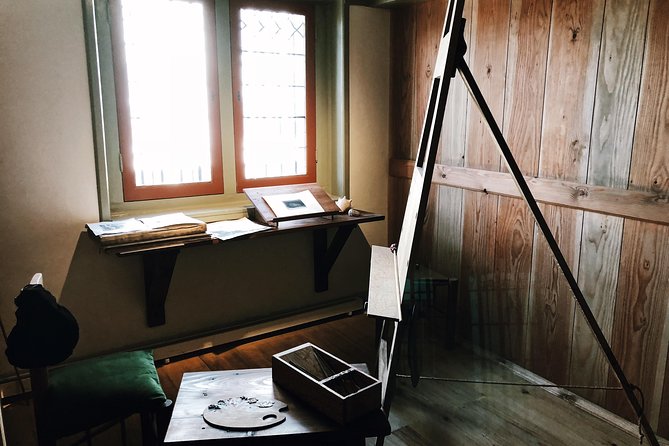
You’ll also see the Emperor’s Canal, called Keizersgracht. It sits as the middle of Amsterdam’s three main canals in the inner city, named after Emperor Maximilian of Austria. The tour highlights that it’s the widest of the three—another quick detail that helps you read the street widths and the canal scale as you walk.
This stop works best if you treat it like a visual comparison. Watch how Keizersgracht feels broader than the smaller canal streets you pass. That “feel” is one of those things maps don’t fully teach you.
And because the canal stops are short, you don’t get stuck watching the same view from the same angle for a long time. You get a few clean reference points, then move on.
Museum Van Loon Stop: A Rembrandt Connection Without Needing the Ticket
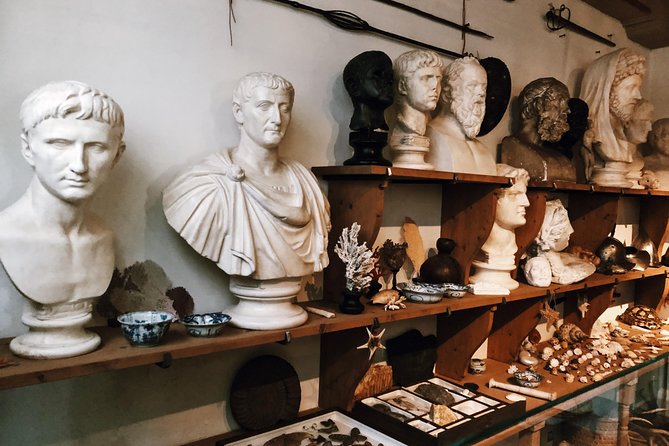
After the canal walk, you head to Museum Van Loon, a canal-side house on Keizersgracht. The interesting hook here is that it’s known as the home of Ferdinand Bol, Rembrandt’s favorite pupil.
Here’s the key practical part: the stop is listed with admission ticket not included. So you’re getting the connection, not the museum entry as part of this tour. If you want more, you’d likely need to handle that on your own later.
I like this kind of stop because it’s a “path to curiosity.” Your guide ties Bol to Rembrandt’s circle, and you leave thinking, oh, I should learn more. If you’re not in the mood for extra museum time that day, you still get the story thread.
Bloemenmarkt and the Munttoren: Flower Market Energy Near a Medieval Gate
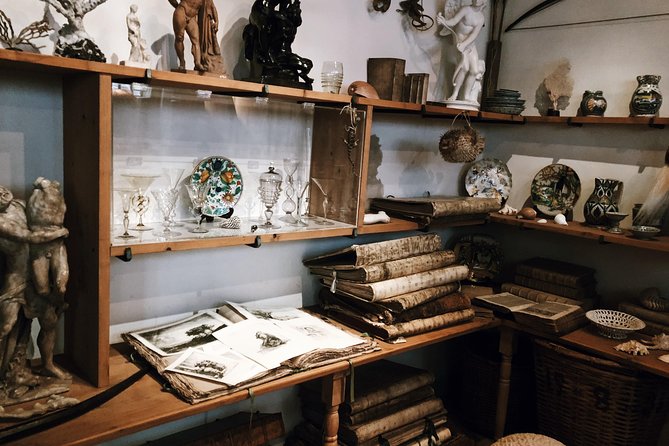
Next you pass through Bloemenmarkt, the flower market area. Right near it is the Munttoren (also called the Mind Tower by the tour). The tower was originally part of one of Amsterdam’s main gates in the medieval city wall.
Even though this part sounds like it’s all about shopping and photos, it’s actually another “city history reading” moment. You’re seeing a medieval gate structure repurposed in a modern street life zone. It’s a nice reminder that Amsterdam didn’t stop evolving once it became the postcard city.
One thing to know: Munttoren has admission ticket not included in the tour notes. So you’re mostly there for the exterior view and the guide’s explanation, not for a climb or paid interior visit.
You can also read our reviews of more guided tours in Amsterdam





Rembrandtplein and the Night Watch Bronze: A Photo Stop With Meaning
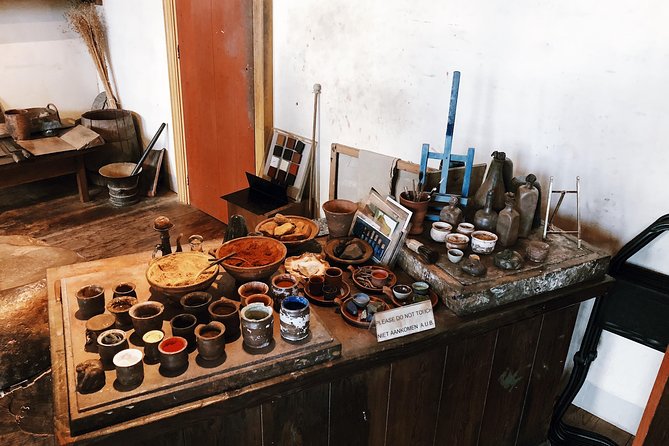
Then the tour moves to Rembrandtplein, one of Amsterdam’s busier squares. The big draw is the bronze-cast representation of Rembrandt’s The Night Watch, put on display for the artist’s 400th birthday in 2006.
This is one of those stops that’s easy to underestimate. It’s fast—listed as about 10 minutes—but it acts like a visual bookmark. You’ve been walking the streets; now you’re landing at a public symbol of Rembrandt’s fame.
If you time it right, you can also frame it with the square’s street energy. Amsterdam squares can feel like movie sets: busy, layered, and slightly chaotic. Rembrandtplein is like that, and the Night Watch bronze gives you a clear point to anchor the rest of the tour.
From The Amstel to Stopera: Bridges, River Lines, and a Big Civic Building
The walk continues by the Amstel River, with two bridge references: the Skinny Bridge and the Blue Bridge. The tour notes the Skinny Bridge is the most famous one, spanning the river from 1934. The Blue Bridge is not actually blue; it got its name from a wooden bridge that existed in the 17th century.
Then you’ll pass the Stopera, also known as the National Opera & Ballet complex, which houses city hall and the Dutch National Opera and Ballet. The tour calls out that construction took at least 60 years. That’s not just a trivia detail—it helps you appreciate why the building feels so “set” and monumental compared with smaller canal-side homes nearby.
These stops are useful because they shift your perspective from “artist streets” to “how the city runs.” You’re still moving toward Rembrandt House, but the environment broadens from canal artistry into civic scale.
Admission-wise, Stopera has admission ticket not included in the tour notes. So think of this as a guided pass-by with context.
Jodenbuurt: The Former Jewish Neighborhood on Your Way to Rembrandt House
Next comes Jodenbuurt, the former Jewish neighborhood. The tour notes that many historically important buildings are preserved and managed by the Jewish Cultural Quarter.
This part of the walk adds emotional weight and balance. It changes the feel from the showier central sights (like the flower market and Rembrandtplein) to a more historically grounded streetscape. Even if you don’t go inside anything extra here, your guide’s framing helps you understand why the area matters.
This stop is listed as about 10 minutes, and it’s a “walk-through” rather than a long visit. If you’re the type who wants deep museum time, keep this in mind: this tour is structured to deliver Rembrandt House properly, not to turn into an all-day neighborhood crawl.
Inside Het Rembrandthuis: Your Best Hour in the Whole Program
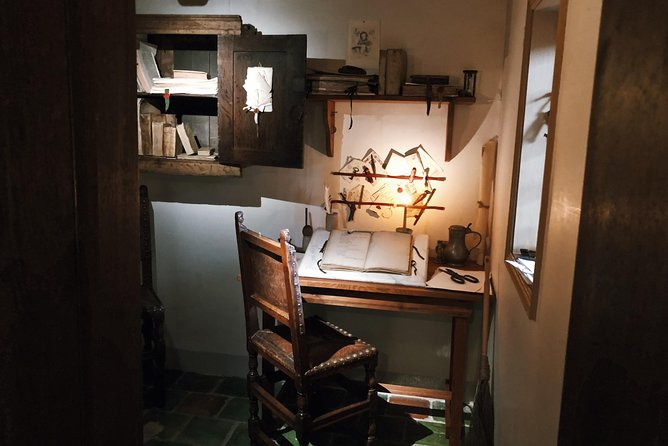
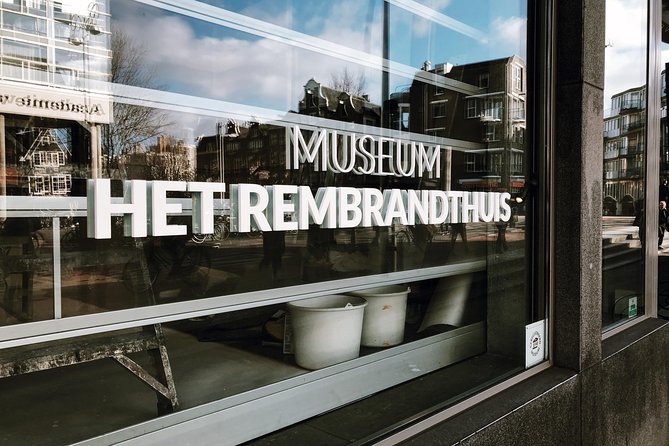
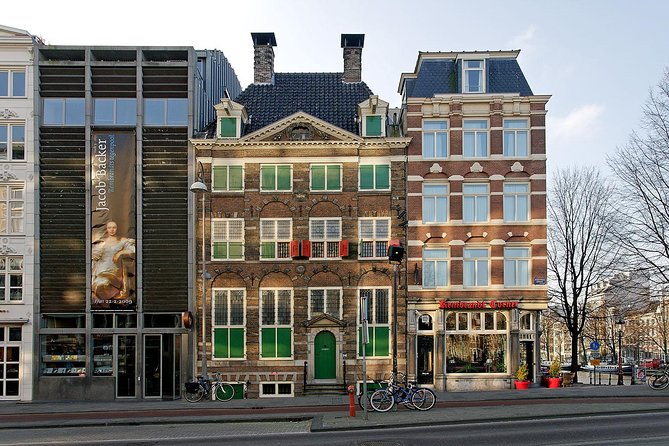
Finally, you start the museum portion: Museum Het Rembrandthuis (Rembrandt’s house). This is the included big finish. The tour notes Rembrandt lived and worked there between 1639 and 1656.
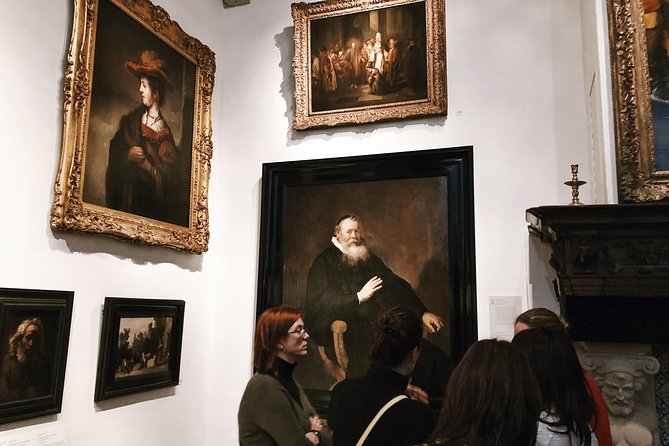
The museum collection includes Rembrandt’s etchings and paintings of his contemporaries. That’s a subtle but helpful detail. Many people walk into Rembrandt’s house thinking only about his paintings. You’ll likely see how the work and influences connect through prints and how he engaged with other artists.
The tour allocates about 1 hour here, and entrance is included. That hour is where the walking tour stops being “pretty streets” and becomes a real story about daily life, work, and the art-making process.
You also get a heads-up about museum etiquette and logistics:
- Appropriate dress is required for entry into some sites.
- No large bags or suitcases are allowed inside the museum; only handbags or small thin bag packs go through security.
- Some rooms can be quiet or have restricted right to speak, and your guide should brief you before you enter those spaces.
One more thing that’s worth planning around: the museum can have occasional closures without prior warning. If the delay is more than 1 hour from the tour start time, the provider says you’ll get an alternative, but refunds or discounts aren’t offered in those cases.
If you hate uncertainty, this is the only real downside here. If you can roll with plan B, it’s still a strong way to spend your afternoon.
Price and Value: What $159.21 Buys You (and Why It Might Be Worth It)
At $159.21 per person for a 2.5-hour private guided tour, it’s not a bargain-basement deal. But this price isn’t just for walking. You’re paying for:
- an exclusive guide for your group (private tour),
- a structured route through specific Rembrandt-linked neighborhoods,
- and a guided museum tour with entrance included at Rembrandt House.
That combination is the value. If you only did a museum ticket on your own, you’d get objects and rooms. If you only did a general walking tour, you’d likely get stories but not the house context as deeply.
Also, the tour notes group discounts and a mobile ticket. Those little details can matter when you’re booking for more than one person and want a smooth day.
And since the average booking time is about 38 days in advance, it’s a sign this one sells out for good reason. If Rembrandt House is on your must-do list, I’d book sooner rather than later.
Logistics That Matter: Time, Weather, Walking, and Security
This tour starts at 1:30 pm, which is a smart slot if you want a late lunch area nearby and still make the museum without rushing your morning.
You should also plan for the “small print” reality of Amsterdam museums:
- Bring a mobile phone (the guide contact requirement makes it more than optional).
- Expect security checks and possible lines, even with any low-wait access claims at certain sites.
- Keep your bag small to avoid stress at the museum door.
- Dress appropriately, especially if you expect to enter places with stricter rules.
As for pace, keep in mind the walking stops are brief, and the tour still covers enough ground that comfortable shoes are a must.
If you’re traveling with mobility limitations, this might not be the best fit. The tour only says moderate fitness, not step-free access details, so assume you’ll need to be able to walk and stand for short stretches.
Who This Tour Fits Best
This tour is best for you if:
- you’re a Rembrandt fan and want the house museum explained, not just seen,
- you like “art history with street context,”
- you want to see more than the usual first-time highlights—especially areas like Jodenbuurt.
It also works well as a first Rembrandt-focused activity in Amsterdam. By the time you reach Het Rembrandthuis, you’ve already seen the canal system, key landmarks, and the neighborhoods that shape the city’s sense of place.
If you’re the type who wants zero structure and full wandering freedom, this might feel too guided. But if you enjoy walking with a plan and getting quick, clear context, it’s a very solid afternoon.
Should You Book This Rembrandt House & Neighborhood Tour?
Yes—if you want a guided route that connects Amsterdam’s streets to Rembrandt’s life, and you care about the museum hour enough to make it the centre of your visit.
Book it especially if:
- you want private-group attention,
- you’d rather walk with guidance through the canals and neighborhood edges,
- you want an actual museum visit at Rembrandt House, not just a stop outside.
Skip or reconsider if:
- you hate any chance of museum disruption and don’t want to deal with possible closures,
- you’re traveling with large luggage you can’t easily travel with (the museum bag rules are strict).
If you go in prepared—small bag, comfortable shoes, and a calm attitude toward security—you’ll get a strong mix of neighborhood insight and a focused Rembrandt House experience that actually lands.
FAQ
Where is the tour meeting point and where does it end?
The tour starts at Cobra Café, Hobbemastraat 18, 1071 ZB Amsterdam, and ends at Rembrandt House Museum, Jodenbreestraat 4, 1011 NK Amsterdam.
How long is the tour?
It runs about 2 hours 30 minutes.
What time does it start?
The listed start time is 1:30 pm.
Is the tour private?
Yes. It’s described as a private tour/activity where only your group participates. Your guide is exclusively for you unless you choose the SAVE! BOOK SEMI-PRIVATE option.
What language is the tour offered in?
The tour is offered in English.
Is admission to Rembrandt’s house included?
Yes. Admission for Museum Het Rembrandthuis is included, and the museum portion is about 1 hour.
Are entrance fees included for the other stops?
Rembrandt House admission is included, while some other stops are marked as admission ticket not included (including Museum Van Loon, Munttoren, and National Opera & Ballet/Stopera).
Does the tour run rain or shine?
Yes, the tour will run, rain or shine.
What should I know about bags and security at the museum?
Rembrandt House has security rules: no large bags or suitcases are allowed inside—only handbags or small thin bag packs.
What happens if Rembrandt House is closed?
The museum can close occasionally without warning. If the delay is more than 1 hour from the tour starting time, you’ll be provided an appropriate alternative, but refunds or discounts aren’t offered in those cases.
Can I cancel and get a full refund?
Yes. You can cancel up to 24 hours in advance for a full refund. If you cancel less than 24 hours before the start time, the amount paid isn’t refunded.