REVIEW · AMSTERDAM
Rembrandt & Van Gogh Amsterdam walking experience
Book on Viator →Operated by Guidance Travel · Bookable on Viator
Amsterdam’s art clues are on your route. This 2-hour small-group walking tour uses famous painter links to help you connect streets, buildings, and paintings without needing museum stamina. You’ll get a strong sense of where the city’s 17th-century art story happened, with frequent viewpoints and photo stops along the way.
Two things I really like about it: the route is designed for first-timers (you get your bearings fast), and the guide approach is visual and story-driven, with ready-to-use material to connect art to place. One possible drawback: it’s light on sitting time, so if you want to spend a long stretch inside a museum, plan to add time at the Rijksmuseum separately.
In This Review
- Key highlights worth planning around
- A smart two-hour art walk: what you’ll actually get
- The route starts at Prins Hendrikkade 95, then ends at Blauwbrug
- Stop-by-stop: what each landmark adds to the art story
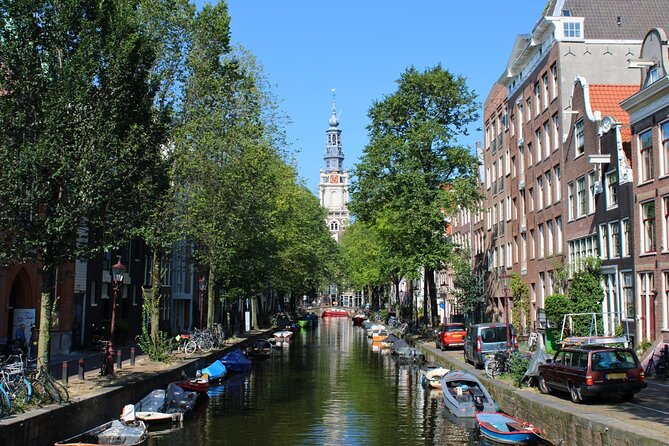
- 1) Weeping Tower: the painter-eye viewpoint
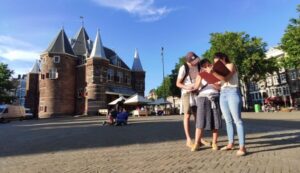
- 2) Nieuwmarkt: short stop, strong sense of place
- 3) Trippenhuis: Rembrandt connections plus Rijksmuseum context
- 4) South Church: Italian influence on Dutch technique
- 5) Museum Het Rembrandthuis: the art market story behind the painter
- 6) Oudemanhuispoort: Vermeer’s world and a Rijksmuseum collection tie-in
- 7) Staalstraat: a French painter’s inspiration and local industry
- 8) Tivoli Doelen Amsterdam Hotel: Frans Hals and a rare local artwork
- 9) Blauwbrug: painter connection plus a classic view
- Why the guide’s style matters more than you’d think
- Photo opportunities and timing: how to get the shots without falling behind
- Is it worth adding the Rijksmuseum ticket after this?
- Who this walking tour suits best
- Quick practical tips before you go
- Should you book Rembrandt & Van Gogh Amsterdam?
- FAQ
- How long is the Rembrandt & Van Gogh Amsterdam walking experience?
- Is the tour small-group or private?
- What language is the tour offered in?
- Where does the tour start and where does it end?
- Is the Rijksmuseum included in the price?
- Are admissions for the stops included?
- What do I need for the tour ticket?
- Can I get a full refund if I cancel?
- Are service animals allowed?
Key highlights worth planning around
- A route built for orientation: you cover central landmarks while learning why artists cared about these spots.
- Small group size (max 15): more personal questions and a calmer pace.
- Plenty of photo-ready viewpoints: multiple short stops mean lots of chances to frame the city.
- Art connections in real locations: stops tie Rembrandt, Vermeer, Frans Hals, and other influences to specific buildings and corners.
- Fast, focused timing: each stop is about 10–15 minutes, so you stay on energy without rushing.
- Mobile ticket included: you can keep everything handy on your phone.
A smart two-hour art walk: what you’ll actually get
This tour is built for momentum. In about two hours, you’ll cover a string of central Amsterdam locations tied to major names in Dutch art and the European influences behind them. Each stop is short, but that’s the point: you learn enough to make the city click, then move on before you lose attention.
I like that the tour keeps the learning practical. You’re not just hearing dates and labels. You’re seeing a place and getting the reason it mattered to painters. That’s what turns a normal street walk into a map you can remember later.
Another plus: it’s offered in English, and it’s capped at 15 people, which helps the guide keep track of the group. In the feedback I read, guides were able to explain clearly and adapt to individual needs, including people who are hearing impaired. If you value a guide who talks directly and at a comfortable pace, this format tends to work well.
You can also read our reviews of more walking tours in Amsterdam

The route starts at Prins Hendrikkade 95, then ends at Blauwbrug
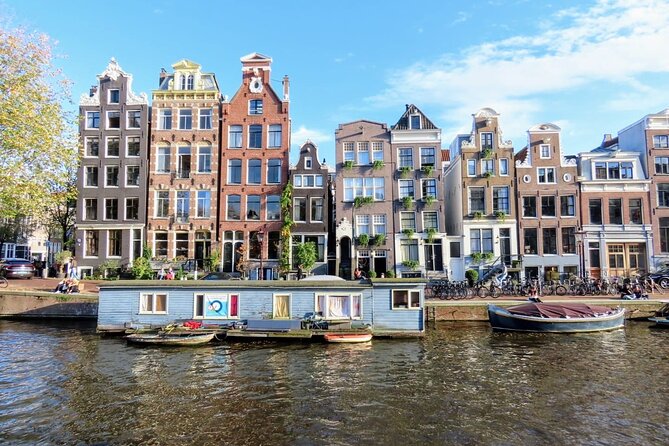
The meeting point is Prins Hendrikkade 95, 1012 AE Amsterdam. The tour ends at Blauwbrug, 1011 PT Amsterdam, right in the center between Rembrandt Square and Waterloo Square. That matters because you’ll finish in a prime area for your next move, whether you’re heading for the Rijksmuseum, a canal cruise, or a late lunch.
Because the end point is central, you’re less likely to feel trapped at the far edge of the city. It’s a clean “start here, end here” walk that fits well into a first full day in Amsterdam.
One small practical note: people sometimes find meeting points confusing in busy centers. If that happens to you, keep a calm head and give yourself a few minutes extra to locate the correct corner. When you’re on a tight time budget, those minutes buy peace.
Stop-by-stop: what each landmark adds to the art story
1) Weeping Tower: the painter-eye viewpoint
You begin with the Weeping Tower, where the focus is on the kinds of scenes that captured renowned painters. Even though the stop is brief, it’s a strong opener because it teaches you to look. You’ll notice how a viewpoint can become an artist’s subject, not just scenery.
This is also a great “warm-up” moment. You’ll settle into the tour rhythm, and you get an early set of photo angles before the route tightens into tighter urban corners.
2) Nieuwmarkt: short stop, strong sense of place
Next up is Nieuwmarkt. The tour keeps the same tempo: a quick stop that connects what artists saw with what you can see now. Nieuwmarkt is central and busy, so photos here are best when you aim for composition first and people second.
If you’re prone to overthinking photos, use this stop to grab a couple of frames fast. The tour’s structure is built to keep you moving, and that makes you less likely to lose time.





3) Trippenhuis: Rembrandt connections plus Rijksmuseum context
At Trippenhuis, the tour ties Rembrandt to the place—so you’re not floating in vague art talk. There’s also guidance on the Rijksmuseum’s history, including notable figures who once walked its halls.
Why this stop matters: it helps you understand the big picture before you pay for the museum. Even if you end up going to the Rijksmuseum later the same day, you’ll recognize more than you would from ticket entry alone.
4) South Church: Italian influence on Dutch technique
The South Church stop brings in a key idea: 17th-century Dutch painting wasn’t made in isolation. Here, you’ll look at the influence of Italy on Dutch artists and the technique that helped them become famous.
This is one of those spots where the guide’s explanation can make later museum viewing easier. You’ll start thinking about method, not just subject matter. That’s a shift that many people find refreshing.
5) Museum Het Rembrandthuis: the art market story behind the painter
At Museum Het Rembrandthuis, the tour focuses on Rembrandt’s former home and links his rise to the Dutch art market. This is important because it explains why art boomed where it did. It’s not only talent; it’s patrons, demand, and a market that rewarded certain kinds of work.
Even though you only spend about 15 minutes here, you get the thread you’ll want later if you visit the Rijksmuseum. You’ll know what to look for in terms of success, not just style.
6) Oudemanhuispoort: Vermeer’s world and a Rijksmuseum collection tie-in
At Oudemanhuispoort, you connect to the world of Vermeer. There’s also a mention of a famed collection now on display at the Rijksmuseum—a clue that makes the museum feel like a continuation instead of a separate day plan.
This stop is short (around 10 minutes), so treat it as a preview. Don’t expect an in-depth lesson. Expect pointers that shape how you see later.
7) Staalstraat: a French painter’s inspiration and local industry
The Staalstraat stop looks at which French painter drew inspiration from artistic giants tied to this route. It also touches on one of Amsterdam’s thriving industries, giving you a sense of why art ideas spread and took root in the city.
If you like the business side of art—who influenced whom, and why certain styles traveled—this is a good stop. If you prefer strictly art-for-art’s-sake, you’ll still get enough context to keep it interesting.
8) Tivoli Doelen Amsterdam Hotel: Frans Hals and a rare local artwork
At Tivoli Doelen Amsterdam Hotel, you’ll hear the story behind the only painting Frans Hals is connected to that was created in Amsterdam (as described on this route). The stop also points to the building’s role as a former headquarters.
This is a fun “fact you’ll remember” moment. Even if you’re not an expert, this kind of specific story gives your brain something solid to hold onto later when you see paintings by these artists.
9) Blauwbrug: painter connection plus a classic view
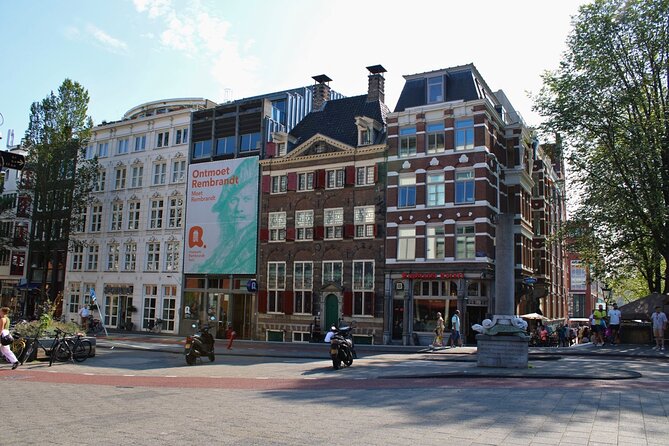
The tour finishes at Blauwbrug. This is a short stop with a big payoff: you’ll learn what painter used to paint here and you’ll get one of the breathtaking vistas that makes Amsterdam famous.
Because this is the end point, you can linger after the tour if you want. Use the last minutes to grab your best final photos, then decide where to go next.
Why the guide’s style matters more than you’d think
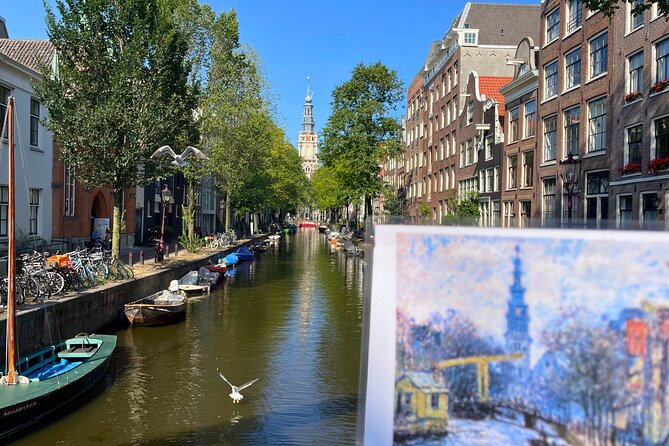
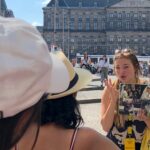
The best part of this kind of art walk is how a guide turns a street into a story. In the feedback I reviewed, the guide used pictures to connect artists to places, which makes the whole experience easier to follow. That’s especially useful if you’re not an art-history person.
There’s also a practical human element. One guide, Manouk, came across as upbeat and prepared, and she took time for conversation. If you’re someone who likes asking questions (or just wants a guide who explains in plain language), the small-group format helps a lot.
And if you have hearing needs, pay attention to how clearly the guide communicates. In the feedback I saw, the guide made sure speech was clear and directed, which improved understanding. That kind of care is a real quality signal.
Photo opportunities and timing: how to get the shots without falling behind
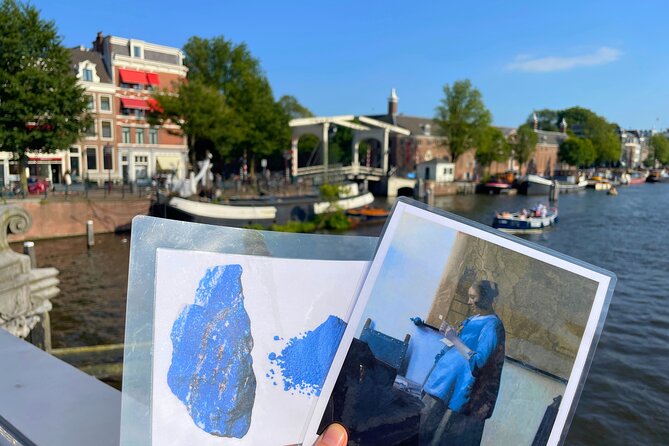
The route is short-stop paced: each location is about 10–15 minutes, with a couple around 10 and others around 15. That schedule is ideal for photography because you get repeated chances at different angles and viewpoints.
Here’s how to handle it smoothly:
- Treat the first few stops as practice frames.
- At each stop, aim for one wide city shot and one tighter composition.
- Keep your phone ready; don’t stop filming to search for the next spot.
If you do enjoy photos, this tour is set up for you. If you hate waiting in crowds, you’ll still enjoy it because the stops aren’t long enough for you to get exhausted.
Is it worth adding the Rijksmuseum ticket after this?
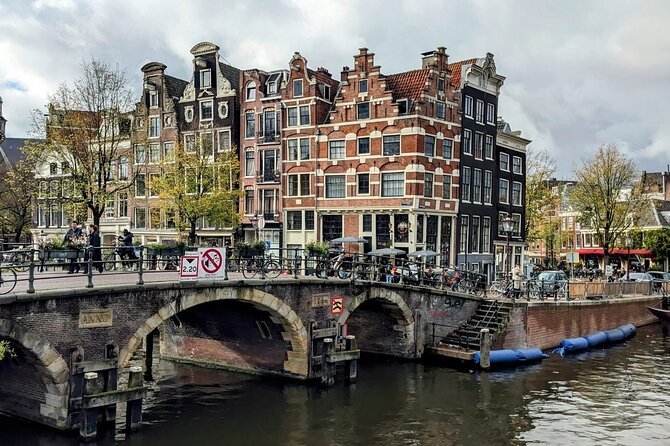
The Rijksmuseum ticket is not included. The tour notes it costs €22.50 per person. That might sound like a separate expense, but it’s also what makes the walking portion valuable.
Think of this tour as the prequel. You’ll get the names, the locations, and the connections first, then the museum becomes easier to navigate emotionally. When you walk through the Rijksmuseum after, you’re not starting from scratch.
If you’re budgeting hard, you can also skip the museum and just enjoy the walk. But if your goal is to understand Rembrandt-era Dutch painting, paying for Rijksmuseum time later is often the logical next step.
Who this walking tour suits best
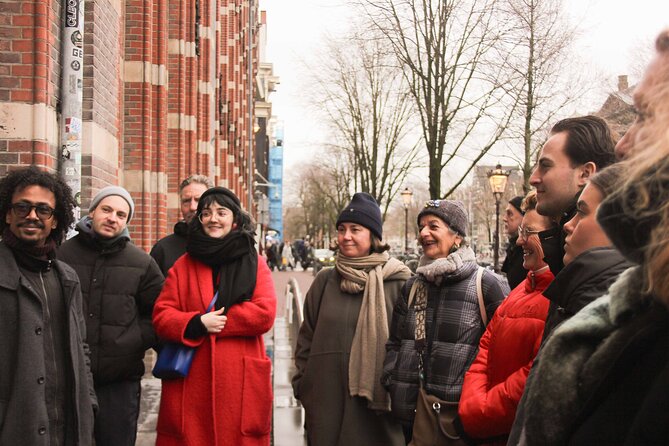
This is a great fit if:
- You’re an art fan who wants context tied to streets, not only galleries.
- You’re visiting Amsterdam for the first time and want help with geography and orientation.
- You like a small group setting where you can ask questions without being lost in the crowd.
- You want a tour that moves at a human pace and still feels structured.
It can be less ideal if you want long museum visits or a slow, unstructured stroll with lots of free time. The design here is efficient. You trade depth-in-one-place for depth-in-connection.
Quick practical tips before you go
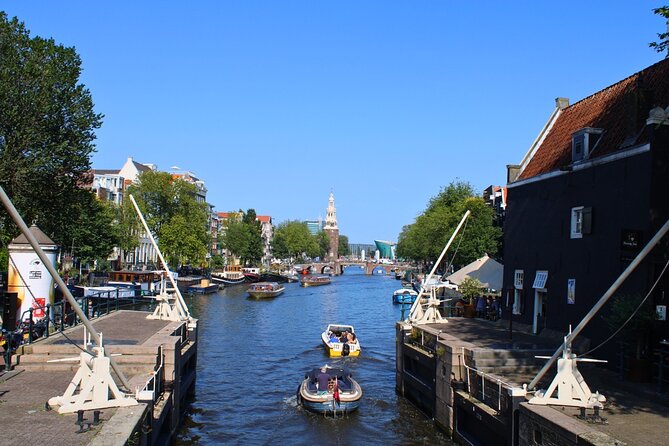
- Wear comfortable shoes. The tour is built on walking between stops.
- Bring your phone for photos and the mobile ticket.
- If you plan to visit the Rijksmuseum after, consider holding your energy for the museum day. This walk sets up what you’ll enjoy.
- If you’re traveling with anyone who has hearing needs, it’s smart to choose tours where the guide communicates clearly. This one is designed for a smoother, more attentive group experience.
Should you book Rembrandt & Van Gogh Amsterdam?
I’d book it if you want a smart, art-focused Amsterdam primer that helps you understand why the city looks the way it does and why famous painters cared. The biggest value is the combination of small-group intimacy, strong story connections, and photo-friendly stops that also help you orient yourself.
Skip it only if you prefer a museum-heavy schedule with longer indoor time, or if two hours of walking doesn’t sound like your thing. For most art lovers landing in central Amsterdam, this is a very efficient way to turn a first city stroll into a memorable art education.
FAQ
How long is the Rembrandt & Van Gogh Amsterdam walking experience?
It’s approximately 2 hours.
Is the tour small-group or private?
It’s a small-group tour with a maximum of 15 travelers.
What language is the tour offered in?
The experience is offered in English.
Where does the tour start and where does it end?
It starts at Prins Hendrikkade 95, 1012 AE Amsterdam and ends at Blauwbrug, 1011 PT Amsterdam.
Is the Rijksmuseum included in the price?
No. The Rijksmuseum ticket is not included, and it’s listed as €22.50 per person.
Are admissions for the stops included?
The stops listed on the route show admission ticket as free.
What do I need for the tour ticket?
You’ll receive a mobile ticket.
Can I get a full refund if I cancel?
Free cancellation is available up to 24 hours in advance for a full refund.
Are service animals allowed?
Yes, service animals are allowed.