REVIEW · AMSTERDAM
Amsterdam: Guided Anne Frank Small-Group Walking Tour
Book on GetYourGuide →Operated by Empire Tours and Productions (Amsterdam) · Bookable on GetYourGuide
Anne Frank’s story hits hardest in the streets. This small-group walk connects Amsterdam landmarks to the Holocaust, with a guide who keeps it clear, respectful, and human. Two hours is the sweet spot when you want meaning without dragging your feet all day.
I like how the tour starts at the Portuguese Synagogue (Esnoga) area, then threads through several memorials and historic Jewish sites, so you get context instead of a single-location visit. I also like that guides are praised for setting a steady pace and answering questions well, including multilingual options (English, Spanish). The one drawback to plan for: you do not go into the Anne Frank House, so if that’s your main goal, you’ll need a separate ticket.
In This Review
- Key moments you’ll remember
- Walking From Esnoga: where the route gains emotional momentum
- Libeskind’s Holocaust Memorial: when architecture does the explaining
- Wertheimpark’s Auschwitz Memorial and the broken-mirror symbolism
- Rembrandt House Museum stop: linking Amsterdam’s culture to the WWII story
- Zuiderkerk and tower views: Amsterdam’s changing faith in one church
- Anne Frank Statue: a meaningful ending without entering the House
- What two hours feels like in real life (pace, questions, and weather)
- Price and value: why $30 can make sense here
- Who this tour fits best (and who should choose differently)
- Booking checklist: show up ready and you’ll enjoy it more
- Should you book this Anne Frank walking tour?
- FAQ
- Where is the meeting point?
- How long is the tour?
- What languages is the live guide available in?
- Does this tour include entry to the Anne Frank House?
- Is the Portuguese Synagogue included inside the tour?
- How much does it cost?
- Is food or drinks included?
- Is the tour wheelchair accessible?
- What should I bring?
- Can I get a refund if my plans change?
Key moments you’ll remember
- Esnoga façade + synagogue details you can’t see from inside (wooden vaults, historic preservation without modern light/heating)
- Daniel Libeskind’s Holocaust Memorial design and the meaning behind what you’re seeing
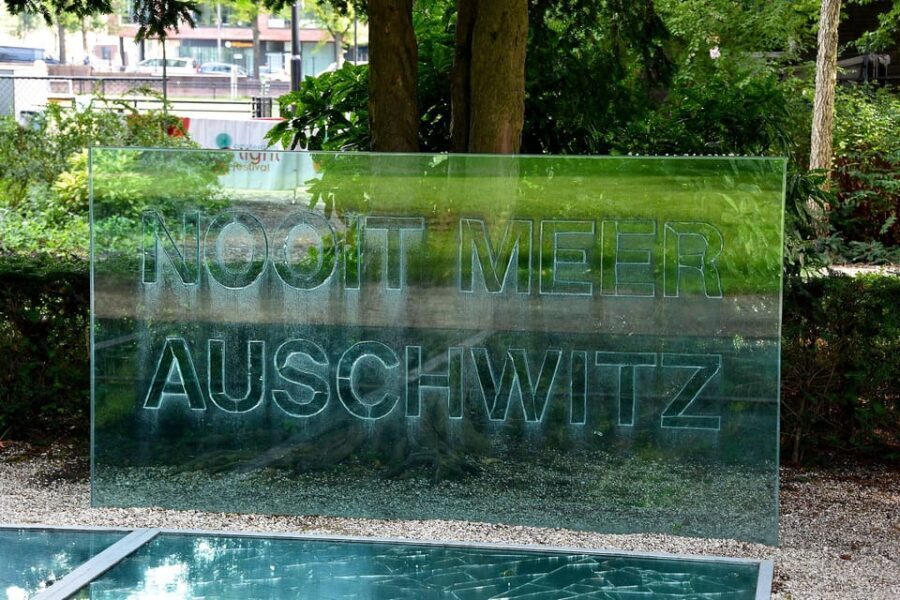
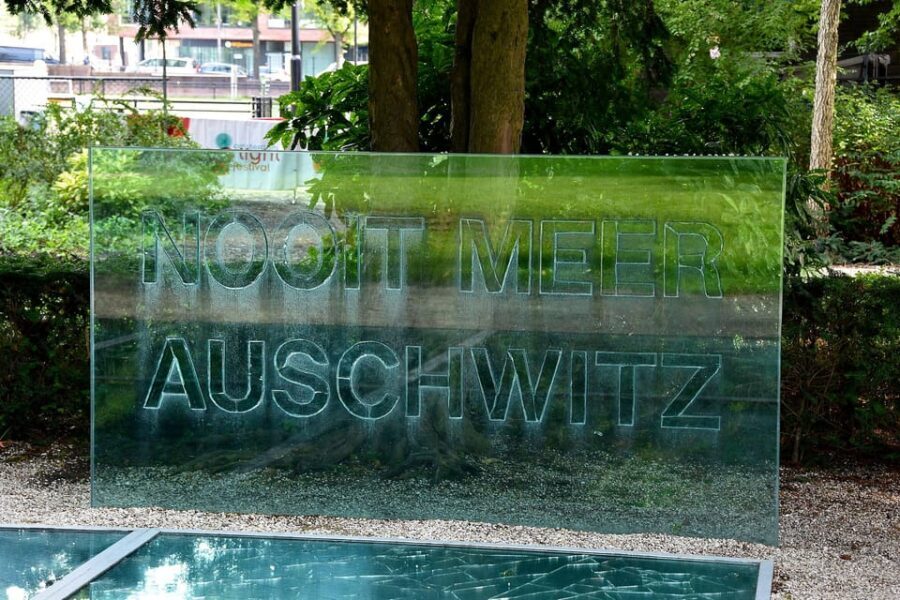
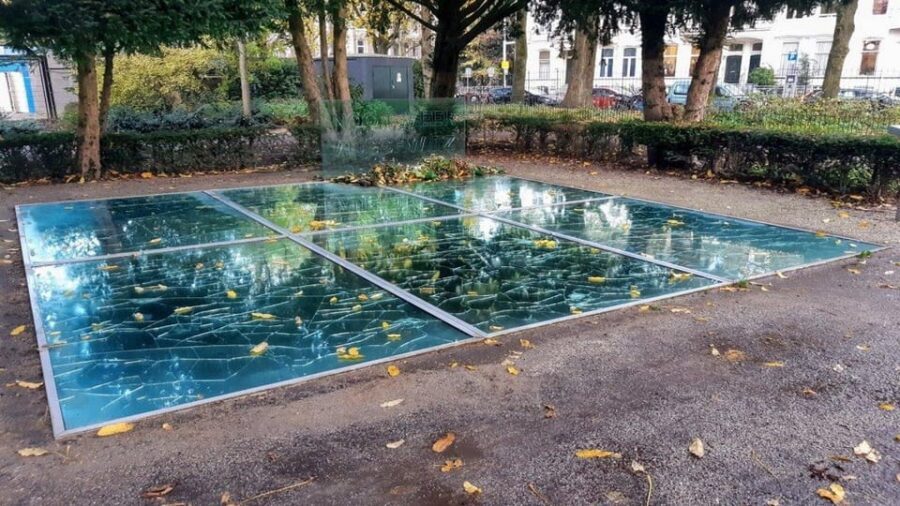
- Jan Wolkers’ Auschwitz Memorial mirrors that break light into fragments, matching the symbolism of shattered lives
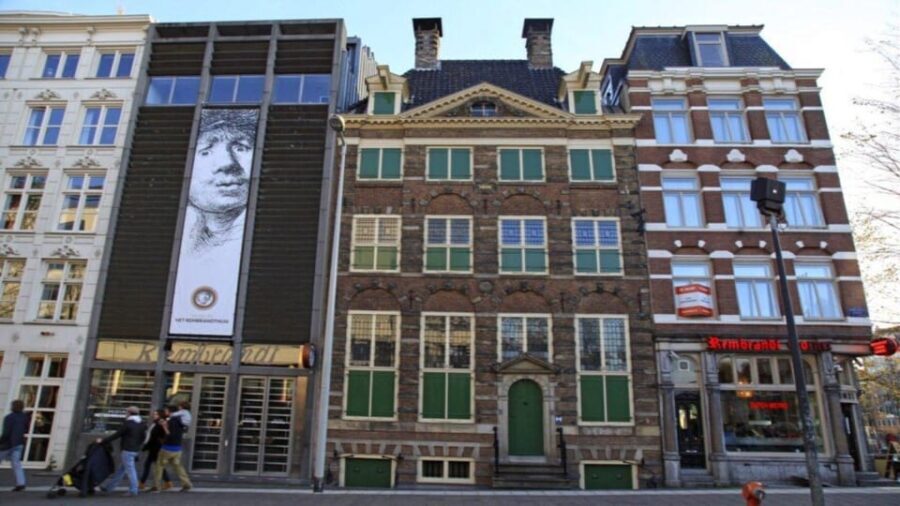
- Rembrandt House Museum area stop that grounds WWII tragedy in Amsterdam’s long cultural timeline
- Zuiderkerk tower viewpoints and the story of religious change in the city
- Anne Frank Statue near the House as a thoughtful final note, even without entry
Walking From Esnoga: where the route gains emotional momentum
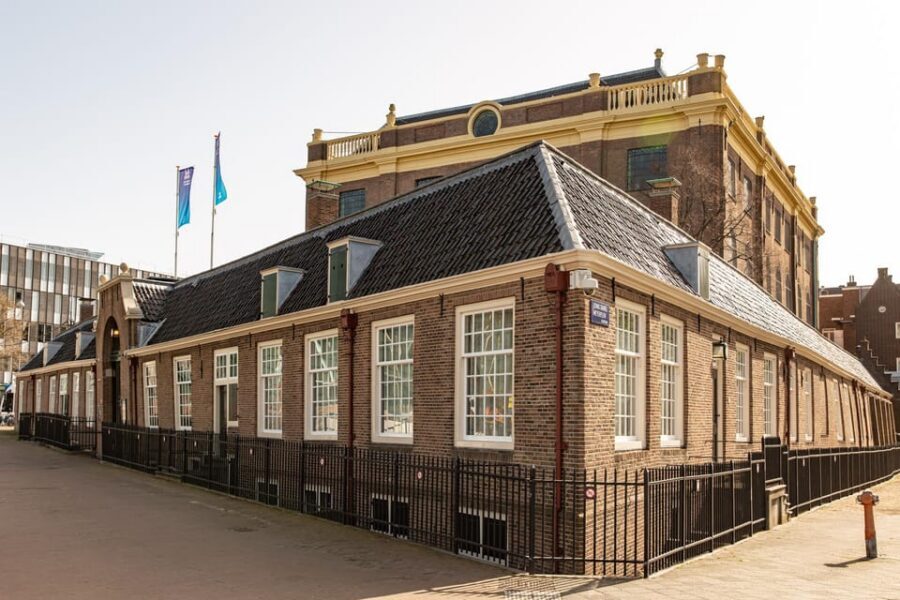
Your tour begins in Jonas Daniël Meijerplein square, right in front of the Portuguese Synagogue, the Esnoga. The meeting point is easy to miss if you’re casually drifting: look for the large dockworker statue in the square, then wait there for your guide.
I like this start because it immediately places you in Amsterdam’s Jewish Quarter area, not in a generic city-center mood. Even though you explore the synagogue from outside, your guide puts real visual meaning on what you’re looking at. Expect the tour to explain what the building is known for: its 17th-century Sephardic roots, the famous wooden vaulted ceilings, and the fact it was preserved without modern light or heating to keep the original character intact. That framing matters. It turns a pretty façade into a piece of lived history—one with a before and an after.
And yes, the subject is heavy. But the way the route is structured helps you absorb it in chunks. You’re not just walking from one sad marker to another; you’re building a map of history.
You can also read our reviews of more walking tours in Amsterdam


Libeskind’s Holocaust Memorial: when architecture does the explaining

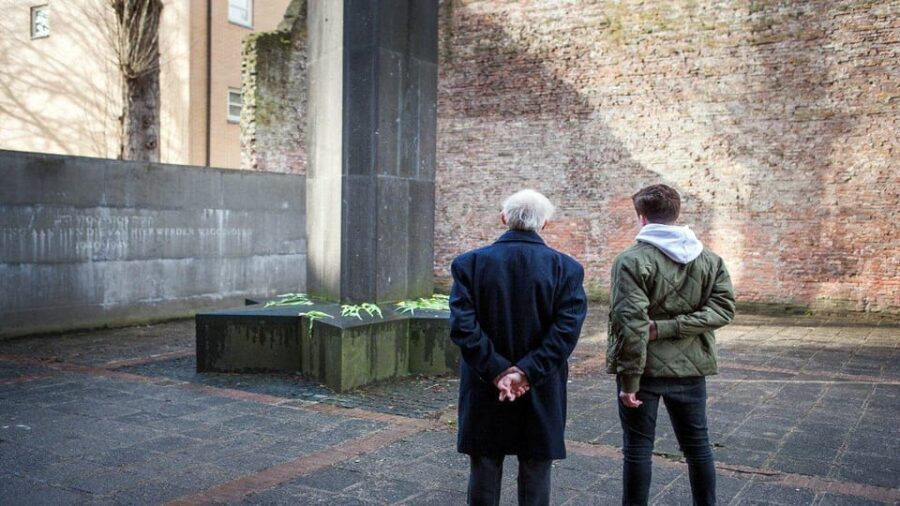
Next comes the Holocaust Memorial designed by Daniel Libeskind. This stop works because the guide isn’t treating it like a photo spot. Instead, it’s framed as an architectural homage to Dutch victims, and you’ll get context for how the memorial’s message is tied to its form.
The details you’re given here focus on meaning more than memorization. You’ll be shown what to notice, and why. If you like your history with your emotions turned up, this part tends to land hard in a good way—because architecture can communicate what words can’t.
One thing to keep in mind: the information you’re given indicates the memorial’s project was expected to reach completion, so depending on timing, you might see the design in a state of transition. Either way, don’t rush the moment. Pause, read, and let your guide connect the dots to what Amsterdam lost.
Wertheimpark’s Auschwitz Memorial and the broken-mirror symbolism
At Wertheimpark, the tour heads to the Auschwitz Memorial, created by Jan Wolkers. This is one of the most distinctive stops on the entire walk because of its simplest, strangest feature: broken mirrors.
Your guide explains the idea behind the mirrors reflecting the sky in fragments. It’s a visual metaphor that doesn’t need extra translation: shattered lives, fractured futures, and a world that can’t be made whole again. In practice, the symbolism becomes even stronger when you stand where you can look up at the sky catching light through broken pieces.
If you’ve ever felt that memorials are either too abstract or too literal, this one is a rare middle ground. The form is poetic, but the purpose is clear. It’s memorial art that forces you to slow down—without turning the moment into spectacle.
Rembrandt House Museum stop: linking Amsterdam’s culture to the WWII story
After the memorial stops, you’ll move into Amsterdam’s cultural spine with a visit area connected to Rembrandt House Museum. The tour is clear about what this place represents: Rembrandt’s life and work, and the preserved home/museum spaces where you can see things like etchings, personal items, and his painting techniques.
Even if you don’t treat yourself to extra museum time elsewhere in the city, this stop is valuable because it prevents the story from collapsing into only one time period. Amsterdam’s Jewish community didn’t appear out of thin air in 1940—it existed within a thriving culture. Rembrandt’s name acts like a bridge. You’re reminded that history is layered: art, daily life, and then persecution.
Practical note: the tour information you’ll get at this stop may include what you’d see inside the museum, not a full museum ticket visit (since only the historian guide is included, and Anne Frank House entry is explicitly not part of it). Either way, plan to spend a few minutes focused on what the guide points out rather than assuming you’ll be walking through galleries for an extended time.
Zuiderkerk and tower views: Amsterdam’s changing faith in one church
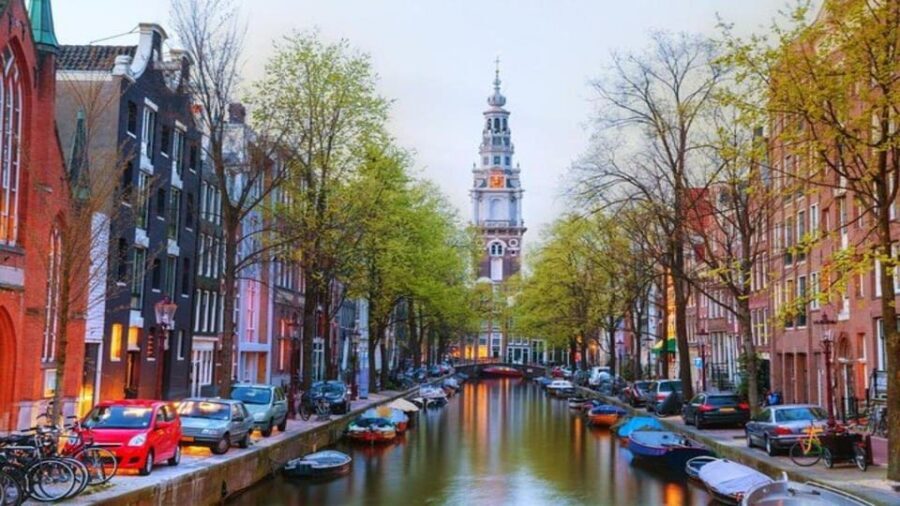
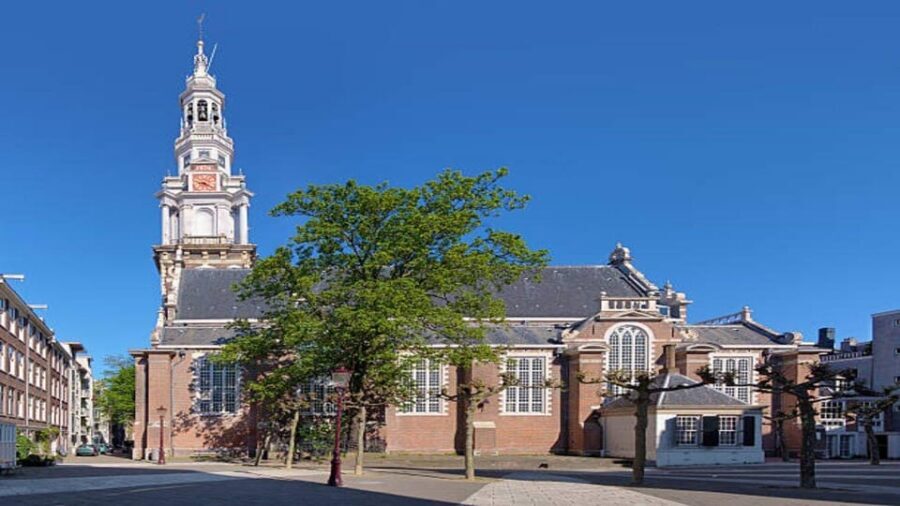
The route continues toward Zuiderkerk, Amsterdam’s first Protestant church. Even if you’re not chasing church interiors on vacation, this stop has value because it shows how Amsterdam evolved—religiously, architecturally, and politically.
You’ll be told it’s now a municipal information center, but the bigger story is the iconic tower. When your guide points out where to look, the tower becomes a way to understand the city’s layout and the way major buildings shaped neighborhoods.
And if you’re the kind of person who loves a good “wait, that explains the city” moment, Zuiderkerk is often where that clicks. You start seeing the city not just as canals and bikes, but as a place where power and identity were built into the skyline.
You can also read our reviews of more guided tours in Amsterdam




Anne Frank Statue: a meaningful ending without entering the House
The tour finishes with the Anne Frank Statue near the Anne Frank House. This ending works because it gives the day a moral focus. You’re not wrapping up with a random landmark; you’re closing the loop on Anne’s legacy.
Important detail for your planning: this tour does not start at the Anne Frank House, and the House entry itself is not included. You’ll still get the tribute and the context nearby, but if you want to actually go inside the Anne Frank House, you’ll need to buy tickets separately from the official website.
This can be a dealbreaker or a non-issue depending on your goal. If you want the full House experience, you can pair these two things neatly: use this walk for context and memorial understanding, then do the House at another time when you have the emotional bandwidth for it.
What two hours feels like in real life (pace, questions, and weather)
The duration is 2 hours, and that length is practical. It’s long enough for a meaningful story arc—Esnoga area, memorial sequence, then cultural and city-shape stops. It’s short enough that you won’t end up rushing through details or losing your attention before the emotional hits.
Guides are often praised for using a steady pace, keeping the narration engaging, and adapting to your questions. Names that come up in standout moments include Duncan, Ana Perez, Sunil, Stefan, Lola Stamboulian, Martina, and Julie. What they share in common is style: friendly explanations, humor used carefully (not to erase grief, but to keep you from going numb), and extra care when people ask follow-ups.
Weather is the one wildcard. Amsterdam can start fine and turn sideways fast, and it’s still a walking tour. Bring comfortable shoes and weather-appropriate clothing. If you run hot, expect you might still want layers you can remove.
Also, note the meeting point can be tricky if you’re not looking specifically for the dockworker statue. Give yourself a little buffer so you’re not stressed at the start—stress is the worst accessory for a tour like this.
Price and value: why $30 can make sense here
At $30 per person for a 2-hour expert historian tour guide, the price is hard to beat if you care about interpretation. This isn’t a tour that just points and moves on. You’re paying for someone to connect sites like Libeskind’s memorial, Wolkers’ mirrors, and the Zuiderkerk setting into a coherent story.
Is it expensive? Not really, when you compare the cost to getting one trained guide versus piecing it together on your own with limited context. It’s also budget-smart because your main museum-ticket requirement—Anne Frank House—will still be separate. You’re not paying for something you might not even use.
Where the price might not be the right match: if you only want the Anne Frank House itself, you’d be adding value you can get elsewhere by buying that ticket and spending your time there. But if you want the broader Amsterdam WWII-and-Jewish-quarter context, this is exactly the kind of tour that can turn a list of stops into a story you understand.
Who this tour fits best (and who should choose differently)
This walking tour is a strong fit if you:
- want a small-group feel instead of a huge crowd
- like your history explained in clear, story-driven steps
- care about Jewish heritage and how Amsterdam changed during WWII
- want a careful blend of memorial reflection and city landmarks
It may be less ideal if you:
- only want Anne Frank House entry and nothing else
- prefer long museum time over walking and quick context stops
- get emotionally overwhelmed quickly and need a lighter itinerary (you can still do it, but go in with realistic expectations)
Booking checklist: show up ready and you’ll enjoy it more
Here’s how to make the experience smoother:
- Meet early enough to find the dockworker statue in Jonas Daniël Meijerplein square without panic
- Wear comfortable shoes. The route is a walking tour, and Amsterdam ground is not always forgiving
- Bring weather-appropriate clothing. You’ll be outside for much of the time
- If Anne Frank House is your must-do, plan to buy that ticket separately from the official website
Language-wise, the tour is available in English and Spanish, with live guide narration.
Should you book this Anne Frank walking tour?
Yes, if you want an organized, respectful way to connect the dots between Amsterdam’s Jewish Quarter setting and the Holocaust legacy in public space. The stop sequence is strong: Esnoga area for context, Libeskind and Wolkers for memorial meaning, then Rembrandt and Zuiderkerk to remind you Amsterdam wasn’t only a tragedy—it was a culture with deep roots.
Book it especially if your time is tight and you want value per hour. And if Anne Frank House is the centerpiece for you, treat this as the context-builder that makes the House visit hit harder in the best way—because you’ll already understand what you’re standing beside.
FAQ
Where is the meeting point?
Meet in Jonas Daniël Meijerplein square, right in front of the Portuguese Synagogue (Esnoga). Look for the large dockworker statue. The address is Jonas Daniël Meijerplein 21, 1011 RG Amsterdam.
How long is the tour?
The walking tour lasts about 2 hours.
What languages is the live guide available in?
The tour is offered with a live guide in English and Spanish.
Does this tour include entry to the Anne Frank House?
No. Anne Frank House entry is not included, and tickets must be purchased separately on the official website.
Is the Portuguese Synagogue included inside the tour?
The tour explores the Portuguese Synagogue from the outside, with your guide explaining details about the synagogue and its preserved features.
How much does it cost?
The price is $30 per person.
Is food or drinks included?
No food and drinks are included.
Is the tour wheelchair accessible?
Yes, the tour is wheelchair accessible.
What should I bring?
Wear comfortable shoes and bring weather-appropriate clothing since you’ll be walking outdoors.
Can I get a refund if my plans change?
You can cancel up to 24 hours in advance for a full refund.