REVIEW · AMSTERDAM
Amsterdam Private Walking Tour of Famous Painters
Book on Viator →Operated by Snurk.Travel · Bookable on Viator
Art in Amsterdam is everywhere. It’s just waiting for context. This private walking tour strings together the Dutch Golden Age through the stories of famous painters, from Rembrandt to Frans Hals and Jan Steen, while you walk through compact neighborhoods that actually shaped their world.
I like the way the guide can tailor the route to your interests, whether you’re drawn to maritime trade routes or social themes like women’s rights—so the art feels connected to daily life, not museum trivia. And you get the comfort of a private setup, restricted to your group, which makes it easier to ask questions and move at a pace that suits you.
One consideration: the tour is short-stop walking (often about 15 minutes at a time), so it’s not built for long lingering or ticketed time inside every building. Also, Portuguese Synagogue entry is listed as not included, and coffee and snacks aren’t provided.
In This Review
- Key highlights you should care about
- Why this private “famous painters” walk makes sense in Amsterdam
- The pace: short stops, purposeful connections
- Meet Amsterdam at Amsterdam Centraal (and why the meeting point matters)
- St. Nicholas Basilica: faith, conflict, and what the Golden Age inherited
- In ’t Aepjen: Dutch drinking culture through Jan Steen and Frans Hals
- A short stop you can still make count
- Chinatown stop: a quick cultural breather in the middle of art talk
- Nieuwmarkt and De Waag: witches, punishments, and Rembrandt’s shadow
- Rembrandt House: the artist’s life, talent, and fate (and why it hits)
- Portuguese Synagogue and the Jewish quarter: diaspora traditions in real streets
- Included vs not included: what this tour gives you (and what you’ll handle)
- What you should bring
- When timing matters
- Price and value: $231.52 per person in a private format
- Who this tour is best for
- Should you book this private painters walk?
- FAQ
- What languages is the tour offered in?
- How long is the walking tour?
- Is this experience private?
- What is included in the price?
- Are any entrance fees included?
- Where does the tour start and end?
Key highlights you should care about
- Private, small-group style: only your group joins, so questions and pacing feel personal
- Dutch painters as a map: Rembrandt, Frans Hals, and Jan Steen are used to interpret the streets
- Religion and civil conflict context: St. Nicholas Basilica helps explain Catholic vs Protestant Amsterdam after the Eighty Years’ War
- Old wooden-house bar stop: in ‘t Aepjen brings drinking culture to life using painter-linked stories
- Jewish neighborhood focus ends the walk: Portuguese Synagogue area adds diaspora traditions and rights to the bigger Amsterdam story
Why this private “famous painters” walk makes sense in Amsterdam
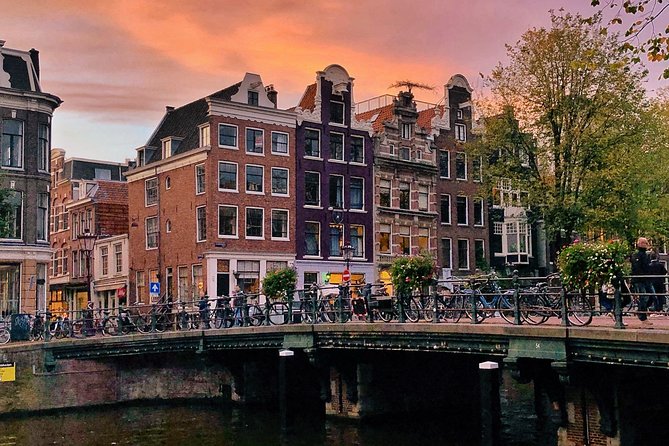
Amsterdam has a talent for hiding its meaning in plain sight. You’ll see canal views, church facades, and busy squares, but without context, it can feel like you’re only collecting pretty backdrops. This tour tackles that problem by using painters as the thread, so you learn how culture, politics, trade, and everyday habits shaped what artists painted.
Because it’s a private walking experience, you’re not stuck with a one-size-fits-all script. If your group cares more about social change than painting technique, you can steer the conversation. If you’re more interested in trade and city power, the guide can frame what you see through that lens. That flexibility is a big reason this kind of tour works as a practical introduction, especially if you plan to visit a museum like the Rijksmuseum later.
You can also read our reviews of more walking tours in Amsterdam



The pace: short stops, purposeful connections
Expect a steady walking rhythm and quick chapters at each location. Several stops are around 15 minutes, with one longer stretch near the Nieuwmarkt/De Waag area. That format is good when you want orientation fast. It’s not ideal if your travel style is slow and museum-like at every stop. If you’re the kind of person who likes to read every gravestone and linger in every shop window, you’ll probably want extra time on your own after the tour.
Meet Amsterdam at Amsterdam Centraal (and why the meeting point matters)
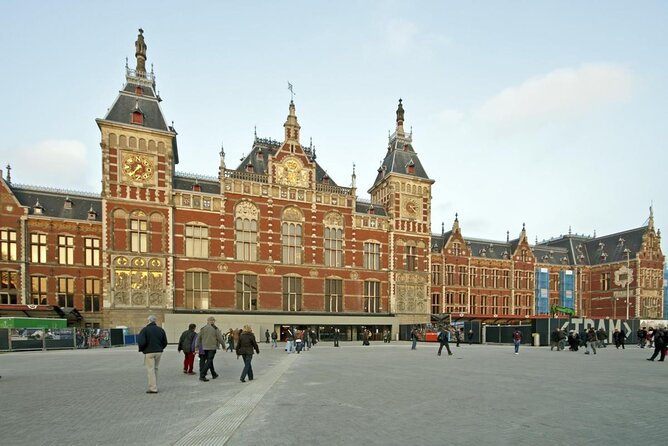
You start at Amsterdam Central Railway Station, at Stationsplein 13a. Even if you don’t go inside the station, it’s a fitting first stop because it signals how the city moves people and goods. It sets up the Golden Age theme right away: Amsterdam’s rise wasn’t only about artists and paintings. It was also about shipping, wealth, and the ability to organize a thriving urban life.
The meeting point also matters practically. It’s one of the most recognizable places in the city, so it’s easier to meet your guide, confirm the timing, and get your bearings without stress. If you’re traveling with teens or multiple generations, this kind of clear start helps everyone settle in quickly.
St. Nicholas Basilica: faith, conflict, and what the Golden Age inherited
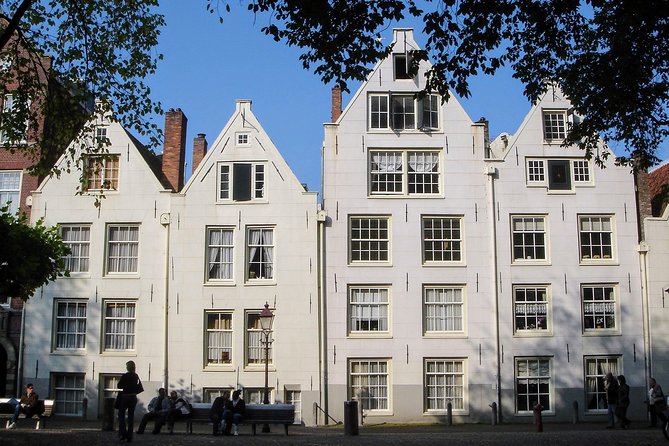
Next comes the St. Nicholas Basilica (St. Nicholas Cathedral). This church was built after the Golden Age, but that doesn’t make it a detour. The point is that you can’t understand art and society in Amsterdam without understanding religion and conflict—especially the results of the Eighty Years’ War.
The tour frames this stop as a place to compare Catholic and Protestant life and how those tensions shaped public choices. Even if you don’t plan to go deep on theology, it helps to know that Amsterdam’s art world developed in a society negotiating identity, power, and belief. You’ll leave with a better sense of why certain themes appeared and why patrons and public life influenced what artists could sell.
Tip for you: Look at the church as a historical anchor. Don’t treat it like a random pretty building—think of it as the backdrop to the civic and cultural mindset that later fueled Dutch painting.
In ’t Aepjen: Dutch drinking culture through Jan Steen and Frans Hals
Then you head to in ‘t Aepjen, an authentic bar housed in what’s described as the oldest wooden house in Amsterdam. This is one of those stops that makes the city feel human. Art history can sound formal, but drinking culture, games, and celebrations were part of how ordinary people spent their time—and painters like Jan Steen and Frans Hals were known for scenes that reflect those social worlds.
The tour uses this setting to discuss Dutch drinking traditions and national mentality, with the story illustrated by painter-linked references. So you’re not only tasting the vibe of a traditional place; you’re also learning why those recurring social scenes mattered to artists and audiences.
You can also read our reviews of more private tours in Amsterdam





A short stop you can still make count
This stop is only around 15 minutes. That’s enough to understand the theme and connect it to what you’re about to see next, but it’s not a full bar crawl. If your group wants drinks, you’ll likely need to do that after the tour. If you’re not into alcohol, you can still enjoy the storytelling side and the historical setting.
Chinatown stop: a quick cultural breather in the middle of art talk
After the bar stop, the route includes a stop in Chinatown. The tour time here is about 15 minutes and is described without heavy museum-style detail. That’s actually useful. After churches and painters and dense history, Chinatown acts like a breathing space—an opportunity to reset your brain and observe how Amsterdam layers cultures over time.
Even without specific art analysis at this stop, you’ll likely enjoy the change of scenery. It also helps you remember that Amsterdam isn’t stuck in the Golden Age. It keeps evolving, and that continuity is part of how the city stays interesting.
Nieuwmarkt and De Waag: witches, punishments, and Rembrandt’s shadow
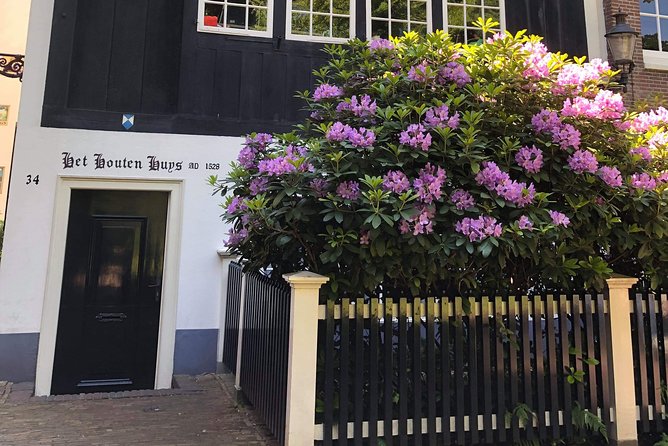
The longest middle section is near Nieuwmarkt and De Waag, with about 30 minutes here. This is where the tour leans into the darker, story-driven side of Golden Age life.
The area is framed as a place with mysterious secrets and myths. You’ll hear why it was popular among families for leisure time around the former anatomical theatre—then the conversation shifts toward witches, prisoners, and punishments. That sounds heavy, but the tour’s goal is to show how everyday public spaces could host both entertainment and fear, and how artists helped people process that world.
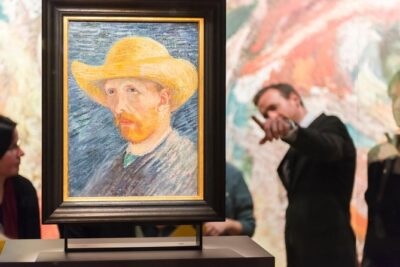
Rembrandt comes into the story here as well. The tour uses paintings by Rembrandt to connect the theme of the Golden Age street life to what people saw and believed. Whether you love paintings or just like understanding what inspired them, this is a strong section because it links art to real social tension.
Practical note: This is a good spot to slow your pace slightly, take a photo, and think about how the city’s public squares functioned back then. Even if you don’t remember every name, the atmosphere tends to stick.
Rembrandt House: the artist’s life, talent, and fate (and why it hits)
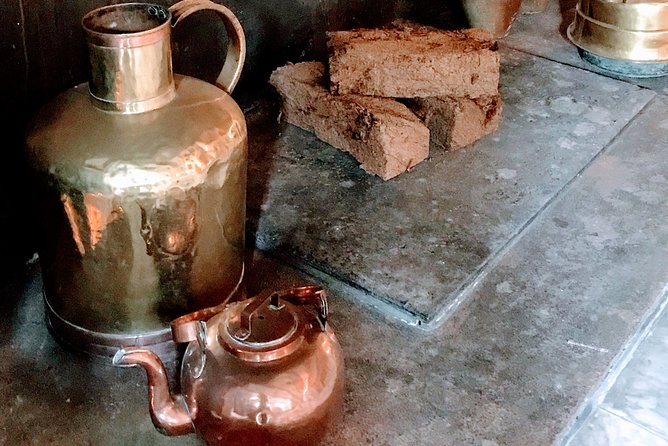
After De Waag, the tour makes a special stop at the Rembrandt house. The emphasis here is on Rembrandt’s life, talent, and fate—and on what mattered for every successful artist in the Dutch Golden Age.
This stop is different from the others because the goal isn’t only to point at a building. It’s to give you a framework for interpreting Rembrandt as both a talent and a person moving through a changing world. You’ll likely come away understanding that artistic success in that era wasn’t only about painting skill. It also depended on timing, patron relationships, and the shifting social climate.
If you’re planning museum time: This is the kind of stop that makes paintings feel less like isolated masterpieces. It helps you read them as documents of ambition, pressure, and identity.
Portuguese Synagogue and the Jewish quarter: diaspora traditions in real streets

The final chapter goes to the Portuguese Synagogue area in Amsterdam’s Jewish neighborhood. The tour describes this as a lovely, quiet district and points out nearby sights like the Jewish Historical Museum, the Portuguese synagogue itself, and the famous flea market.
Here, the storytelling focus shifts from Dutch Christian tensions to a wider view of how communities lived in Amsterdam—particularly the Jewish diaspora. You’ll learn about traditions, lifestyle, and rights, using the neighborhood setting to keep the story grounded.
The stop is about 20 minutes, and admission is not included for the Portuguese Synagogue. That matters because it changes how much time you can spend inside versus how much is spent outdoors and around the area. If you’re hoping for a full interior visit, I’d plan extra time before or after the tour so you’re not rushing.
Tip for you: If the synagogue interior is a priority, wear comfortable shoes and keep your schedule flexible. The area is calmer than some parts of central Amsterdam, so it’s a nice ending point if you still want to explore on foot afterward.
Included vs not included: what this tour gives you (and what you’ll handle)
This experience includes a guide, and you’ll use a mobile ticket. That’s it—no snacks, no coffee. On a 3-hour walk, that’s fine for most people, but plan accordingly.
Also note the admission pattern: several stops are listed with admission ticket free, while the Portuguese Synagogue admission is not included. For stops like Rembrandt house, the provided information doesn’t spell out extra ticket details, so treat that as an area where your final time plan could depend on what you want to do on the day.
What you should bring
- Comfortable walking shoes (you’ll be on your feet through multiple neighborhoods)
- A water bottle if it’s warm
- A small plan for coffee or snacks afterward, since none are included
When timing matters
The tour is about 3 hours. That’s long enough to connect multiple themes, but short enough that you can still do a museum visit the same day. One of the tour’s strengths is that it works well as an introduction before bigger museum time. If you’re going to the Rijksmuseum, this kind of thematic walk helps you notice the Golden Age details when you see the paintings later.
Price and value: $231.52 per person in a private format
At $231.52 per person, this isn’t the cheapest way to see Amsterdam. The value comes from what you’re buying: a private, themed walking tour with a guide built around Dutch painting history and the social forces behind it.
Here’s the value logic I’d use for your decision:
- You’re getting a guide who can connect multiple stops to artists you’ll likely recognize.
- The tour can be tailored to your interests, which is hard to get on generic group tours.
- You’re covering multiple neighborhoods in a short window, so it works as a high-impact primer.
If you were going to spend your time bouncing between sites with no storyline, you’d probably end up Googling anyway. This tour compresses that work into a guided route. If you love art but also want context—religion, trade, public life, even drinking culture—then the price starts to make sense.
If your goal is only photos and sightseeing, you might choose a cheaper general walking route. But if you want paintings to feel like they belong to the places you stand in, this is the kind of tour that tends to pay off.
Who this tour is best for
This works especially well if you:
- Want a practical art-and-history orientation before museum time
- Have mixed interests in your group (art, architecture, history, social themes)
- Prefer a private format where you can ask questions
- Like learning through stories tied to recognizable names like Rembrandt, Frans Hals, and Jan Steen
It’s also offered in English and Russian, which is a big help if your group wants to hear the story in a language that feels natural.
And yes, a personal detail from the tour’s strong feedback is that guides like Sasha and Diana are highlighted for doing a great job showing key Amsterdam highlights, including a strong fit as a prelude to major museum visits. That matters because good guiding changes the whole experience from seeing to understanding.
Should you book this private painters walk?
I’d book it if you want your Amsterdam to have a storyline, not just landmarks. The painter theme gives you a smart way to make sense of the Golden Age, and the route connects religion, public life, and social customs to the artwork names you’ll keep seeing around town.
I’d think twice if you:
- Want lots of long indoor visits during the tour itself
- Are very sensitive to short stops and prefer long stays in fewer places
- Expect coffee or snacks to be included
- Are planning to rely on the Portuguese Synagogue entry without budgeting for it
If you’re flexible, comfortable walking, and excited to understand why these famous Dutch painters painted what they painted, this private 3-hour tour is a solid way to start your Amsterdam art day.
FAQ
What languages is the tour offered in?
The tour is offered in English and Russian.
How long is the walking tour?
The duration is about 3 hours.
Is this experience private?
Yes. It’s a private activity restricted to your own group.
What is included in the price?
A guide is included. You’ll also receive a mobile ticket.
Are any entrance fees included?
Several stops are listed as free admission, but admission to the Portuguese Synagogue is not included.
Where does the tour start and end?
It starts at Amsterdam Central Railway Station (Stationsplein 13a, 1012 AB Amsterdam) and ends at the Portuguese Synagogue of Amsterdam (Mr. Visserplein 3, 1011 RD Amsterdam).