REVIEW · AMSTERDAM
Amsterdam’s Countryside Half-Day Bike Tour in Small Group
Book on Viator →Operated by We Bike Amsterdam · Bookable on Viator
Polders by pedal power. This half-day ride is a smooth way to get out of Amsterdam fast, with a small group cap of 11 and a mid-tour break in Holysloot for famed apple pie at het Schoolhuis. I also like how the route is built so you see places that are harder to spot on your own, like the oldest tower in the area at Ransdorp and a working windmill pass at the end. One thing to consider: you’ll be cycling with city traffic at the start, so if bikes in busy streets stress you out, plan to go in calm and focused.
The whole experience orbits Waterland, north of Amsterdam, where you ride through flat polder fields and farmlands that sit below sea level. Along the way, you learn the practical Dutch side of living with water—how fishermen communities and dike systems shaped daily life.
It runs about 4 hours, and the structure matters. You get a guided pace that keeps the group together, helmets and bikes are provided, and the stops are timed so you’re not stuck waiting. You’ll still feel the wind out there, though, so it helps to dress for it.
In This Review
- Key things that make this ride work
- Why Waterland feels like the real Netherlands
- Getting started at Spuistraat and staying safe on two wheels
- The ride rhythm: fast out of town, then open road
- Holysloot: apple pie fuel and a stop that feels local
- Ransdorp tower and the Dutch-Spanish 80-years war angle
- Krijtmolen d’Admiraal: the windmill pass that closes the loop
- Why the guide’s storytelling changes the whole tour
- Weather, wind, and what to wear for a smooth ride
- What you’re really paying for at about $48.37
- Who should book this and who should skip it
- Should you book the Amsterdam countryside half-day bike tour?
- FAQ
- How long is the Amsterdam countryside half-day bike tour?
- How much does the tour cost?
- How many people are in the group?
- What language is the tour offered in?
- What fitness level do I need?
- What’s included in the price?
- Is the apple pie included?
- Where does the tour start and end?
- Is the meeting point near public transportation?
- What happens if weather is poor?
Key things that make this ride work
- Small-group energy (max 11): fewer stops for regrouping, more chances to ask questions.
- Water management stories in real places: polder farms, fishermen villages, and village landmarks you can actually point at.
- Het Schoolhuis apple pie stop in Holysloot: a set break (about 30 minutes) that feels like a mini cultural detour.
- Ransdorp tower photo moment: a quick history stop tied to the 80-years war between Holland and Spain.
- Krijtmolen d’Admiraal windmill pass: you finish with a scenic, classic Dutch landmark from 1792.
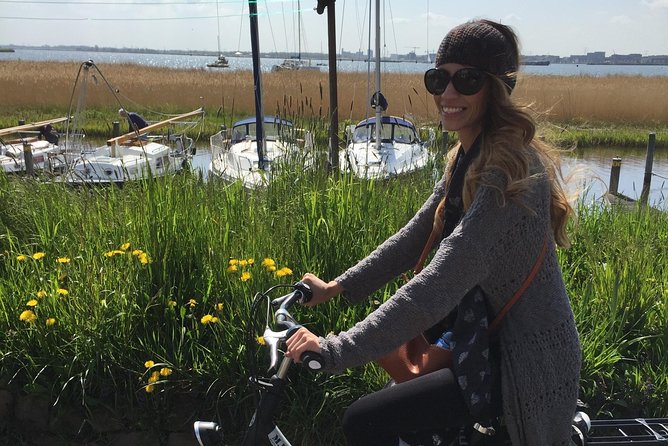
- Mostly flat, easy-going cycling: great for casual riders, with only a short, potentially busier city segment up front.
Why Waterland feels like the real Netherlands
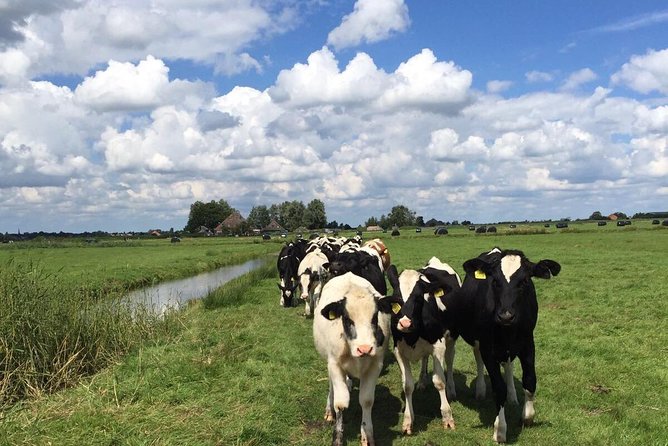
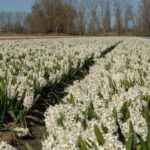
Amsterdam is built on canals, but Waterland is built on water planning. When you head north into this region, you start seeing the polder logic everywhere: low fields, wide views, and the sense that the landscape is shaped by dikes and canals as much as by farming.
I love this angle because it changes the way you read the Netherlands. Instead of just looking at pretty rural scenes, you get a clear explanation of how people manage life below sea level—especially in older fishing communities where water wasn’t just scenery; it was part of the job.
And you’re not just riding through open space. You roll through village areas with real history, including stop time for landmarks like the Ransdorp tower and the windmill pass at Krijtmolen d’Admiraal. That blend of countryside and place-based stories is what turns a bike ride into a real trip.
You can also read our reviews of more cycling tours in Amsterdam
Getting started at Spuistraat and staying safe on two wheels
The tour meets at Spuistraat 30, 1012 TS Amsterdam, starting at 9:30 am, and it ends back at the same point. The operator uses a mobile ticket, and the meeting point is near public transportation, which is a big help in a city where getting “one direction wrong” can waste time.
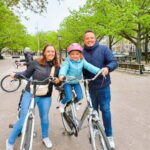
You’ll also get the practical basics sorted. Bikes and helmets are included, so you don’t have to hunt down rentals or scramble for gear. That matters more than you’d think—Amsterdam cycling is easy when your bike fits you, your helmet is actually comfortable, and you aren’t worrying about setup.
One real-world caution: even though the ride is mostly flat, the beginning includes some city cycling before you fully transition to quieter roads. If you’re a nervous rider, go in with patience and keep your focus on staying smooth, not fast. People have said once you get out of town, traffic lightens and the ride feels much calmer.
The ride rhythm: fast out of town, then open road
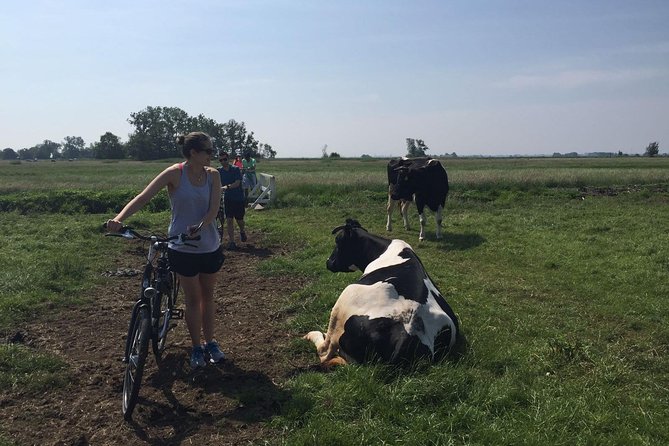
Most of the time here feels designed for momentum. You head away from the city, and the pace is set so the group stays together without turning into a spin class. With a maximum of 11 people, you’re not fighting for space every time the group slows.
You might also notice a short “getting there” sequence that can include a ferry crossing before you fully settle into the countryside stretch. That’s not the highlight, but it’s part of the practical flow: it helps the route reach the right rural areas north of Amsterdam.
Cycling conditions are also very “Dutch” in their predictability. The ride is described as flat, and wildlife spotting comes up in the experience—so when you see a bird or a sudden view opening, it doesn’t come with a steep climb penalty. Expect wind, though. It can show up suddenly in open areas, so windproof layers help.
Holysloot: apple pie fuel and a stop that feels local
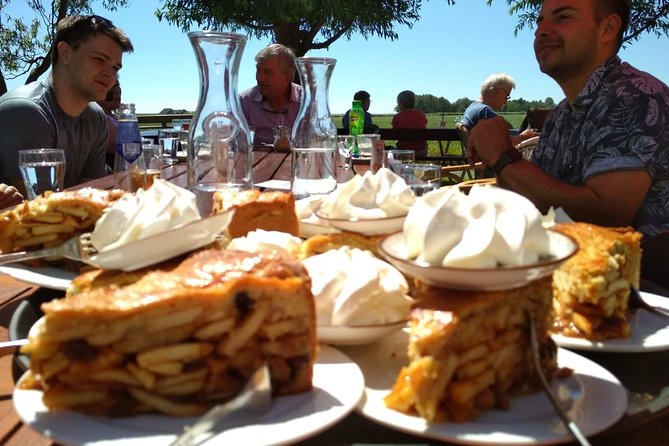
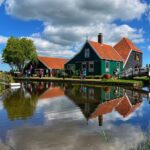
About halfway through, you reach Holysloot, a tiny farmer’s village in the middle of the countryside. This is the main comfort stop—around 30 minutes—and it’s built around het Schoolhuis, located in the former school of the village.
What makes this pause special is that it isn’t just “a snack break.” You’re given time to step away from the bike, sit down, and reset. The apple pie here is described as world famous in the area, and the tour guide points you toward it as the classic choice.
Admission to this stop is free, and apple pie is optional at your own expense, so you control how you want to spend. My practical take: if you skip it, you’ll still enjoy the village break—but if you want the full local experience, plan on trying at least a slice. The pie is also a smart ride strategy. After a short countryside stretch, sugar and warmth can turn the last part of the tour into an easy cruise.
Ransdorp tower and the Dutch-Spanish 80-years war angle
Next comes Ransdorp, with a stop time of about 15 minutes. This is a “quick and meaningful” stop: you get a chance to learn why the area matters and to see the tower of Ransdorp, noted as the oldest building in the region.
You’ll also hear the context around the 80-years war between Holland and Spain. Even in 15 minutes, this is the kind of history that sticks because it’s tied to something you can see—stone, height, and the reason a tower survived long enough to become a landmark.
Drawback? This is brief. If you want long explanations or extended wandering, this part won’t satisfy that. But for a half-day bike tour, it hits the sweet spot: enough time to understand, snap a photo, and get back on the bike while you still feel fresh.
You can also read our reviews of more tours and experiences in Amsterdam

Krijtmolen d’Admiraal: the windmill pass that closes the loop
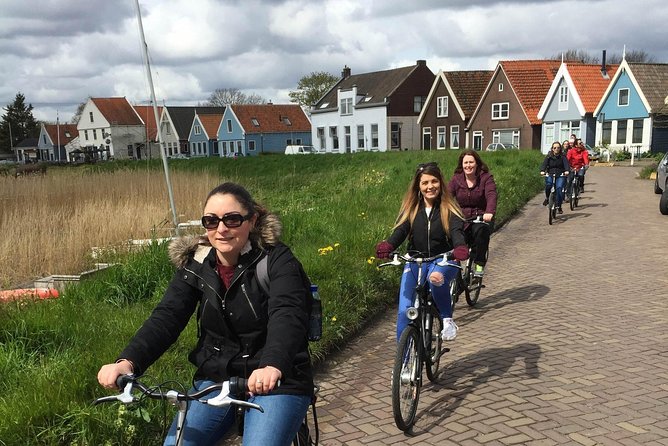
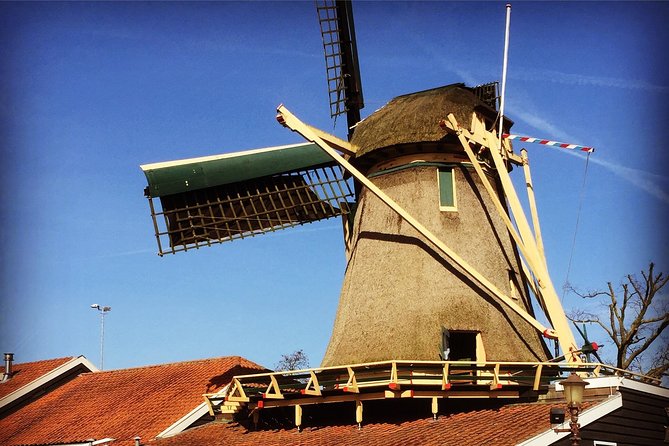
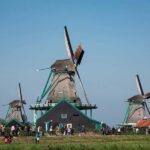
Near the end, you pass by Krijtmolen d’Admiraal, a windmill from 1792. The stop time is around 15 minutes, and it’s mainly a scenic end-cap, with a bit of industry context about how windmills supported older milling work in Holland.
This works well because it’s a visual “finish line” for everything you learned about water control and land use. The Netherlands runs on systems—water systems, farmland systems, and historical mechanical systems. The windmill ties that theme together with a classic Dutch image you’ll recognize instantly.
If you’re the type who loves photos, this is the moment to slow down and look around. The windmill, the straight views, and the countryside setting create a strong final frame. If you’re not into photos, it’s still a good reset before you ride back toward the city.
Why the guide’s storytelling changes the whole tour
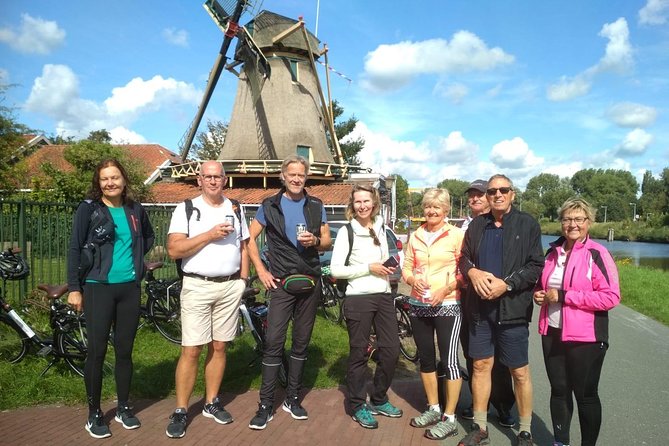
A lot of bike tours list stops. This one sells something else: clear explanations tied to what you’re actually riding past.
In the guide lineup, names like Pearse, Willem, Sem, Sumi, Sipco, Benjamin, Astrid, Veronica, Julian, Pierce, and James show up in what people praised. The consistent theme is that the guides bring the scenery to life with enthusiasm and answer questions without making you feel rushed.
That matters for you because Waterland can feel “flat and wide” at first glance. The guide turns that into meaning. When someone explains dikes, fishermen villages, and how people live below sea level while you’re rolling past it, the scenery becomes easier to remember later.
Also, group management is a big deal. More than one person noted a relaxed, appropriate pace—even when the group included riders ranging from younger kids to older adults. In real terms, it means you’re less likely to get left behind and more likely to feel safe and included.
Weather, wind, and what to wear for a smooth ride
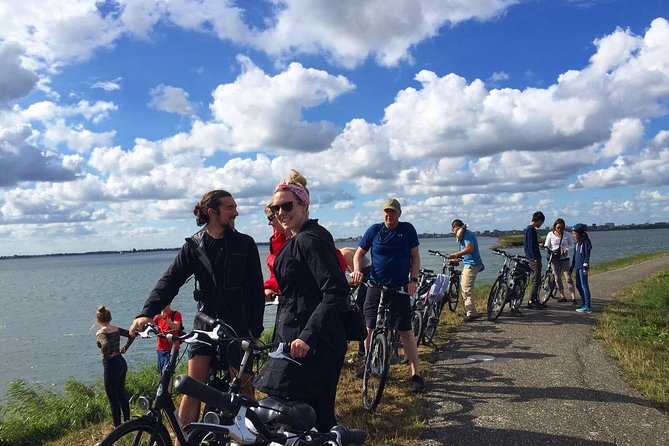
This experience depends on good weather, and that’s stated clearly. In practice, the countryside can still change fast, and wind is common out there.
Even with rain or gloomy weather, the tour can still feel great—people have done it in wet conditions and still called it worth it. The key is dressing for the outdoors, not for a museum.
My quick checklist for comfort:
- Wear layers you can adjust.
- Bring something windproof for the open sections.
- If it’s rainy, protect your hands and keep your phone safe (you’ll likely want photos at the tower and windmill).
If you hate cold damp air or you’re uncomfortable with changing weather, check the day-of conditions closely. Since the operator can reschedule if weather blocks the ride, it’s better to plan with flexibility.
What you’re really paying for at about $48.37
At $48.37 per person for a roughly 4-hour guided ride, the value comes from the package. You get a bike, a helmet, and a guide. You also get a route designed to reach the Waterland highlights without you needing map skills or the confidence to hunt down rural backroads.
You may still spend extra on coffee/tea (not included) and optional apple pie at your own cost. But the mid-tour apple pie stop is the one food add-on that feels built-in to the experience, not random.
A small-group cap adds more value than it sounds like. With fewer people, the tour feels less like a conveyor belt and more like a shared outdoor day. Since this tour is often booked about 33 days in advance on average, it also suggests it’s a popular way to do a countryside break without losing a whole day.
Who should book this and who should skip it
This tour is a great fit if you want:
- an easy-to-manage half day outside Amsterdam
- a guided, small-group ride
- countryside and village landmarks tied to real Dutch life—especially water management
It also works well for solo travelers. The small group format helps you feel like you’re not “riding alone,” and the pacing makes it easier to relax into the ride.
It may be less ideal if:
- you’re very new to cycling and city traffic makes you panic
- you don’t handle outdoor conditions well (wind and rain can happen)
- you’re looking for a long, wandering countryside hike instead of a bike-based route
Should you book the Amsterdam countryside half-day bike tour?
If you’re spending a few days in Amsterdam and want one half day that feels like the Netherlands beyond canals, I’d book it. The small group cap, the flat-feeling ride, and the planned stops at Holysloot, Ransdorp, and Krijtmolen d’Admiraal make it an efficient and memorable way to see Waterland.
Book it if you like practical history, enjoy cycling, and want a guide who can connect polder life to what you’re actually seeing. Skip it only if city riding makes you uneasy or you know you can’t dress for wind and weather.
FAQ
How long is the Amsterdam countryside half-day bike tour?
It runs for about 4 hours (approx.), with scheduled stops along the way.
How much does the tour cost?
The price is $48.37 per person.
How many people are in the group?
The tour is limited to a maximum of 11 travelers.
What language is the tour offered in?
It’s offered in English.
What fitness level do I need?
You should have moderate physical fitness.
What’s included in the price?
Included are the 4-hour guided bike tour in a small group, the guide, use of a bicycle, and use of a helmet.
Is the apple pie included?
No. The apple pie stop is available, but apple pie is optional and at your own expense.
Where does the tour start and end?
It starts at Spuistraat 30, 1012 TS Amsterdam, and ends back at the same meeting point.
Is the meeting point near public transportation?
Yes. The meeting point is near public transportation.
What happens if weather is poor?
The tour requires good weather. If it’s canceled due to poor weather, you’ll be offered a different date or a full refund.