REVIEW · AMSTERDAM
History & culture tour in Amsterdam with a local
Book on Viator →Operated by Guidance Travel · Bookable on Viator
Amsterdam makes sense on foot. On this local history and culture walk, you’ll connect major places across the city to what shaped Amsterdam over centuries, with a friendly small-group pace and an easy, human stop at a classic Dutch stroopwafel.
I like how practical it feels: no need to line up for a museum to understand the city. You just follow the route, listen to the why behind the where, and get a real sense of how the neighborhoods and landmarks fit together.
The only drawback is the timing. Each highlight is short—about 10 to 15 minutes—so if you want to linger, this is more about orientation and context than deep museum-style time.
In This Review
- Key highlights worth planning around
- Why This 2-Hour Amsterdam Walk Works for a First Day
- Beursplein: How Amsterdam’s Trading Story Begins
- Dam Square and the Royal Palace: Civic Power Meets WWII Memory
- Begijnhof: A Quiet Courtyard That Shows Amsterdam’s Tolerance
- House on the Three Canals and the Bicycle Bridge Idea
- Nieuwmarkt: Waag, Guilds, and the Dancing Houses
- Zeedijk: Chinatown’s 1970s Reputation and the Street’s Turnaround
- Centraal Station: Architecture and Why This Location Matters
- The Stroopwafel Stop: Small, Smart, and Very Dutch
- Value Check: Paying for a Local Story, Not Just Sightseeing
- Who This Tour Fits Best (and Who Might Want a Different Style)
- Should You Book This Amsterdam Local History Walk?
- FAQ
- FAQ
- How long is the walking tour?
- Where does the tour start?
- Where does the tour end?
- What language is the tour offered in?
- How big is the group?
- Is there a mobile ticket?
- Is there anything included to eat?
- Do the stops require paid admission?
- Are service animals allowed?
- Can I cancel for a full refund?
Key highlights worth planning around
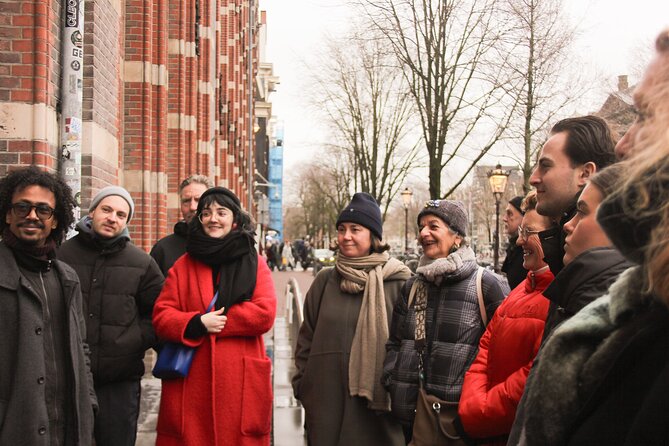
- Small group size (max 15) keeps questions and conversations realistic
- Free entry stops mean you pay mainly for the guide and storytelling
- Seven major city moments in about 2 to 2.5 hours gives fast direction for day one
- Begijnhof offers a calm break and a chance to notice older Amsterdam details
- Zeedijk Chinatown history adds a surprising social chapter to the tour
- Centraal Station architecture ties everyday transit to city identity
Why This 2-Hour Amsterdam Walk Works for a First Day
This tour is built for people who want Amsterdam to make sense quickly. It runs around 2 hours (often listed as 2 to 2.5), and it’s a walking format where you cover several key places without feeling like you’re stuck in one spot.
You’ll be with a local guide in English, and the group stays small—up to 15 people. That matters more than you’d think. Big group tours can turn into a moving lecture you can’t pause. Here, the smaller size gives you a better shot at asking a question when something clicks, like the reason a canal area looks the way it does.
One more detail I appreciate: this is an outdoor orientation tour. You’re not trying to outpace museum tickets or crowds. You’re learning while you’re already doing the thing Amsterdam is best at—walking between sights.
And yes, there’s a snack moment built in: you get a classic Dutch stroopwafel along the way, which is a nice morale boost during a city-walk day.
You can also read our reviews of more historical tours in Amsterdam



Beursplein: How Amsterdam’s Trading Story Begins
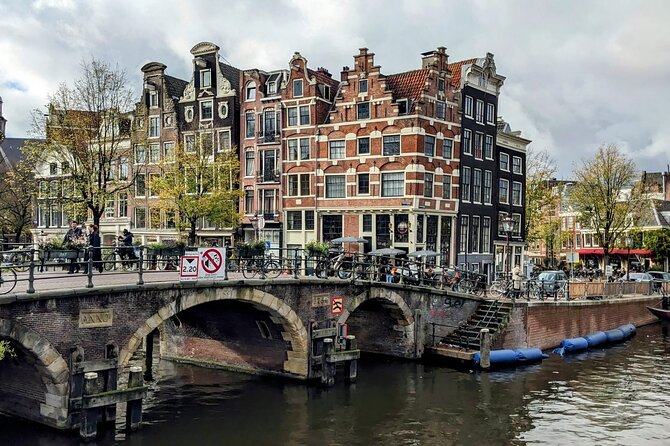
Your first stop is Beursplein, a square closely tied to the city’s trading identity. This is where the tour starts linking modern Amsterdam to older roots—how the area connected to the origins of the city and how Amsterdam gained its name. Then you zoom forward to the 17th century, when Amsterdam grew into the center of global economic life.
What I like about this opening is that it doesn’t treat Amsterdam like a single neat postcard. It sets up the city’s long-game story: commerce, power, and connections. It also gives you a mental map for later stops, because you’ll start noticing how the city’s layout and buildings reflect wealth and movement.
Time here is short—about 10 minutes—so don’t expect a slow, start-to-finish lecture. Instead, think of it as a kickoff. You’ll leave with an anchor idea you can carry through the rest of the walk.
Dam Square and the Royal Palace: Civic Power Meets WWII Memory
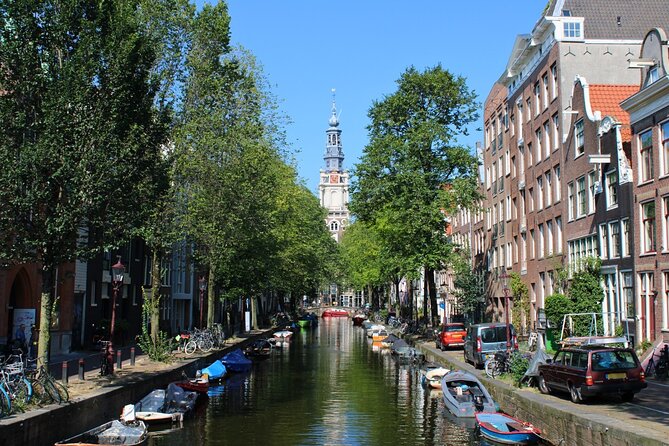
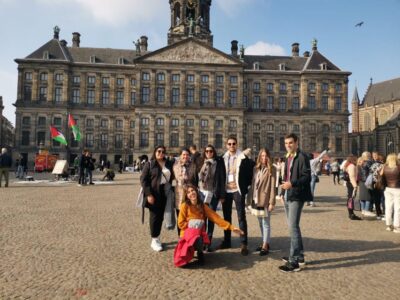
Next up is Dam Square, Amsterdam’s best-known “center of gravity” location. This stop is about significance: why Dam Square matters in the city’s formation and how it became a symbolic stage for public life.
You’ll also admire the Royal Palace on the Dam. Even if you’re not going inside, it helps to understand what that building represents in terms of civic identity and state power.
Then the tour adds a hard historical layer: the square’s role during the Second World War. That’s the kind of context that changes how you see a place. A big public square is often treated as just a backdrop for photos, but here you’ll get reminded that these same stones carried real events and decisions.
Again, you only get about 10 minutes. The value isn’t time spent staring—it’s the meaning you’re given before you move on.
Begijnhof: A Quiet Courtyard That Shows Amsterdam’s Tolerance
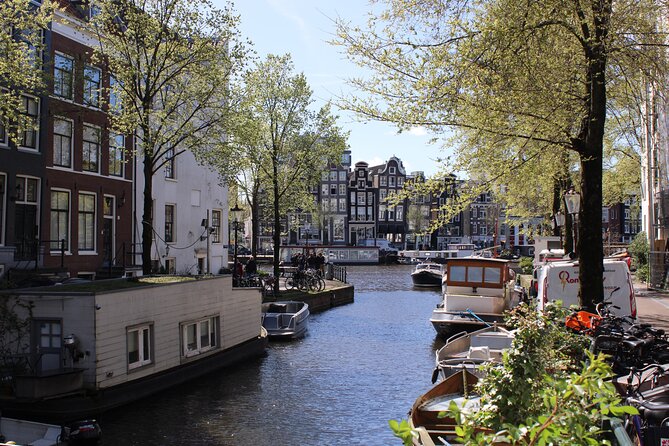
Begijnhof is where the tour slows down in a very good way. Instead of being about institutions and grand spaces, it becomes serene and human-scaled: a courtyard tied to religious history and what it reveals about Amsterdam’s tolerance.
You’ll learn what this calm place says about how the city handled differences over time. And you’ll notice some older structures, including one of the oldest houses in Amsterdam. The tour specifically points out the two wooden cottages, which is a great detail because it gives you something tangible to look for.
This stop is about 15 minutes, which is longer than most others. It gives you a little space to actually absorb the change in atmosphere—street noise fades, and you can better feel how a city can be layered.
Potential drawback: because it’s calm and enclosed, it’s not the place for long photo marathons. Think of it as a respectful glance-and-listen moment, not a shooting contest.
House on the Three Canals and the Bicycle Bridge Idea
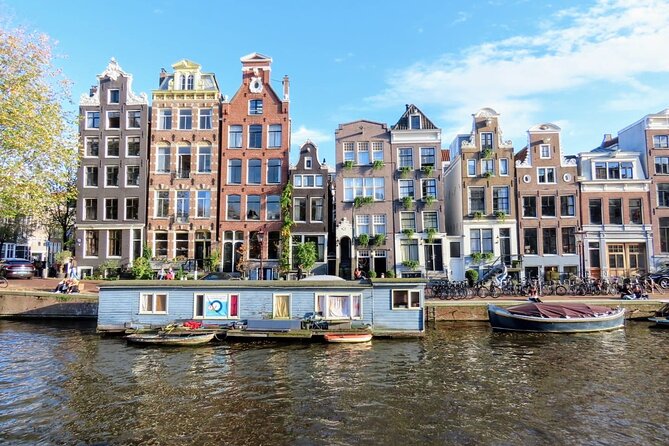
Then you’ll head to a distinctive landmark: a house on the three canals. It’s the kind of place that looks quirky and interesting even before you get any context, and the guide uses that to explain the idea of a bicycle bridge.
This stop is short—around 10 minutes—but it’s the kind that sticks because it’s visual. The canals in Amsterdam aren’t just scenery; they shape movement, design, and how people live with water every day. When you connect a physical feature to everyday behavior, the city starts to feel less random.
If you like “how is that even possible” details, you’ll probably enjoy this one. It’s practical urban logic wrapped in a cool sight.






Nieuwmarkt: Waag, Guilds, and the Dancing Houses
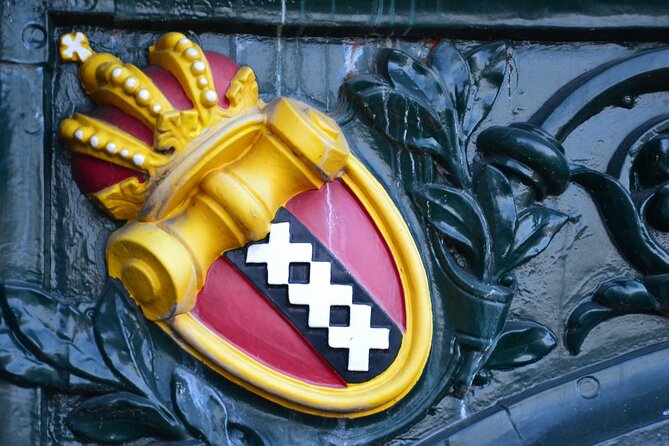
At Nieuwmarkt, the tour shifts into Amsterdam’s old city structure and power systems. You’ll discover the Waag—an old city gate that later became a guild hall. That one detail helps you understand Amsterdam’s economy beyond merchants and shipping: the city was organized by systems, and guilds mattered.
You’ll also see the “dancing houses.” That name makes people smile, and it’s worth paying attention because it’s an early clue that the city’s architecture is not always straight and uniform—it’s shaped by time, space, and need.
This stop is about 10 minutes, but it’s information-dense. The best way to enjoy it is to pick one thread: either focus on the Waag/guild story or focus on the dancing houses and what that tells you about building choices.
Zeedijk: Chinatown’s 1970s Reputation and the Street’s Turnaround
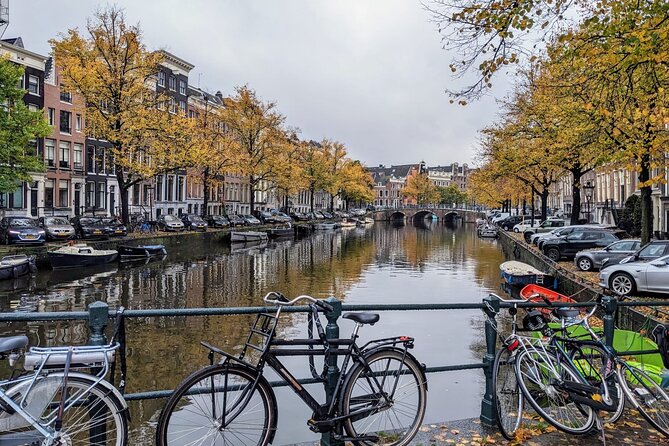
Zeedijk is where the tour becomes socially interesting. You’ll learn about Chinatown and how Zeedijk was once the most dangerous area in Amsterdam during the 1970s. The guide then explains how that reputation changed and how the street transformed into one of the favorite spots for many Amsterdammers.
This is a valuable chapter because it adds a human timeline. Cities don’t just evolve from empire to museum pieces. Neighborhood identity shifts with economic changes, social dynamics, and community choices.
Time is again around 10 minutes, so you won’t get a full history lecture. But you’ll leave with a more thoughtful understanding of why streets have reputations, and how those reputations can soften over time.
Centraal Station: Architecture and Why This Location Matters
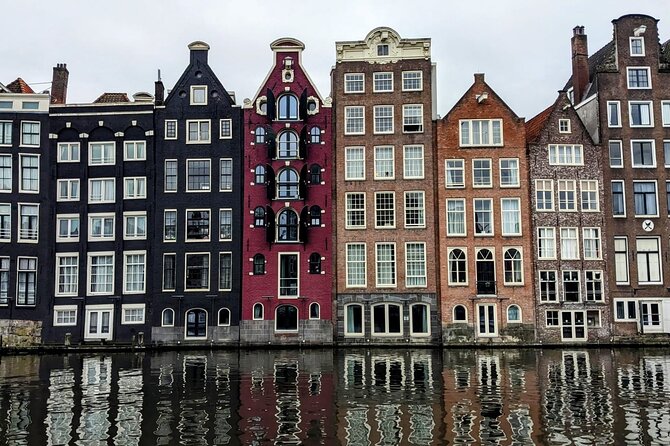
The final stop is Centraal Station, one of Amsterdam’s most stunning buildings. You’ll explore what makes it architecturally impressive, but more importantly, you’ll hear why the station’s location has played a crucial role for centuries.
The tour frames the station as more than a transit hub. It’s also a historical symbol of connection and prosperity. That’s a clever way to end: you start with commerce at Beursplein, and you close with the city’s modern version of movement and meeting points.
Time here is about 10 minutes. Use it to look outward and around. Stations are usually where people rush through. This stop encourages you to slow down and notice how the city wants you to feel—connected, directed, and part of a bigger flow.
The Stroopwafel Stop: Small, Smart, and Very Dutch
The included stroopwafel might sound like a throwaway detail, but it’s actually a good design choice. A history tour can become pure information. This little break adds a sensory reset so you remember the story later.
Also, it’s a classic Dutch snack you can keep comparing as you eat other things during the rest of your trip. If you’re the type who likes tasting your way through a city, this is a low-cost win.
Practical tip: if you’re prone to getting hungry fast, consider having a light snack before the tour. You don’t want your attention on the tour to be hijacked by hunger during the earlier stops.
Value Check: Paying for a Local Story, Not Just Sightseeing
At about $30.07 per person for roughly 2 hours, the value comes from what’s included rather than what’s excluded. You’re paying for a local guide who stitches together multiple areas into one clear narrative, and the tour’s stops include free admission.
That matters in Amsterdam, where it’s easy to spend your day bouncing between paid attractions and still feel like you don’t understand the city. This tour helps you get orientation and context fast—especially if it’s your first day.
Another value signal: it’s booked well in advance on average (about 79 days). High demand usually means the format works for people who want an efficient introduction.
If you’re considering other options, ask yourself: do you want a guided explanation of how Amsterdam became Amsterdam? If yes, this price is easier to justify.
Who This Tour Fits Best (and Who Might Want a Different Style)
This tour is a strong match for history lovers and for first-timers. It’s also a good choice if you like learning while walking and you want a route that touches different kinds of places—squares, courtyards, canal-area streets, markets, and the big transport landmark at the end.
It’s also ideal if you’re traveling with limited time. Seven stops in about two hours is efficient. You’ll come away with enough context to explore on your own later.
Where it may not fit: if you’re expecting long time at a single site or you love deep, slow museum-level explanations, the short stop durations will feel a bit rushed.
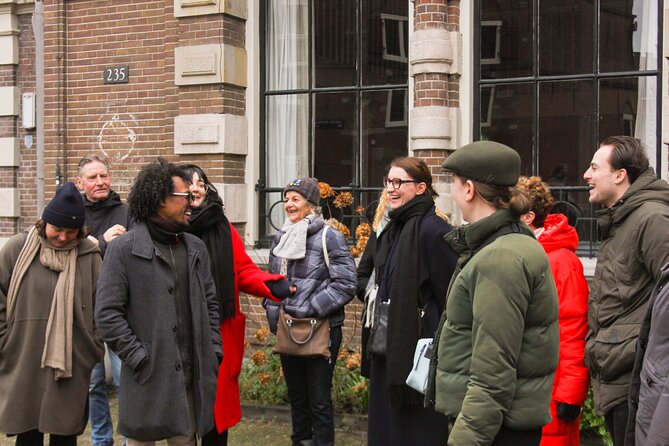
One more note from guide feedback: guides like Manouk and Malik have been mentioned by name in reviews, and people highlight that the tour can be tailored to fit needs, including when it’s booked privately. If you want your interests weighted a certain way, it’s worth asking when you book.
Should You Book This Amsterdam Local History Walk?
Yes, if you want Amsterdam’s story in plain language and you like a route that covers major highlights without turning into a ticket-queue marathon. The small group size, the included stroopwafel, and the mix of civic sites plus calmer courtyards make it a well-balanced introduction.
Book it especially if:
- it’s your first day and you need orientation
- you prefer walking tours that explain meaning, not just facts
- you want a manageable time commitment with multiple landmarks
Skip it (or pair it with something else) if:
- you know exactly what you want already and only need one or two specific sights
- you want a lot of time inside buildings, since stops are brief
FAQ
FAQ
How long is the walking tour?
It runs about 2 hours, and it can be listed as 2 to 2.5 hours.
Where does the tour start?
The meeting point is Beursplein, 1012 JW Amsterdam, Netherlands.
Where does the tour end?
The tour ends back at the meeting point.
What language is the tour offered in?
It is offered in English.
How big is the group?
The tour has a maximum of 15 travelers.
Is there a mobile ticket?
Yes, you’ll receive a mobile ticket.
Is there anything included to eat?
You’ll enjoy a classic Dutch stroopwafel along the way.
Do the stops require paid admission?
The listed stops show admission as free, and the tour focuses on sightseeing with a guide.
Are service animals allowed?
Yes, service animals are allowed.
Can I cancel for a full refund?
You can cancel up to 24 hours in advance for a full refund.