REVIEW · AMSTERDAM
Small-Group Women’s History Tour in Amsterdam
Book on Viator →Operated by Badass Tours · Bookable on Viator
Women’s stories change how you see Amsterdam. This small-group walking tour uses real landmarks to tell you how different kinds of women shaped the city, from power and politics to culture, daring, and sheer refusal to back down.
Two things I especially like: the small group size (up to 12) keeps it conversational, and the guide’s storytelling turns locations like Beurs van Berlage, Dam Square, and Rokin into clear, human scenes rather than dry facts. One thing to consider: it runs on a mostly outdoor route and needs good weather, so bring comfy shoes and be ready for a bit of walking.
In This Review
- Key things I’d circle before you book
- Why This Women’s History Walk Feels Like Amsterdam, Not a Lecture
- Quick Practical Details: Timing, Price, and What You Actually Get
- Getting Oriented at Centraal Station and the Old Harbor
- Beurs van Berlage: Where Women’s Stories Meet the Stock Exchange World
- Dam Square: Busy Public Space and a Tasteful Dose of Scandal
- Beurspoortje: Motorcycles, a Gay Bar, and Resistance in the Shadows
- Nes: Theatre Power and a Million-Dollar Story with a Twist
- Queen Wilhelmina on Her Pedestal: Symbols That Became Real Leadership
- Rokin: The Miracle of Amsterdam and How It Led to The Women’s Riot
- Begijnhof: A Quiet Enclave to End a Fast, Story-Heavy Walk
- Is the Tour Worth $47.47? My Value Take
- Who This Tour Suits Best (and Who Might Want Another Option)
- Should You Book This Women’s History Tour in Amsterdam?
- FAQ
- How long is the Small-Group Women’s History Tour in Amsterdam?
- What is the price per person?
- How big is the group?
- Where does the tour start and end?
- Do I need admission tickets for the stops?
- What ticket type do I get?
- Is the tour outdoors?
- Are service animals allowed?
- Is free cancellation available?
Key things I’d circle before you book
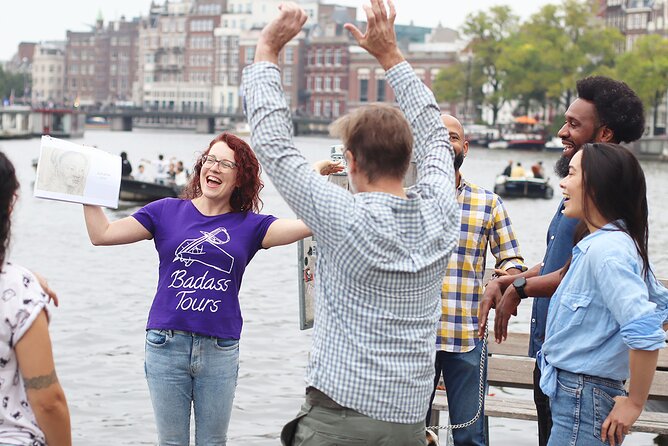
- Max 12 people means you’re not lost in a crowd
- A trained storyteller who connects women’s lives to specific Amsterdam sites
- Dam Square + Centraal Station openings help you get oriented fast
- Scandal with taste at key stops, including a story with motorcycles and a gay bar
- Rokin and The Women’s Riot ties city planning to resistance
- Begijnhof as the quiet finish if it’s open
Why This Women’s History Walk Feels Like Amsterdam, Not a Lecture
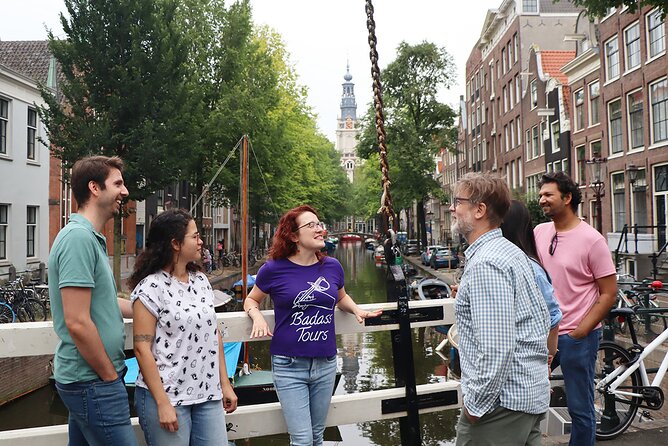
If your Amsterdam plan is all canals and museums, this tour adds a missing layer: the city seen through the lives of women across centuries. Instead of squeezing women into one narrow storyline, the tour focuses on variety—women who influenced society at high levels, women who changed culture, and women who pushed back against spiritual and social power.
What makes it work is the format. You’re not handed a timeline and sent on your way. You stop at meaningful places, you get a story, then you look around and notice new details in the streetscape. That shift is the point: you’ll leave feeling like Amsterdam has been talking back to you the whole time—just from a different angle.
The vibe also helps. It’s enthusiastic, but it’s not cheesy. The stories are described as salacious but tasteful, which is exactly the sweet spot for Amsterdam: you get the drama without losing respect for the people and history involved.
You can also read our reviews of more historical tours in Amsterdam



Quick Practical Details: Timing, Price, and What You Actually Get

This is a 2-hour walking tour through Amsterdam’s historic center with a small group capped at 12 travelers. It costs $47.47 per person, and you get a mobile ticket, so you’re not hunting for paper or screenshots on your phone when you’re already outside in the city.
That price is actually reasonable when you think about what you’re buying: a guide who handles multiple eras, eight distinct stop locations, and a live storytelling format that keeps you engaged the whole way. You’re not just paying for “a walk”—you’re paying for someone to make the places make sense.
The tour is free admission at each stop, which matters because you’re not spending extra money at sights to keep the tour going. The route also starts near Prins Hendrikkade 48 and ends outside the Begijnhof, with the tour ending near Spui.
One more practical note: service animals are allowed, the tour is near public transportation, and most travelers can participate. The main “test” is simple—can you comfortably walk for about two hours on city streets?
Getting Oriented at Centraal Station and the Old Harbor
You begin across the harbor from Amsterdam’s iconic Centraal Station, which is a smart opener. Even if you’ve already seen the station, starting here gives you a wider city frame—boats, water, movement, and the sense that Amsterdam has always been built on connection.
From the start, the tour’s theme is clear: women’s history isn’t tucked away in one museum room. It’s tied to the functioning of the city itself—commerce, streets, public spaces, and the power that flows through them.
This is also a good first-day move. Starting at a major landmark helps you orient quickly, and you’ll have a mental map going into your self-guided exploring later.
Beurs van Berlage: Where Women’s Stories Meet the Stock Exchange World

Next you head to Beurs van Berlage, a stop that makes the “women’s history” idea feel immediately relevant. The tour points to two female figures whose stories link to Amsterdam’s stock exchange—both the newer one and the older one that’s now an event hall.
Why I like this stop: it refuses the common shortcut that reduces women’s history to only domestic life or only formal activism. Here, the message is that women shaped the city through finance and institutions too.
And because you’re standing by a real building tied to money and public influence, the story lands in your body. You’re not just hearing about systems—you’re seeing the architecture and thinking about who had access and who had to fight for it.
If you’re the type who enjoys “how the city works,” this stop is a highlight.
Dam Square: Busy Public Space and a Tasteful Dose of Scandal
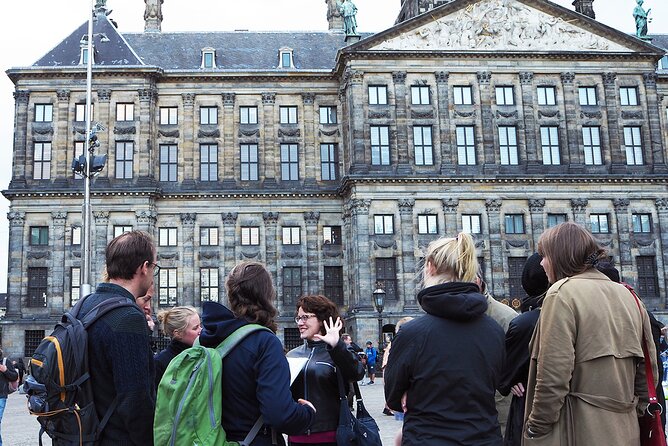
Then comes Dam Square, one of Amsterdam’s most famous plazas. The tour uses the location to tell a particularly “salacious” story—described as tasteful—about Amsterdam’s history.
Dam Square can turn into a photo stop if you’re not careful. The tour helps you slow down and notice the storytelling potential of a place like this: public squares are where reputations rise and fall, where crowds amplify rumors, and where politics becomes visible.
This stop is short, which is good. You get the human story, you absorb the vibe of the square, and you’re not stuck listening too long in a place that can feel crowded.






Beurspoortje: Motorcycles, a Gay Bar, and Resistance in the Shadows
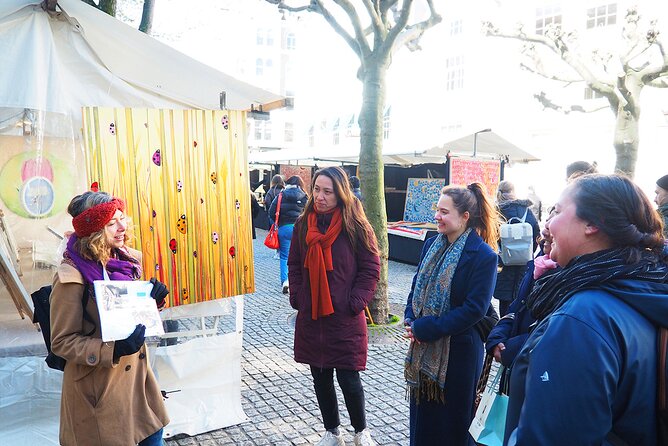
At Beurspoortje, the tour turns the volume up—with a story that includes motorcycles, Amsterdam’s first modern gay bar, and even drinking Nazis under the table. The point isn’t shock for shock’s sake. It’s how resistance and identity show up in everyday spaces.
This is one of the stops that shows Amsterdam’s history as layered and complicated. You hear how communities formed, how visibility and safety changed, and how people pushed back using whatever tools they had—from street-level social life to coded defiance.
If you like stories that mix glamour, grit, and real consequences, this is your moment. And if you prefer a more straightforward tone, just know the tour leans into edgy historical angles in a controlled, “tasteful” way.
Nes: Theatre Power and a Million-Dollar Story with a Twist
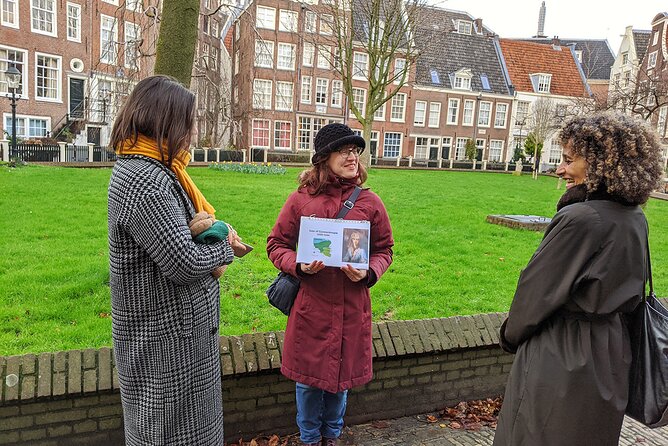
Next you walk through Nes, described as Amsterdam’s hub for cutting-edge theatre. Here the tour spotlights powerful women, including the first Black female millionaire in the Americas—plus a hint that she wasn’t in the US.
That “hint” approach is smart. It makes you pay attention and keeps the story from feeling like a trivia quiz. It also nudges you away from the usual US-centered map in history, which can be a real eye-opener when you’re visiting Europe and learning how trade and wealth traveled.
In this section, the guiding idea is influence. Theatre matters because it shapes culture and public imagination. When women gain power through culture, it doesn’t just affect “the arts”—it affects what society thinks is possible.
If you’re planning to see live theatre while you’re in Amsterdam, this stop gives you context for why the scene exists and who had the nerve to steer it.
Queen Wilhelmina on Her Pedestal: Symbols That Became Real Leadership
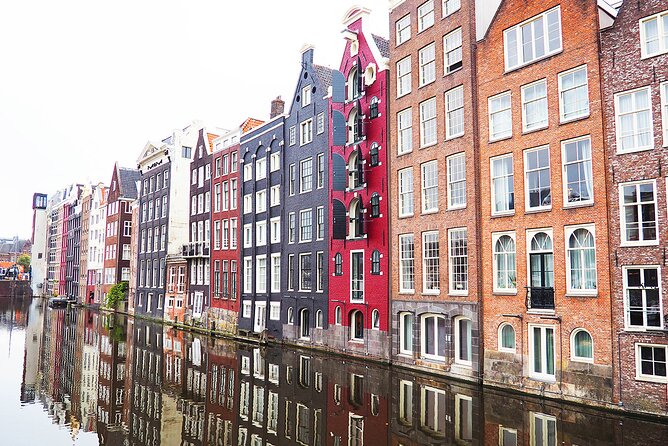
Then you arrive at the equestrian statue of Queen Wilhelmina, and the tour uses it to explain her place as the Netherlands’ first queen regnant. A statue can look like a simple photo backdrop, but on this tour it turns into a prompt: how authority is displayed, and what it means when women hold the top role.
This is where the tour balances street-level stories with state-level power. You get the sense that women’s history in Amsterdam isn’t only about being ignored or forced to work around limits. Sometimes women reached the highest positions—and still had to lead in a world that expected them to behave in certain ways.
If you enjoy architecture and public monuments, you’ll likely slow down here. Look at how the figure is framed by the surrounding space. The tour encourages you to connect the story to the visual message the city is sending.
Rokin: The Miracle of Amsterdam and How It Led to The Women’s Riot
At Rokin, you walk along Amsterdam’s first main waterway and get the connection between the city’s famous “miracle” and The Women’s Riot. This stop is longer than some of the others, about 20 minutes, which signals that it’s doing more than just a quick anecdote.
Why it matters: the story ties the physical growth of Amsterdam—especially its water-and-city system—to real social conflict. It’s an approach that helps you understand Amsterdam not as a pretty backdrop, but as a place where survival, food, and infrastructure connect directly to protest.
This section also shows why the tour is billed as more than “working women.” Here, women aren’t only earning wages or fighting for reform through polite channels. They’re part of public resistance tied to how the city functions.
If you want the tour to give you something you can carry into the rest of your trip—like why certain neighborhoods, canals, or institutions exist—this is the stop that builds that.
Begijnhof: A Quiet Enclave to End a Fast, Story-Heavy Walk
The final stop is the Begijnhof, a women’s enclave in the heart of the city. The tour notes that if you’re lucky, the Begijnhof will be open, so you may get a chance to experience the space itself.
Even if you don’t get inside, the location works as a contrast. You finish after a string of public squares and busy streets with stories that include finance, theatre, resistance, and high-level leadership. Then you end somewhere calmer—exactly the kind of shift that helps the stories settle in your mind.
Because this stop depends on whether it’s open, treat it as a bonus. Your main value is still the storytelling and the sights you’ve already walked through.
The tour ends outside the Begijnhof, near Spui, which is convenient if you’re planning to continue exploring on foot afterward.
Is the Tour Worth $47.47? My Value Take
For $47.47, you’re paying for a tight two-hour format, max 12 group size, a storytelling guide, and eight key stops across the historic center. The guide does the hard work of making connections between women’s lives and the city’s visible spaces.
The value is strongest if you like:
- seeing how women shaped Amsterdam across different eras
- learning through place-based stories rather than a museum-style lecture
- getting oriented quickly on your first day
If your travel style is strictly “I only want famous sights with long viewing times,” you might feel the route moves fast. Some stops are only 10 minutes, so the experience is about story momentum, not lingering.
Who This Tour Suits Best (and Who Might Want Another Option)
This tour is a good match if you’re traveling with curiosity and you enjoy a mix of tones—empowering, surprising, and sometimes edgy, but described as tasteful. It also works well for couples, because the stories aren’t written only for one kind of interest. You get city context plus human drama.
It may not be ideal if:
- you need a fully seated experience (you’ll be walking and standing outdoors)
- you strongly dislike scandal or bold historical social angles, even if they’re handled with care
- you can’t do weather-dependent outdoor plans
If you’re the sort of traveler who keeps saying Amsterdam feels different every time you visit, this tour is built for that. It changes your mental map.
Should You Book This Women’s History Tour in Amsterdam?
I’d book it if you want a first-day strategy and a fresh lens. Starting near Centraal Station, weaving through Dam Square and the market-area energy of Nes, then ending at the Begijnhof gives you a complete arc: public life, power, conflict, culture, and a quiet finish.
Also, the small group size is a real quality factor. When you’re capped at 12, the guide can keep the pace human and interactive, and the stories land better because you’re not shouting over a crowd.
If you’d like to experience Amsterdam as a living story about women—not just as a place that happens to have famous women attached—this is a strong choice.
FAQ
How long is the Small-Group Women’s History Tour in Amsterdam?
It runs for about 2 hours.
What is the price per person?
The price is $47.47 per person.
How big is the group?
The group is limited to a maximum of 12 travelers.
Where does the tour start and end?
It starts at Prins Hendrikkade 48, 1012 AC Amsterdam, and ends outside the Begijnhof near Spui, 1012 Amsterdam.
Do I need admission tickets for the stops?
The tour lists admission ticket free for the stops.
What ticket type do I get?
You receive a mobile ticket.
Is the tour outdoors?
It is a walking tour through Amsterdam’s historic center and requires good weather.
Are service animals allowed?
Yes, service animals are allowed.
Is free cancellation available?
Yes. You can cancel up to 24 hours in advance for a full refund. If you cancel less than 24 hours before the start time, the amount paid is not refunded.