REVIEW · AMSTERDAM
Amsterdam: Private Guided Walking Tour
Book on GetYourGuide →Operated by Camaleon Tours · Bookable on GetYourGuide
Amsterdam can feel like one long museum—but on foot it actually makes sense.
On a private 3-hour walking tour, I like how it turns Amsterdam’s big landmarks into a clear story, from Amstel River origins to Golden Age trade power. I also like the stop-and-explain rhythm: you’re not just passing sights, you’re learning why places like Dam Square and the Canal Belt matter. One drawback to plan for: the walking includes cobblestones and canal-side streets, so comfortable shoes aren’t optional.
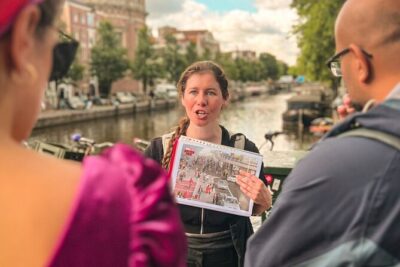
What makes this format work is the guide. The tour is designed for a private group, and you may be guided by people praised for energy and storytelling—names that come up include Marion (punctual, detailed, in-depth), Rafael (outstanding and engaging), and Enrique (knowledgeable with a lovely manner). You’ll also get some built-in flexibility to shape the route around what you care about most.
In This Review
- Key things to know before you go
- Why a 3-hour private walk beats doing Amsterdam solo
- Dam Square: Royal Palace, National Monument, and the city’s starting pulse
- Amstel origins to Golden Age trade power (what your guide will connect)
- Cobblestone streets of the medieval center: the feel you’re here for
- Canal Ring on foot: houseboats, bridges, and why trade shaped the view
- The big stops: Anne Frank House, Flower Market, Begijnhof, Rembrandt Museum
- Hotel pickup and private pacing: how the route gets personalized
- Price and value: is $206 per group up to 5 worth it?
- What to bring and how to pace yourself during the 3 hours
- Should you book this Amsterdam private guided walking tour?
- FAQ
- How long is the Amsterdam private guided walking tour?
- What is the price for the tour?
- Is hotel pickup included?
- What languages are available for the guide?
- Are attraction tickets included?
- How far in advance do I need to reserve, and what’s the cancellation window?
Key things to know before you go
- Dam Square first: Royal Palace and the National Monument area sets the tone for everything that follows
- Golden Age explained while you walk: the canal network and 17th-century sea trade story become practical, not abstract
- Canal Belt pacing: you’ll pause at key Canal Ring sights such as Anne Frank House and the Flower Market area
- Private guide, not a script: you can steer the itinerary toward what you want to see
- Tickets handled separately: entrances aren’t included, so plan which spots you want to go inside
Why a 3-hour private walk beats doing Amsterdam solo
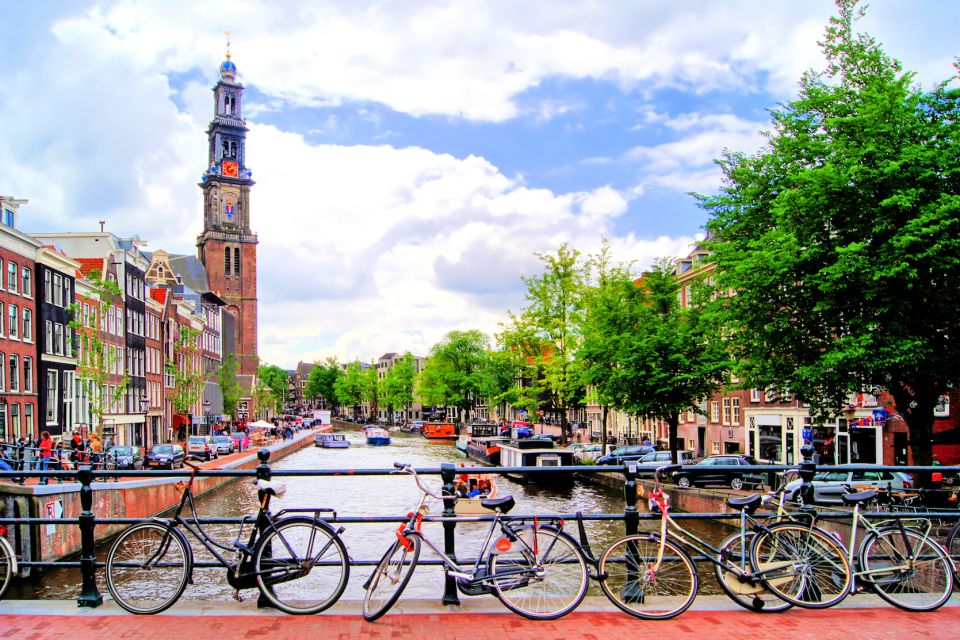
Amsterdam is famous, which also means it can feel like you’re just collecting photos. This tour does something smarter: it compresses the city’s main “why” into a short walk. You’ll start in the center and move through the medieval core and the Canal Ring without needing to map every turn on your phone.
For you, that means fewer dead ends and less time guessing what’s important. A private guide also helps you make decisions on the fly. Maybe you want more time around the beguinage vibe of the Begijnhof, or you’d rather focus on canal views and bridges; you can adjust because it’s private.
The practical sweet spot here is timing. Three hours is long enough to understand the city’s layout and major landmarks, but short enough that you’ll still have energy left for the rest of your day. For many people, that’s the main value: you get orientation and context fast, then you can explore independently with better instincts.
You can also read our reviews of more walking tours in Amsterdam



Dam Square: Royal Palace, National Monument, and the city’s starting pulse
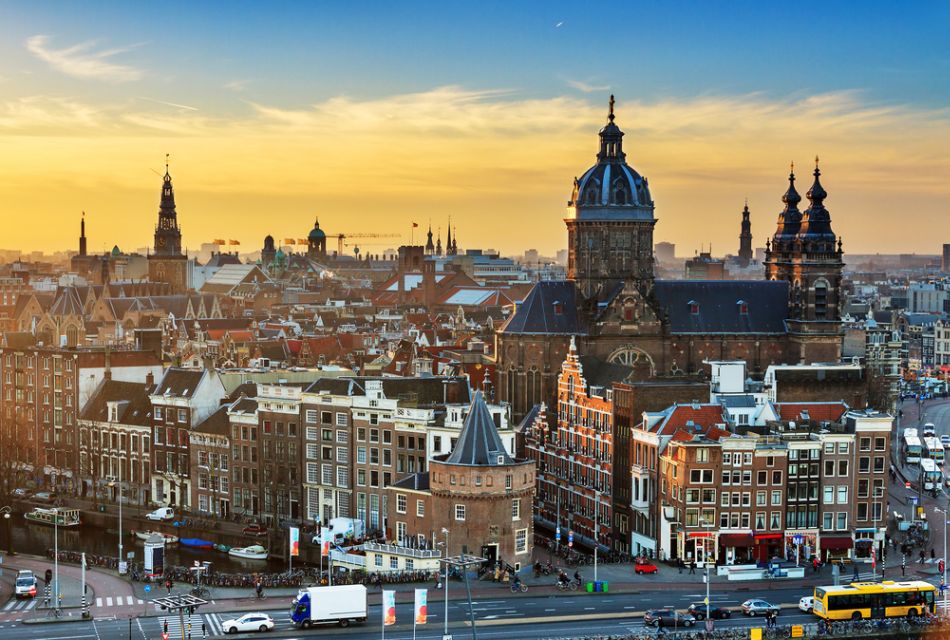
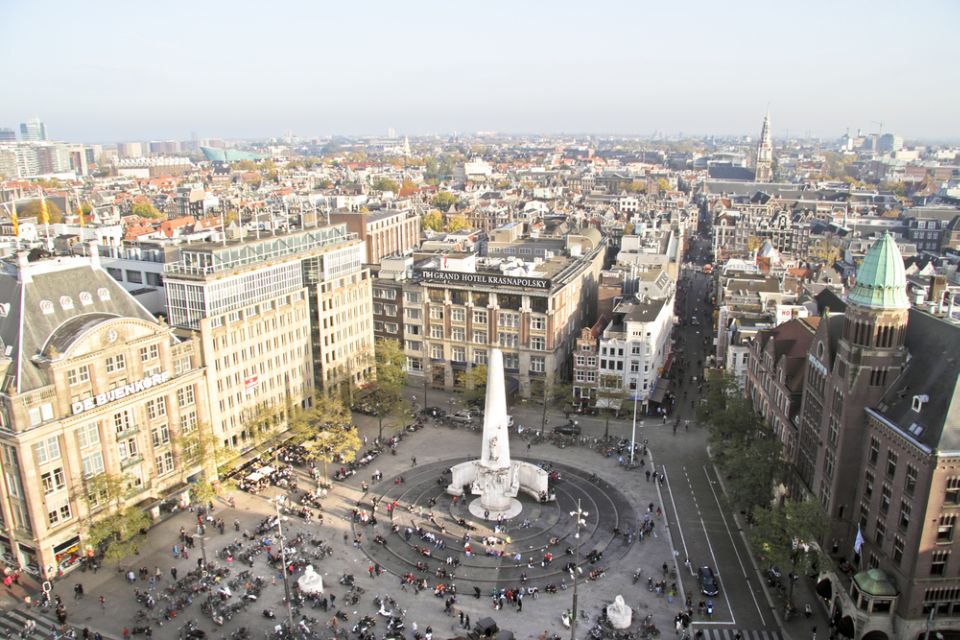
The tour kicks off at Dam Square, with the Royal Palace area and the National Monument in view. This is where Amsterdam’s story turns from background to something you can read in the streets. Even if you’ve seen photos of Dam Square, having a guide connect it to the city’s development helps you notice what you would normally miss.
From here, the tour’s walking approach makes sense. You’re not just traveling from one attraction to the next—you’re moving through the layers of Amsterdam’s identity, starting with the center. Dam Square works as the anchor because it’s easy to orient around, and it’s close enough to the medieval core to keep the momentum.
A tip for getting the most out of the first stop: pay attention to the guide’s framing. When you understand why the city grew and what drove wealth and power during the Golden Age, the later canal stops hit harder. Otherwise, the Canal Ring can feel like scenery. With the right context, it feels like infrastructure—built for trade, movement, and money.
Amstel origins to Golden Age trade power (what your guide will connect)
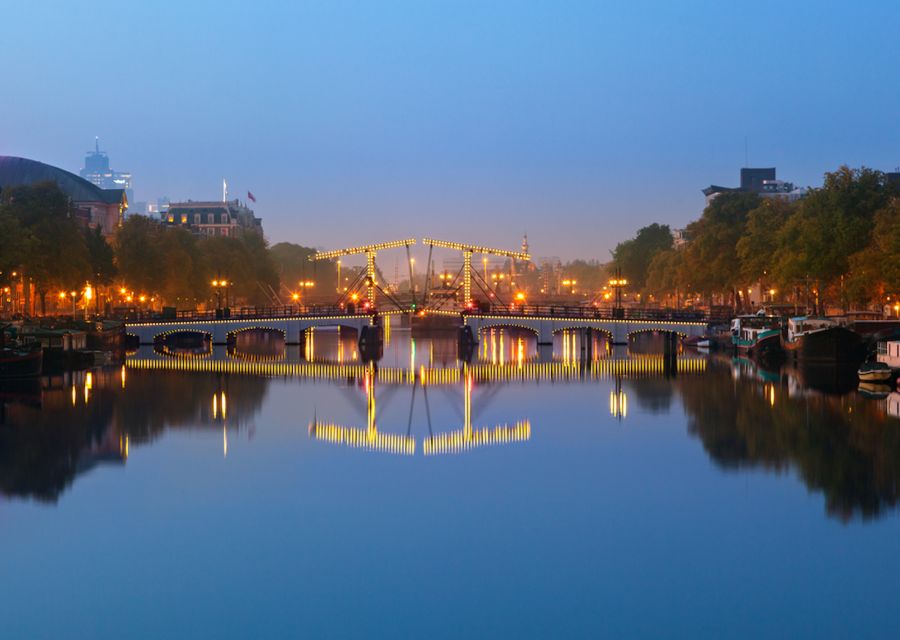
Amsterdam didn’t rise from nowhere. A big theme of the tour is the city’s humble origins on the Amstel River and how that local waterway helped shape a global power.
As you walk, your guide will explain how Amsterdam became central during the Golden Age—especially in the 17th century, when Dutch ships controlled much of Europe’s sea trade. Then the story lands where your feet are: canals. The tour emphasizes that Amsterdam’s success wasn’t just luck; it relied on a unique network of canals that moved goods efficiently through the city.
What I like about this approach for you is that it changes how you see the city. You start treating canals as transport routes instead of postcard backdrops. You’ll also be more likely to notice practical details on the street—patterns of movement, the way the waterways shape neighborhoods, and why certain parts of the city feel tightly connected.
Even if you know a bit of Dutch history already, this is the kind of framing that fills in gaps quickly. You don’t need a textbook when the explanation is timed to what you’re literally standing next to.
Cobblestone streets of the medieval center: the feel you’re here for
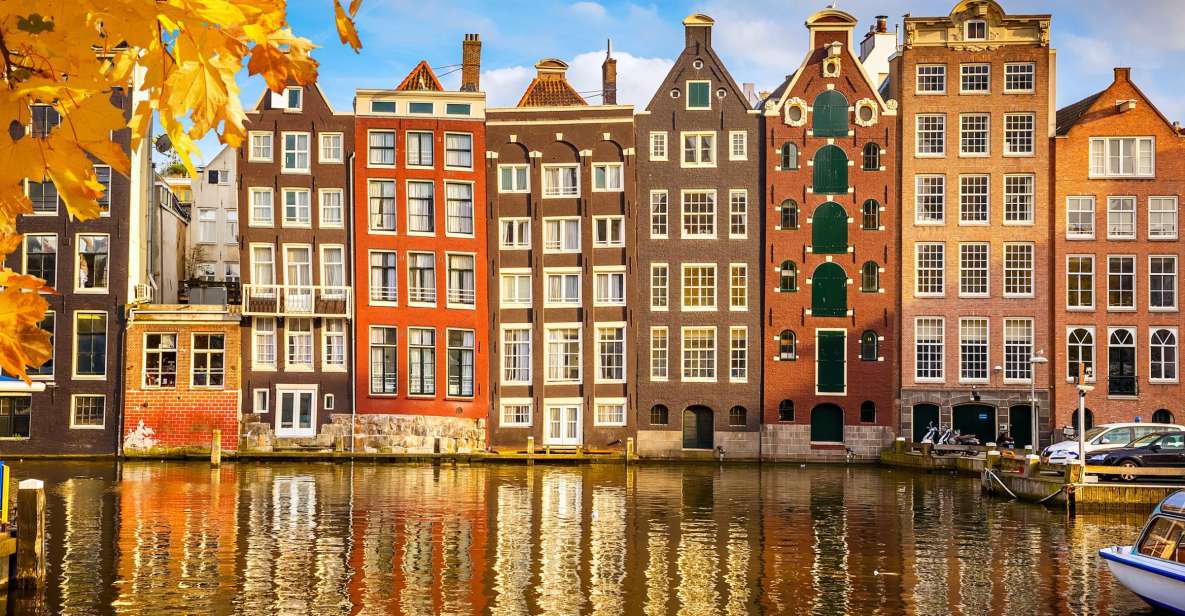
After Dam Square, you’ll stroll through the medieval center on cobblestone streets while your guide shares fun facts along the way. This stretch matters because it’s where Amsterdam starts to feel like Amsterdam rather than a collection of famous stops.
The medieval core is compact, and that’s why a walking tour works so well here. On your own, it’s easy to wander in circles. With a guide, the route gives the neighborhood structure. You’ll get a sense of how old streets and canal geometry work together, and you’ll start recognizing landmarks by their surroundings, not just their names.
This part of the experience is also a good reality check. Amsterdam can look flat on a map, but cobblestones change the experience. Plan for slow, careful walking, especially if you’re balancing bags, a camera, or shopping stops later.
If your trip includes museums you care about, this walking segment is a smart warm-up. It sets context so museum visits feel more connected to real neighborhoods and real urban growth.
Canal Ring on foot: houseboats, bridges, and why trade shaped the view
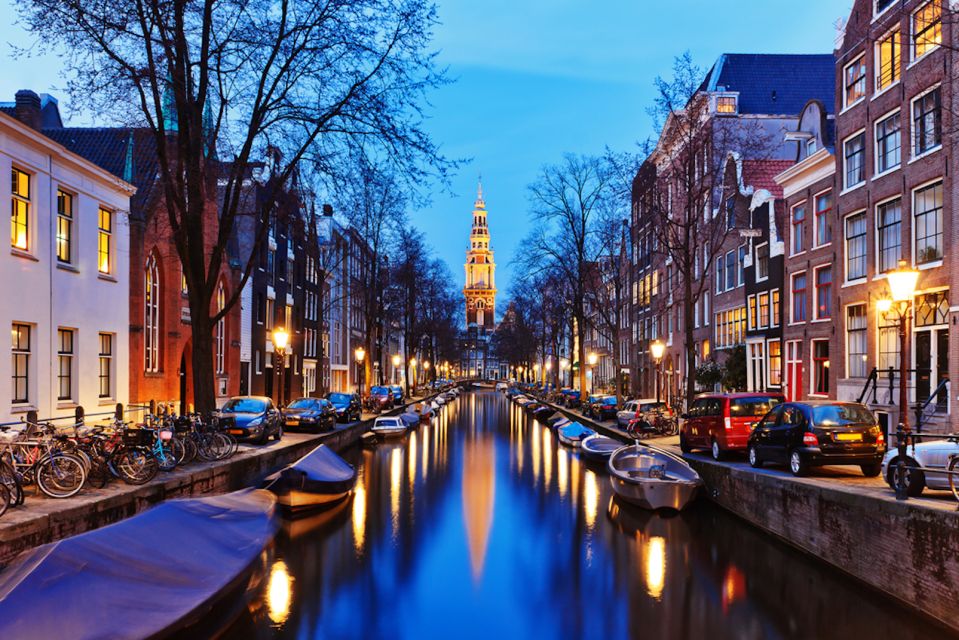
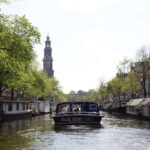
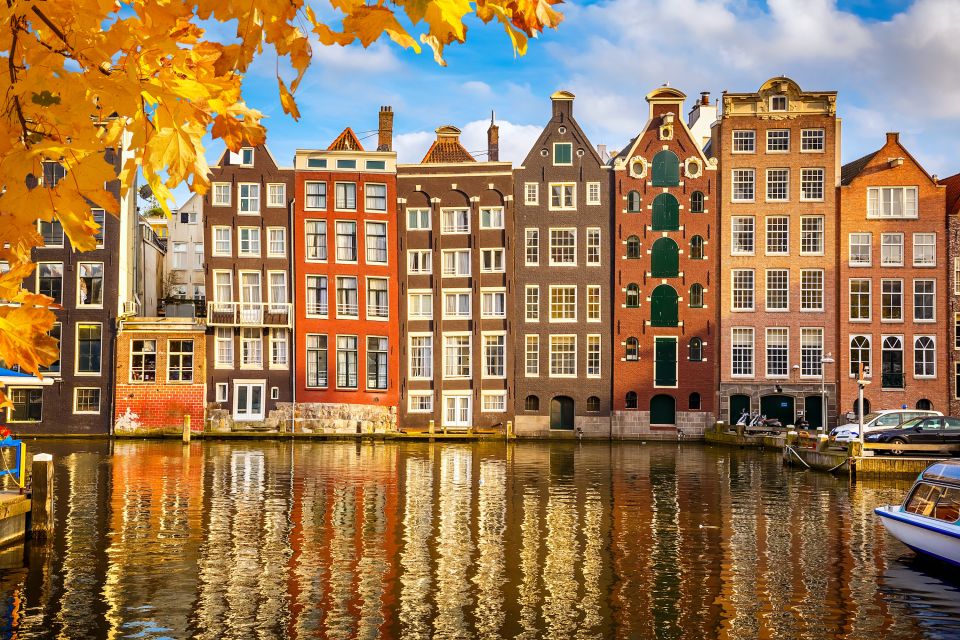
The Canal Ring section is where the city’s “big picture” becomes visible in everyday scenes. Your guide will point out the Canal Belt atmosphere—canal banks, bridges, and houseboats—and connect those visuals to the trading network that powered Amsterdam’s rise.
This is also where the tour’s length helps. Walking gives you a continuous view of the canals, so you notice rhythm: water stretches, bridge crossings, and the way the streets meet the water. A quick stop at just one canal viewpoint can feel impressive, but it’s the repeated context along the way that makes it click.
One practical consideration: canal-side streets can be slick or uneven, depending on weather. You’ll be on foot for the full experience, so the best investment is simple—comfortable shoes with grip and a steady pace. If you’re the kind of traveler who takes time for photos, build that into your expectations without rushing your guide.
For people who like structure, this is a rare tour where the sightseeing and the explanation match. Instead of treating the canals as decoration, you’ll understand them as a working system that helped Amsterdam move goods and build wealth.
You can also read our reviews of more guided tours in Amsterdam



The big stops: Anne Frank House, Flower Market, Begijnhof, Rembrandt Museum
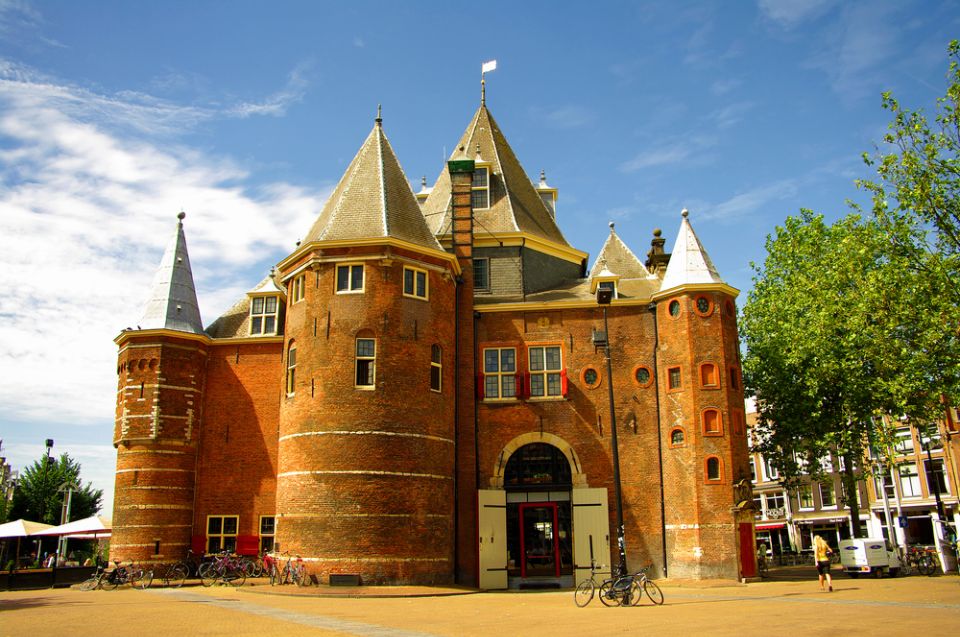
As you move along the canal side, you’ll have chances to see major landmarks tied to the city’s identity. Depending on your preferences, stops can include the Anne Frank House area, the Flower Market, the Begijnhof (Begijnhof), or the Rembrandt Museum.
Here’s the key value for you: the tour doesn’t just drop names. It helps you decide where to focus your attention during the limited time. Anne Frank House, for example, is one of those places where the surrounding area carries meaning, even before you commit to an entrance. The Flower Market area is similarly iconic; it’s worth seeing as a historic slice of everyday Amsterdam, not only as a photo stop.
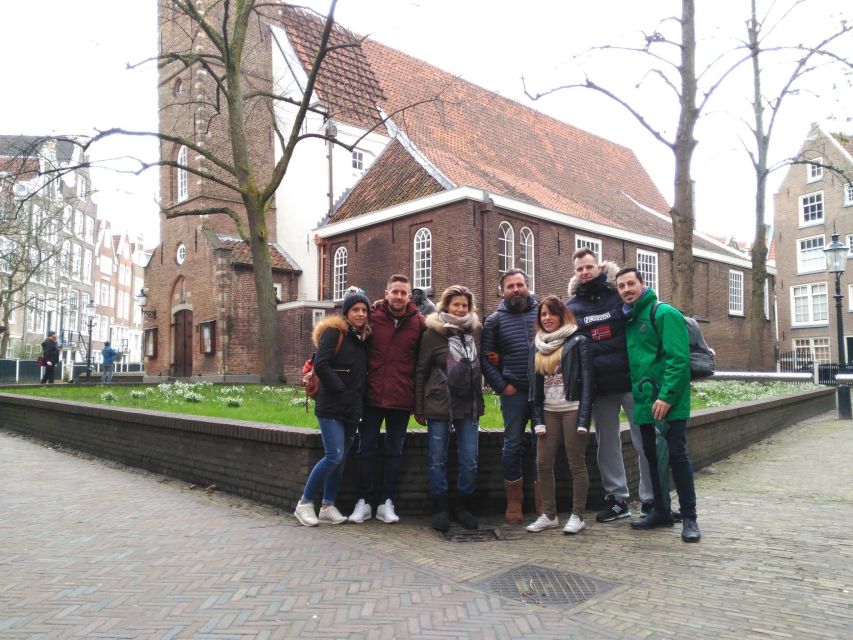
The Begijnhof adds a different texture—more quiet, more enclosed, and a good contrast to the open canal views. And if you’re interested in art and Amsterdam’s cultural impact, the Rembrandt Museum stop gives you a natural bridge from trade-era success to the city’s later creative reputation.
Important practical note: tickets to attractions are not included. So think of these as opportunities to see the sights from the street and decide if you want to enter separately. That’s not a deal-breaker—it often keeps the tour flexible and avoids burning time in lines you didn’t plan for.
Hotel pickup and private pacing: how the route gets personalized
This is a private tour, which means you’re not stuck with a one-size-fits-all pace. If you’re staying in the city center, hotel pickup and drop-off are included. That matters because Amsterdam’s transit and navigation can eat time, especially when you’re starting your first day.
There are also pickup location options listed as Amsterdam and Delft. If you’re coming from Delft, it’s worth confirming how pickup is handled with your specific hotel. In either case, the main benefit is that you start already in motion, without needing to coordinate a meeting point while you’re tired.
One of the standout strengths from past guide experiences is how personal the tour can feel. Guides are described as punctual and ready to connect with you before you even start walking. For instance, Marion is praised for confirming time and location the day prior, Rafael gets credit for being an excellent story teller, and Enrique is noted for being knowledgeable with a warm, engaging manner.
That kind of guide-to-guest energy makes a difference in a short tour. You can ask questions, steer toward what interests you, and get more from small moments—like learning what to notice at the next bridge crossing—rather than waiting for a lecture-style script.
Price and value: is $206 per group up to 5 worth it?
At $206 per group (up to 5 people) for a 3-hour private walking tour, the value depends on how you travel. If you’re a solo traveler or a couple, it can feel like a higher per-person cost than a standard group tour. But private tours can be better value when you factor in what you gain: hotel pickup, direct access to a guide, and the ability to shape the route.
For families and small groups, the math improves fast. If two or four of you are sharing the group price, you’re basically buying the benefits of a guide without paying for multiple separate tours. And in a dense city like Amsterdam, time has weight. Cutting down on navigation and getting context quickly can save you from paying for confusion later with missed museum moments.
Also, remember what’s not included. Tickets to attractions are not part of the price, so you’ll need to budget separately if you want to enter major sights. Public transport is not included either—but since pickup is covered for central hotel stays, you may not need transit during the tour anyway.
In plain terms: this is best value if you want a guide to make the city click in a short time. If you prefer wandering freely with no explanation, you might get more satisfaction out of a self-guided plan. But if you want story, structure, and smart stops, this price can feel fair.
What to bring and how to pace yourself during the 3 hours
You’ll want comfortable shoes. That’s the big one. Cobblestones and canal-side footpaths aren’t a “one wrong step” environment, and your comfort will shape how much you enjoy the tour.
Pacing matters too. Three hours sounds short until you’re walking through a compact city center and stopping to listen. Bring water if you can, and don’t plan a heavy meal right after unless you like long breaks. If you’re the type who stops for photos often, tell your guide early so your time allocation stays smooth.
Since tickets aren’t included, decide in advance what kind of experience you want at the major stops:
- If you’re content with street-level viewing, you’ll stay on track easily.
- If you want to go inside, plan to buy tickets separately and consider whether you’ll need to prioritize a couple of sites rather than many.
One more practical detail: you can choose the language experience. The tour operates with Spanish- or English-speaking guides, and English can be arranged upon request. If language matters for you, confirm ahead so you don’t lose time at the start.
Should you book this Amsterdam private guided walking tour?
If you want Amsterdam’s landmarks with context—Dam Square, the medieval center, and the Canal Belt—this tour is a strong match. I’d especially recommend it if you like learning how cities work, not just seeing what they look like. The Golden Age-to-canals connection is exactly the kind of explanation that makes a walk feel purposeful.
Book it if:
- You’re short on time and want an efficient orientation of central Amsterdam
- You value private guide interaction and the chance to adjust stops to your interests
- You want story-led sightseeing around canals, bridges, and key landmarks
Skip it or reconsider if:
- You hate walking on cobblestones and prefer minimal foot travel
- You’re hoping the tour price covers entrances to major attractions (tickets aren’t included)
FAQ
How long is the Amsterdam private guided walking tour?
It lasts 3 hours.
What is the price for the tour?
The price is $206 per group, up to 5 people.
Is hotel pickup included?
Yes. Pickup and drop-off are included if you’re staying in the city center.
What languages are available for the guide?
The guide can be English or Spanish. The tour can also take place in English upon request.
Are attraction tickets included?
No. Tickets to attractions are not included.
How far in advance do I need to reserve, and what’s the cancellation window?
The local partner does not accept reservations less than 6 days in advance. Free cancellation is available up to 24 hours in advance for a full refund.