REVIEW · AMSTERDAM
Amsterdam: Red Light District 1-hour Smartphone Audio Tour
Book on GetYourGuide →Operated by Clio Muse Tours · Bookable on GetYourGuide
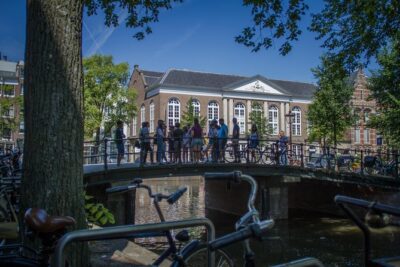
Amsterdam’s Red Light District has a quieter story. This self-guided smartphone tour turns the area into a walkable set of clues, starting at Dam Square and guiding you through centuries of people, buildings, and city-making. It’s built to keep your eyes on the neighborhood, not only the shopfronts.
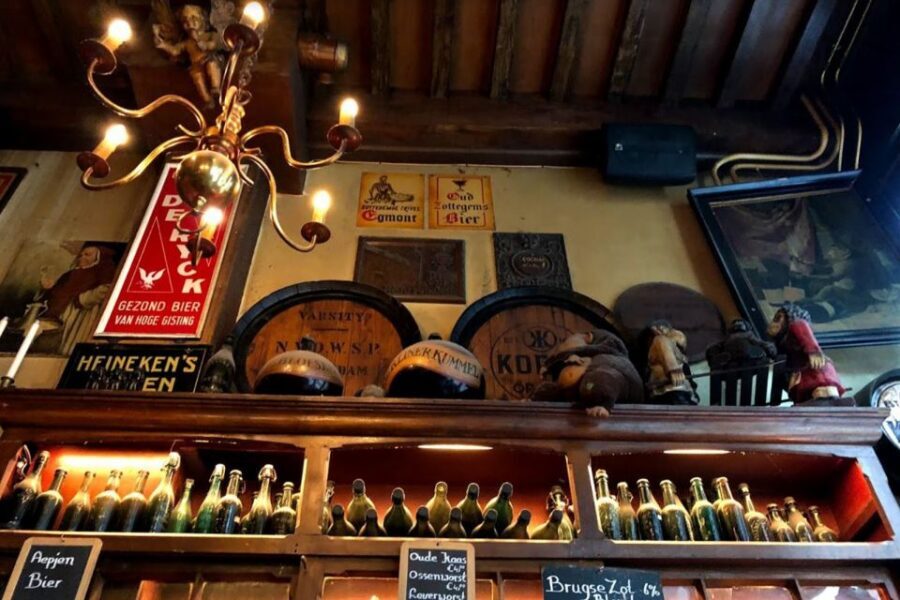
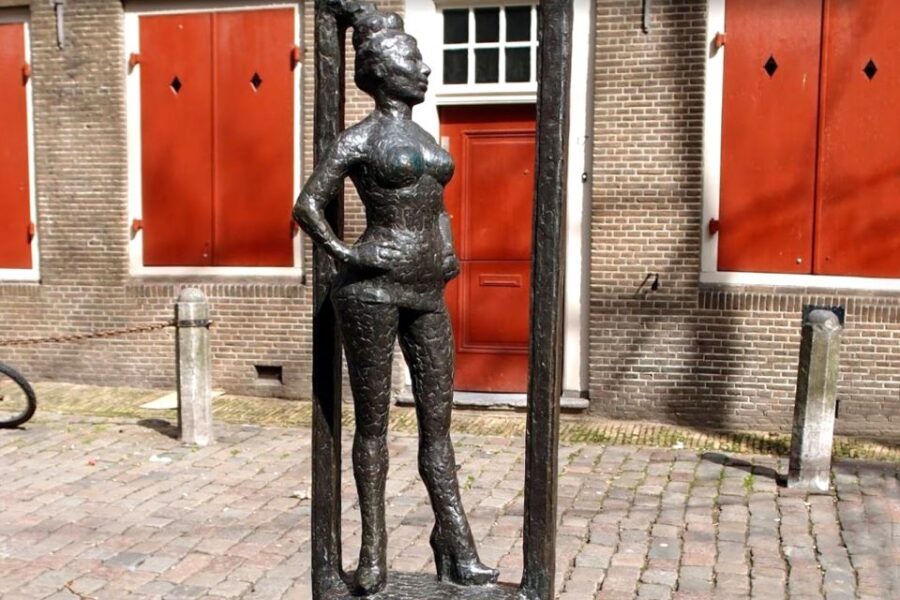
I like two things a lot: the tour runs with offline content (including an interactive map), so you’re not stuck hunting for signal while walking. And it spotlights recognizable landmarks such as Oude Kerk and the Belle statue that honors sex workers’ rights, plus stops like Café In’t Aepjen and Ons’ Lieve Heer op Solder.
One thing to consider: if you’re hoping for very focused, street-level detail about prostitution, this format leans more toward Amsterdam’s broader history and historic sites (including churches), so it may feel less direct than you want.
In This Review
- Key points worth knowing before you go
- Dam Square to the Red Light District: why the start matters
- Oude Kerk and the oldest bricks you’ll meet
- Belle and sex workers’ rights: what the tour is really pointing at
- Café In’t Aepjen and the people behind the streets
- Ons’ Lieve Heer op Solder: the clandestine chapel effect
- Bloedstraat and the rhythm of narrow streets
- Ending at Nieuwmarkt and the Waag building
- Price and value: is $7 worth it here?
- Smartphone audio logistics: how to make it run smoothly
- Who should book this Red Light District audio tour
- Should you book this Amsterdam Red Light District smartphone audio tour?
- FAQ
- Where does the self-guided audio tour start?
- Is there a live guide on this tour?
- How much does the Amsterdam Red Light District smartphone audio tour cost?
- What does the tour include besides audio narration?
- Are entrance tickets to sites like churches or museums included?
- What languages are available for the audio?
- What do I need to bring with me?
- Is the tour compatible with Windows phones?
- Is the tour suitable for children?
Key points worth knowing before you go
- No live guide: you control the pace, start where you want, and pause as often as needed
- Offline interactive map: downloadable audio plus map help you avoid roaming surprises
- Dam Square to Nieuwmarkt route: you follow a clear city-center-to-district-to-endpoint flow
- Landmarks beyond the windows: Oude Kerk, Belle, Ons’ Lieve Heer op Solder, Bloedstraat, and Waag building all get airtime
- Small group at booking: limited to 10 participants, which helps keep the experience feeling tidy (even though it’s self-guided)
- Respectful, history-forward tone: the focus is the neighborhood’s past and changing identity, not graphic content
Dam Square to the Red Light District: why the start matters
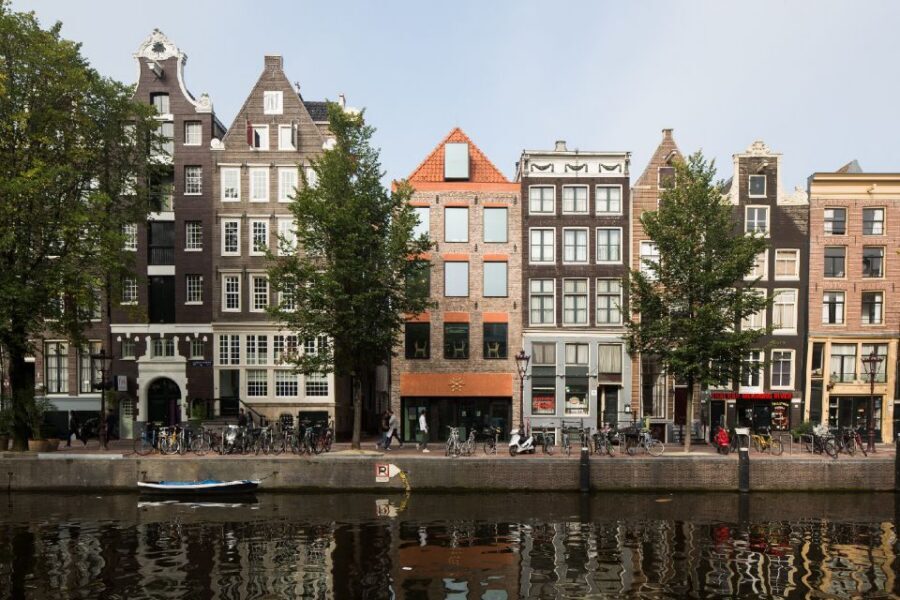
The experience begins at Dam Square, a good choice because it’s the kind of square where Amsterdam’s big story starts. Historically, Dam Square grew from a simple dam on the Amstel River—exactly the sort of origin story that helps you understand how this city formed, then how its neighborhoods evolved.
Practically, starting at Dam Square also makes the tour easy to plug into a day. If you’re coming from Amsterdam Centraal, you’re looking at roughly a nine-minute walk to the starting point. No meeting point confusion, no searching for a guide with a flag—just you, your phone, and the audio cues rolling when you’re ready.
I also appreciate that the tour is designed as a one-hour walk. That matters because the Red Light District can feel overwhelming if you’re trying to explore for hours without a plan. Here, you get a shaped route that nudges you along without forcing long detours.
Tip for your first 10 minutes: before you step into the busiest stretches, put your headphones on and confirm the audio is playing. Public signal can be weak in parts of the area, and you’ll want everything ready before you rely on the connection.
You can also read our reviews of more tours and experiences in Amsterdam


Oude Kerk and the oldest bricks you’ll meet
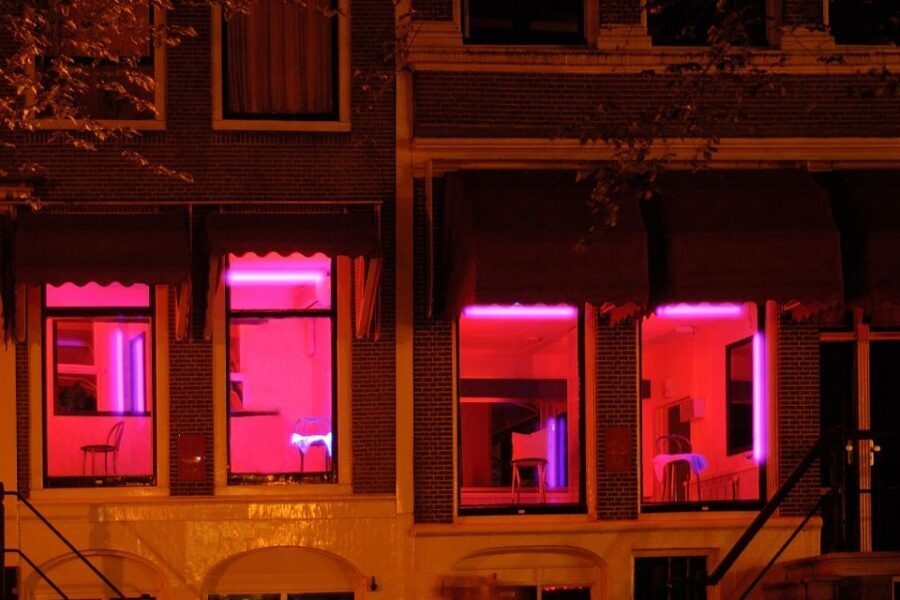
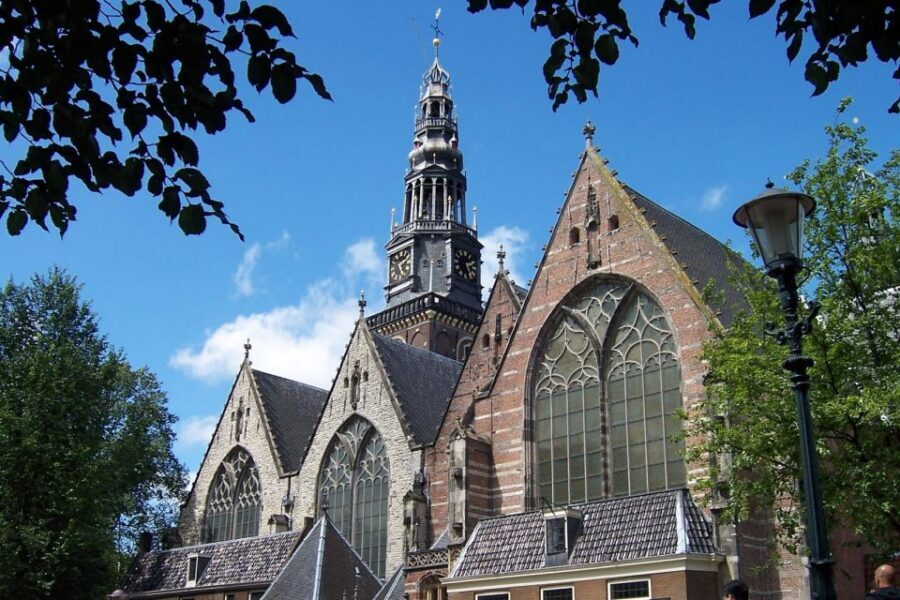
One of the strongest parts of the tour is how it steers you toward Oude Kerk, Amsterdam’s oldest building. Even if you know the Red Light District by reputation, Oude Kerk helps reframe what you’re looking at. You’re not just seeing a modern, internationally famous zone—you’re seeing layers of time sitting side by side.
When the audio brings you here, it’s not just name-dropping. The point is to give you a mental map: the district you’re walking through is part of the city’s historic core. Old religious spaces, civic stories, and everyday commerce all shaped what the neighborhood became.
Why I think this is smart for you: lots of Amsterdam tours skip straight to famous corners and miss the way history actually works on streets. Here, the audio helps you notice that the neighborhood is made of ordinary places that have held extraordinary roles over centuries.
A small consideration: because this tour is history-leaning and site-focused, don’t expect it to behave like a modern commentary track about sex work. It’s more about how the area got where it is, using landmarks as anchors.
Belle and sex workers’ rights: what the tour is really pointing at
The tour includes the Belle statue, described as a small monument honoring sex workers’ rights. That’s a meaningful inclusion because it signals the intended tone of the experience: it wants you to see people and rights, not just windows and stereotypes.
Even if you don’t linger at the statue for long, the audio helps you interpret it. It frames visibility as something Amsterdam has debated and reshaped over time. Instead of treating the district as a single-purpose place, the tour nudges you to think about how public policy, culture, and community attitudes change.
For many visitors, this is where the walk starts to feel more thoughtful. It’s not asking you to agree or judge—just to understand that the neighborhood’s identity has been contested and influenced for a long time.
If you’re uncomfortable with the theme, this is still designed to be respectful. But it’s also designed for adults only, and the tour is clearly centered on a neighborhood that is known for sex work.
Café In’t Aepjen and the people behind the streets
Another standout stop is Café In’t Aepjen. A cafe might not sound like a headline act compared with churches and gates, but it’s exactly the kind of place that makes an audio tour feel human.
The audio approach emphasizes sailors, merchants, residents, and travelers—so you’re not just touring buildings. You’re following the idea of movement: people arriving, passing through, working, living, and leaving traces in the city’s fabric.
That framing helps you connect dots as you walk through narrow alleys and corners. Instead of seeing the Red Light District as a single entertainment zone, you start seeing it as an urban neighborhood that kept changing jobs, visitors, and roles over time.
Where this can be a drawback: if you’re looking for a longer, more labor-specific route through the district’s most well-known areas, the tour’s one-hour structure may feel tight. The audio includes many historic anchors, which can shorten the time spent on purely street-level observation.
Still, for most people, this blend is a good match: it keeps the walk lively without turning it into a checklist of shock-and-wow moments.
Ons’ Lieve Heer op Solder: the clandestine chapel effect
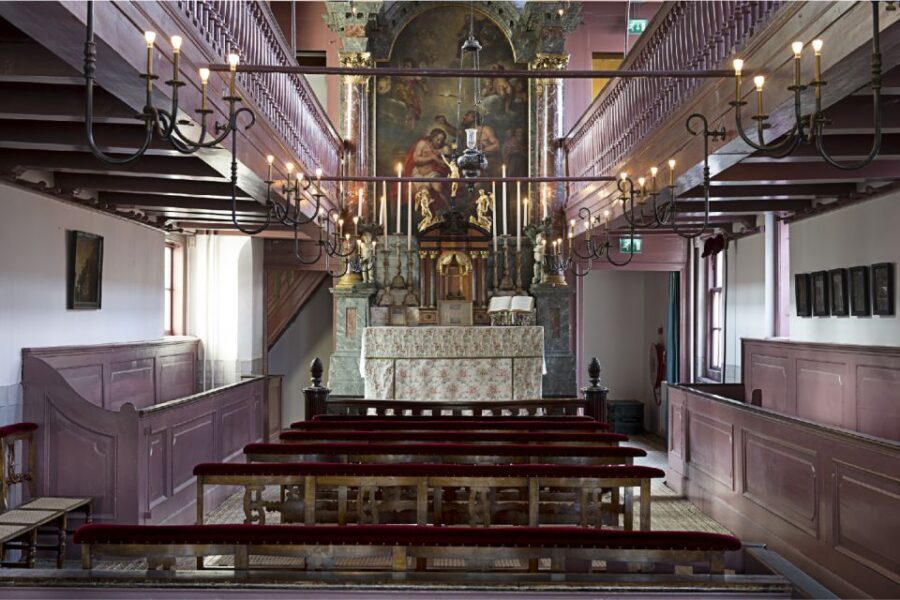
The tour also points you toward Ons’ Lieve Heer op Solder, the chapel located in an upper setting—one of those Amsterdam oddities that feels like a story before you even hear the narration.
The audio calls it a clandestine chapel. That single phrase does a lot of work: it signals secrecy, shifting authority, and the way people had to adapt to keep faith and practice alive. It’s the kind of stop where you can look at a building and feel the city’s history pressing outward.
What I like here for practical travelers: this is a great example of why a smartphone audio tour is useful in a dense city. You can’t always know what you’re looking at from street level. The narration gives you a lens, and suddenly the place makes more sense.
One caution: entry to specific historic sites or museums isn’t included. So if the chapel is open and you want to go inside, plan on paying admission separately. The tour is built to guide you through context, not to cover ticketed access.
You can also read our reviews of more tours and experiences in Amsterdam





Bloedstraat and the rhythm of narrow streets
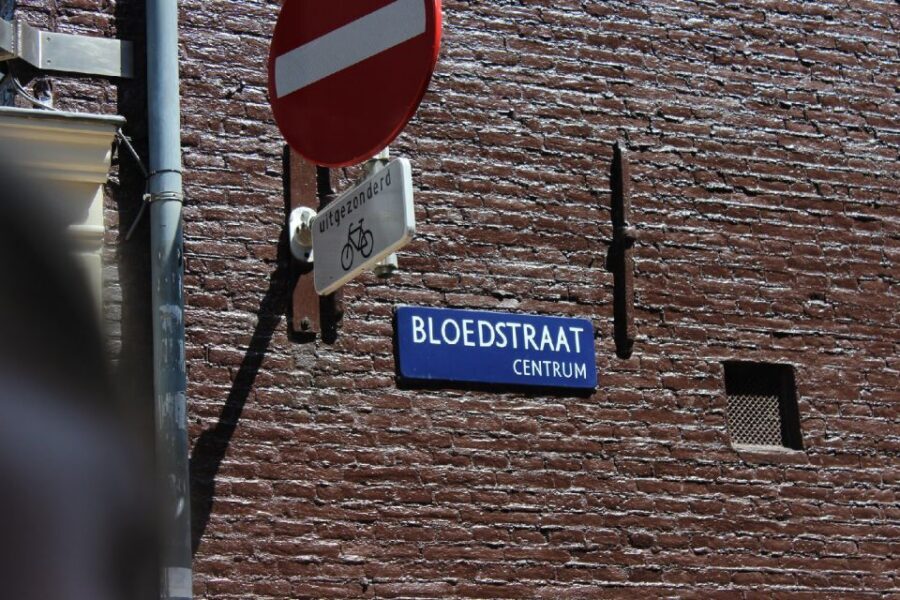
The audio includes Bloedstraat, one of those street names that sounds like it belongs in a darker legend than modern Amsterdam. That’s part of the charm of the storytelling concept: it gives you permission to treat the city like a set of chapters.
Streets like Bloedstraat also help explain why the tour isn’t just about stopping at famous landmarks. As you walk, the narration steers you to notice how tight lanes and small corners shape your experience. It’s harder to rush through a neighborhood like this. Your pace naturally slows because you’re constantly recalibrating your direction.
If you enjoy walking tours where the guide is your ears and not your feet, this portion will feel satisfying. The audio helps you connect what you’re seeing—alleys, building facades, street-level cues—to what those spaces represented over time.
And since the content is downloadable for offline use, you can keep the focus on the street around you. You won’t be breaking your flow to reload pages or search for maps mid-walk.
Ending at Nieuwmarkt and the Waag building
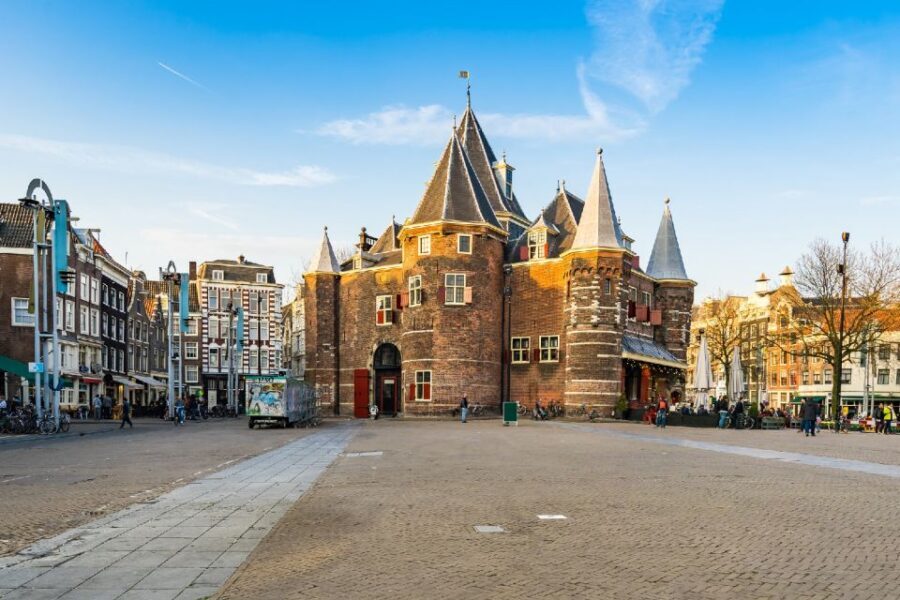
Your tour ends at Nieuwmarkt, with the Waag building as a key landmark. The Waag is described as having served first as a city gate, later as a guildhall, and now as a symbol of Amsterdam’s evolving identity.
That arc is why this ending works. The tour begins with origins at Dam Square. It ends with a structure that shows how the city adapted its purpose over time. You’re essentially watching Amsterdam’s function shift as you move through the neighborhood’s story.
Nieuwmarkt itself is a useful endpoint because it’s not a dead-end zone. It gives you a logical place to rejoin the rest of the city and continue your day—whether that means heading back toward the canals or connecting to another neighborhood walk.
Again, entry to sites and museums isn’t included. The narration still helps you appreciate what the Waag represents, but if you want to go further inside any ticketed locations, you’ll need to arrange that separately.
Price and value: is $7 worth it here?
At $7 per person, this audio tour is priced more like a low-cost “guided walk in your pocket” than a traditional paid guided excursion. That can be a great deal if you’re the type of traveler who likes structure but hates time pressure.
The value equation looks strong because the tour includes:
- an audio tour for your smartphone
- an activation link to get access
- offline content, including an offline interactive map
Also, the “small group” element (limited to 10 participants) suggests the operator keeps things controlled at booking time, even though you’re self-guided. You’re not sharing tight spaces with a full bus of people.
When it might not be worth it: if you want a live guide to answer questions on the spot, or if you’re expecting the audio to function like a detailed explanation of prostitution in the modern era, this won’t match that expectation. The tour is built around historic depth and landmark storytelling.
My practical take: for the price, it’s a smart add-on to an Amsterdam itinerary—especially if you want a respectful, history-forward walk through a neighborhood people usually approach with quick, judgment-heavy assumptions.
Smartphone audio logistics: how to make it run smoothly
This is a downloadable self-guided audio tour. That’s both the strength and the risk.
Your biggest job: download everything before you start walking. The area can have weak or unavailable mobile signal in public places. If you rely on data while on the move, you’ll risk dead audio at the exact moment you’d most want it.
Here’s what you should plan for:
- Bring headphones (not included)
- Bring a charged smartphone
- Expect 100–150 MB of storage for the audio content
- Android or iOS smartphone is required
- It’s not compatible with Windows phones
- It’s also not compatible with iPhone 5/5C or older, and certain older iPad/iPod models
Another practical note: it’s book per device, not per participant. If you’re traveling in a group, plan who will carry the phone with the activated tour.
Also, languages included are English, German, and Italian. If you don’t see your language option on your device, double-check the download instructions sent after booking.
One more tip that saves time: since access instructions come by email from the local partner, check your spam folder. You don’t want to arrive at Dam Square and then spend your first 20 minutes troubleshooting downloads.
Who should book this Red Light District audio tour
This tour fits best if you:
- like walking with a clear route and short stops
- prefer reading a city through context rather than just watching street scenes
- want offline reliability (so your day isn’t hostage to mobile signal)
- enjoy quirky, respectful storytelling that ties landmarks together
It may not fit if you:
- need a live guide for sensitive questions
- want tickets included for specific sites
- want a long, purely street-level tour with more time inside the most famous blocks
- are traveling with anyone under 18, since it’s not suitable for children under 18
If you’re a first-time Amsterdam visitor, it can also be a useful “tone setter.” Many people experience the Red Light District as a shock. This format steers you toward understanding, buildings, and civic change first—then you can decide what you want to observe on your own afterward.
Should you book this Amsterdam Red Light District smartphone audio tour?
Yes, I’d book it if you want a structured, self-paced walk that’s affordable and respectful—starting at Dam Square and ending at Nieuwmarkt with Oude Kerk, Belle, Café In’t Aepjen, Ons’ Lieve Heer op Solder, Bloedstraat, and the Waag building as meaningful anchors.
Skip it (or adjust expectations) if your main goal is very specific, modern, street-level detail delivered by a live person. This is a smartphone audio tour with history-forward storytelling, not a guided deep exam of prostitution.
If you do book, set yourself up for success: download the audio and offline map ahead of time, pack headphones, and plan for a comfortable hour of walking without rushing.
FAQ
Where does the self-guided audio tour start?
The audio tour starts at Dam Square. There is no meeting point and no live guide.
Is there a live guide on this tour?
No. It’s a self-guided smartphone audio tour, so you navigate and listen on your own.
How much does the Amsterdam Red Light District smartphone audio tour cost?
The price is $7 per person.
What does the tour include besides audio narration?
You get a smartphone audio tour, an activation link to access it, and offline content with an offline interactive map.
Are entrance tickets to sites like churches or museums included?
No. Tickets or entry to specific sites or museums are not included.
What languages are available for the audio?
The audio is available in English, German, and Italian.
What do I need to bring with me?
You should bring headphones and a charged smartphone.
Is the tour compatible with Windows phones?
No. The tour is not compatible with Windows phones.
Is the tour suitable for children?
No. It is not suitable for children under 18.