REVIEW · AMSTERDAM
Small Group LGBTQ+ History Tour in Amsterdam
Book on Viator →Operated by Badass Tours · Bookable on Viator
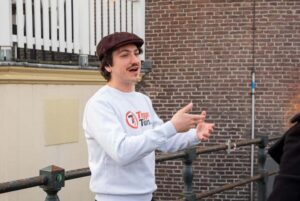
Amsterdam has queer secrets in plain sight. This small-group walk turns everyday streets into a living timeline, with stories that connect LGBTQIA+ life, law, and resistance across centuries. I love the tight group size of eight or fewer, and I also love how the guide works like a storyteller, not a lecturer.
I especially like the mix of big turning points and oddball characters. You’ll hear about the world’s first legal gay marriage, plus wild tales like the Pope of the Gays and a pompous doctor whose actions may have accidentally helped lesbians legally. In the reviews, guides such as Guus and Elyzabeth bring the facts to life in a way that feels human and funny.
One consideration: the tour depends on good weather, so plan for a walk outdoors (and bring a layer even when skies look okay).
In This Review
- Key things to know before you go
- A 2-hour Amsterdam walk that connects stories to real corners
- Meeting at Utrechtsestraat 4, ending on Torensluis by Multatuli
- Stop-by-stop: Rembrandtplein to Torensluis, the LGBTQIA map you don’t see on postcards
- Rembrandtplein: nightlife center, gay love, and the long reach of power
- Munt Tower (Munttoren): when a shopkeeper tried to protect friends
- Koningsplein: a familiar name tied to secrets the church tried to hide
- Emperor’s Canal (Keizersgracht): the Pope of the Gays, a lesbian love triangle, and legal side effects
- Gay Monument: celebration and mourning in the same place
- Herengracht: queer Resistance fighters in an inconspicuous canal house
- Torensluis: a trans soldier and the surprise message in the militia story
- The themes you walk away with (and how to use them in real travel)
- Guide style matters: Guus and Elyzabeth bring the city to life
- Price and value: why $47.34 can still feel fair in Amsterdam
- Who should book this tour
- Should you book this Small Group LGBTQ+ History Tour in Amsterdam?
- FAQ
- How long is the Small Group LGBTQ+ History Tour in Amsterdam?
- What is the group size limit?
- Is the tour offered in English?
- Where do I meet, and where does the tour end?
- Do I need to buy separate admission tickets at the stops?
- What happens if the weather is bad?
- Can I cancel for free?
- Are service animals allowed?
Key things to know before you go

- Eight people max keeps the vibe personal and questions welcome.
- Story-first history links LGBTQIA+ life to places you already see on a map.
- Free admission tickets at each stop means no surprise fees to budget.
- Canal-and-square route takes you through Amsterdam’s nightlife center and quieter waterside streets.
- Ends at Torensluis by the Multatuli sculpture, so you finish with a clear landmark.
A 2-hour Amsterdam walk that connects stories to real corners
Amsterdam is great for museums. But it is also great for streets. This tour treats the city like a notebook: you stop, the guide reads the page out loud, then you look around and suddenly the square or canal makes sense.
You get an intimate group, capped at eight people, which matters more than you’d think. When you’re not packed in, the guide can pace to the group. It’s also easier to hear the smaller details—the little social clues, the street-level reasons people acted, and the way history shows up in everyday names.
The route is built for history buffs, LGBTQ+ travelers, and anyone who likes learning something new without feeling lost in a classroom. You’re not just collecting dates. You’re building a mental map of how visibility, safety, and legal change worked in practice.
You can also read our reviews of more historical tours in Amsterdam



Meeting at Utrechtsestraat 4, ending on Torensluis by Multatuli
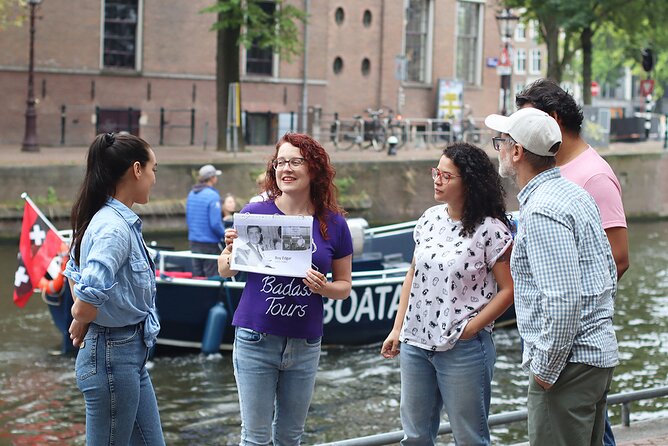
Logistics are simple and low-stress. You meet at Utrechtsestraat 4, 1017 VN Amsterdam, and you finish on Torensluis (Torensluis, 1012 VK) by the Multatuli sculpture.
The tour uses a mobile ticket, which means less fumbling with paper in wet weather. It’s also offered in English, so you can stay fully in the story without half-translating.
It’s a walking route, and the timing is tight: it runs about two hours. That’s enough time to cover several stops without dragging, but it’s still long enough that comfortable shoes are your friend—especially if the wind is doing its thing.
Stop-by-stop: Rembrandtplein to Torensluis, the LGBTQIA map you don’t see on postcards
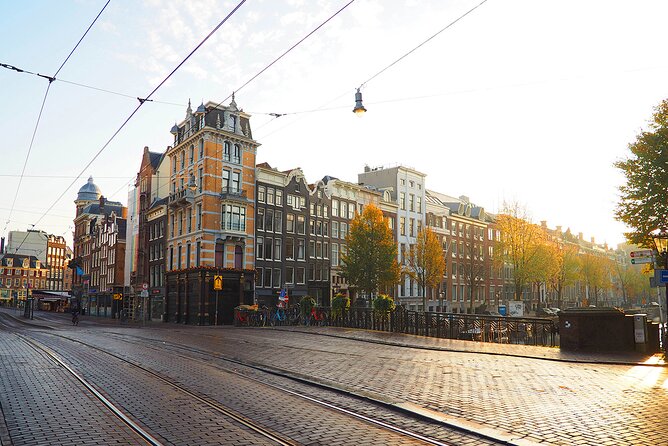
Each stop is short—think 15 to 20 minutes—but the goal is not to sprint. The goal is to hit the parts of Amsterdam that most visitors ignore, then give you context that makes the location click.
Rembrandtplein: nightlife center, gay love, and the long reach of power
Your first stop is Rembrandtplein, and the tour starts with a flying overview of Amsterdam. Then the stories kick in: LGBTQ clubgoers, a married king with affairs with men, and Amsterdam’s claim to the world’s first legal gay marriage.
Why this works: Rembrandtplein is busy and loud by default. Starting here tells you something important—LGBTQIA+ life in Amsterdam has never been only about private spaces. It’s also about visibility, rumor, and the way public life brushes against private choices.
Possible drawback: because this is a central area, it can feel noisier than later stops. If you’re sensitive to sound, just know the guide’s job is to steer you toward meaning over ambience.
Munt Tower (Munttoren): when a shopkeeper tried to protect friends
Next you head to Munt Tower (Munttoren). Here you learn about a shopkeeper who tried to protect his friends in the face of state violence.
This is one of those stops that changes how you look at a city. A tower can be just a landmark, or it can be a clue. The guide uses this place to show how everyday people made choices when institutions got harsh. You don’t need to be a political history fan to feel the stakes.
Tip for you: slow down your attention. Look at the surrounding streets and imagine what it would mean to choose risk for the sake of someone else.
You can also read our reviews of more tours and experiences in Amsterdam

Koningsplein: a familiar name tied to secrets the church tried to hide
At Koningsplein, the tour connects a well-known name to LGBTQIA history, in a way the Catholic church tried to keep hidden.
This stop is valuable because it shows how power moved through more than one channel. Law matters, but so does moral authority, public messaging, and the ability to erase or obscure stories.
The tradeoff: the tour touches on hidden history, but it’s still a brief stop. If you like your history with extra footnotes, you may want to jot down names so you can follow up later.
Emperor’s Canal (Keizersgracht): the Pope of the Gays, a lesbian love triangle, and legal side effects
Then you move to Keizersgracht, also known as Emperor’s Canal. The stories here are on the wild side: the Pope of the Gays, a 17th-century literary lesbian love triangle, and a pompous doctor whose actions may have accidentally given lesbians legal cover.
Why this matters: canals can feel pretty and quiet. This stop refuses that stereotype. It shows how ideas—romance, identity, and legal status—circulated through writing and rumor, not just through formal courtrooms.
Practical note: canal areas can feel windy. Keep a light layer handy, even if you’re otherwise comfortable.
Gay Monument: celebration and mourning in the same place
At the Gay Monument, the tour brings you to a site that has served as both celebration and mourning for Amsterdam’s LGBTQIA+ community since it was unveiled.
The guide uses it to spotlight a lesbian hero—presenting her as badass, not dusty. That matters because it reframes what memorials are for. They’re not just about the past. They’re also about what a city chooses to remember out loud.
This is a good stop to slow down. Look around the space. Let the guide’s story land before you move on.
Herengracht: queer Resistance fighters in an inconspicuous canal house
On Herengracht, you hear about queer Resistance fighters connected to work carried out in an inconspicuous canal house.
This is the kind of stop that makes you rethink the word ordinary. Amsterdam’s canal neighborhoods look calm on the surface. The tour makes it clear that calm can exist beside courage and danger.
If you like human-scale history, this one’s for you. If you prefer only major monuments, this stop might feel smaller. But it’s exactly the kind of “invisible” story many visitors miss.
Torensluis: a trans soldier and the surprise message in the militia story
The final stop is Torensluis, where the tour ends at the bridge by the Multatuli sculpture. The closing story focuses on a trans soldier who served in 18th-century Amsterdam’s militia—and the surprising message tied to that service.
Why the ending works: the tour starts with club life and royal affairs, then moves through law, church secrecy, literature, public memorials, and Resistance. Ending with a militia story brings it full circle—identity isn’t only something people had at the edge of society. It existed inside institutions, even when those institutions were violent.
And the ending location gives you a clean finish point for getting on with the rest of your day.
The themes you walk away with (and how to use them in real travel)
This tour is built around a simple idea: LGBTQIA+ history in Amsterdam is not a single storyline. It’s overlapping threads—social life, legal shifts, moral authority, and acts of defiance.
You get a sense of how rights and recognition don’t appear out of nowhere. They arrive through pressure, people making choices, and sometimes through accidents or side effects that weren’t meant to help.
You also get a better sense of why names matter. A familiar name at Koningsplein. A guide pointing you toward how stories were hidden or preserved. A monument marking what the city wants to remember. It’s all connected to how communities survive.
If you want to make your whole trip smarter, use what you learn here when you walk other neighborhoods afterward. When you see a canal house, a church-adjacent street, or a memorial, you’ll start asking different questions—and you’ll notice details you would normally skip.
Guide style matters: Guus and Elyzabeth bring the city to life

The tour’s big strength is not just what you learn. It’s how you learn it.
A local guide acts as a storyteller and history fan, and the tone stays lively. In the reviews you can feel the effect: on a cold, wet, windy day, guide Guus kept the group entertained, and the two hours felt like they flew by. Another guide, Elyzabeth, led locals through a way of seeing Amsterdam that changes how you read the city afterward.
That kind of guide energy is what turns a checklist of stops into a real walking narrative. You’re less likely to forget the story because it’s attached to a place you can point to.
Price and value: why $47.34 can still feel fair in Amsterdam
At $47.34 per person, this tour sits in the midrange for a guided walk. The value comes from three places.
First, you get a small group (max eight). In practice, that often means a more fluid conversation and better control of pacing.
Second, the tour lasts about two hours, which is enough time to cover multiple key sites without leaving you exhausted or bored. You’re walking, listening, and then absorbing.
Third, the tour lists admission ticket free for each stop, which helps you avoid add-on costs during the experience. You’re paying for interpretation and storytelling more than you’re paying for doors and tickets.
If you’re budgeting, I’d treat this as a history-and-context add-on that makes other days in Amsterdam richer. If you’re in town for a short visit, it’s also a fast way to learn the city’s LGBTQIA story without trying to stitch it together yourself.
Who should book this tour
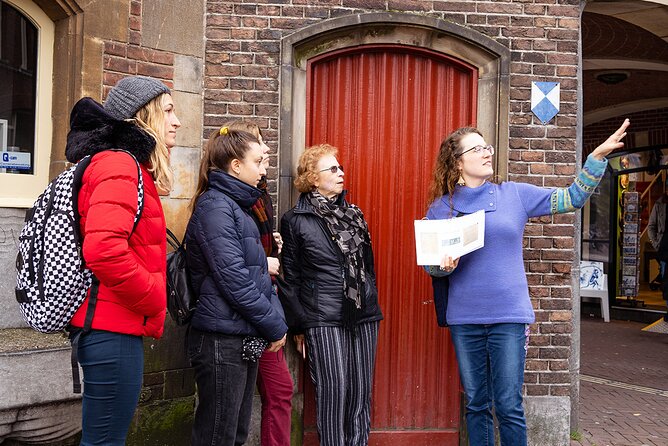
I think you’ll love it if you:
- enjoy history that uses real places, not just museum displays
- want LGBTQIA+ stories across centuries, from legal milestones to Resistance courage
- like small groups where you can actually hear the guide
- prefer an English tour with a clear start and end
You might choose something else if you only want long, ticketed museum time or you hate walking when it’s wet or windy. The tour depends on good weather, and it’s outdoors.
Should you book this Small Group LGBTQ+ History Tour in Amsterdam?
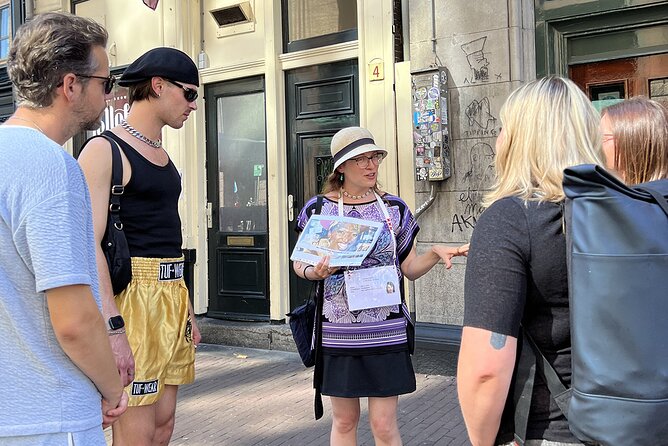
Yes, if you want your Amsterdam to feel less generic and more specific. This tour gives you a guided route through squares and canals that most people overlook, then plugs each location into a bigger human story. The small group size and storyteller style help a lot, and the fact that each stop is admission ticket free keeps it straightforward.
If weather is looking shaky, keep flexible plans. When the sky cooperates, this is exactly the kind of two-hour experience that makes the rest of your trip click.
FAQ
How long is the Small Group LGBTQ+ History Tour in Amsterdam?
It lasts about 2 hours.
What is the group size limit?
The tour has a maximum of 8 travelers.
Is the tour offered in English?
Yes, it’s offered in English.
Where do I meet, and where does the tour end?
You start at Utrechtsestraat 4, 1017 VN Amsterdam, and the tour ends on Torensluis, 1012 VK Amsterdam, by the Multatuli sculpture.
Do I need to buy separate admission tickets at the stops?
The tour information lists admission ticket free for each stop.
What happens if the weather is bad?
This experience requires good weather. If it’s canceled due to poor weather, you’ll be offered a different date or a full refund.
Can I cancel for free?
Yes. You can cancel up to 24 hours in advance for a full refund.
Are service animals allowed?
Yes, service animals are allowed.