REVIEW · AMSTERDAM
Amsterdam Highlights and History Walking Tour (MUST DO)
Book on Viator →Operated by Trigger Tours · Bookable on Viator
Amsterdam tells its story on your feet. This 2-hour, English-led city-center walk strings together the places that shaped Dutch life, from Dam Square’s power to the canal ring you’ll keep seeing in photos. You’ll get a clear sense of what to explore next, without feeling like you’re sprinting.
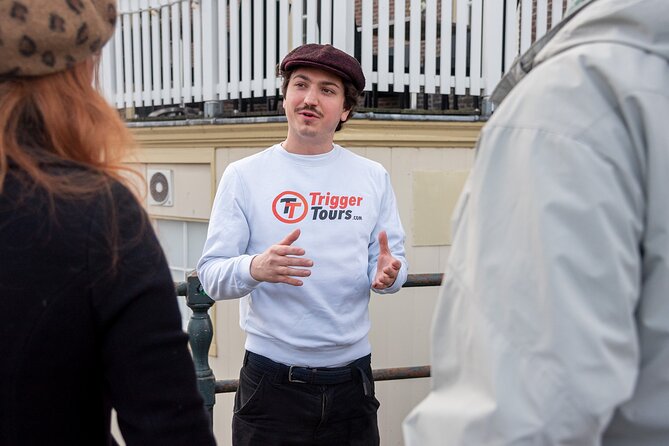
I love the small group size (max 15). I also like that your guide turns major sights into a story about Dutch culture and history, not a list of dates.
One thing to plan for: you’ll be walking and standing for about two hours, and you need to stay alert because Amsterdam cyclists share the street.
In This Review
- Quick hits before you go
- Price and what you actually get for $26.91
- Meeting at Damrak: how to find the tour and settle in
- Dam Square: where power, culture, and everyday life collide
- The UNESCO canal ring: your shortcut to understanding Amsterdam’s planning
- A 14th-century Beguines courtyard: a quiet story inside a busy city
- Old Church (13th century): from Catholic roots to Protestant use
- Royal Palace: Dutch classicism and royal presence
- Nieuwmarkt: from old city walls to a daily market square
- The guide factor: why names like Andrea, Gio, and David matter
- Who should book this (and who should think twice)
- Timing and demand: why booking earlier can help
- What to do with this tour after you finish
- Value check: does $26.91 make sense?
- Should you book Amsterdam Highlights and History?
- FAQ
- How long is the Amsterdam Highlights and History walking tour?
- Where does the tour start?
- Is the tour in English?
- How much does the tour cost?
- What’s included in the ticket price?
- What’s not included?
- How big is the group?
- Is there free cancellation?
Quick hits before you go
- Start at Damrak so you’re already in the middle of the action right away.
- Dam Square orientation helps you understand why this site matters for politics and public life.
- UNESCO canal ring gives you a fast, practical read on how Amsterdam grew and worked.
- A 14th-century Beguines courtyard shows a rare side of religious and daily life history.
- Old Church (13th century) connects Catholic origins to later Protestant use and today’s cultural role.
- Royal Palace + Nieuwmarkt pack in Dutch classicism and a market square that replaced old city walls.
Price and what you actually get for $26.91
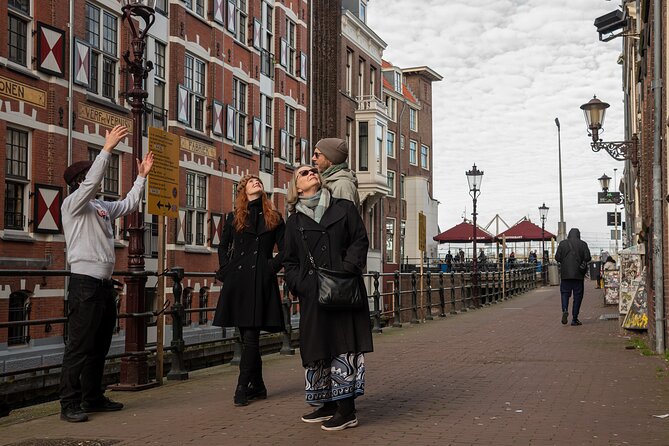
At $26.91 per person for around 2 hours, this is a “get your bearings fast” kind of tour. You’re paying mainly for a local guide’s explanations and a structured route that hits major landmarks without you having to plan every turn.
The value is stronger because the group stays small. A maximum of 15 people means you can ask questions and actually hear the answers, instead of yelling over a crowd.
You’ll also want to know what’s not included. There’s no food or drinks, so you’ll likely want a quick snack plan before or after. (Amsterdam walks can make you hungry faster than you expect.)
You can also read our reviews of more walking tours in Amsterdam



Meeting at Damrak: how to find the tour and settle in
You start at Damrak 1-5, 1012 TM Amsterdam. That’s a central launch point, close to public transport, which helps if your hotel is outside the core.
The activity ends back at the meeting point. That matters because you’re not left stranded in some far corner—you can hop to lunch, a museum, or a canal cruise right away.
Bring comfortable shoes. You’re on foot for about two hours, and the route covers several distinct historic areas, each with its own streets and crossings. Also, keep an eye out for bicycles at street level—Amsterdam traffic is efficient, and it doesn’t slow down for sightseeing.
Dam Square: where power, culture, and everyday life collide
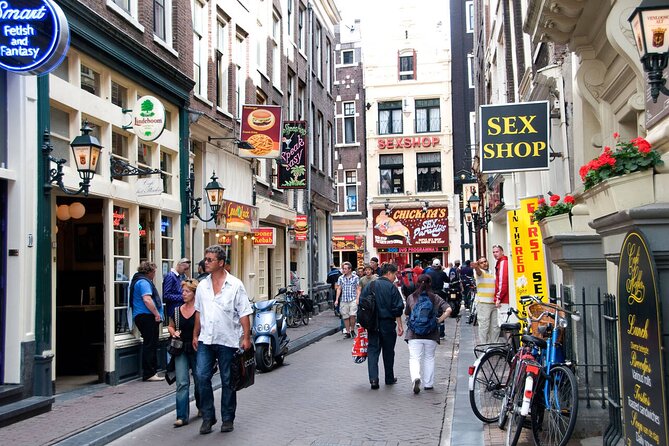
The walk kicks off at Dam Square, the heart of Amsterdam. This square has been significant for centuries, and your guide uses it as a starting point for the city’s political and cultural identity.
What I like about starting here is that it gives you context. From Dam Square, it’s easier to connect the dots between what you see next (churches, palaces, civic buildings) and why those institutions mattered.
Dam Square is also where you can feel the city’s rhythm. Even if you’re only passing through, it’s a strong anchor for understanding Amsterdam’s public life.
The UNESCO canal ring: your shortcut to understanding Amsterdam’s planning
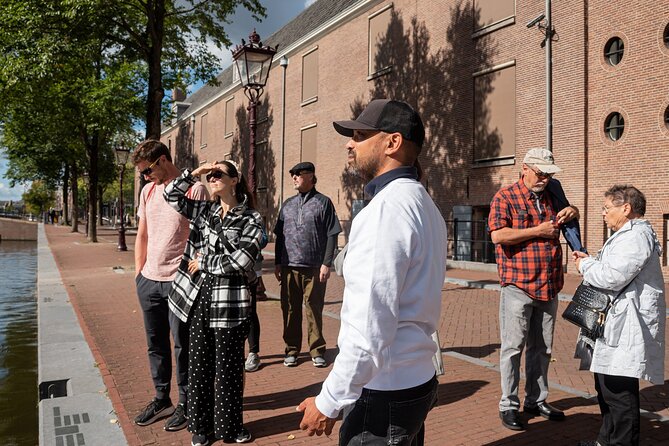
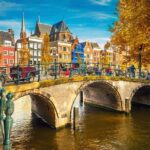
Next comes the canal ring, a UNESCO World Heritage Site and one of the city’s most photogenic sections. More than a pretty backdrop, these canals reflect smart urban planning and engineering—plus the wealth and ambition that shaped the city.
This is the moment where the tour earns its keep. Your guide doesn’t treat the canals like wallpaper. You’ll learn how the city’s layout connects neighborhoods, trade, and the canal network itself.
Also, keep your eyes open for the little tells—how buildings face the water, how streets connect to canal edges, and how the canal geometry affects movement. Even on a short walk, you’ll start noticing patterns that make the rest of Amsterdam feel less random.
A 14th-century Beguines courtyard: a quiet story inside a busy city
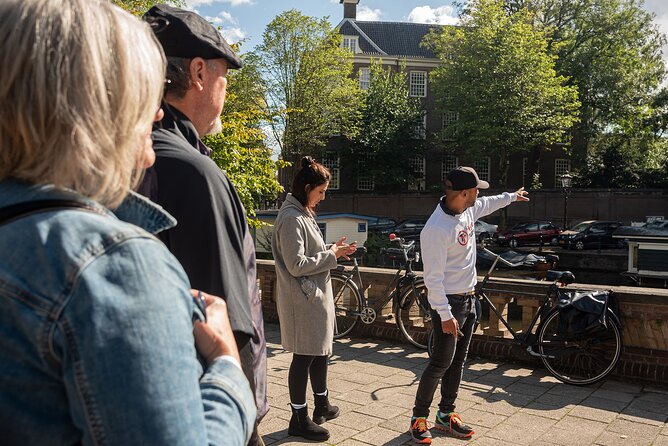
Then you’ll step into something that feels more tucked-away than the big landmarks. This historic courtyard dates to the 14th century and is one of Amsterdam’s oldest and best-preserved areas.
It was originally home to the Beguines, religious women who lived in a semi-monastic community. That detail matters because it shifts the story away from kings and churches alone. It highlights how everyday faith and community life shaped the city in a quieter, long-lasting way.
One practical thought: courtyards can mean uneven ground and slightly different walking surfaces. Take your time, look around, and don’t rush this stop. It’s one of the places where the guide’s pacing really helps you absorb what you’re seeing.
You can also read our reviews of more historical tours in Amsterdam






Old Church (13th century): from Catholic roots to Protestant use
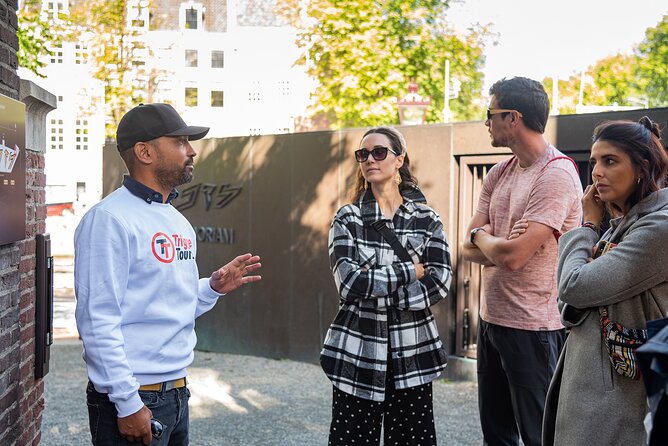
You’ll visit Amsterdam’s Old Church, dating back to the 13th century. It originally began as a Catholic church, later used by Protestant congregations, and today functions as a cultural center.
This stop is where Amsterdam’s layered history becomes obvious. One building can reflect shifts in power, belief, and public life over centuries. It’s a reminder that the city didn’t switch identities overnight—it evolved.
If you like architecture and cultural transitions, this is a highlight. Your guide’s job here is to point out what to notice, so you don’t just see a pretty exterior and move on.
Royal Palace: Dutch classicism and royal presence
From there, you’ll move to the Royal Palace, originally built as a town hall in the 17th century. The palace is now one of three used by the Dutch royal family, and it’s open to the public for tours.
Even when you’re not going inside on your specific route, this is a key visual stop. Dutch classicism isn’t always what people picture when they think of Amsterdam, so it’s a nice contrast to the canal scenes.
What makes it work on foot: your guide can connect civic life and royal symbolism. You start understanding why Amsterdam built impressive public spaces—and why those buildings still matter.
Nieuwmarkt: from old city walls to a daily market square
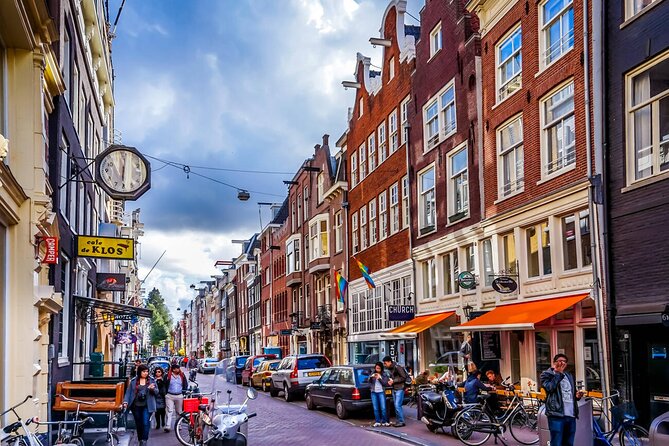
You’ll finish at Nieuwmarkt, a bustling square that used to be part of Amsterdam’s 17th-century city walls. Today it’s known for a daily market, cafes, and restaurants, surrounded by historic buildings.
This is a great “wrap-up” stop because it connects the past to the present. City walls were about protection and control. Nieuwmarkt is about daily life—food, chat, and people moving through the neighborhood.
One of the smartest things your guide does here is make the square feel like part of the same story you started at in Dam Square. You leave with a sense of how Amsterdam layers old structures into modern routine.
The guide factor: why names like Andrea, Gio, and David matter
The single biggest driver of enjoyment on a history walk is how the guide tells the story. And on this one, the guide lineup has shown up in a strong way in real-world experiences—people have highlighted names like Andrea, Aarre, Aaron, David, Gio, and James for clear, engaging explanations.
You’ll likely notice a few common threads across strong guides:
- They keep the pace comfortable for a group walk.
- They answer questions instead of racing ahead.
- They bring the meaning of buildings into plain language.
If you care about understanding why a place is important, not just seeing it, you’re in the right spot.
Who should book this (and who should think twice)
This tour fits best if you:
- Are in Amsterdam for the first time and want a practical orientation
- Like history that connects politics, religion, and daily life
- Prefer a structured walk over reading guidebooks all day
- Want a small-group experience (max 15) that feels personal
You might think twice if you:
- Don’t like being on your feet for about two hours
- Have mobility limits that make standing and slow walking hard
- Are very uncomfortable around bike traffic at street level
Also, check the weather mindset. Amsterdam can be damp, and a walking tour means you’re exposed. Pack for the conditions, not the forecast you hope for.
Timing and demand: why booking earlier can help
This experience is commonly booked about 57 days in advance on average. That doesn’t mean you have to panic-book, but it does suggest it’s popular—especially if you’re traveling during peak season or on weekends.
If your dates are fixed, booking earlier gives you more choices in tour times and helps avoid “sold out” surprises.
What to do with this tour after you finish
Because the tour ends back at the meeting point in central Amsterdam, you can keep your momentum. After you get your bearings, it’s easier to pick a museum, plan a canal cruise, or even just wander without feeling lost.
Use the stops you learned as anchors. Dam Square becomes a landmark for where you are. The canal ring gives you a “map in your head.” The Old Church and Beguines courtyard help you focus your next history visit on the themes the guide introduced.
Value check: does $26.91 make sense?
For $26.91, you’re buying:
- A local guide
- A focused route through major landmarks
- Clear context for what you see (culture, Dutch history, and civic meaning)
You’re not buying food, which is normal for a walking tour. But if you combine this with a solid lunch afterward, the overall day still feels efficient and well-rounded.
If you’d otherwise spend time bouncing between sights without context, this is cheaper than it feels—because it saves you time and turns “seeing” into understanding.
Should you book Amsterdam Highlights and History?
I’d book it if you want a tight, high-impact way to learn Amsterdam’s story in just two hours. The small group size, the central start at Damrak, and the stop-by-stop coverage of Dam Square, the UNESCO canal ring, Beguines’ courtyard, Old Church, the Royal Palace, and Nieuwmarkt make it a smart introduction.
I’d skip or swap it if you need a very relaxed pace or you’re not comfortable with bike traffic and steady walking.
One more thing: it has an impressive track record—4.9 out of 5 with 97% recommendation from 29 ratings. That doesn’t guarantee your guide, but it does point to a consistently strong experience.
FAQ
How long is the Amsterdam Highlights and History walking tour?
It runs for about 2 hours.
Where does the tour start?
The meeting point is Damrak 1-5, 1012 TM Amsterdam, Netherlands.
Is the tour in English?
Yes, it’s offered in English.
How much does the tour cost?
The price is $26.91 per person.
What’s included in the ticket price?
It includes a local guide and a tour of Amsterdam.
What’s not included?
Food and drinks are not included.
How big is the group?
The tour has a maximum of 15 travelers.
Is there free cancellation?
Yes. You can cancel for a full refund up to 24 hours in advance. If you cancel less than 24 hours before, the amount paid is not refunded. Confirmation is received at booking.