REVIEW · AMSTERDAM
Amsterdam: Highlights & History Walking Tour
Book on GetYourGuide →Operated by Trigger Tours · Bookable on GetYourGuide
Amsterdam makes more sense with a real storyteller. This local guide–led small group (up to 8 people) packs the Old Town, Dam Square, and the Royal Palace, plus canal-side Flower Market time. I love the fast, street-level orientation it gives you, and I especially like how it explains the human stories behind the red-light district and the laws that shaped it.
One thing to keep in mind: it’s only 2 hours, so you’ll get views and context (not museum deep time). If you’re hoping for long stops inside major sites, plan those separately.
In This Review
- Key highlights worth your time
- Why this 2-hour Amsterdam walk is a smart first-day move
- Meeting point: Park Plaza Victoria Hotel, and the one thing to watch
- Old Town lanes, Anne Frank House area, and the origins story
- China Town, the Old Church area, and the feeling of the city as a patchwork
- Crooked houses, the narrowest street, and canal-side orientation
- Royal Palace area, Dam Square, and Begijnhof: the contrast that matters
- The red-light district context: learning the law behind the streets
- Floating street market and the Flower Market stop that closes the loop
- Price and value: what $32 buys you in Amsterdam
- Who will like this tour most (and who might want a different plan)
- Guide styles: what to expect from past guides
- Should you book this Amsterdam highlights and history walking tour?
- FAQ
- How long is the Amsterdam Highlights & History Walking Tour?
- What does it cost, and what’s included in the price?
- Where does the tour start, and where does it end?
- What sights will I see during the walk?
- Is the tour small group?
- What languages are offered?
- Is the tour wheelchair accessible, and is there an option for private groups?
Key highlights worth your time
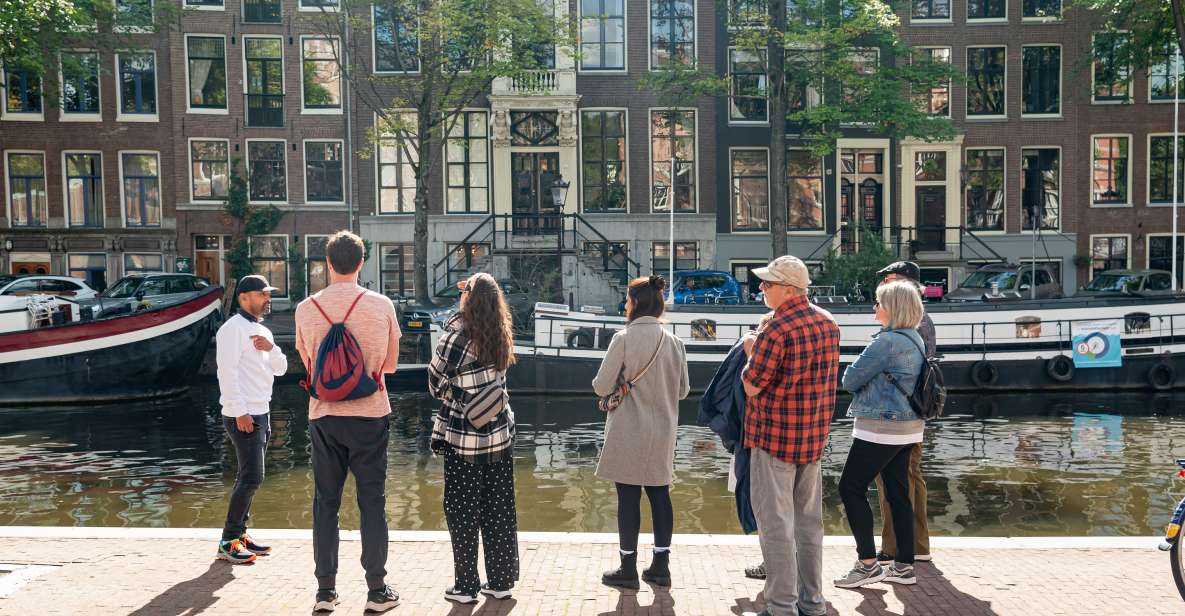
- Small group pace: limited to 8, which makes questions and detours for details actually work
- Story-based Amsterdam: you’ll hear why parts of the city look the way they do, not just what they are
- Classic sights plus odd corners: Old Church area, Chinatown streets, crooked houses, and the narrowest street
- Big square energy, quiet courtyard calm: Dam Square, Royal Palace area, then Begijnhof
- Flower Market payoff: a canal stop at the floating street market where flower shopping vibes are real
Why this 2-hour Amsterdam walk is a smart first-day move
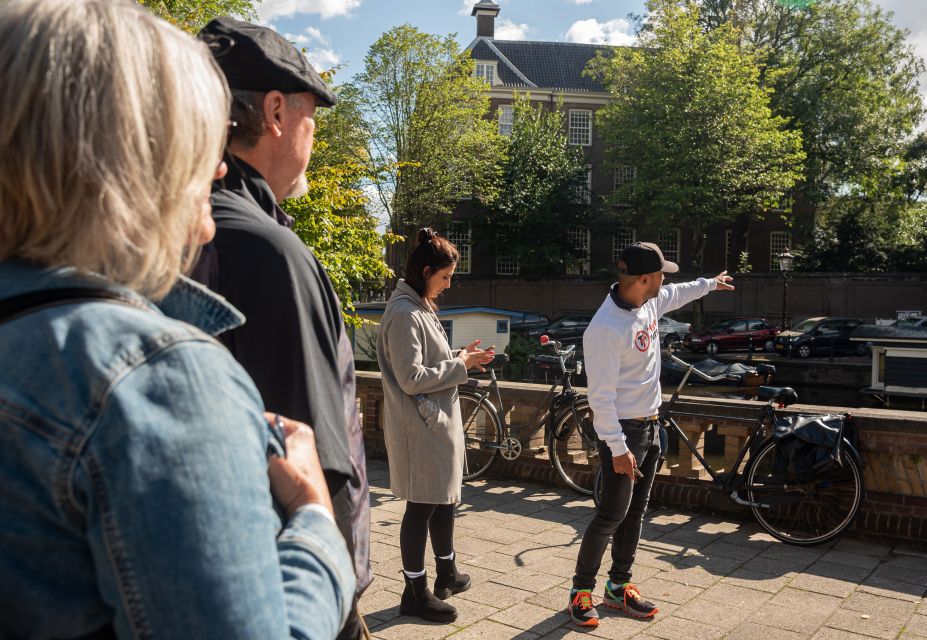
If Amsterdam is your first big Dutch city, this kind of tour is gold because it helps you connect dots quickly. In two hours you don’t just check boxes; you learn how the inner city grew, what trade and canals did for daily life, and why certain streets became famous for very specific reasons.
I like tours like this because they balance “wow” with “wait, why?” You’ll see the major anchors—Old Town lanes, Dam Square, the Royal Palace area—and you’ll also get smaller, stranger details that make the city click. Think crooked houses, the narrowest street of Amsterdam, and the kind of tucked-away church stops that make you feel like you found something by accident.
You also get a guide who can handle questions on the fly. Some guides (like Robin and Aaron) are praised for being upbeat and keeping the walk fun while staying on-topic. Others (like Arie and James) are noted for a good mix of humor and history, which matters because otherwise these walks can turn into a lecture.
You can also read our reviews of more walking tours in Amsterdam



Meeting point: Park Plaza Victoria Hotel, and the one thing to watch
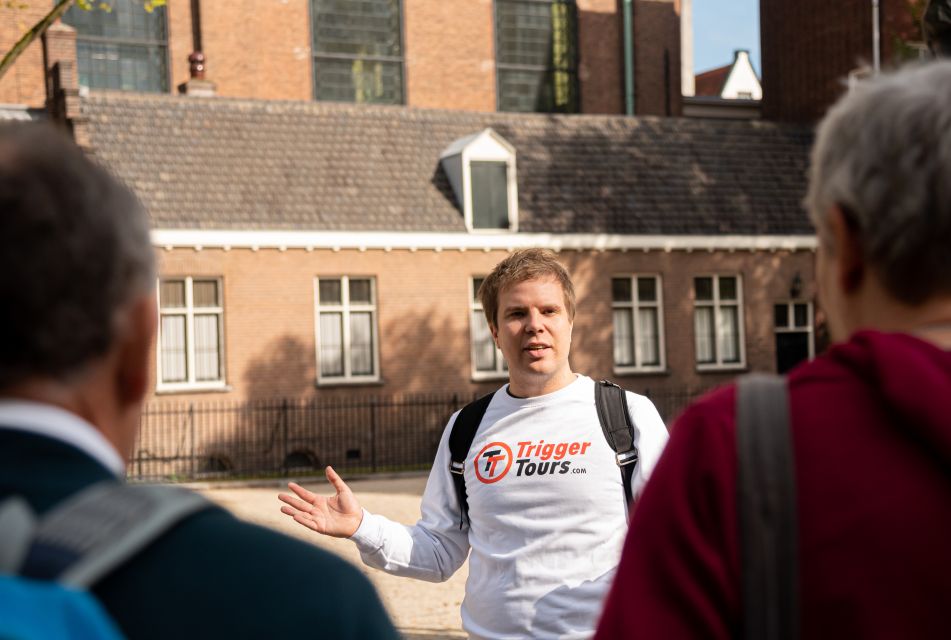
The tour meets in front of the main entrance of the Park Plaza Victoria Hotel. That’s clear, but big hotels can have multiple doors, entrances, and “main-looking” spots.
My practical tip: arrive a few minutes early and look for the guide or group sign. If you’re standing on the wrong side of the building, you can lose time fast—especially in the busy, canal-side streets where people often stop without realizing it.
The good news: the tour is set up for an easy walking flow from there, and it ends at Dam Square, so you’re not stuck backtracking across the center.
Old Town lanes, Anne Frank House area, and the origins story
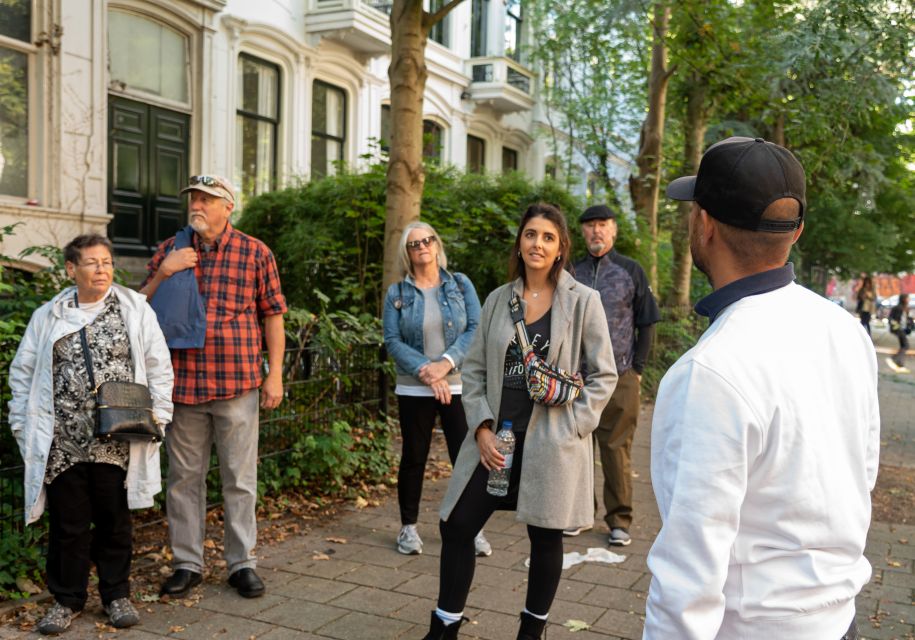
This walk starts by building Amsterdam’s origin story before you reach the headline squares. You’ll learn about Amsterdam’s rise from a small fishing village into a major trade and commerce center—then you’ll see how that growth still shows up in street patterns, building styles, and neighborhood character.
A big advantage here is context. When you later look at the Old Town around you, you won’t only think pretty canals and old brick. You’ll understand why people settled where they did, and what trade meant for wealth, ships, and city life.
You’ll also see major landmarks along the way, including the Anne Frank House area. The tour description focuses on sightseeing and stories, so don’t assume you’ll do a full museum-style visit. But you will get the sense of place—how that part of the city fits into the broader map of Amsterdam.
China Town, the Old Church area, and the feeling of the city as a patchwork
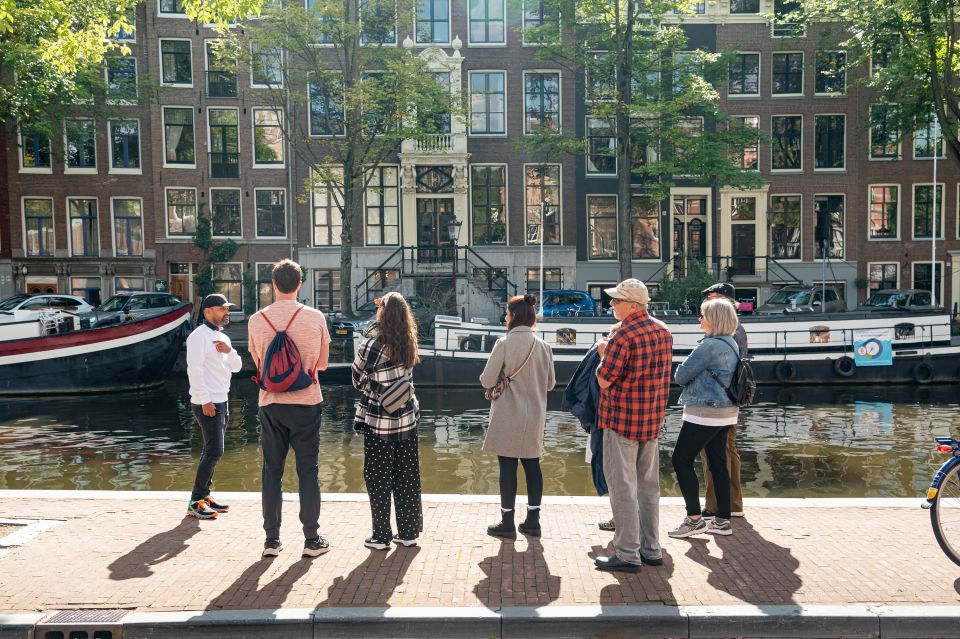
Amsterdam’s charm is that it isn’t one single vibe. It’s layers. During the walk you’ll move through areas people often skip when they stick only to the most photographed streets.
You’ll pass through parts described as China Town, and you’ll also spend time around the Old Church area. These stops are useful because they show you how neighborhoods formed and evolved, and how different communities shaped the city.
One of my favorite ways to read a city is to watch transitions: a street gets busier, a façade changes, and suddenly you feel a different rhythm. This tour is built around that idea. You’re not just walking in circles—you’re moving through distinct “chapters” of inner-city Amsterdam.
And if you’re the type who likes quirky details, this is where you start getting them: crooked houses and odd street shapes that feel too specific to be random.
Crooked houses, the narrowest street, and canal-side orientation

Amsterdam is famous for canals, but the real value of a guided walk is how it helps you “read” the city. When you stroll around the canals with a guide, you begin to notice patterns: where neighborhoods face inward, where foot traffic naturally funnels, and why certain bridges and side streets become important.
You’ll also hit the crooked houses and the narrowest street of Amsterdam. These are the kinds of places you might spot on your own—if you happen to walk the right way. With a guide, you’re far more likely to catch them because the tour is designed to route you through the places that create that signature Amsterdam silhouette.
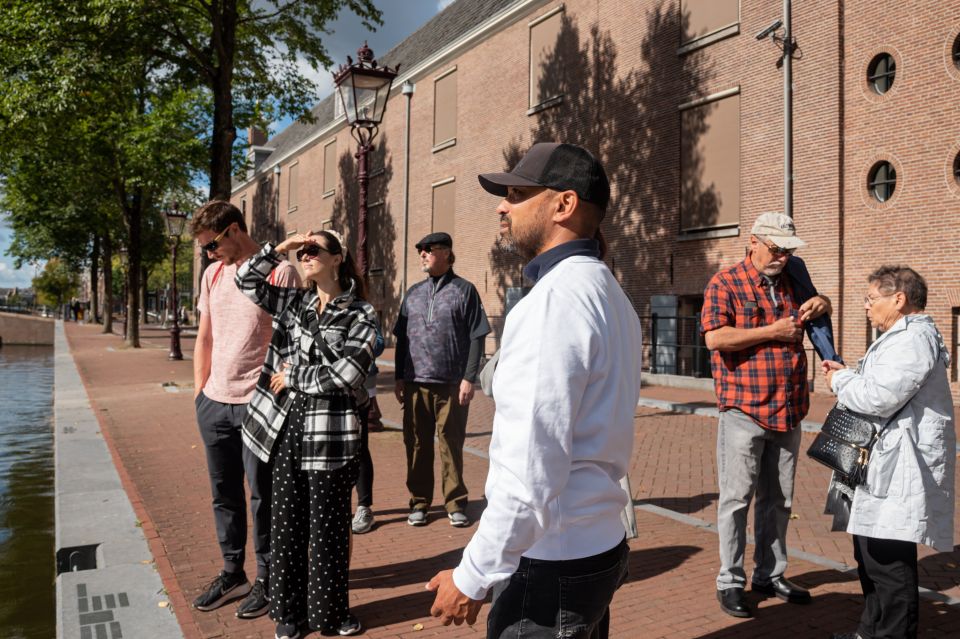
In a small group (up to 8 people), it’s easier to pause for photos, ask questions, and keep moving without feeling like you’re dragging everyone behind you. Some groups in past tours have been small enough (like 6 people) to make the pacing feel even more personal.
You can also read our reviews of more historical tours in Amsterdam





Royal Palace area, Dam Square, and Begijnhof: the contrast that matters
When you reach the Royal Palace and Dam Square, the city’s “big stage” energy hits. Dam Square is the kind of place that feels like a postcard the moment you arrive. But the tour helps you understand that it’s not just a square; it’s a center that has mattered across different periods of city life.
Then you’ll walk to Begijnhof, which flips the mood. Begijnhof is quieter and more intimate than the square scenes. That contrast is a major reason this tour works well for first-timers: you don’t only see grand places—you also experience the calmer, human-scale pockets that sit near the headlines.
This section is also where you tend to learn the city’s “why” in a practical way. Instead of memorizing facts, you start connecting how public spaces and private courtyards coexist in the same inner city.
The red-light district context: learning the law behind the streets
One part of the walk is specifically designed to add context to Amsterdam’s most misunderstood neighborhood. Your guide talks about the legalization of prostitution in the Netherlands and how that shaped the red-light district over the years.
This matters because without context, visitors often treat the area like only a spectacle. With context, you understand the city’s approach as a policy choice—messy, controversial, and historical—but still part of how Amsterdam organized society.
The best guides handle this topic with care and clarity. Several guides in the past have been praised for good pacing and a sense of humor without losing the seriousness when it matters. If you’re nervous about this topic, you’ll likely find it handled through explanations rather than shock value, since the tour is set up as a history and culture walk.
Floating street market and the Flower Market stop that closes the loop
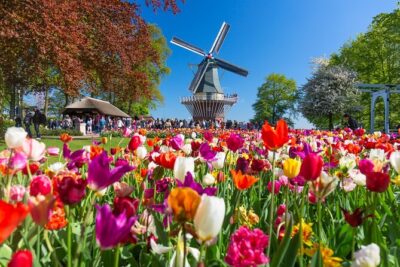
Near the end, you head toward the flower-related part of the city: the floating street market, described as a place where you could buy everything that is flower related. Even if you don’t shop, it’s a great sensory break from the heavier history topics.
I like this stop for two reasons. First, it’s practical: it’s a real market vibe, close to where many people want to wander after a tour. Second, it gives Amsterdam a softer, more everyday side. You’ve spent time learning about trade, city growth, and social history—now you see how the city supports ordinary life and seasonal culture.
Because the tour ends at Dam Square, you finish in a central hub. That helps when you’re planning your next move—whether you want to explore more streets nearby, grab a bite, or simply enjoy being in the middle of things.
Price and value: what $32 buys you in Amsterdam
At about $32 per person for a 2-hour walk, this isn’t a budget-bargain deal, but it’s also not inflated for what you get—especially in a city where many “high demand” experiences cost more.
Here’s the value equation I’d use if you’re deciding:
- You’re paying for a local guide who connects the sights to the city’s story.
- Your group is limited to 8 people, which usually means fewer distractions and a better chance to ask questions.
- The tour includes the 1.50€ city tax per passenger, so you’re not hit later with a surprise fee at the last second.
- You don’t pay for food here, which actually keeps the tour focused. If you want a snack, you can choose your own place afterward.
If you’re spending only a short time in Amsterdam, this kind of guided orientation can save you money and time. It helps you avoid wandering randomly in the center and missing the details that make the city feel like a place, not just a list of sights.
Who will like this tour most (and who might want a different plan)
This tour is a strong match for you if:
- You want a first-night or first-day orientation to the inner city
- You like history that’s tied to street scenes (not only museum walls)
- You prefer a small group over big-coach tours
- You want a mix of famous stops and quirky details like crooked houses and the narrowest street
It may be less ideal if:
- You’re looking for extended time inside major attractions. The tour is 2 hours, and the emphasis is on walking and stories, not long-ticket entry time.
- You want a purely light, entertainment-only city walk. This tour includes cultural and historical topics, including the legal history behind the red-light district.
Guide styles: what to expect from past guides
The tour experience can feel different depending on who’s guiding. Past names you might see associated with excellent experiences include Robin, Aaron, Arie, James, Scarlett, Lukas, Kevin, and others.
A few patterns show up in the feedback style:
- Guides like Robin and Aaron are often praised for lively energy and easy conversation.
- Guides like James are mentioned for humor combined with depth, including answering questions in a way that keeps the walk moving.
- Arie and others are praised for personality and storytelling that makes stops feel meaningful rather than rushed.
You can treat that as a gentle promise: you’re not just buying a route. You’re buying a way of seeing Amsterdam.
Should you book this Amsterdam highlights and history walking tour?
I’d book it if you want a smart, compact introduction to Amsterdam’s inner city—Old Town lanes, Dam Square energy, Royal Palace context, Begijnhof quiet, and a flower-market ending that feels like real life.
Skip it if you already know Amsterdam well and you’re looking for long museum time, or if you only want purely famous landmarks with minimal social history.
If you’re on the fence, this is the simple test: do you want help turning streets into stories? If yes, this tour is a good use of 2 hours.
FAQ
How long is the Amsterdam Highlights & History Walking Tour?
It lasts 2 hours.
What does it cost, and what’s included in the price?
The price is $32 per person. It includes a local guide and a 1.50€ city tax per passenger.
Where does the tour start, and where does it end?
You meet in front of the main entrance of the Park Plaza Victoria Hotel, and the tour ends at Dam Square.
What sights will I see during the walk?
You’ll see the Old Town, Dam Square, the Royal Palace area, the Anne Frank House area, and you’ll also pass places linked with the Old Church area, China Town, crooked houses, the narrowest street, and Begijnhof. The tour also includes a stop at the floating Flower Market.
Is the tour small group?
Yes. It’s limited to a small group of up to 8 people, which helps keep the experience more personal.
What languages are offered?
The live tour guide is available in English, German, and Spanish.
Is the tour wheelchair accessible, and is there an option for private groups?
Yes, it’s wheelchair accessible. A private group option is also available.